

Solutions
Property Developers
The Return of Time: The Financial Value of Mature Trees in Property Development
The overwhelming majority of building materials begin to depreciate the moment they are handed over. The one piece of infrastructure that defies this rule and appreciates cumulatively over time is biological capital. The built fabric ages; the mature tree gains value.
When a developer weighs the balance sheet of a new residential or mixed-use scheme, they accept an unavoidable financial premise: from the concrete to the luxury finishes, the overwhelming majority of building materials begin to depreciate at the very moment the works are handed over. The one piece of infrastructure that defies this rule and appreciates cumulatively over time is biological capital.
The case for integrating mature tree specimens at masterplan stage rests on a trade in time: we transfer decades of biological growth into the financial liquidity of your project. By anchoring the landscape in trees that have already completed their structural formation, the development takes on an established sense of place from day one. This immediate visual maturity removes the dissonance of selling a premium property alongside a young, sparse landscape, and justifies the market premium asked of the end buyer straight away.
Property Valuation Premium
Visual stability carries a quantifiable transactional value. A landmark study by the International Society of Arboriculture (ISA) found that the presence of a mature tree canopy raises the sale price of plots and residential units by as much as 12%. In addition, an analysis based on the Guide for Plant Appraisal, published by the Council of Tree and Landscape Appraisers, documented that a single large structural specimen — such as a mature oak — can add up to $10,000 to the asset's inventory value from the day it opens.
Consumer Behaviour in Retail
In mixed-use hubs, thermal and visual comfort dictates dwell time and profitability. Seminal research in landscape economics, led by Dr. Kathleen Wolf at the University of Washington, concluded that consumers show a dramatically higher willingness-to-pay in retail districts sheltered by broad canopies. The study recorded a 34% rise in the price accepted for convenience goods and as much as 40% for consumer goods, providing empirical grounds for premium rental margins.
Operational Efficiency and ESG Appeal
Natural thermal regulation acts as financially profitable infrastructure. Energy-efficiency reports from the U.S. Forest Service have shown that strategic shading and the evapotranspiration of mature trees can cut a building's annual climate-control costs by around 10%. For institutional funds, this resilience translates into an auditable ESG (Environmental, Social and Governance) metric, easing access to green finance.
Mitigating Biological Liabilities
Capturing this return depends on the botanical asset surviving construction. The research of plant pathologist Dr. Alex Shigo transformed arboriculture by demonstrating, through the scientific CODIT model (Compartmentalization of Decay in Trees), that trees do not heal mechanical wounds; they only seal them off. Damage caused by transplanting without technical rigour creates hidden defects that turn into costly removals years later. Biological protection is therefore the non-negotiable defence of the capital invested.
The Diaplant Method
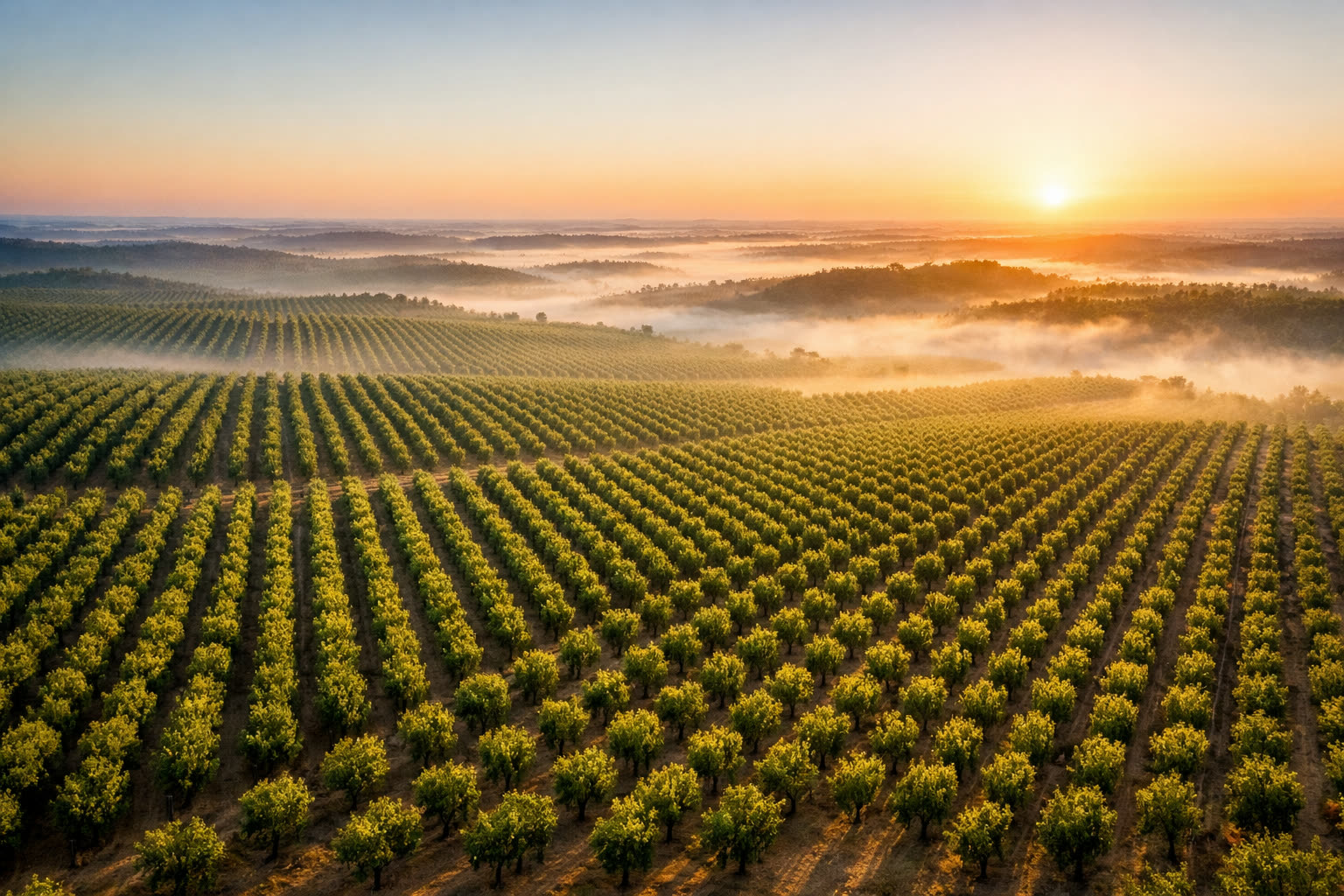
Across our 33 hectares of production in Amarante, we apply the demanding northern-European method: through root pruning every three to five years, we sculpt exceptionally dense root balls, structurally prepared to change home. Because we are vertically integrated, the chain of custody never breaks. From our field to your project, the tree that underpins the value of your development is installed by the very same hands that grew it over the past decade. We deliver a turnkey biological certainty, so your investment performs the moment you open the doors.