

Cold-hardy oak for late, vivid autumn colour
Scarlet Oak · Quercus coccinea
Specifiers reaching for reliable autumn colour across cool-temperate Europe will find a fast-growing, wide-crowned oak whose vermilion display arrives late and holds for weeks, casting dappled shade open enough to underplant in parks and estate settings.
About this Species
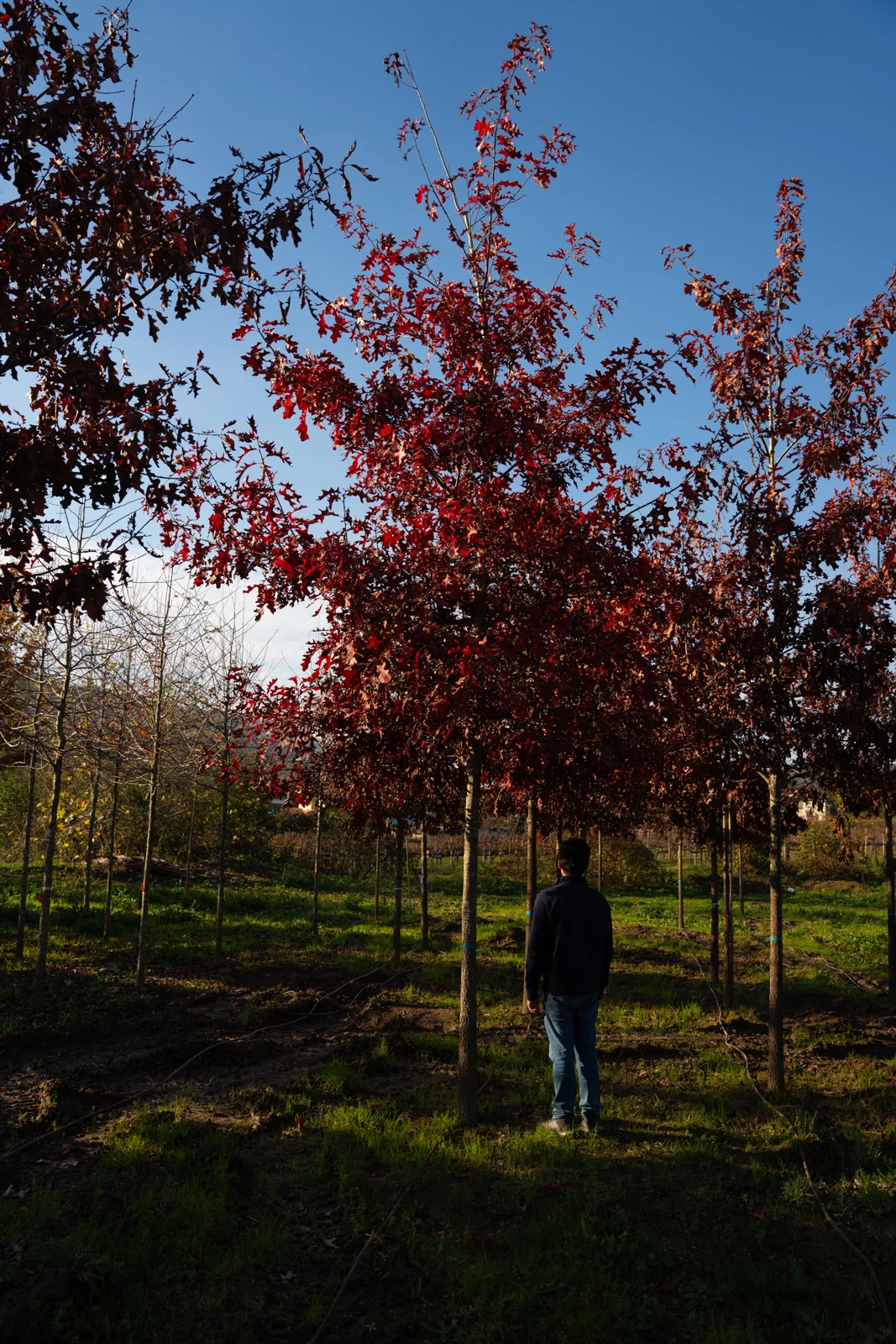
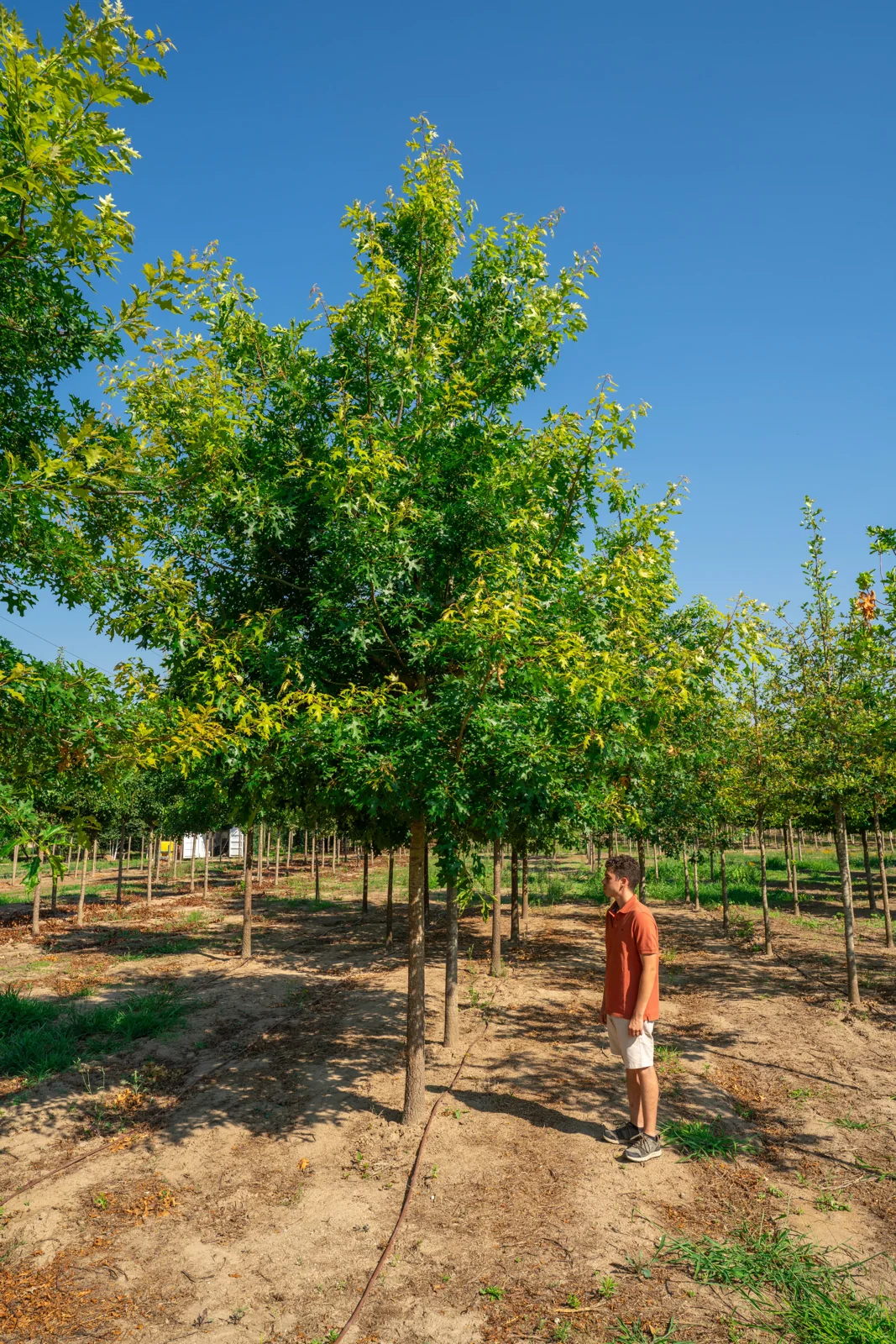
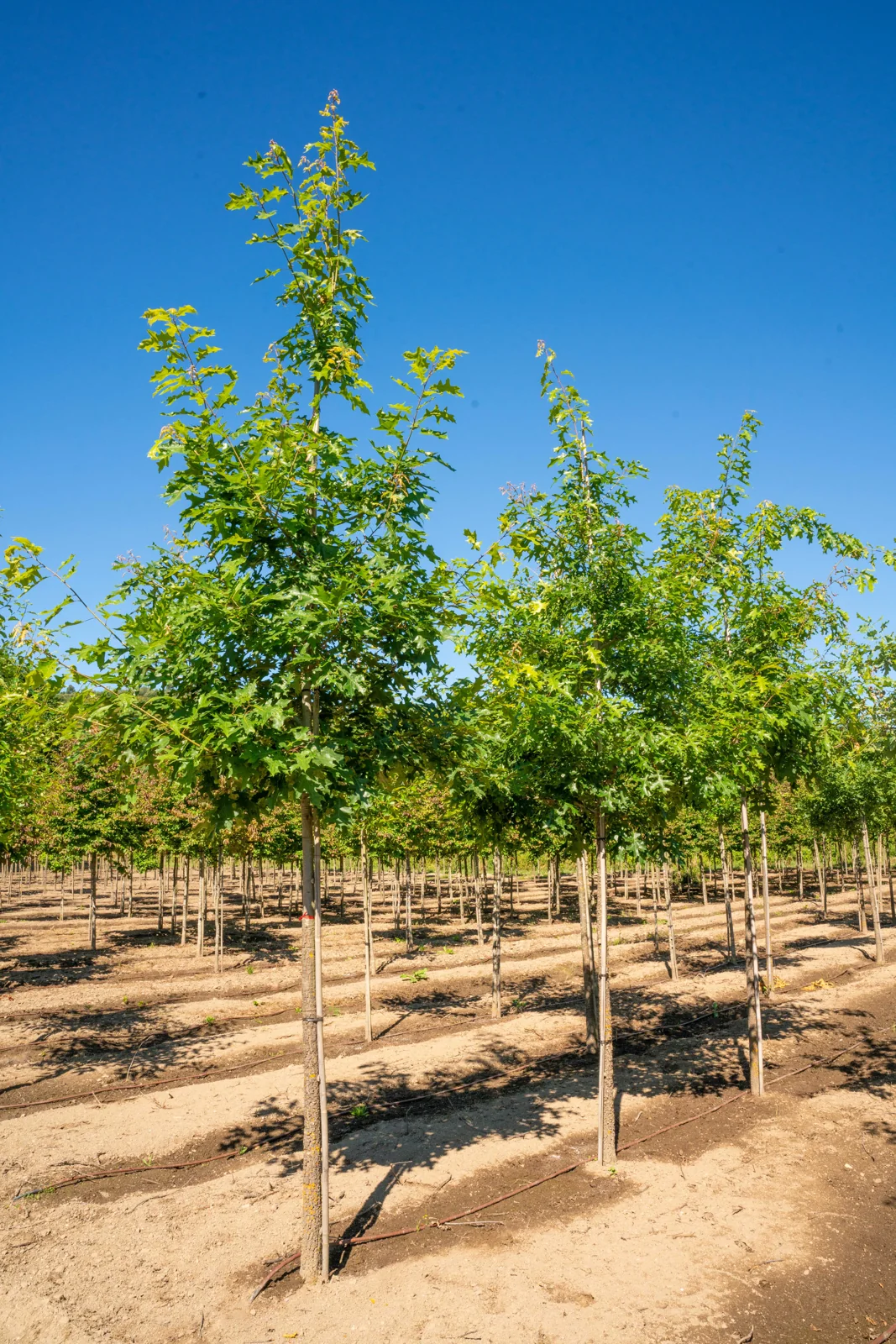
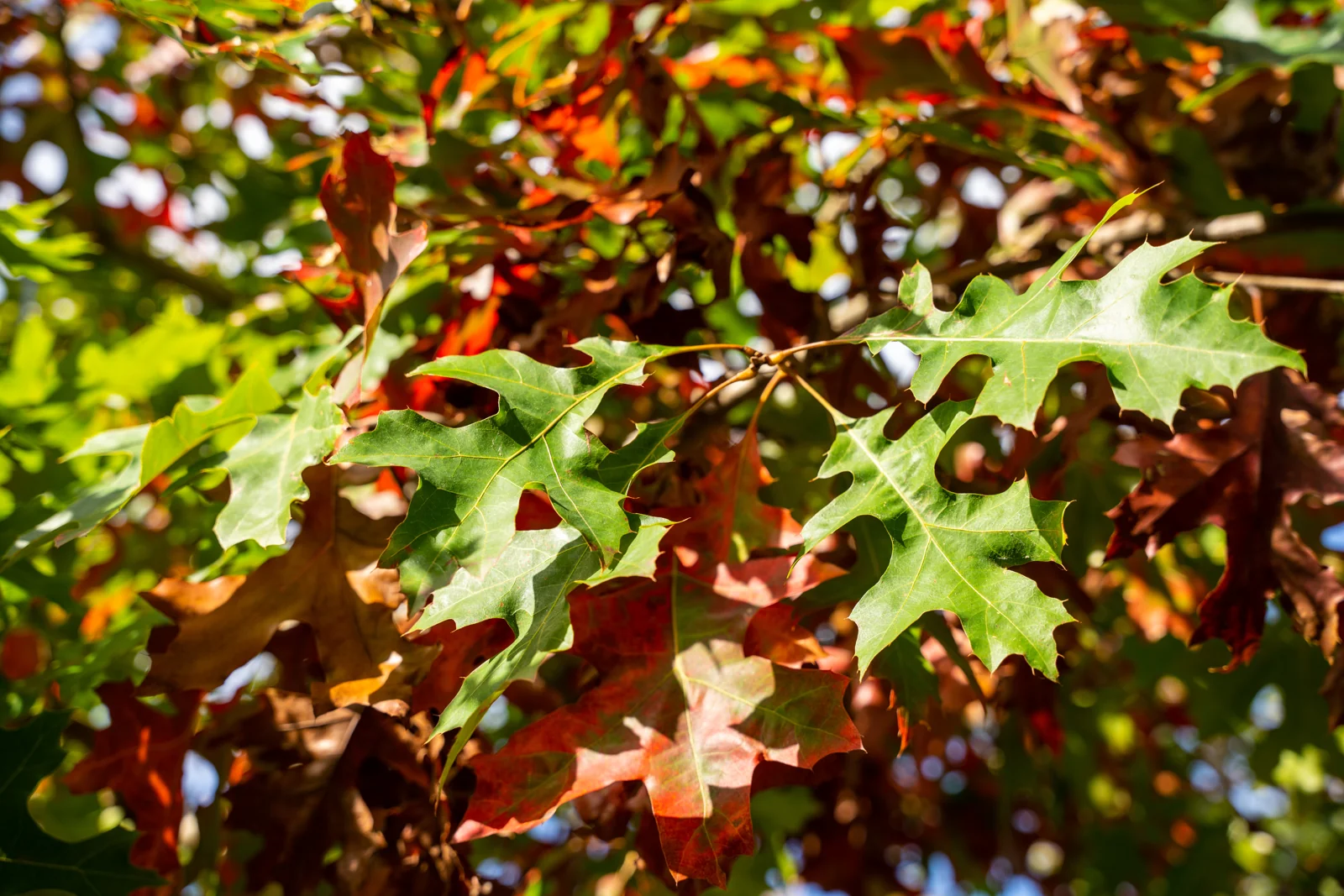
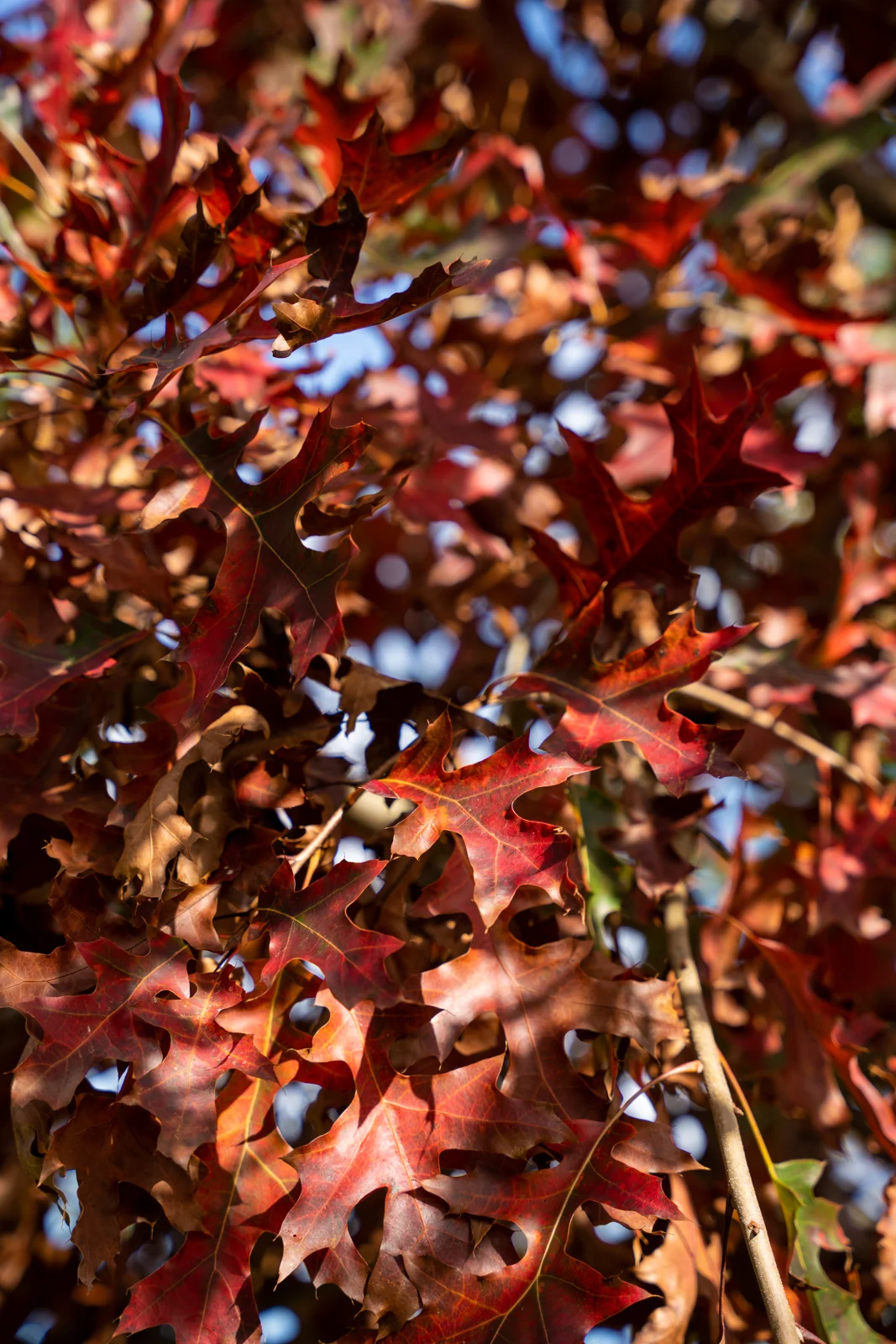
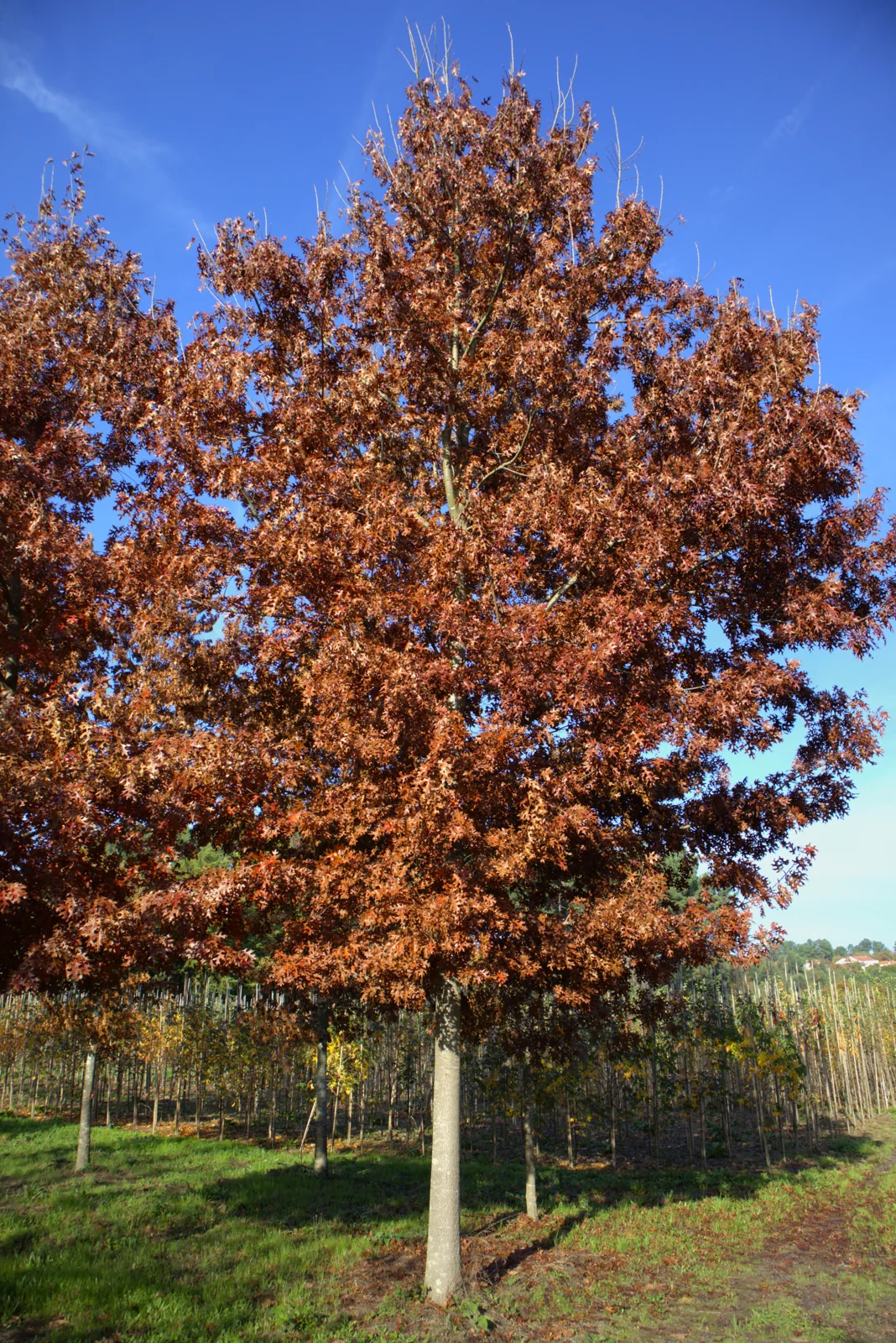
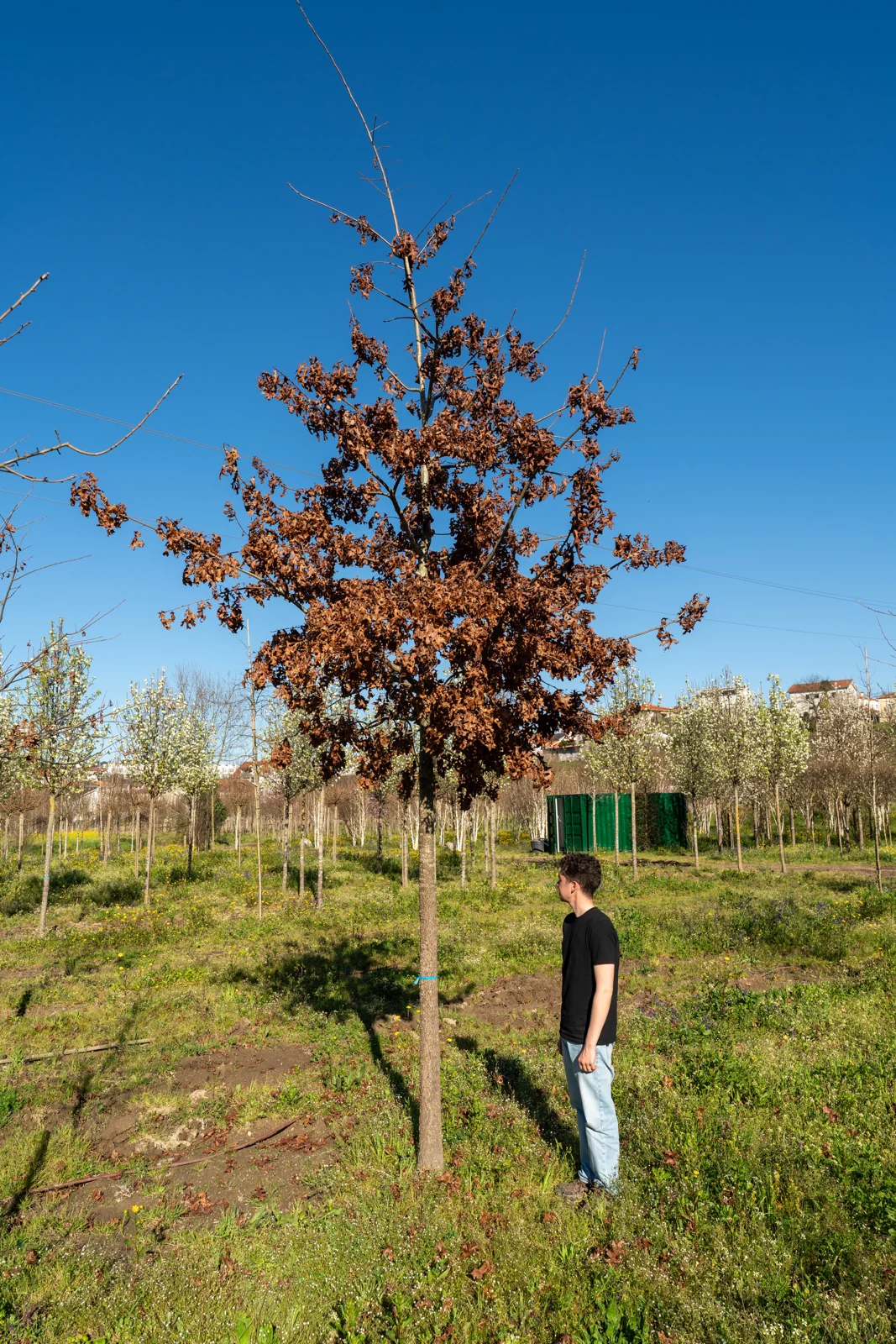
Native to the upland forests of the eastern United States, this is a medium-to-fast-growing deciduous oak reaching roughly 15 to 25 metres in cultivation, with a rounded, open, wide-spreading crown. Its defining feature is the deeply lobed, glossy green foliage with characteristic C-shaped sinuses, which turns a vivid scarlet in autumn. The display arrives…
Read more
Show less
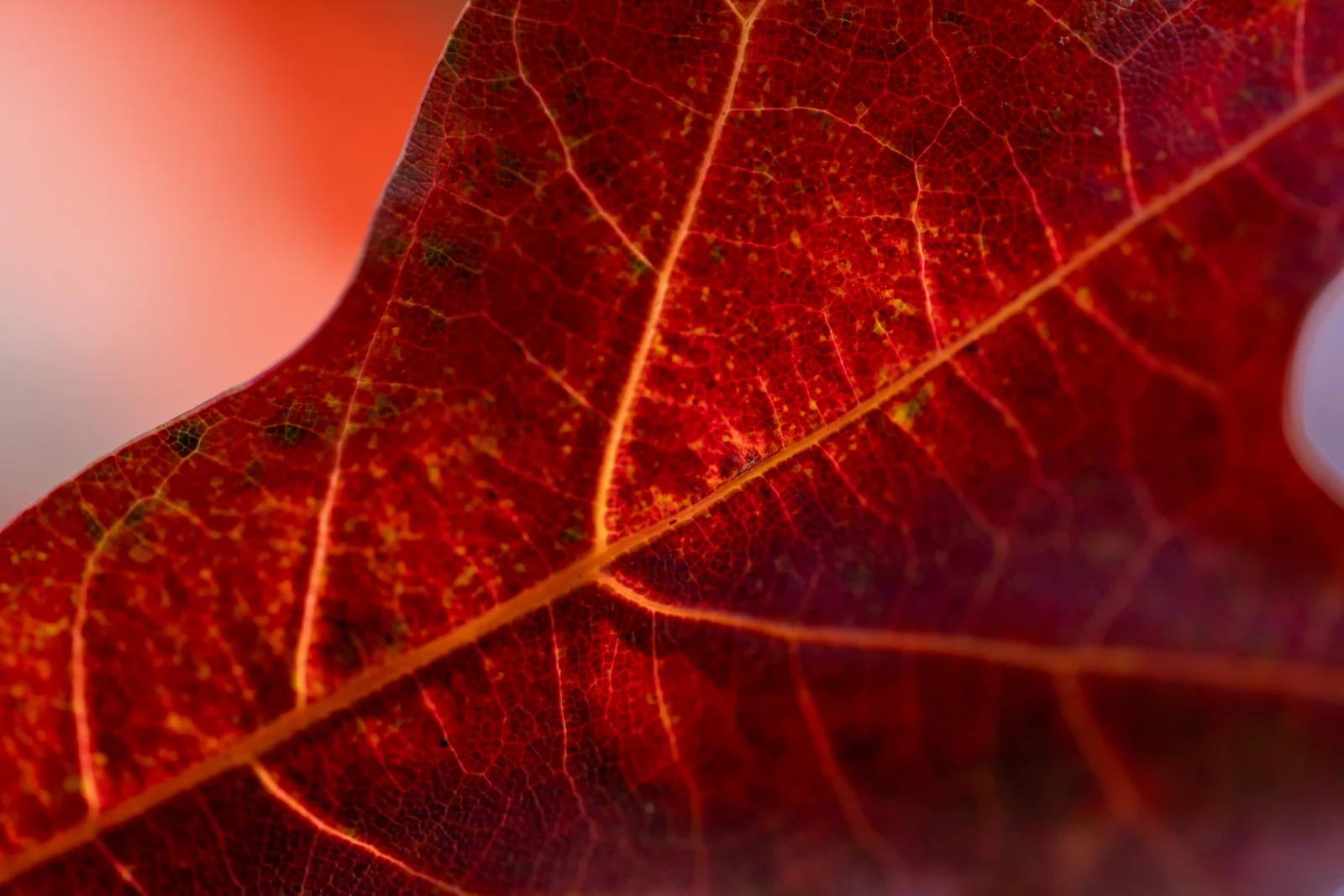
Native to the upland forests of the eastern United States, this is a medium-to-fast-growing deciduous oak reaching roughly 15 to 25 metres in cultivation, with a rounded, open, wide-spreading crown. Its defining feature is the deeply lobed, glossy green foliage with characteristic C-shaped sinuses, which turns a vivid scarlet in autumn. The display arrives later than most oaks and persists for six to eight weeks, though intensity varies between individual trees and an early hard frost can brown the leaves before they colour fully.
Cold hardiness is the species' strongest specification argument. It is reliably winter-hardy across USDA zones 4 to 9, roughly to minus 30 °C, which places it comfortably within the envelope of almost any continental, Atlantic, or boreal-margin European project, from the Po valley to southern Scandinavia and the inland Balkans. Cold is not the limiting factor here; the constraints sit at the warm, dry end of its range.
Heat and drought tolerance are moderate rather than absolute. The tree performs best on well-drained, acidic, sandy or loamy soils and accepts heavier clay provided drainage is assured. Unlike its close relative Quercus palustris, it resists chlorosis on alkaline ground, widening its soil range. In hot, dry continental summers above 35 °C it wants assured root depth and supplementary irrigation through its first summers; on thin, free-draining soils it establishes a deep taproot that underpins its later drought resilience.
The wide crown and dappled canopy suit it to urban lawns, parks, and estate parkland rather than confined tree pits, where it needs generous lateral space, as the avenue plantings in several North American cities demonstrate. Two cautions belong in any specification: the thin bark is sensitive to fire and mechanical damage, and the species is highly susceptible to oak wilt, which should be weighed where that pressure is present. As a structural shade tree and autumn specimen, it offers genuine wildlife value and a long, dependable cold-climate season.



Advice on this species
Want to know more about Quercus coccinea?
Tell us about your project and we'll advise you on this species — where it thrives, which size makes sense, and what to expect once planted.
- Produção própria
- Exemplares adultos
- Resposta em 1–2 dias
Sem compromisso · orçamento personalizado