

Evergreen character tree for frost-free and mild-winter schemes
Olive Tree · Olea europaea
A structural evergreen for sites where winter minima stay above roughly minus 10 degrees Celsius, offering slow-developing sculptural form, year-round silver-green foliage, and minimal irrigation demand once established in free-draining soils.
About this Species
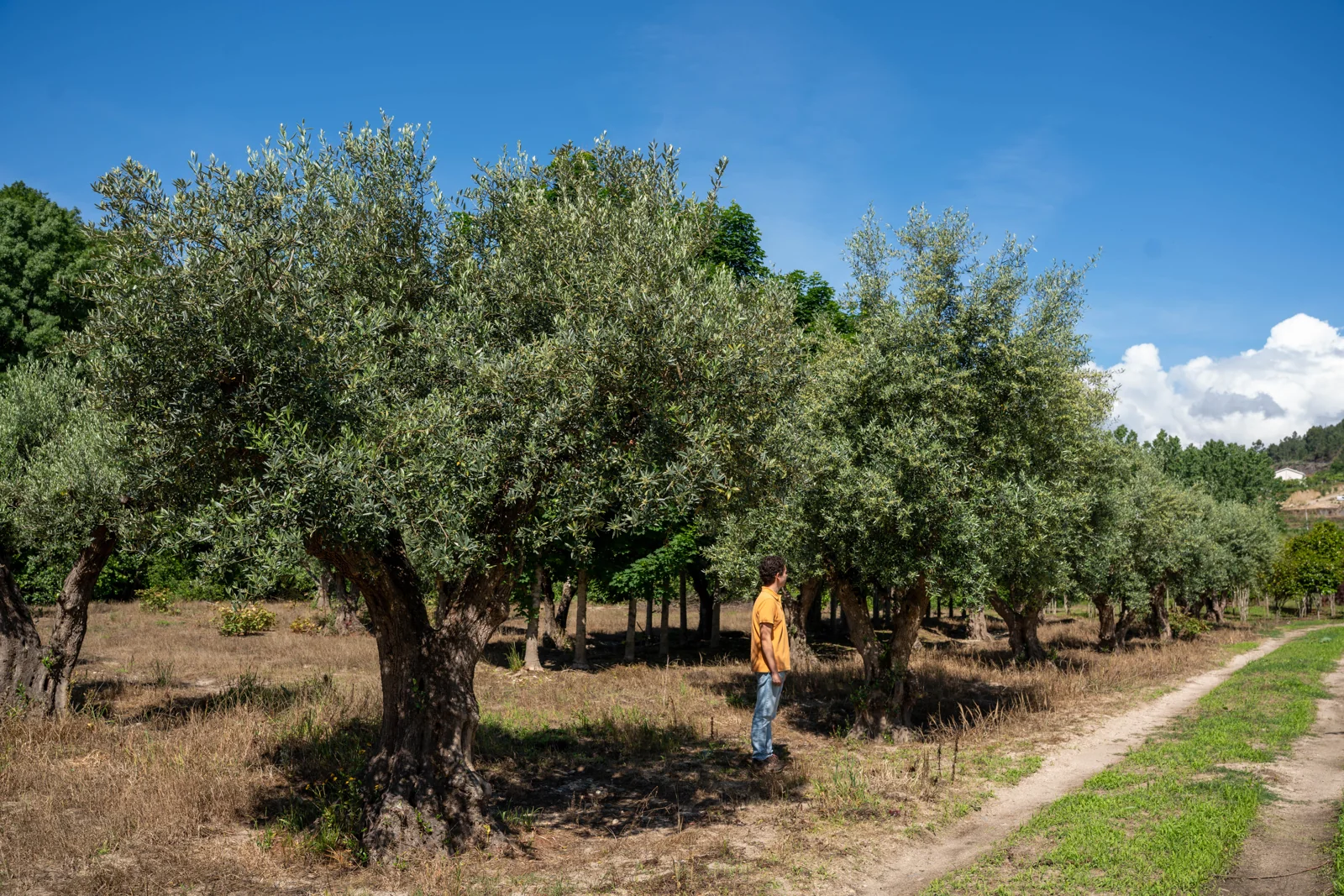
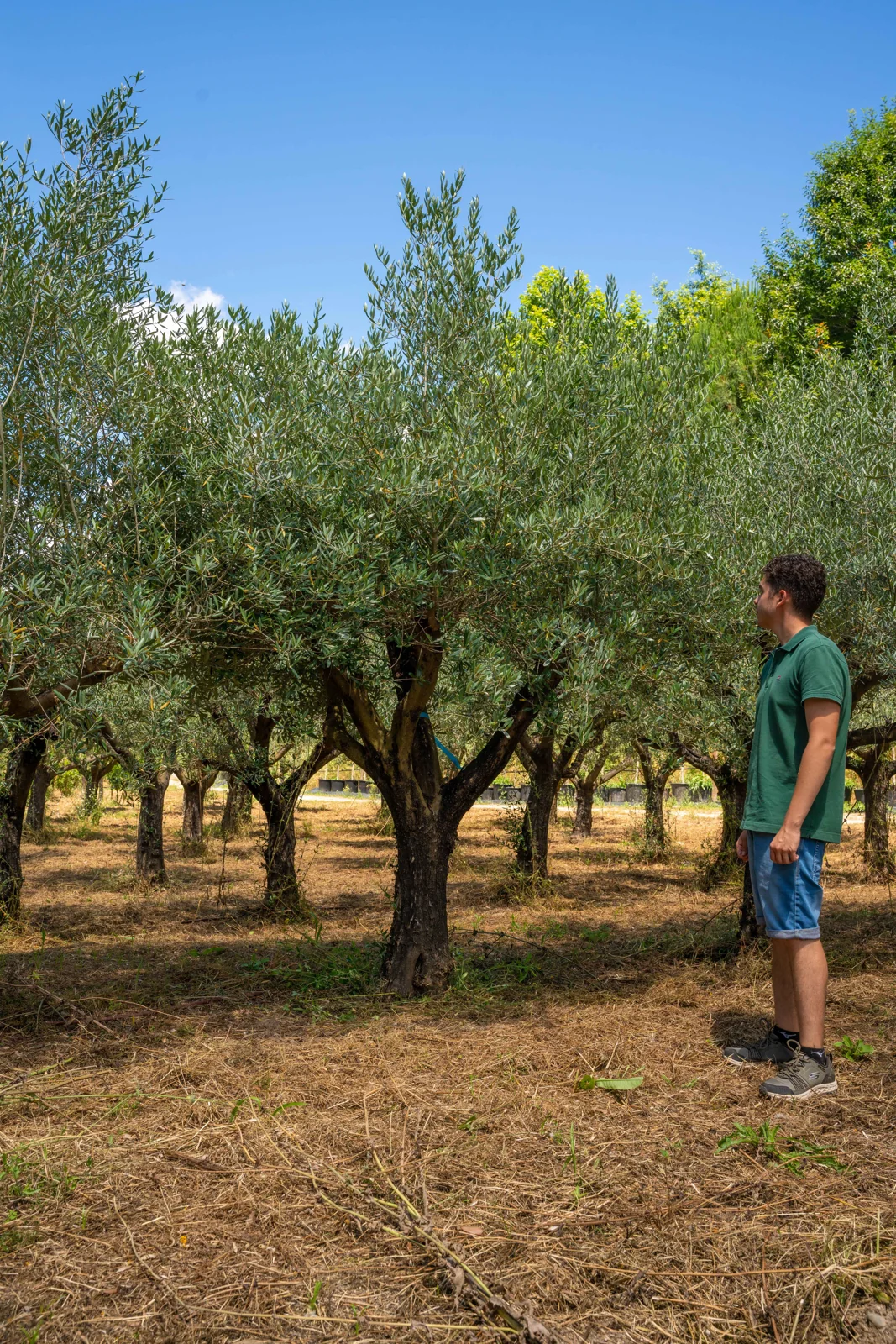
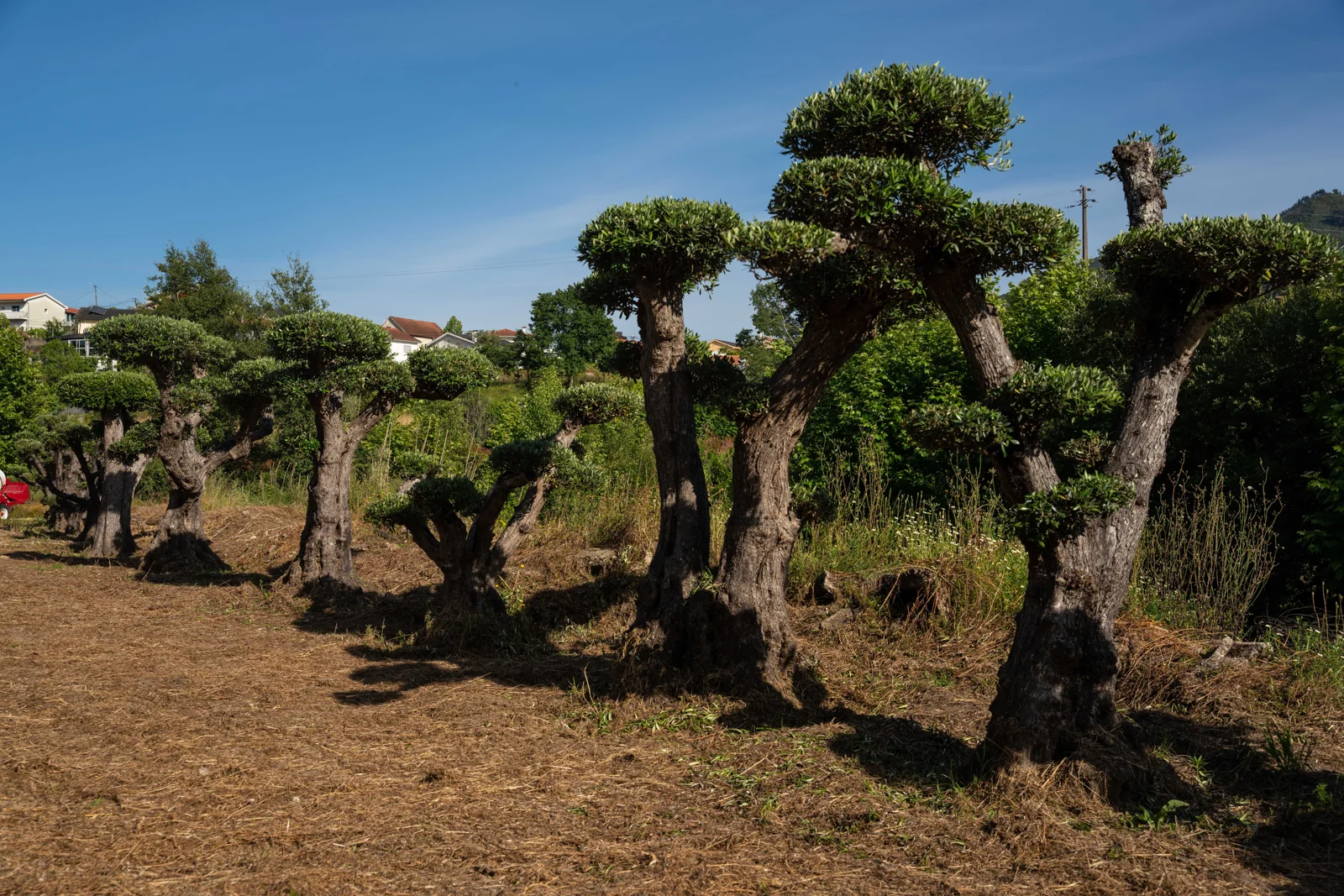
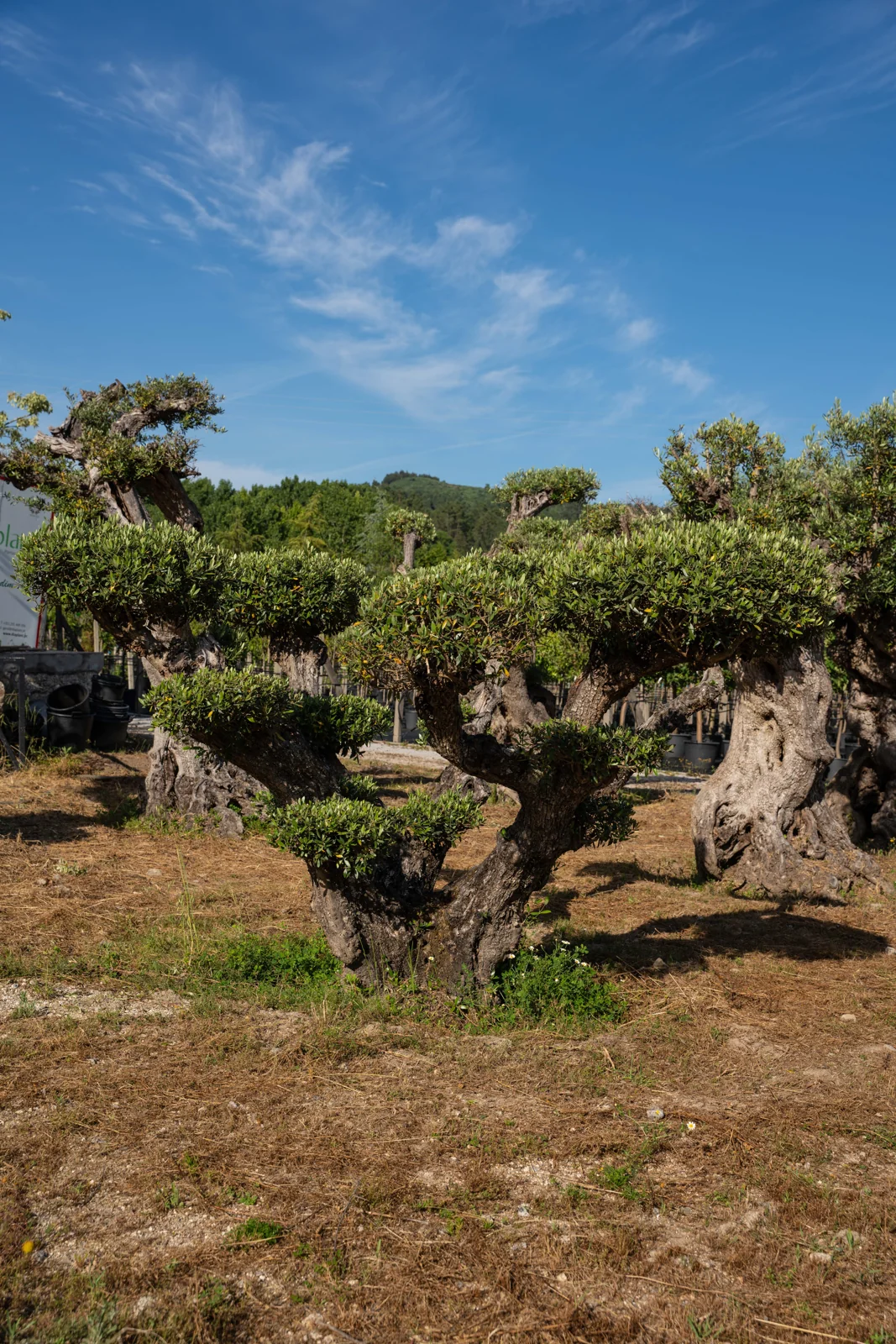
The olive reaches 5 to 12 metres in height with a spread of 5 to 10 metres, developing a rounded or multi-stemmed crown over decades of slow growth. Bark character is the defining ornamental asset: trunks become furrowed, twisted, and deeply textured with age, providing winter structure that few other broadleaf evergreens can match. The silver-green foliage…
Read more
Show less
The olive reaches 5 to 12 metres in height with a spread of 5 to 10 metres, developing a rounded or multi-stemmed crown over decades of slow growth. Bark character is the defining ornamental asset: trunks become furrowed, twisted, and deeply textured with age, providing winter structure that few other broadleaf evergreens can match. The silver-green foliage is persistent and leathery, with leaves 4 to 10 centimetres long showing a pale, tomentose underside that catches light and creates a distinctive canopy tone throughout the year.
The climate envelope is narrow relative to the breadth of European practice. Olea europaea is reliably winter-hardy to about minus 10 degrees Celsius (USDA zone 8a). Damage to above-ground wood occurs at minus 12 degrees Celsius, and sustained exposure below minus 15 degrees Celsius typically kills the crown, though rootstock may regenerate. This places the olive as a defensible specification throughout the Iberian Peninsula, southern France, coastal and southern Italy, the Dalmatian coast, Greece, and the Aegean islands. In sheltered positions with good air drainage, successful specimens exist in the southern United Kingdom, coastal Brittany, and around the northern Italian lakes. It is not a reliable specification north of a line through Paris, east of the Adriatic hinterland, or anywhere with regular continental winter minima below minus 10 degrees Celsius.
Heat tolerance is high, with the species performing well where summer maxima exceed 35 degrees Celsius for extended periods. Drought tolerance is equally strong: established trees function on 400 to 500 millimetres of annual rainfall without supplemental irrigation, provided soils are free-draining. The species favours calcareous substrates, sandy loams, and chalky ground, and does not tolerate waterlogging. Moderate salt tolerance supports coastal planting, though the olive is not a frontline coastal-exposure species in the way that Tamarix or Elaeagnus might be.
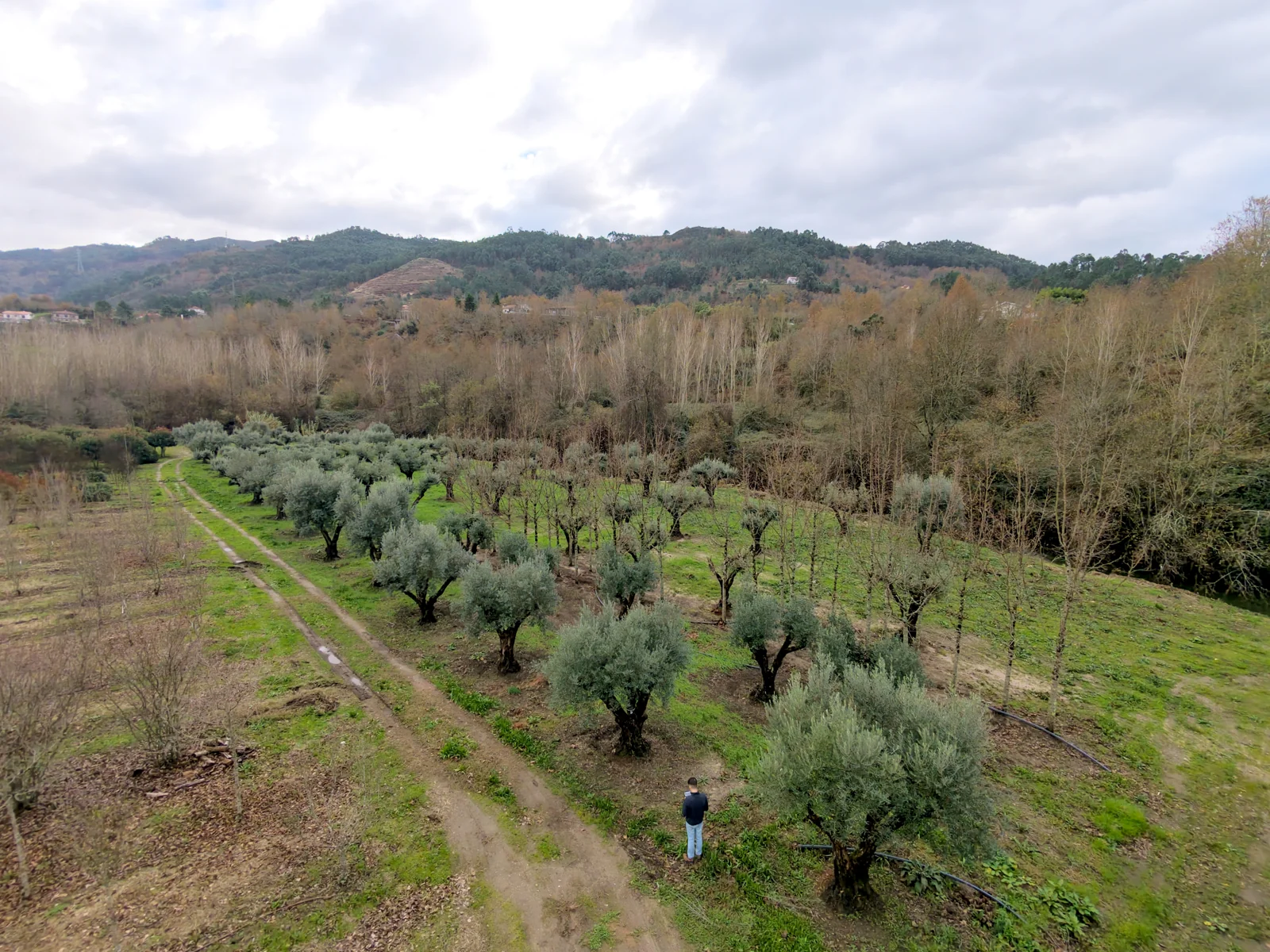
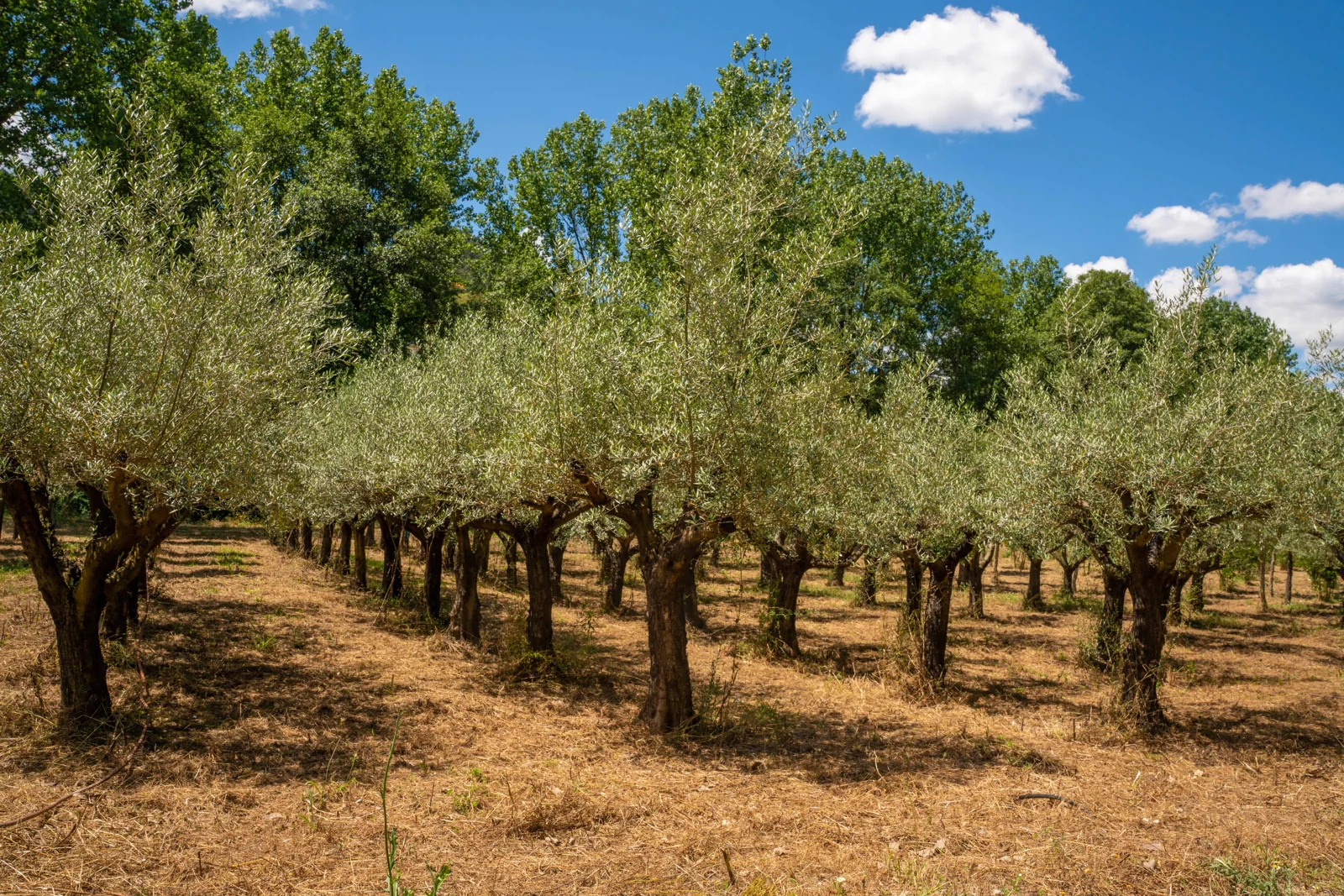
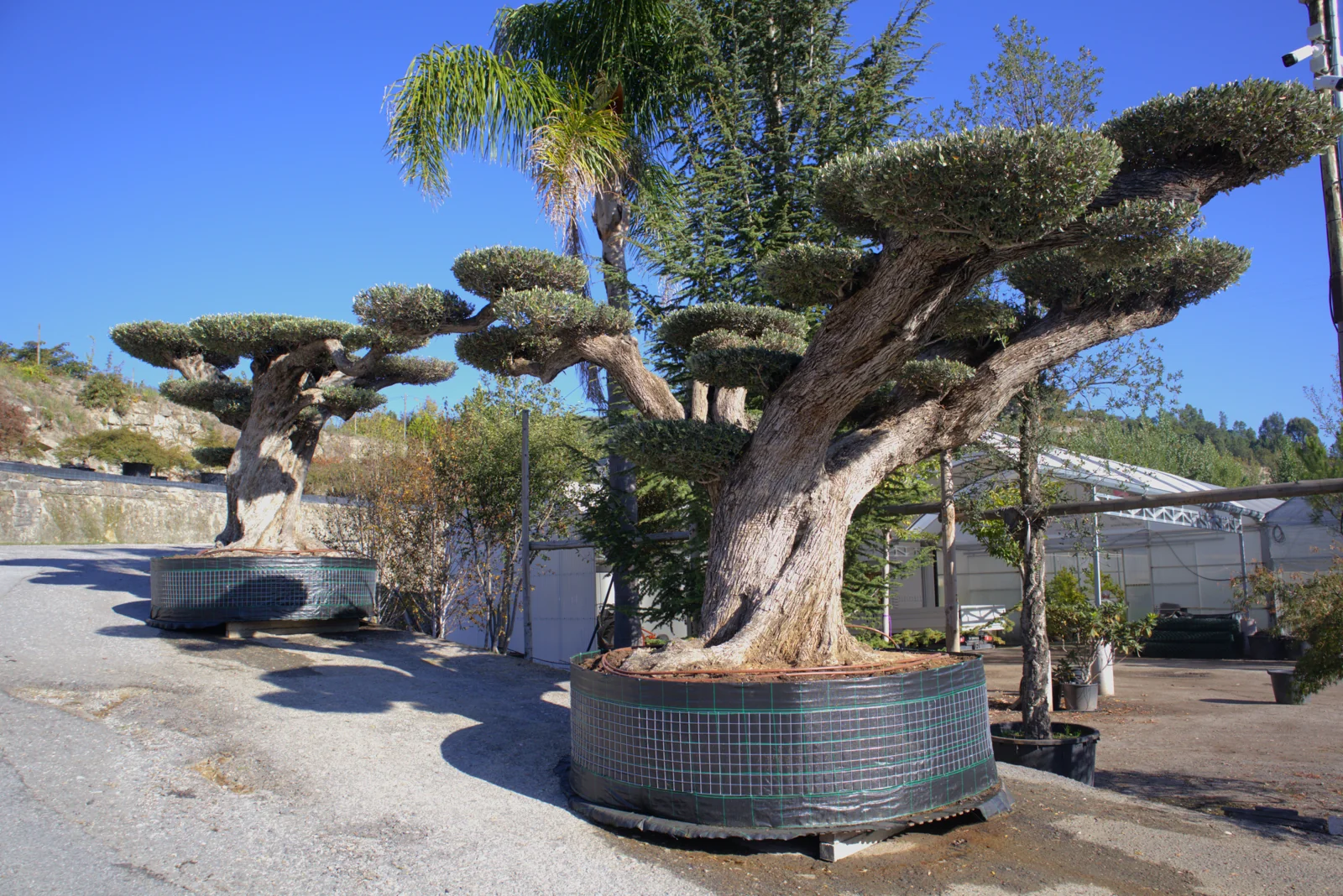
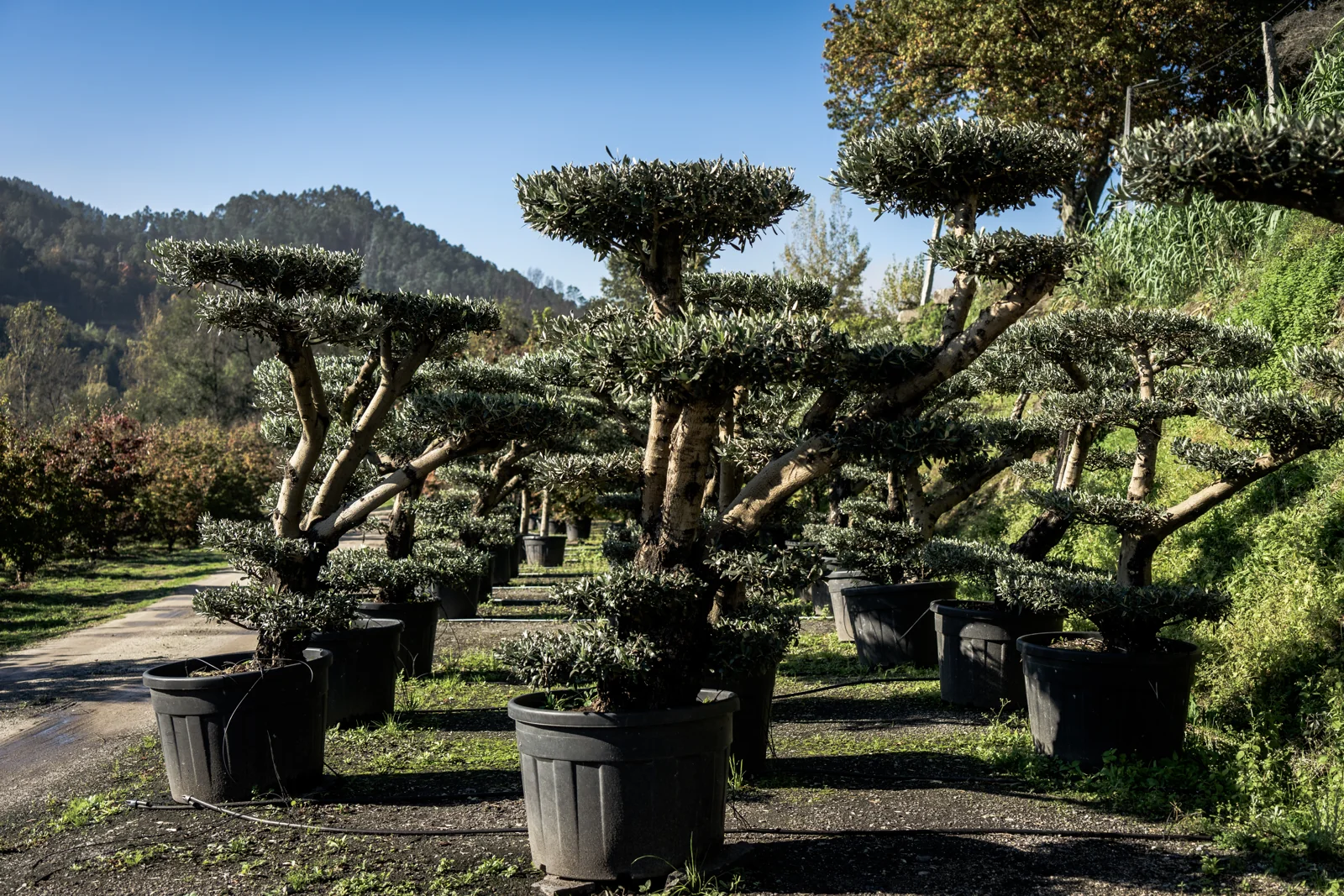
From a specification perspective, the olive occupies a position that no northern-grown nursery stock can replicate in calibre or character. Large-caliber field-grown specimens carry decades of bark development and crown architecture that cannot be accelerated. The sculptural trunk is the primary design asset, functioning as a focal element year-round without reliance on seasonal flower or foliage change. Underplanting is feasible given the relatively open, light-filtering canopy.
Specifiers should note the EU-wide phytosanitary context around Xylella fastidiosa, which has caused significant olive mortality in southern Italy since 2013. Plant passport documentation under EU Regulation 2016/2031 applies to all intra-EU movement. Portuguese-grown stock originates outside the current Xylella-demarcated zones, but awareness of buffer-zone restrictions in receiving regions is prudent when specifying for southern European projects.



Advice on this species
Want to know more about Olea europaea?
Tell us about your project and we'll advise you on this species — where it thrives, which size makes sense, and what to expect once planted.
- Produção própria
- Exemplares adultos
- Resposta em 1–2 dias
Sem compromisso · orçamento personalizado