

Cold-hardy autumn specimen with deep taproot anchorage
Black Tupelo · Nyssa sylvatica
Slow-growing and deciduous, this eastern North American tree is specified above all for its intense autumn colour and winter bark. Hardy to roughly minus 37 degrees Celsius, it performs reliably across nearly all European climatic zones on acidic ground.
About this Species
Winter hardiness is not the limiting factor for Nyssa sylvatica in European projects. The species is reliably hardy to minus 37 °C (USDA zone 3b), placing it comfortably within the range of southern Scandinavia, the Baltic states, and continental Central Europe. Documented specimens at Gothenburg Botanical Garden in Sweden, Arboretum Tervuren in Belgium,…
Read more
Show less
Winter hardiness is not the limiting factor for Nyssa sylvatica in European projects. The species is reliably hardy to minus 37 °C (USDA zone 3b), placing it comfortably within the range of southern Scandinavia, the Baltic states, and continental Central Europe. Documented specimens at Gothenburg Botanical Garden in Sweden, Arboretum Tervuren in Belgium, and Arboretum de Balaine in central France confirm performance across a broad European envelope. The true selection constraint is soil chemistry: the species requires acidic conditions, typically below pH 6.0, and autumn colour intensity diminishes significantly on alkaline or calcareous substrates.
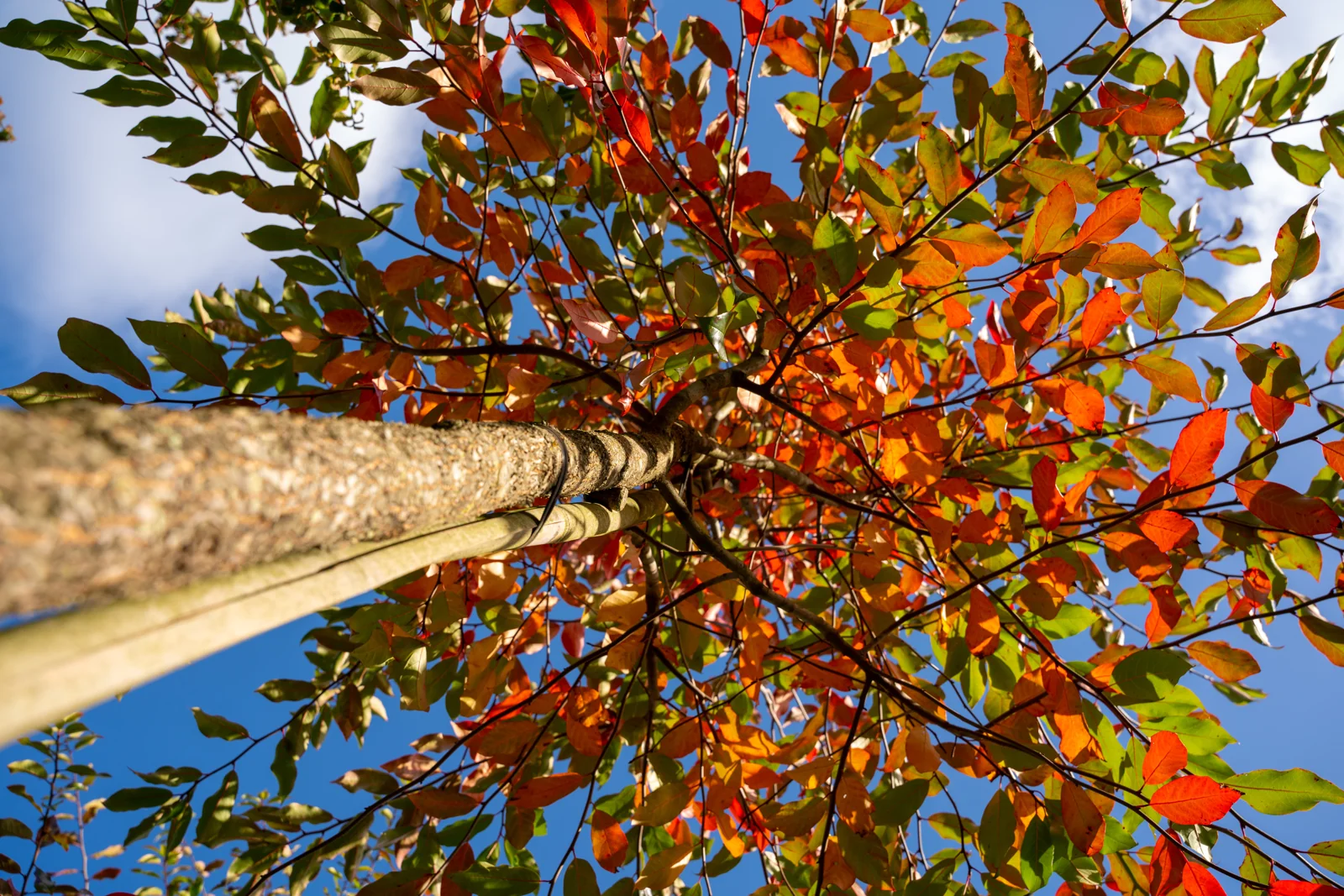
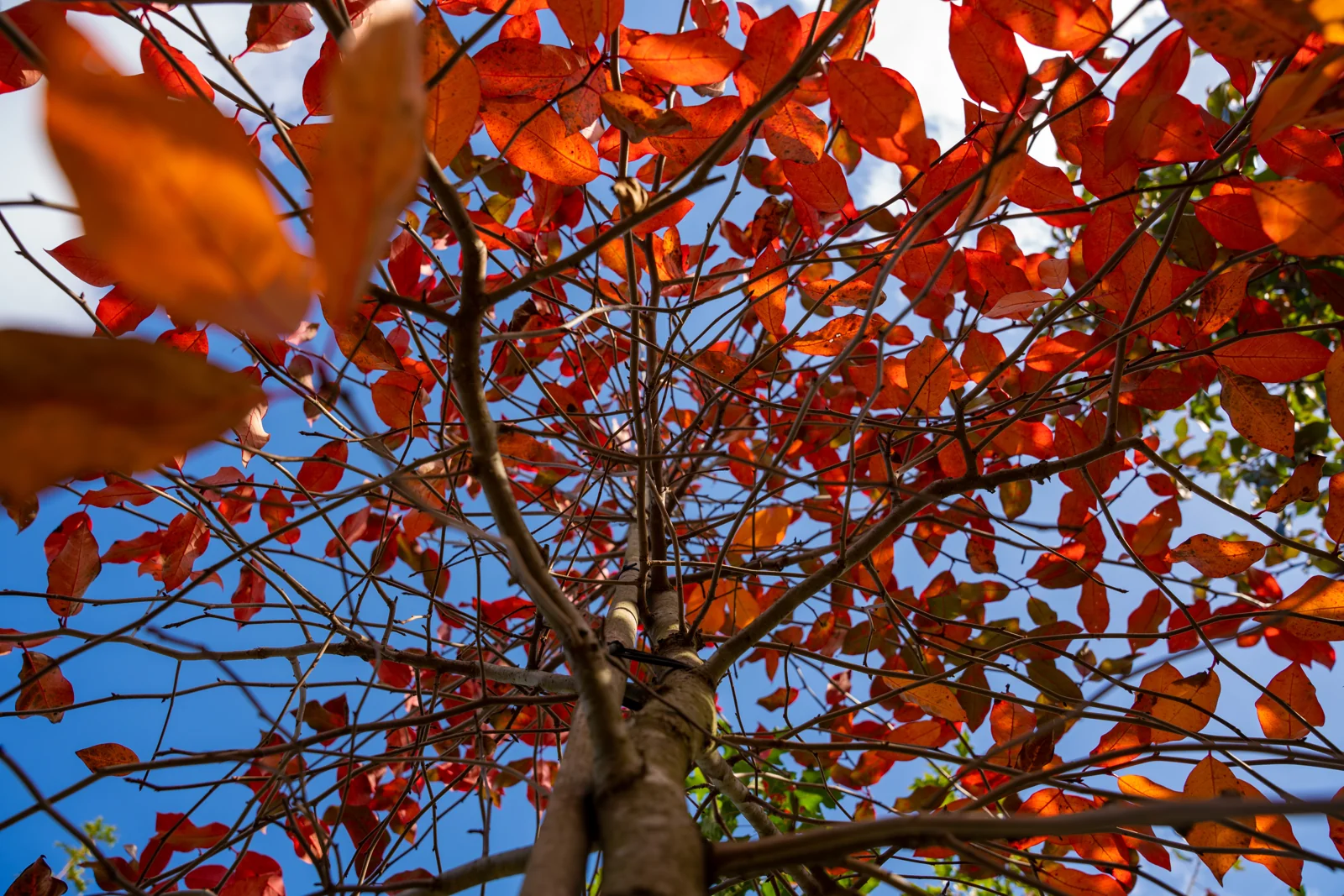
The crown develops a conical to broadly pyramidal form, reaching 10 to 20 metres in height with a spread of 6 to 10 metres. Branches extend at near right angles to a central leader, producing a layered silhouette with architectural clarity in winter. The bark on mature specimens develops deep, regular furrows forming a blocky pattern sometimes compared to alligator hide, a character that contributes genuine winter interest in deciduous schemes. Summer foliage is dense, glossy, and dark green.
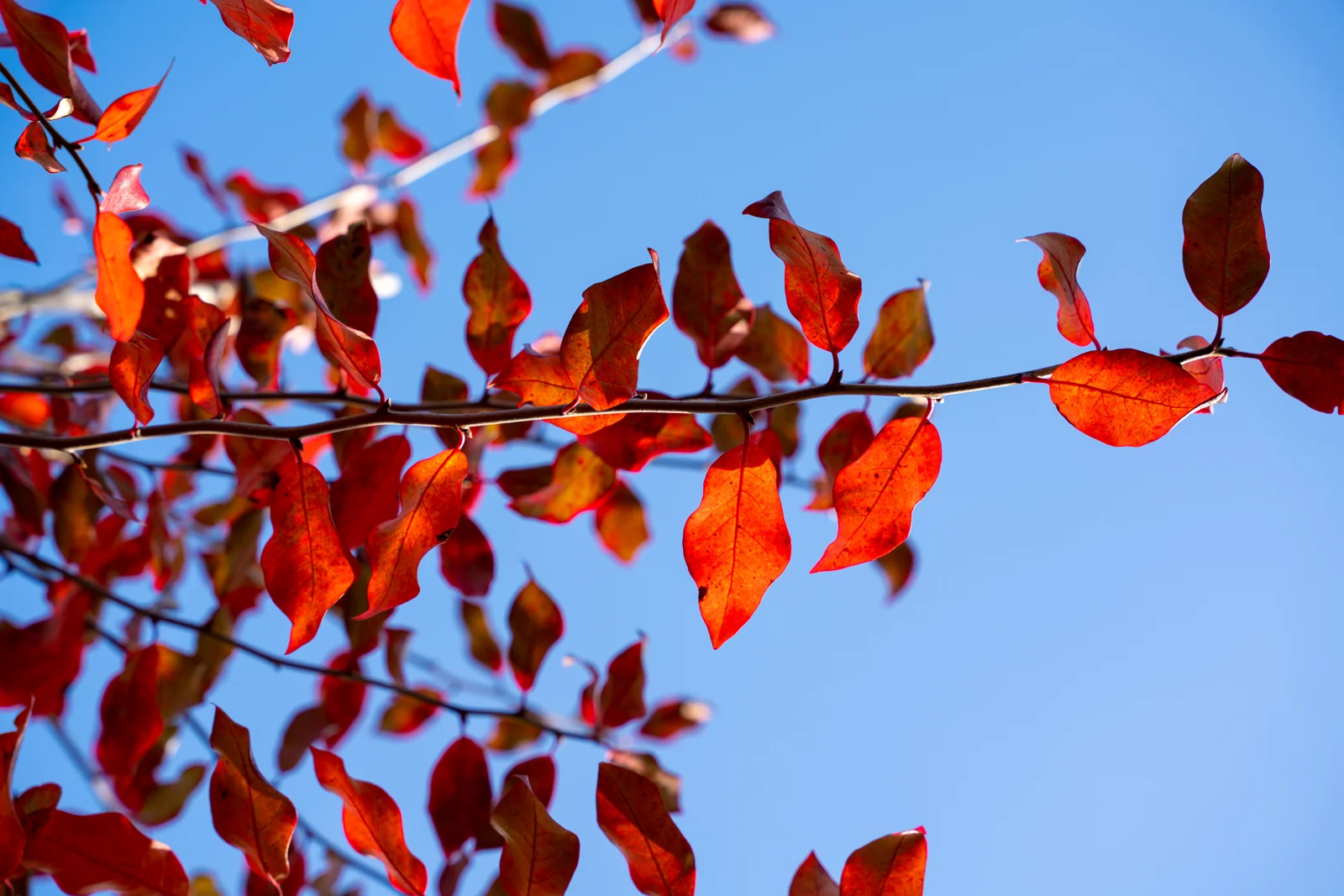
Autumn colour is the principal ornamental event. Seed-grown populations are variable, producing individuals ranging from clear yellow through orange to intense scarlet and deep purple. Where consistent colour is required for a scheme, vegetatively propagated cultivars offer greater predictability. The colour change begins early relative to most European deciduous canopy trees, typically in September in northern latitudes, extending the effective autumn display season when planted alongside later-colouring species such as Quercus robur or Acer platanoides.
The species develops a strong taproot from an early age. This confers good wind anchorage once established but makes field transplanting at larger calibres a significant operational consideration. Successful establishment of large specimens depends on root-ball preparation that accounts for the taproot structure. On well-prepared sites the species is long-lived, with documented ages exceeding 650 years in its native range, and requires minimal ongoing intervention. Disease resistance is generally high, though storm-damaged limbs can admit fungal infection. Salt tolerance is low, ruling out exposed coastal positions and sites subject to heavy winter road salting.



Advice on this species
Want to know more about Nyssa sylvatica?
Tell us about your project and we'll advise you on this species — where it thrives, which size makes sense, and what to expect once planted.
- Produção própria
- Exemplares adultos
- Resposta em 1–2 dias
Sem compromisso · orçamento personalizado