

Spring-flowering specimen for cool-temperate parks and gardens
Saucer Magnolia · Magnolia x soulangeana
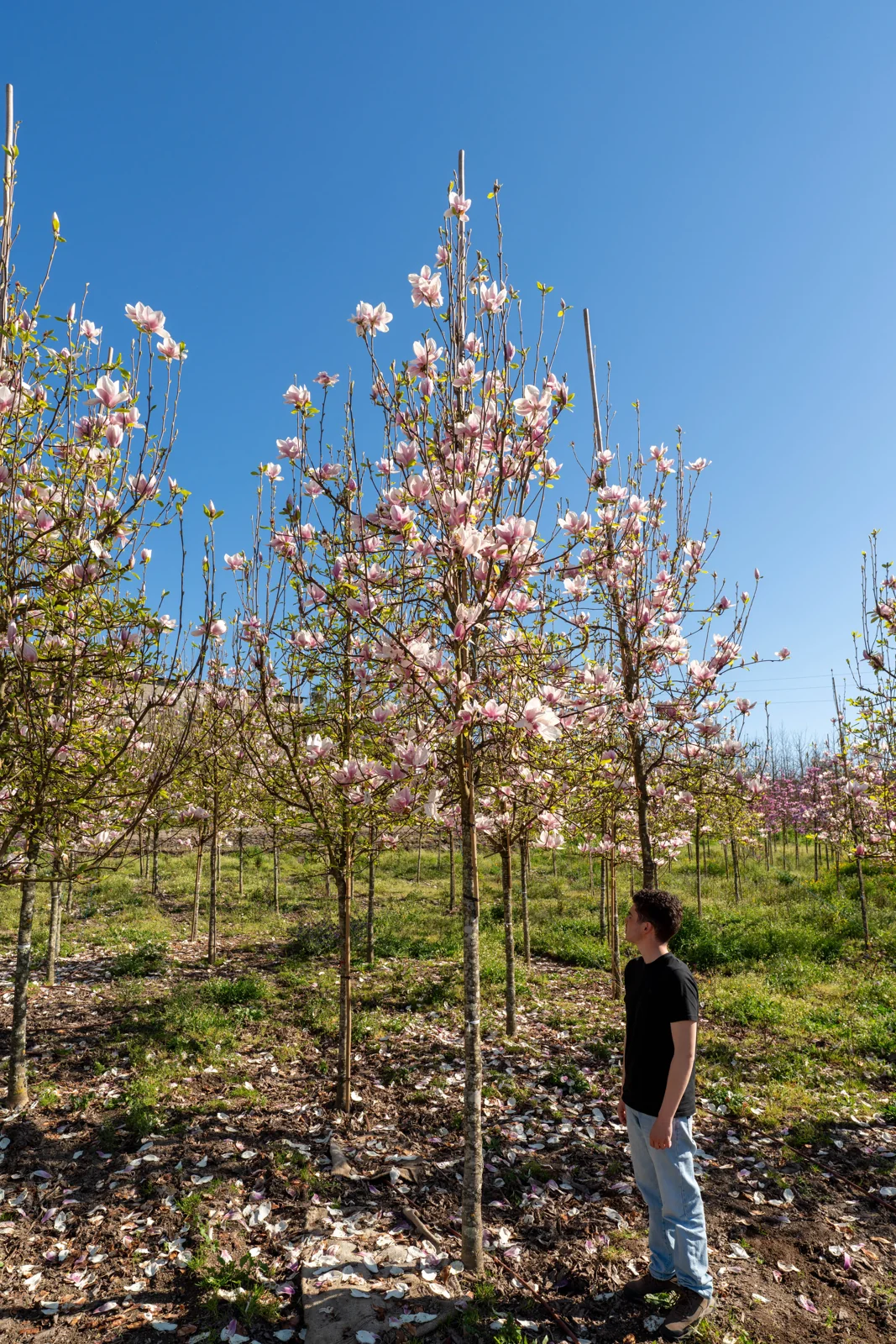
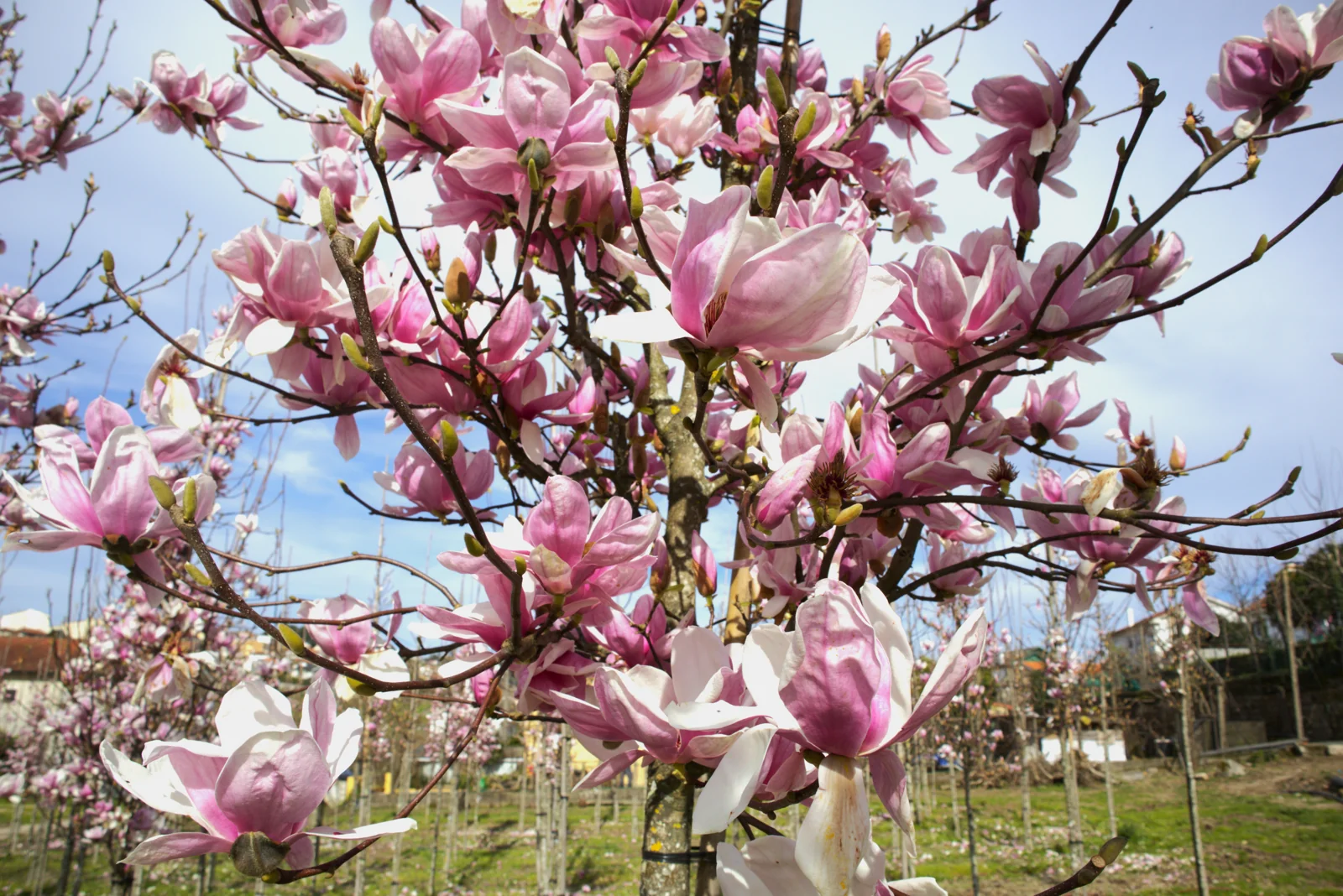
Deciduous and broad-crowned, it carries large goblet flowers on bare branches in early spring, well before leaf. A focal specimen for cool-temperate schemes on moist, free-draining ground where the planting can hold spring warmth.
About this Species
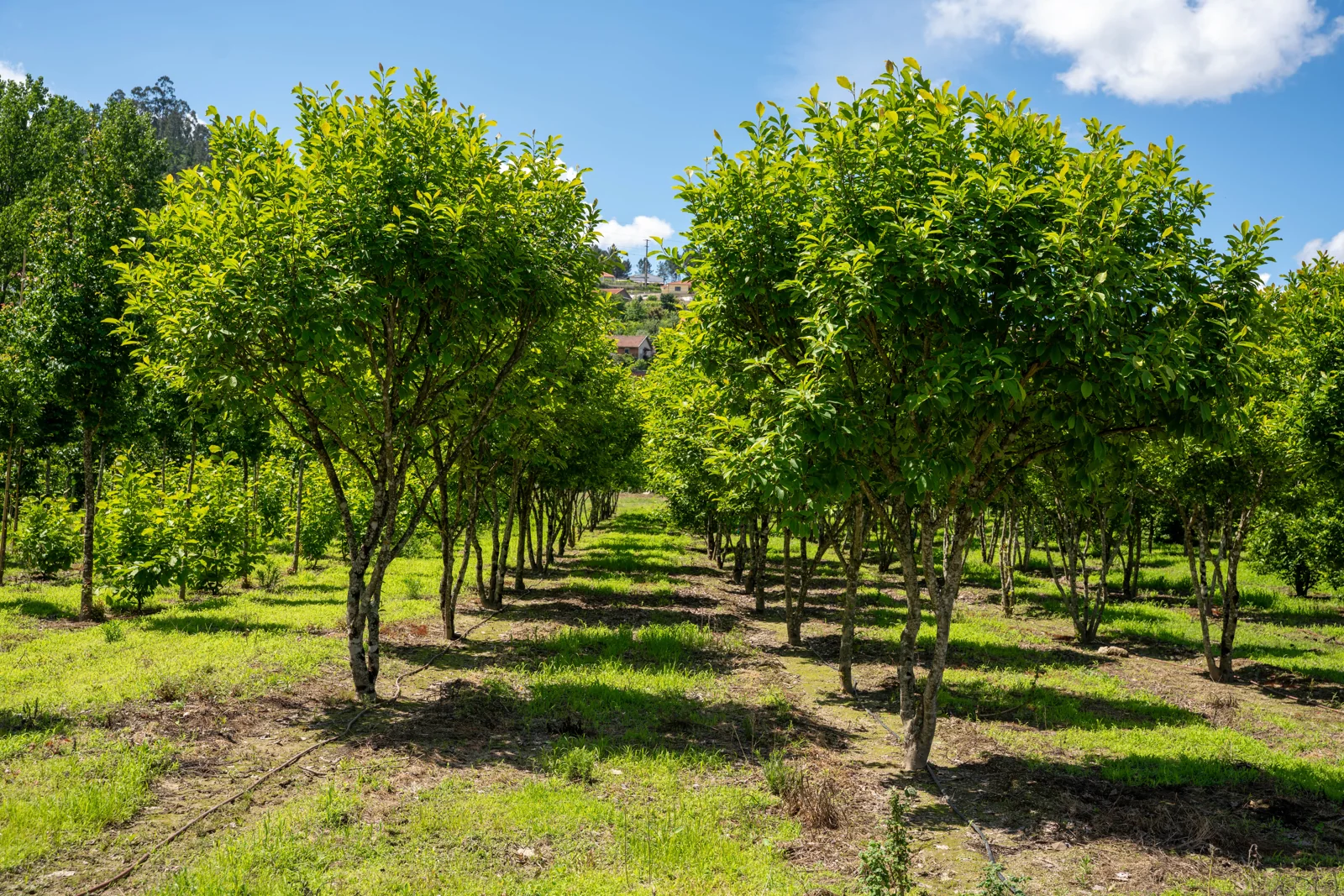
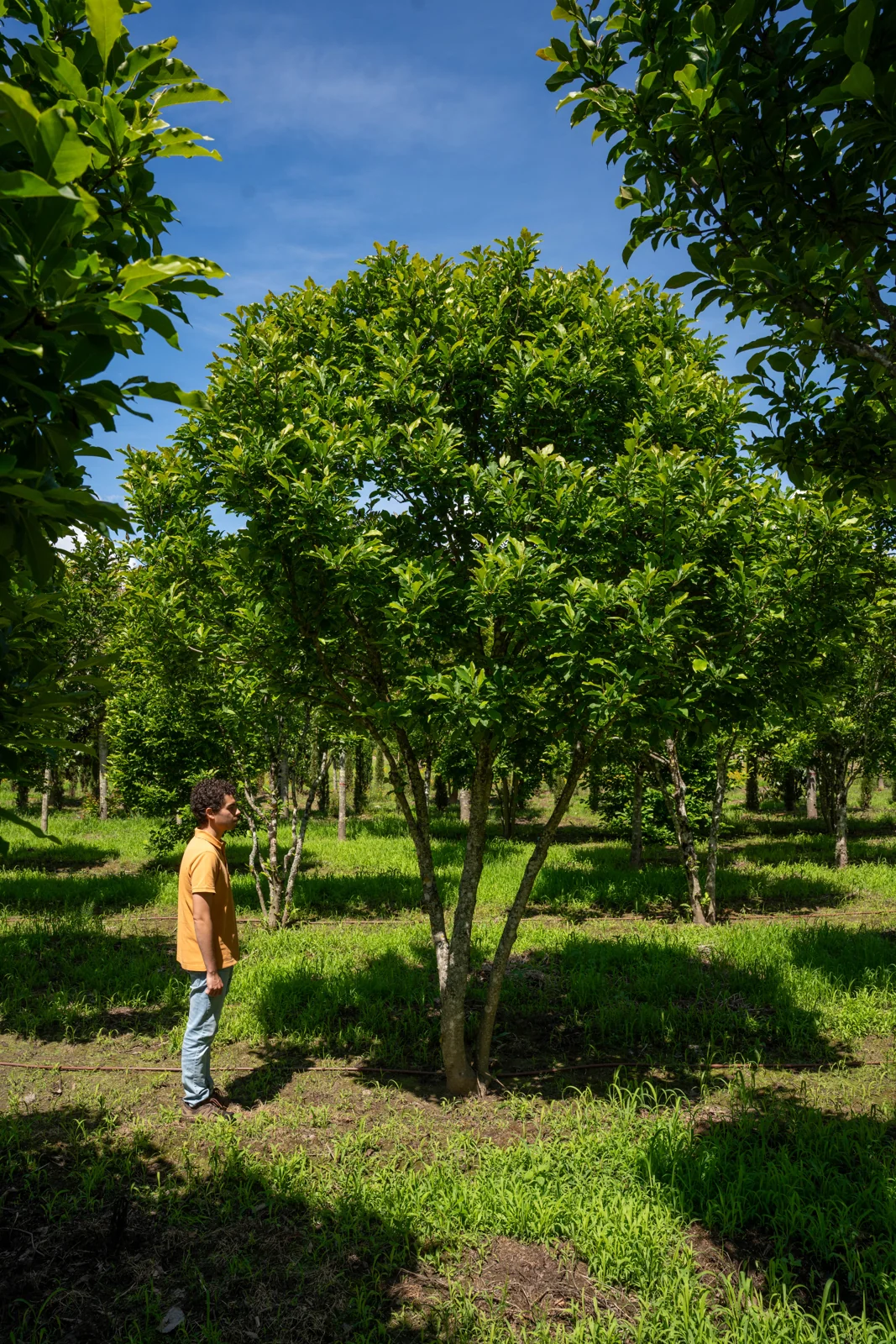
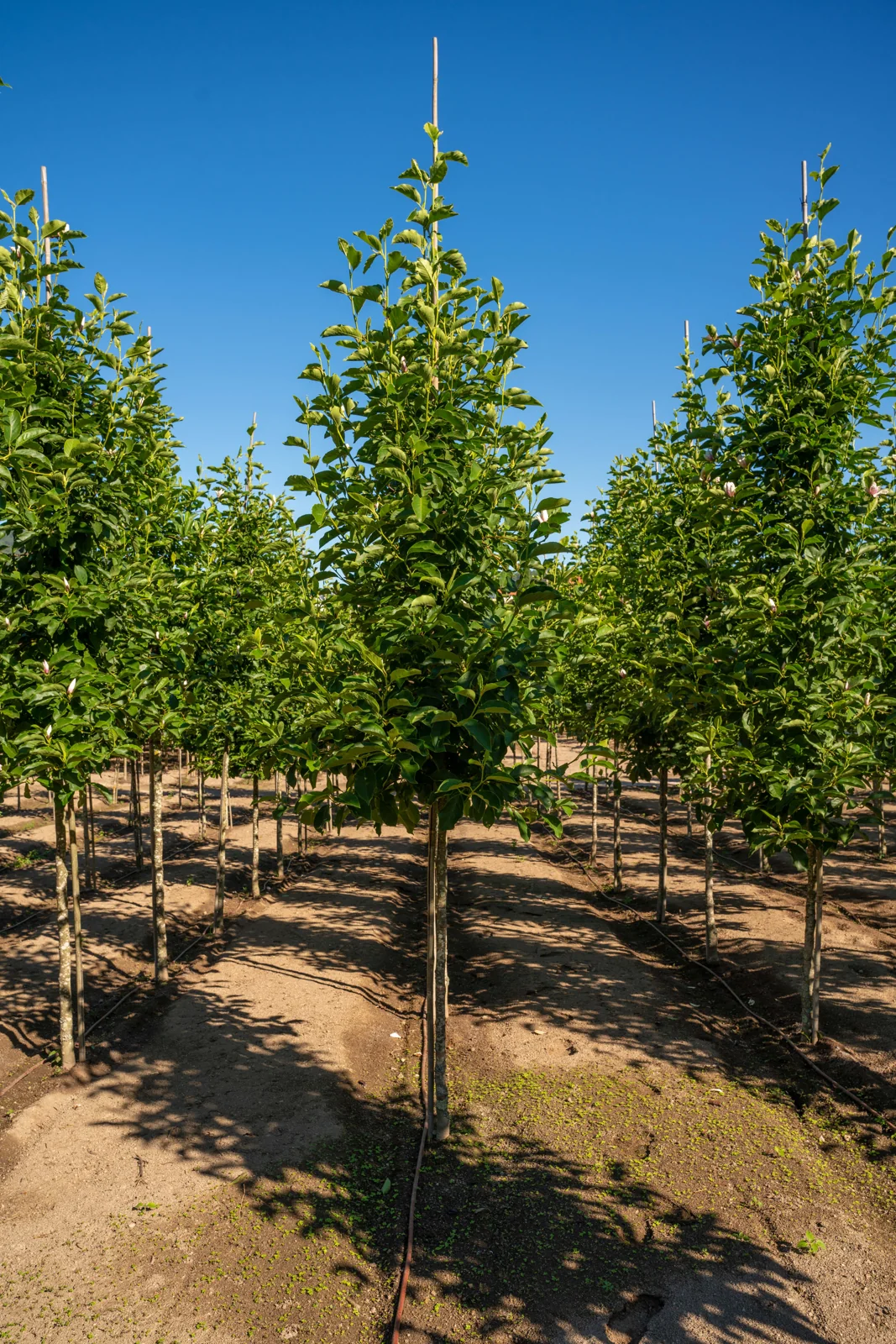
Grown as a multi-stemmed small tree, it reaches roughly 5 to 8 m in height and spread at maturity, building a rounded, wide crown. The broad habit develops as upright water shoots sag outward under their own weight and settle toward the horizontal over years, so the mature outline is wider than the young plant suggests. Growth is medium and the form reads…
Read more
Show less
Grown as a multi-stemmed small tree, it reaches roughly 5 to 8 m in height and spread at maturity, building a rounded, wide crown. The broad habit develops as upright water shoots sag outward under their own weight and settle toward the horizontal over years, so the mature outline is wider than the young plant suggests. Growth is medium and the form reads as a solitary focal specimen rather than a canopy or street tree.
The display is the reason to specify it: goblet-shaped flowers up to 10 cm long, white within and flushed pink to purple outside and slightly fragrant, opening in March and April on bare wood before the foliage emerges. The obovate leaves follow to around 20 cm, dark green and clean through summer, turning a quiet yellow-brown in autumn. Smooth grey bark gives modest winter structure in deciduous plantings.
The wood is reliably winter-hardy across most of temperate Europe, sound to roughly minus 25 degrees Celsius and below (USDA zone 4b to 9a), so cold range extends well into continental and Central European schemes, east to Poland and into the milder parts of southern Scandinavia. The true selection variable is spring frost: the tepals are disfigured by even light frost, so in sites prone to start-stop springs and late radiation frosts, later-flowering cultivars and a position that is not a frost pocket protect the display.
Drought tolerance is low, and this governs siting more than winter cold. The fleshy, shallow root system wants a moist, free-draining, acidic to neutral loam with organic matter, and resents thin dry chalk and prolonged summer drought; on lighter or drier ground, assured moisture through establishment and the first summers is needed. It is among the more wind-tolerant magnolias and regenerates strongly from the base after frost or pruning damage, which makes it forgiving where the bloom is occasionally caught.



Advice on this species
Want to know more about Magnolia x soulangeana?
Tell us about your project and we'll advise you on this species — where it thrives, which size makes sense, and what to expect once planted.
- Produção própria
- Exemplares adultos
- Resposta em 1–2 dias
Sem compromisso · orçamento personalizado