

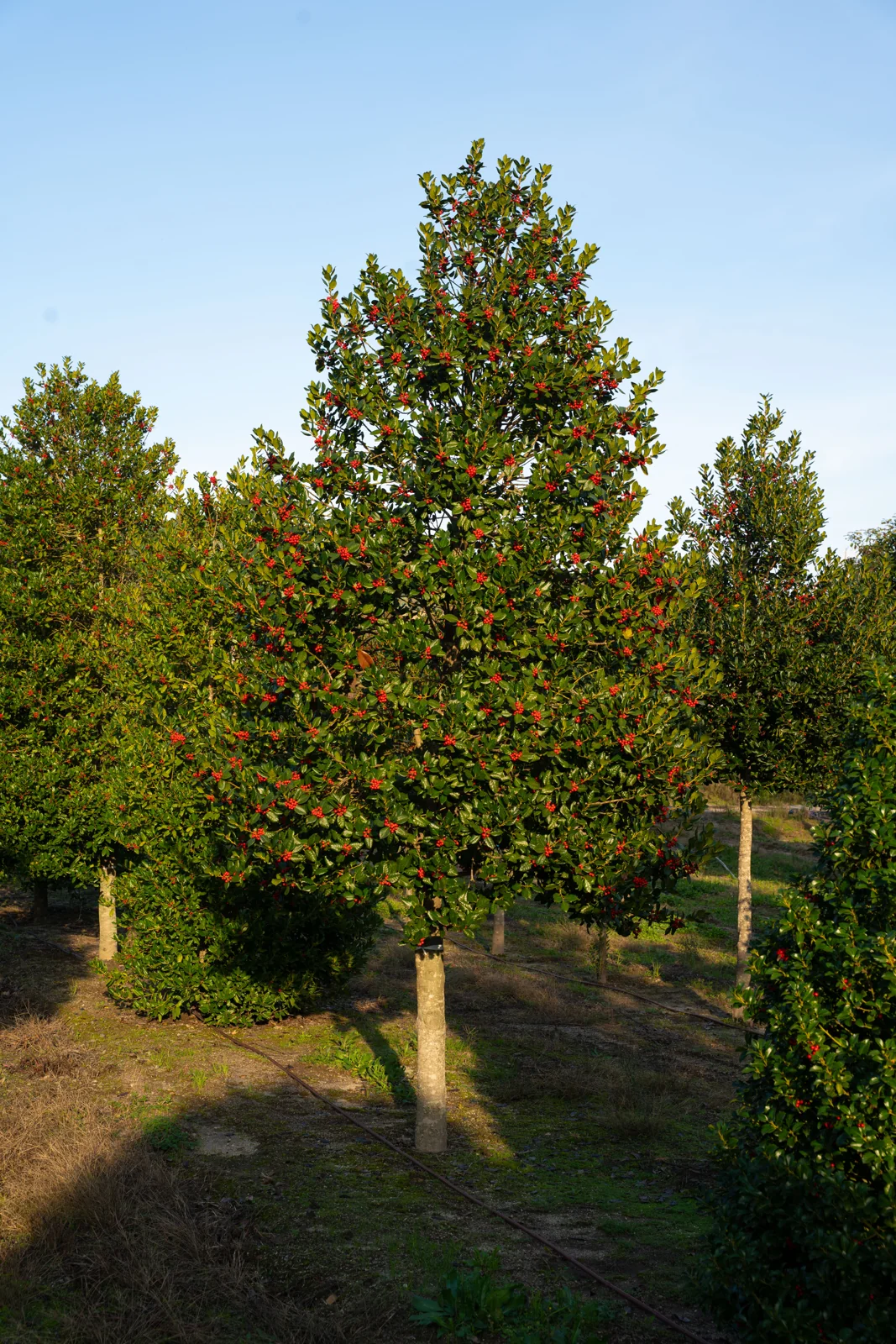
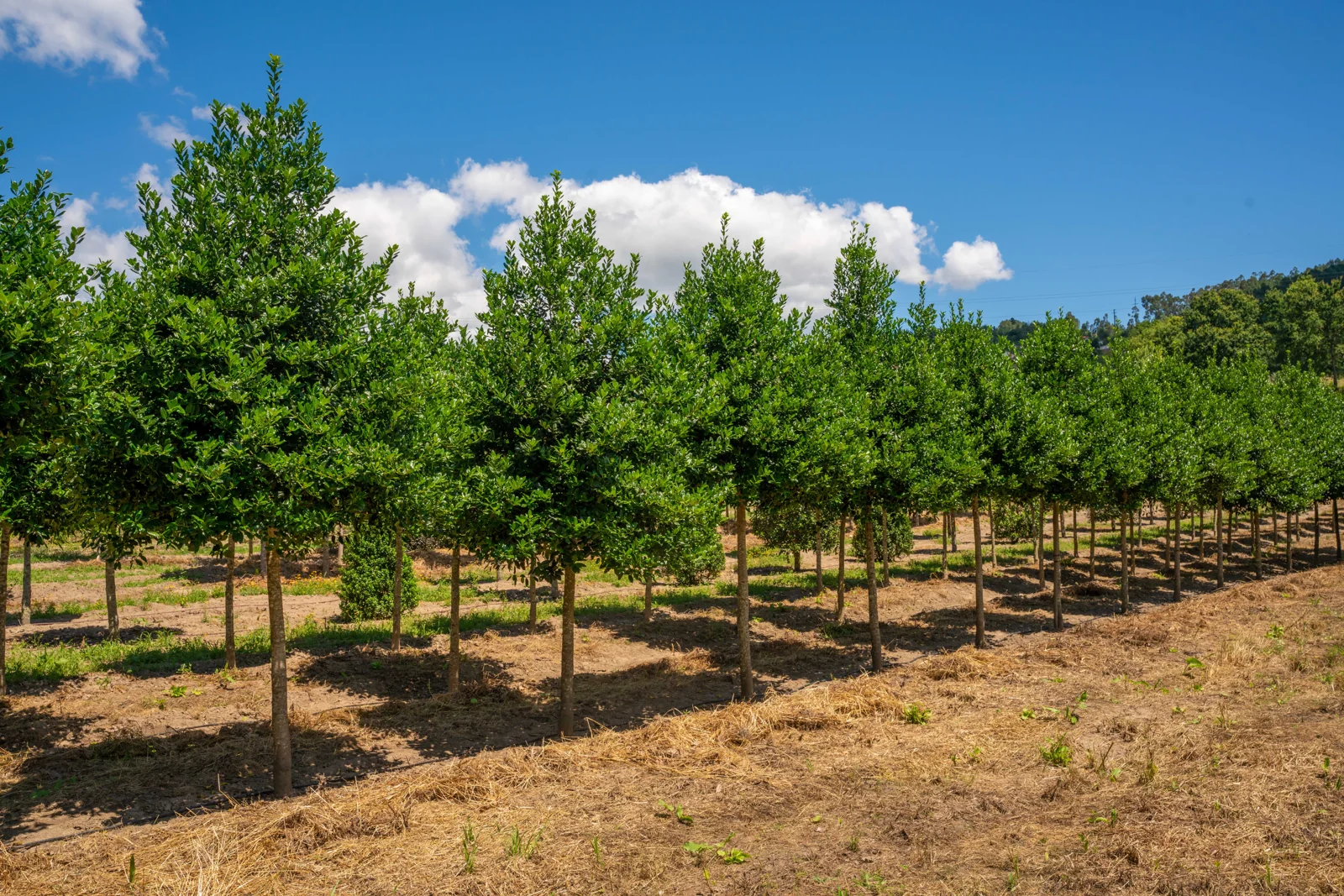
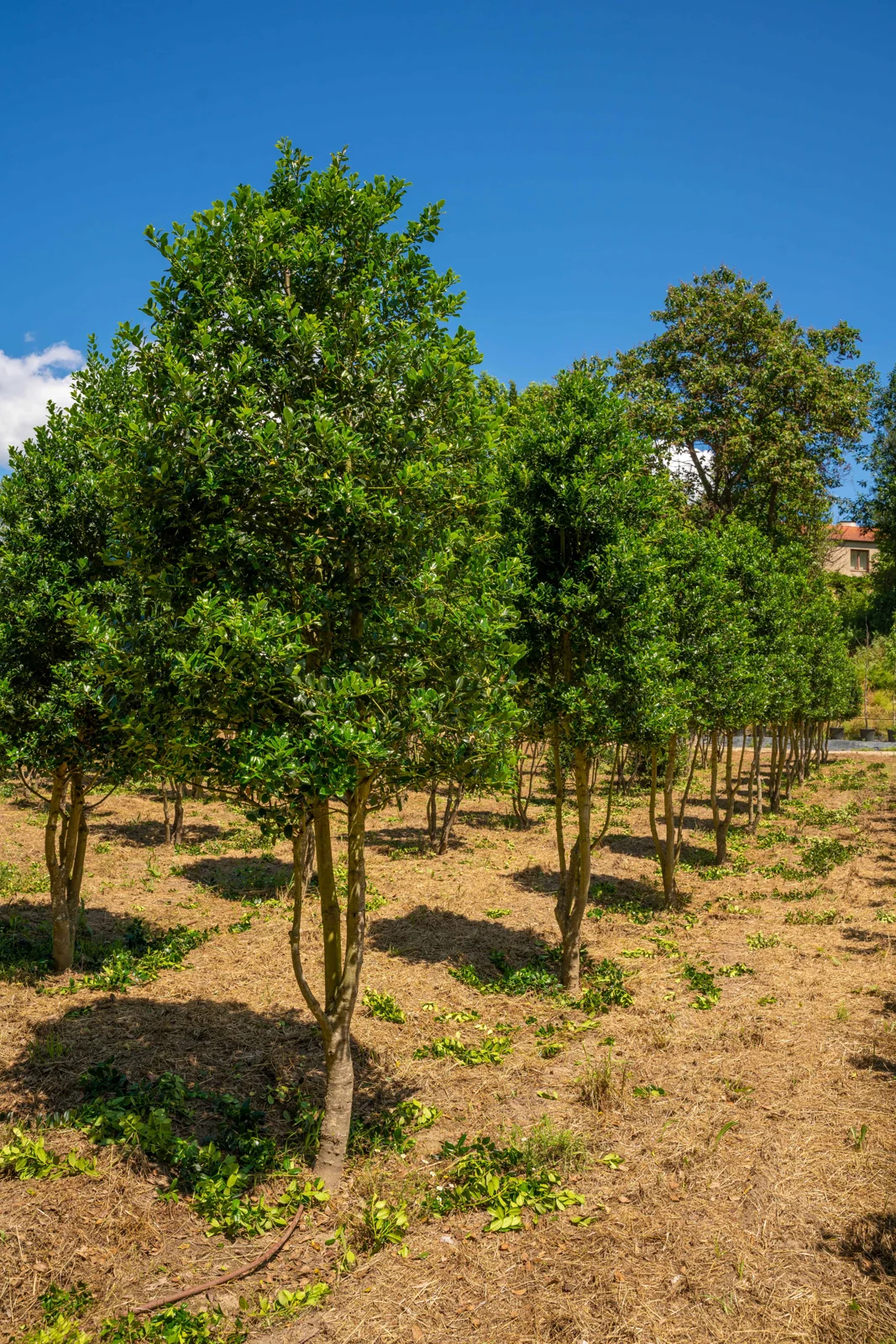
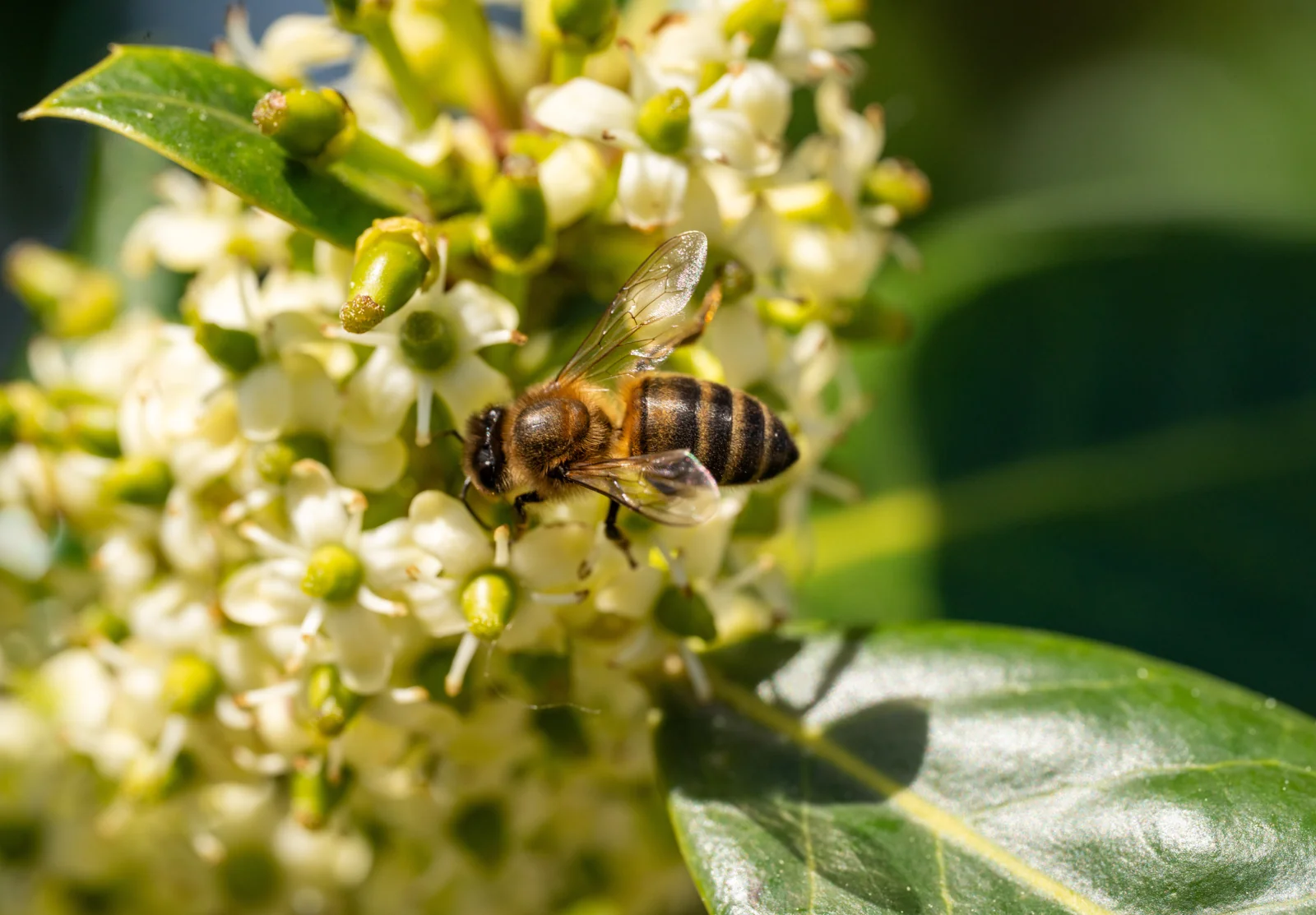
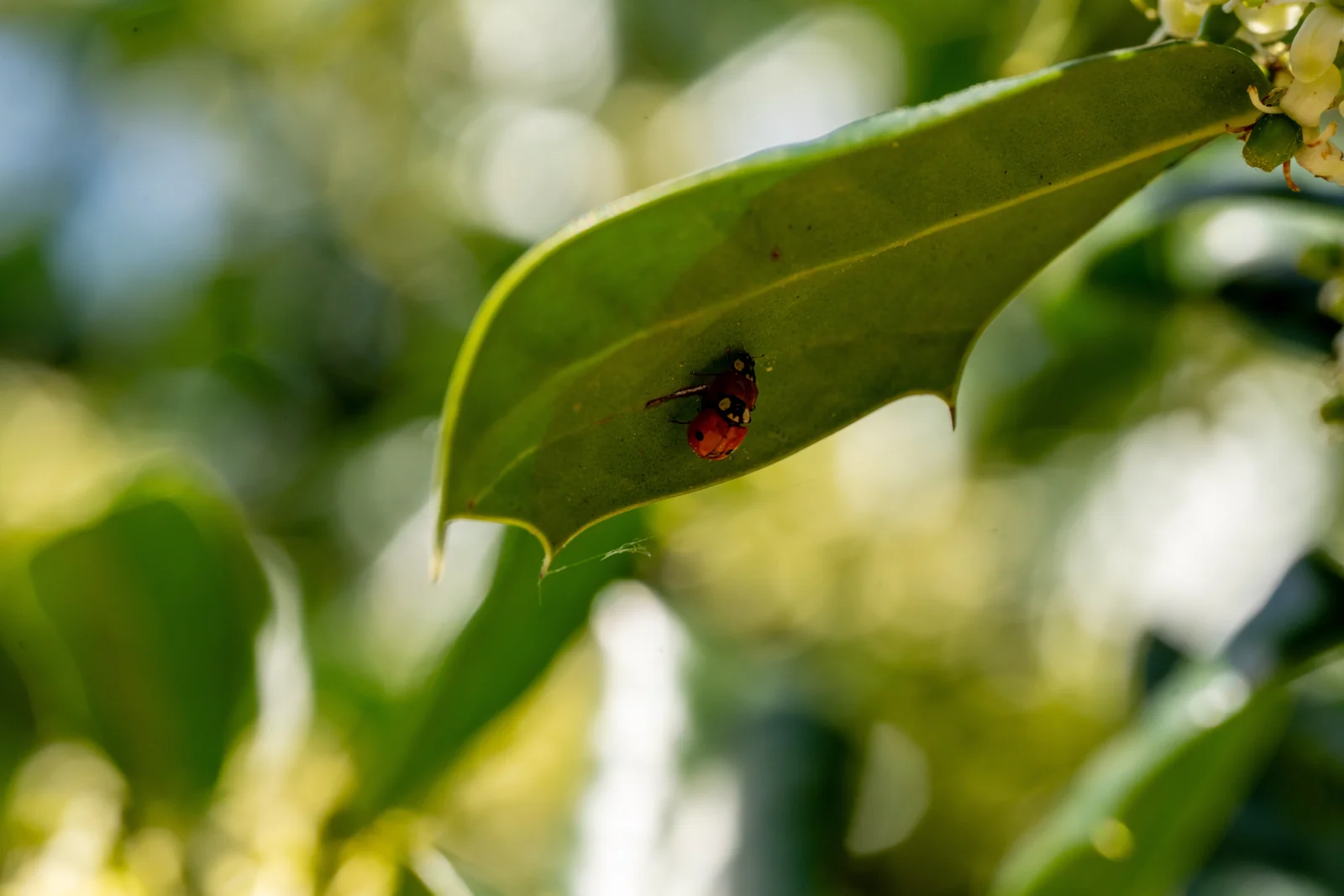
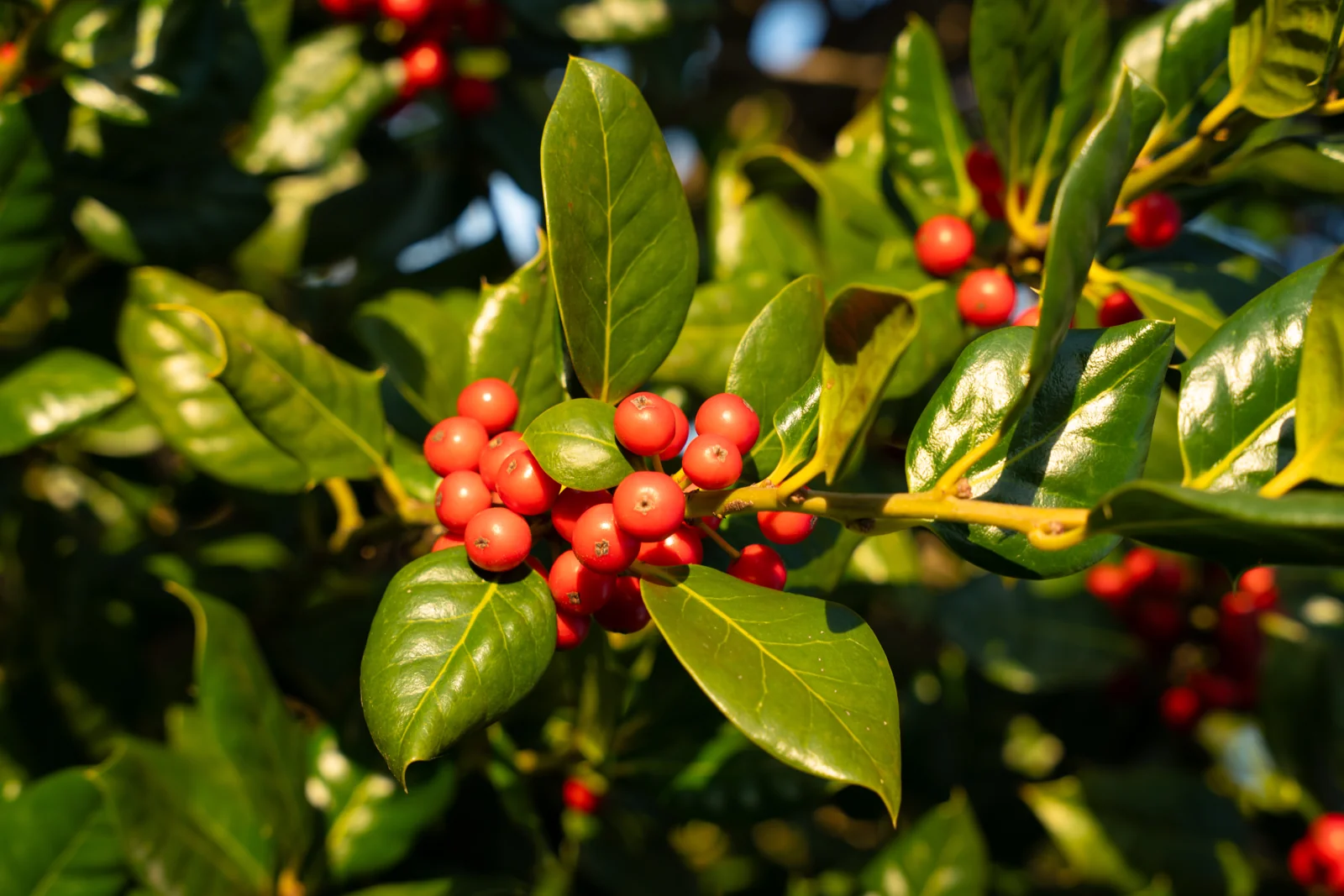
Dense evergreen holly with heavy persistent red fruit
Mutchagara Holly ‘Nellie R. Stevens’ · Ilex mutchagara ‘Nellie R. Stevens’
A dense, pyramidal evergreen broadleaf carrying reliable heavy red fruit through winter, specified across European projects requiring year-round mass, structured silhouette, and adaptability over a wide hardiness envelope.
Key Facts
About this Cultivar
This cultivar reaches 4 to 6 m in height and 3 to 5 m in spread at maturity, holding a tight pyramidal habit with glossy dark green leaves carrying lightly spined margins. Growth is moderate; the dense leaf mass remains structured year-round, giving a more uniform pyramidal silhouette than Ilex aquifolium and a heavier crop than the widely-specified…
Read more
Show less
This cultivar reaches 4 to 6 m in height and 3 to 5 m in spread at maturity, holding a tight pyramidal habit with glossy dark green leaves carrying lightly spined margins. Growth is moderate; the dense leaf mass remains structured year-round, giving a more uniform pyramidal silhouette than Ilex aquifolium and a heavier crop than the widely-specified dense-fruiting clone 'J.C. van Tol'.
The climate envelope spans USDA zones 6a to 9b, approximately minus 23 to minus 3.9 °C winter minima, which covers the Atlantic façade, the maritime fringes of north-west Europe, the Po valley, the Pannonian basin, and into central and eastern continental zones at the colder limit. Reliable in zone 7 and warmer; in zone 6 sites and exposed continental positions, plant with shelter from desiccating winter wind and assured drainage. Not a substitute for Ilex × meserveae where minima fall below minus 25 °C.
Heat tolerance is moderate and the cultivar holds form through prolonged summer maxima above 35 °C provided root depth is adequate, making it specifiable from Mediterranean coastlines through into continental summer regimes. Drought tolerance is moderate once established rather than absolute; in regions with summer rainfall below 500 mm, supplementary irrigation through the establishment phase is prudent.
Soil adaptability is broad: acidic, alkaline, sandy, and clay substrates are all tolerated, with the single non-negotiable being adequate drainage. The cultivar accepts full sun to partial shade and tolerates urban atmospheres, which positions it as a heavier-fruiting, more vertical alternative to dense Photinia screens and broadleaf Magnolia hedging in framework planting.
Applications include tall evergreen screens, structural framework planting, and standalone specimen use in parks, estate landscapes, and resort and hospitality schemes. The heavy red fruit, persistent from December through February, carries the planting through the visually quietest months and supports overwintering bird populations across the broader European urban-tree palette.
Advice on this species
Want to know more about Ilex mutchagara 'Nellie R. Stevens'?
Tell us about your project and we'll advise you on this species — where it thrives, which size makes sense, and what to expect once planted.
- Produção própria
- Exemplares adultos
- Resposta em 1–2 dias
Sem compromisso · orçamento personalizado