

Cool-temperate flowering specimen, anthracnose-resistant alternative to Cornus florida
Japanese Dogwood ‘Chinensis’ · Cornus kousa ‘Chinensis’
A small to medium deciduous tree for specimen and group planting across cool-temperate Europe, where summers are moderate and soils acidic to neutral. Hardy across most of the continent and at its best where summers stay cool and moist.
About this Cultivar
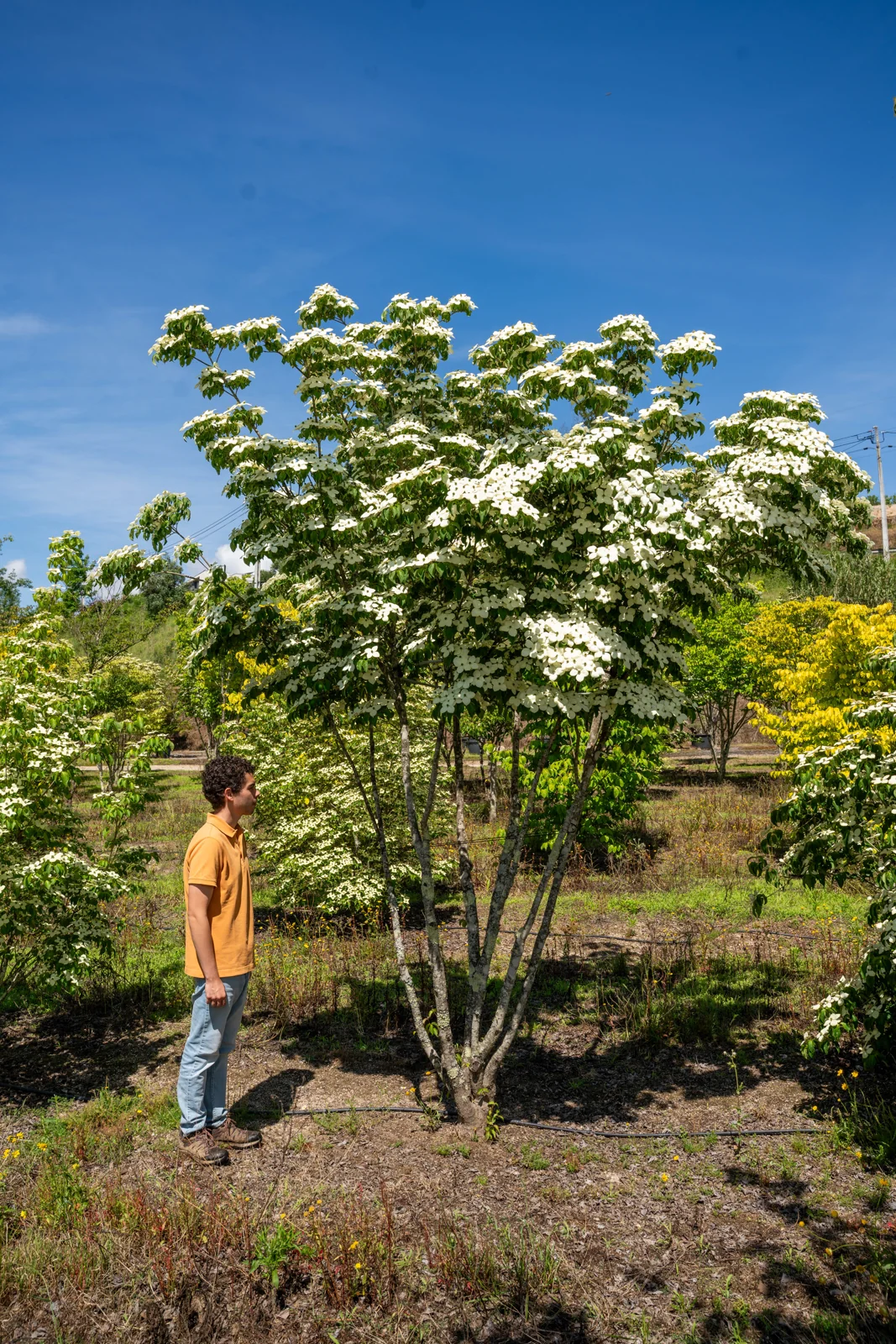
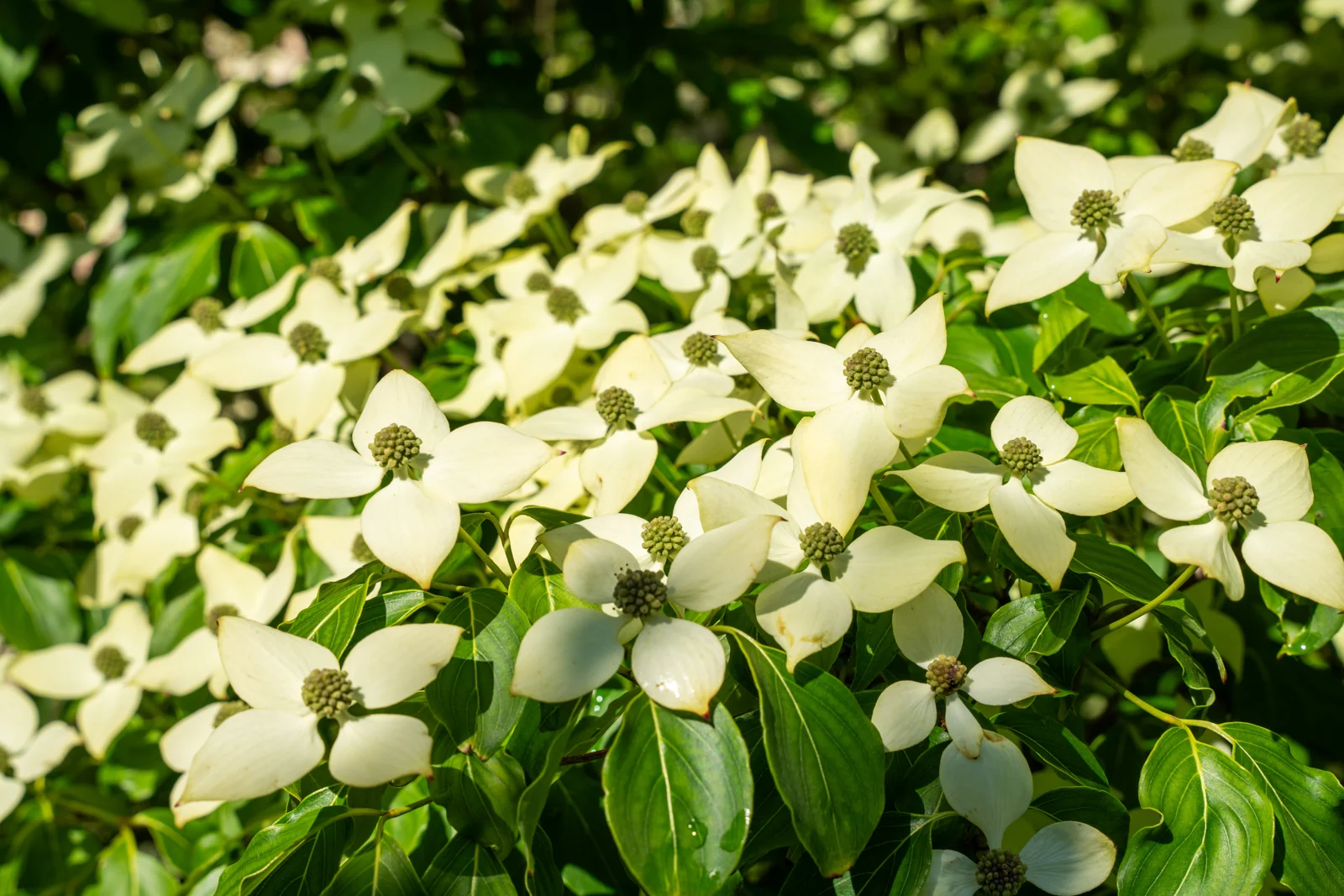
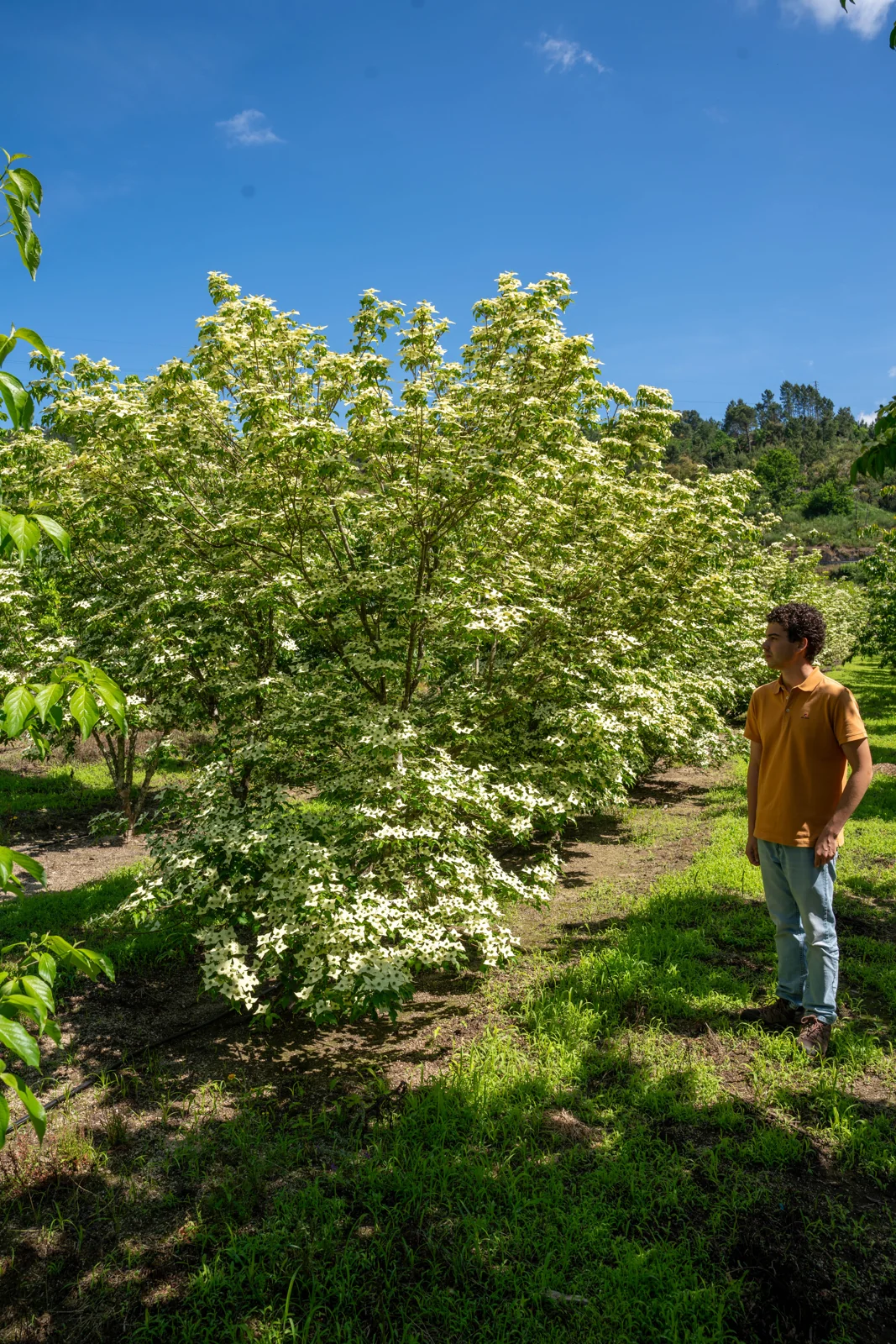
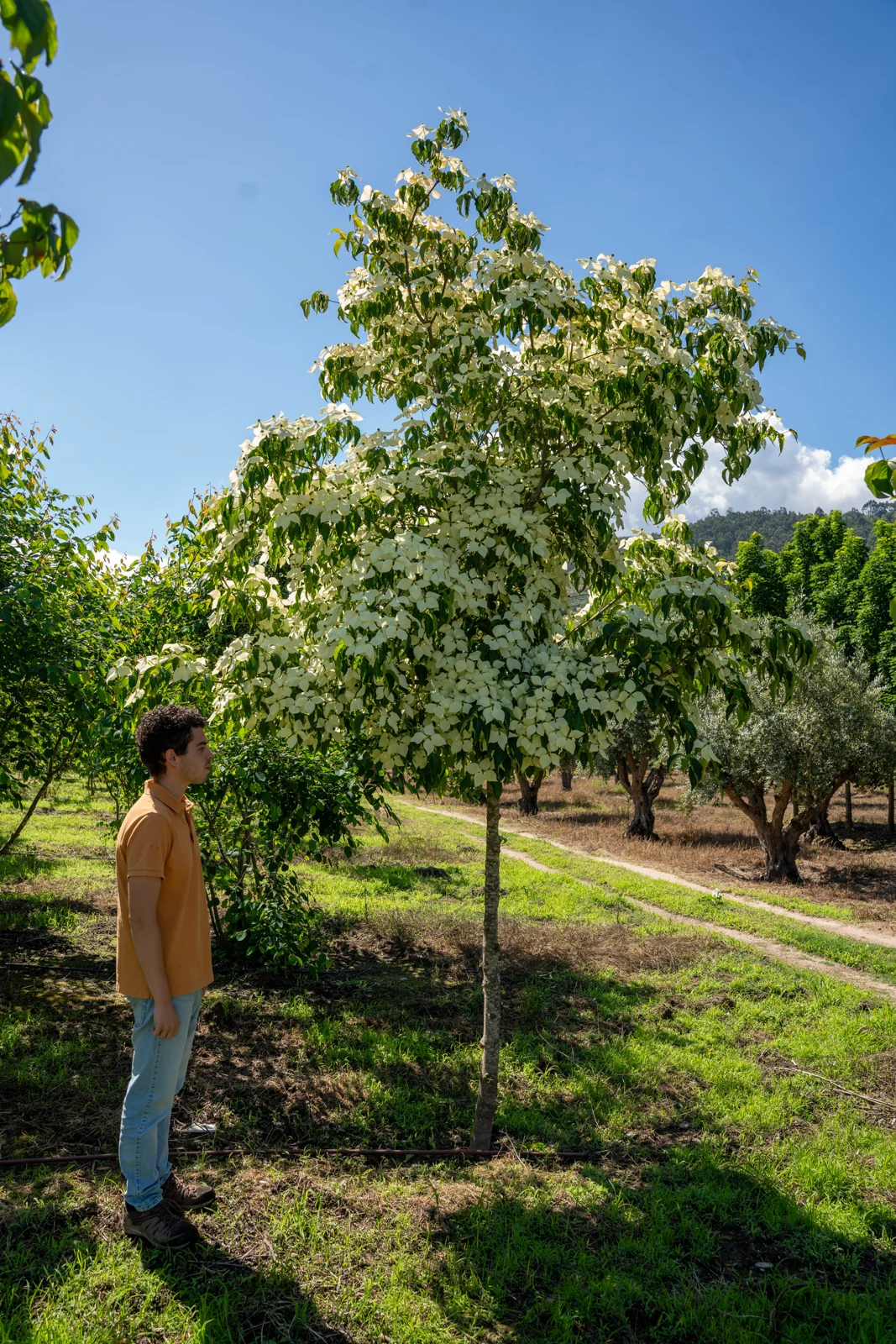
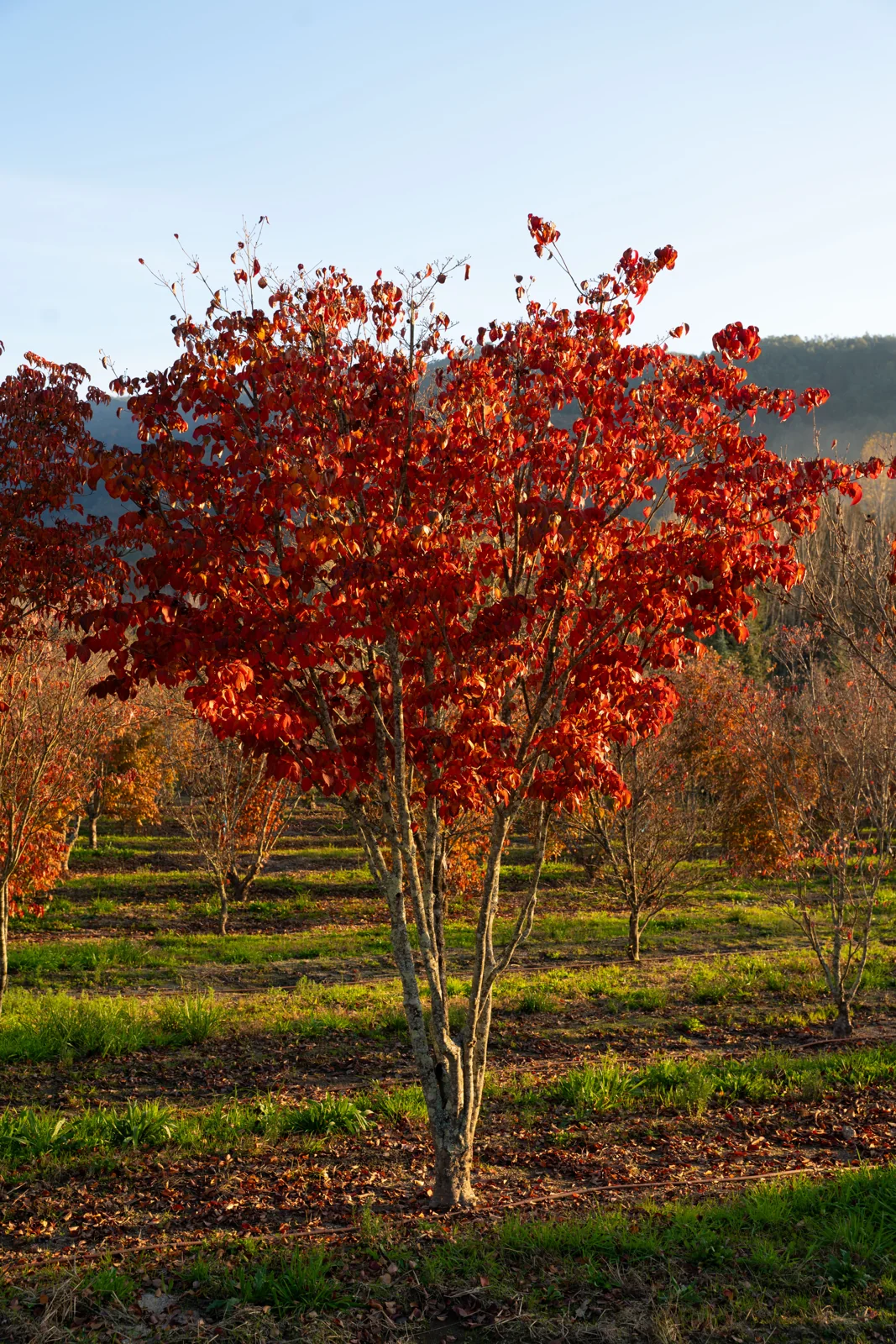
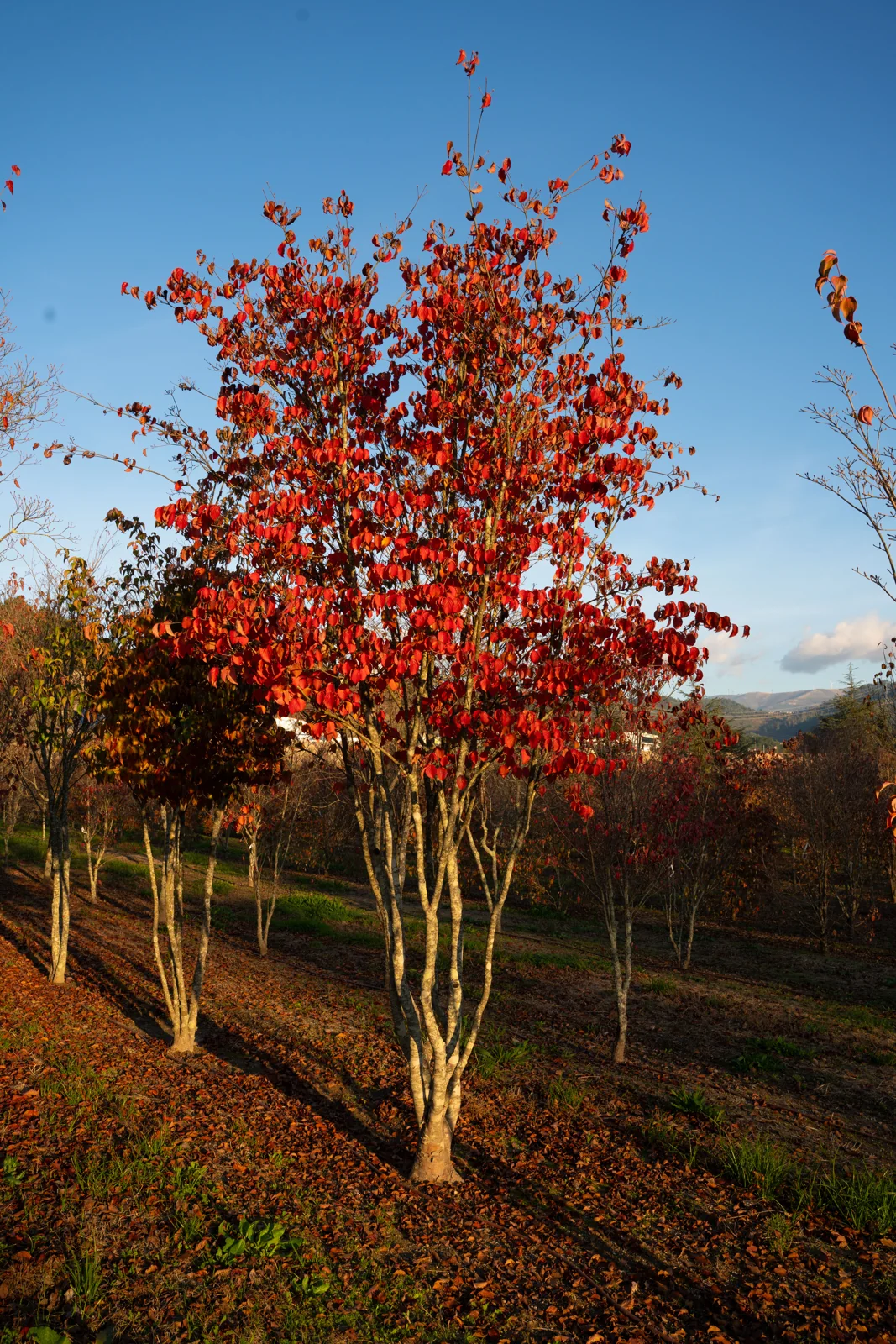
Cornus kousa 'Chinensis' reaches 6 to 9 metres in height and 5 to 10 metres in spread, building a rounded crown with markedly horizontal branching. The four white bracts surrounding each true flower open after the leaves have expanded, in late spring to early summer depending on latitude, and persist for several weeks. Scarlet, globose, strawberry-like…
Read more
Show less
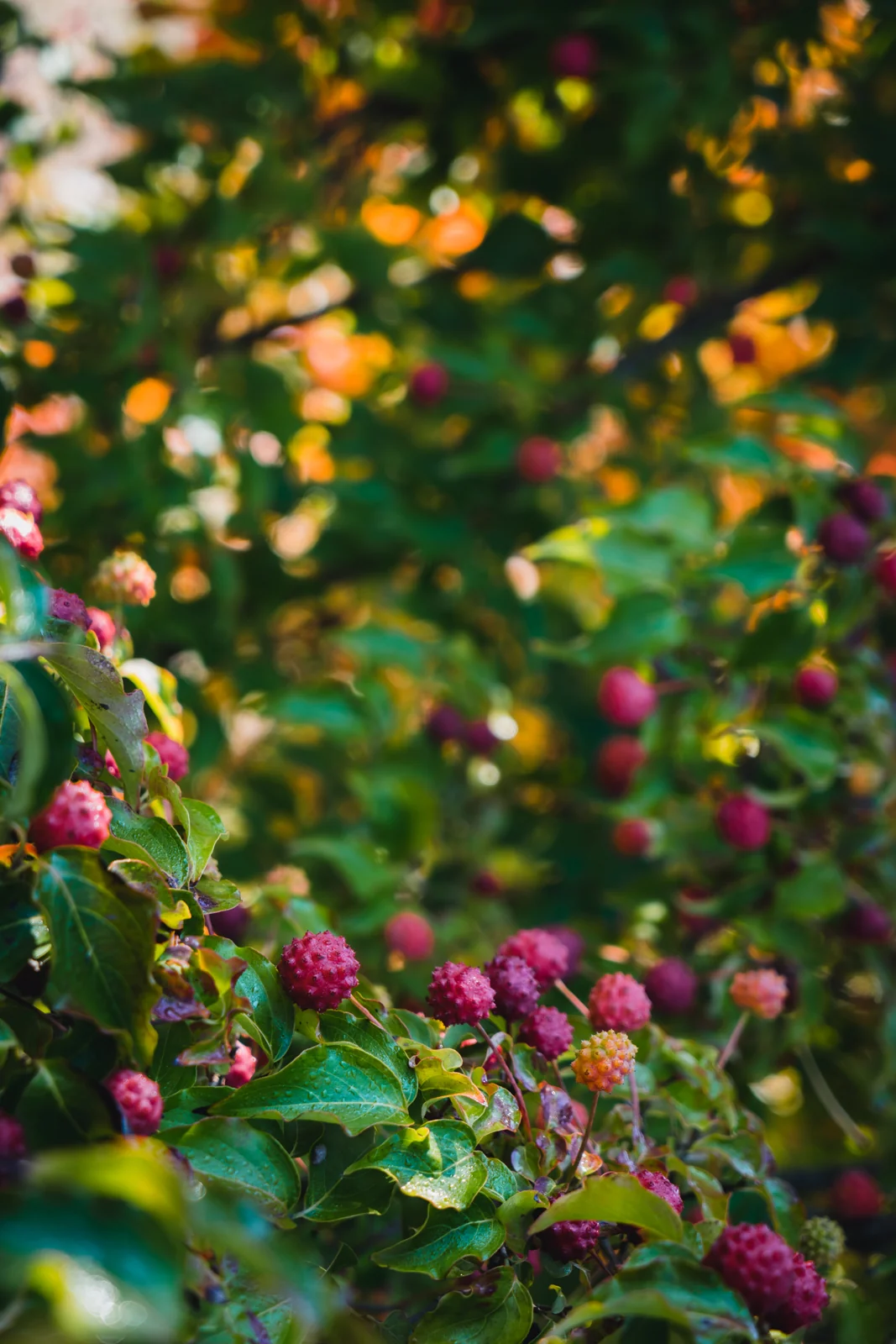
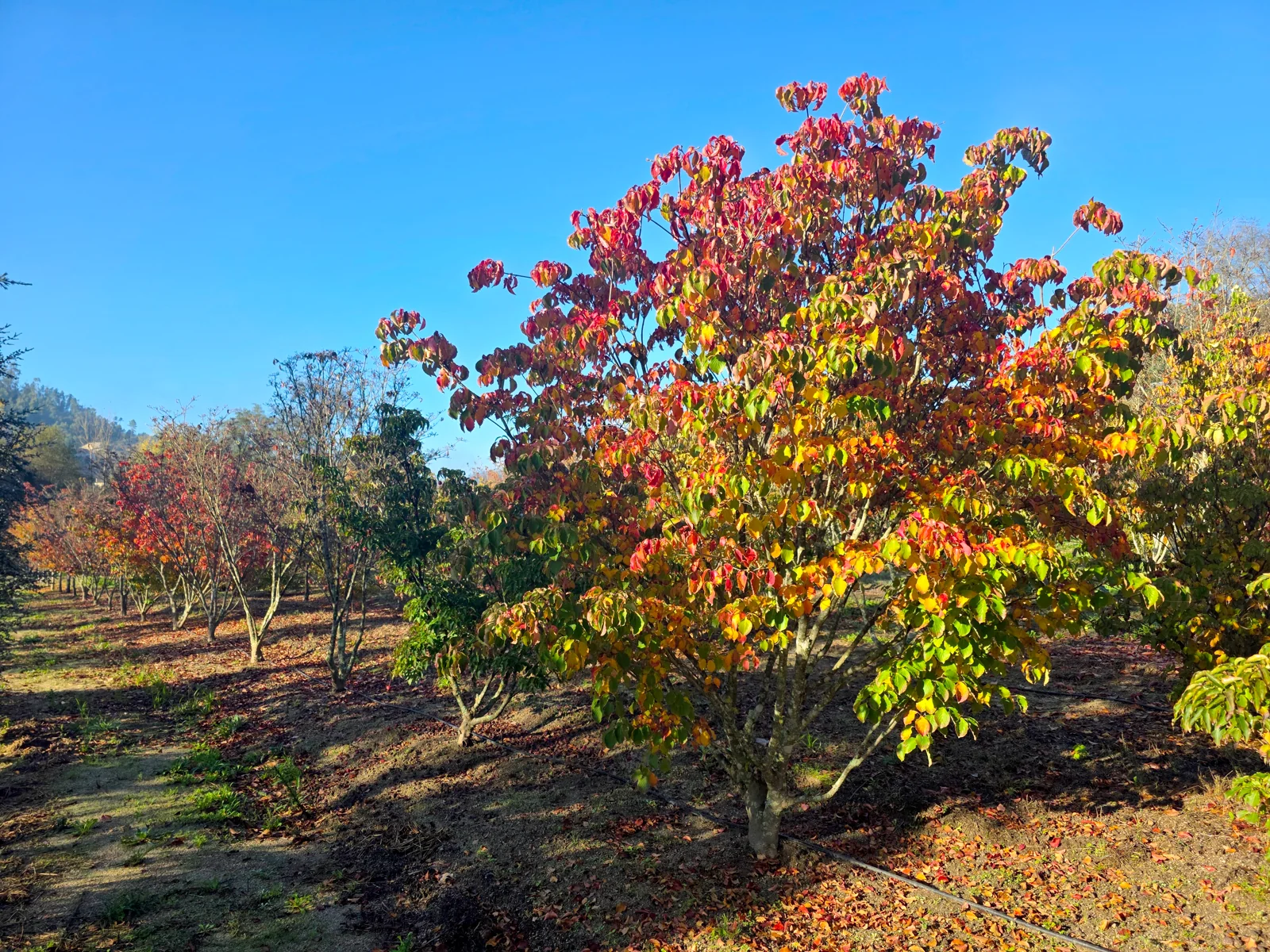
Cornus kousa 'Chinensis' reaches 6 to 9 metres in height and 5 to 10 metres in spread, building a rounded crown with markedly horizontal branching. The four white bracts surrounding each true flower open after the leaves have expanded, in late spring to early summer depending on latitude, and persist for several weeks. Scarlet, globose, strawberry-like fruit follow in late summer and feed birds; foliage turns through red, purple and orange in autumn.
Hardiness extends from USDA zone 5a to 8b, equivalent to reliable performance down to roughly minus 25 to minus 28 °C at the cold limit. This places the cultivar comfortably across the Atlantic seaboard, the Low Countries, the British Isles, the Po valley, much of Central Europe, southern Scandinavia and the warmer Baltic margin. Eastern continental sites in zone 5b and colder will see late-frost damage to early growth; very exposed positions in coastal Scandinavia or upland Britain benefit from shelter.
The practical limits sit at the warm and dry end. Heat tolerance is moderate and salt tolerance is low, so prolonged Mediterranean summer maxima above 35 °C combined with shallow or alkaline soils cause stress. Across Iberia, southern Italy, the Aegean and the Adriatic interior, performance is reliable only on cooler, irrigated sites with acidic to neutral, well-drained substrate. North of a line through Lyon and Vienna it behaves as a routine specimen tree; south of it, specification should be conditional on site water and soil chemistry.
Soil preference is for fertile, moisture-retentive, acidic to neutral ground with assured drainage. Growth is slow to moderate, anthracnose resistance is markedly better than Cornus florida, and pest pressure under normal European conditions is low. Use as a single specimen, in informal groups, or as a structural component of woodland-edge schemes where four-season interest, modest stature and pollinator value are specification drivers.
Advice on this species
Want to know more about Cornus kousa 'Chinensis'?
Tell us about your project and we'll advise you on this species — where it thrives, which size makes sense, and what to expect once planted.
- Produção própria
- Exemplares adultos
- Resposta em 1–2 dias
Sem compromisso · orçamento personalizado