

Four-season multi-stem for cool-temperate European schemes
Juneberry · Amelanchier lamarckii
A small multi-stem feature tree of hybrid origin, naturalised across northwestern Europe and reliably hardy across the continental temperate range. Specified for residential infill, courtyards, education campuses, and retail forecourts where year-round ornamental load matters.
About this Species
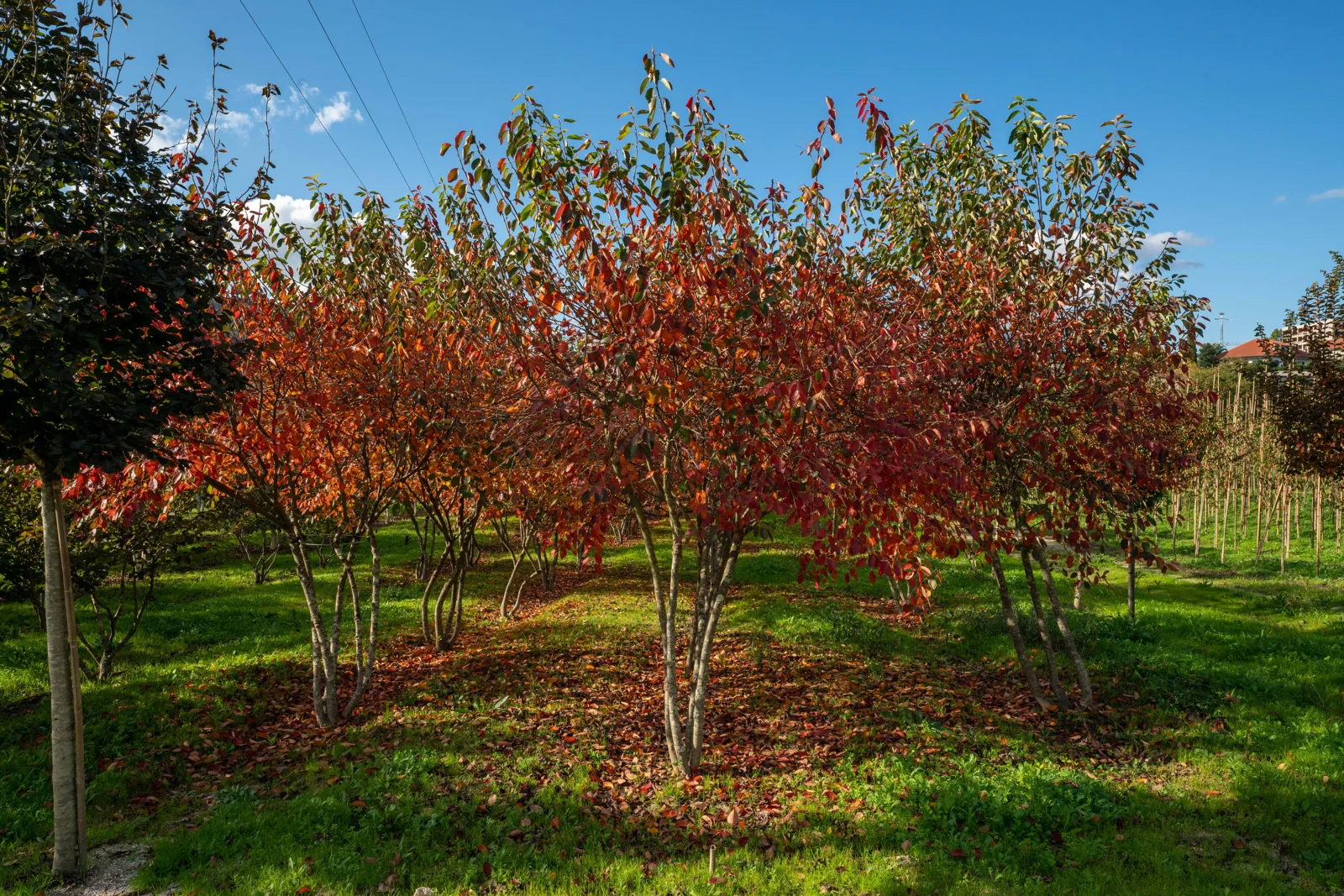
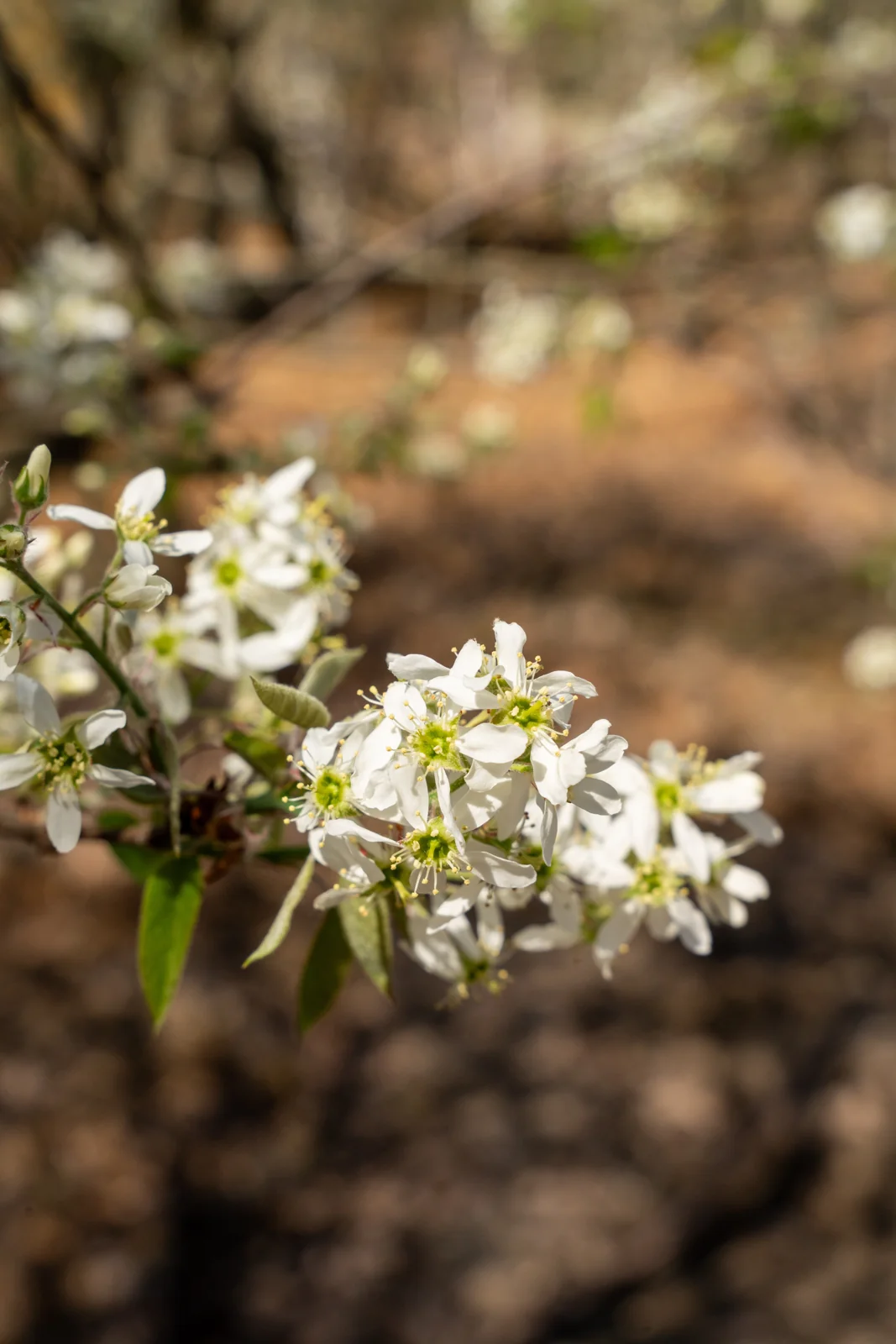
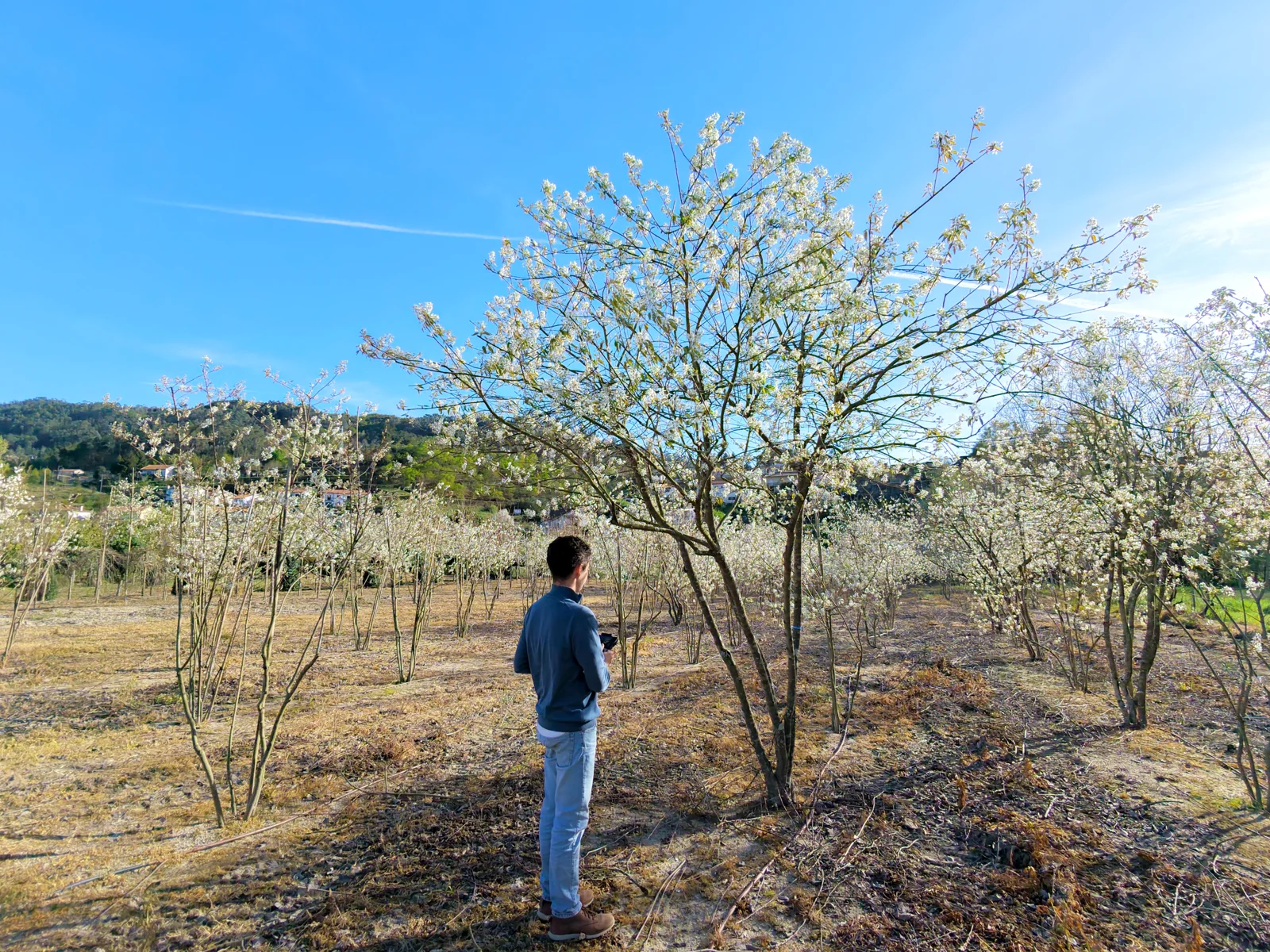
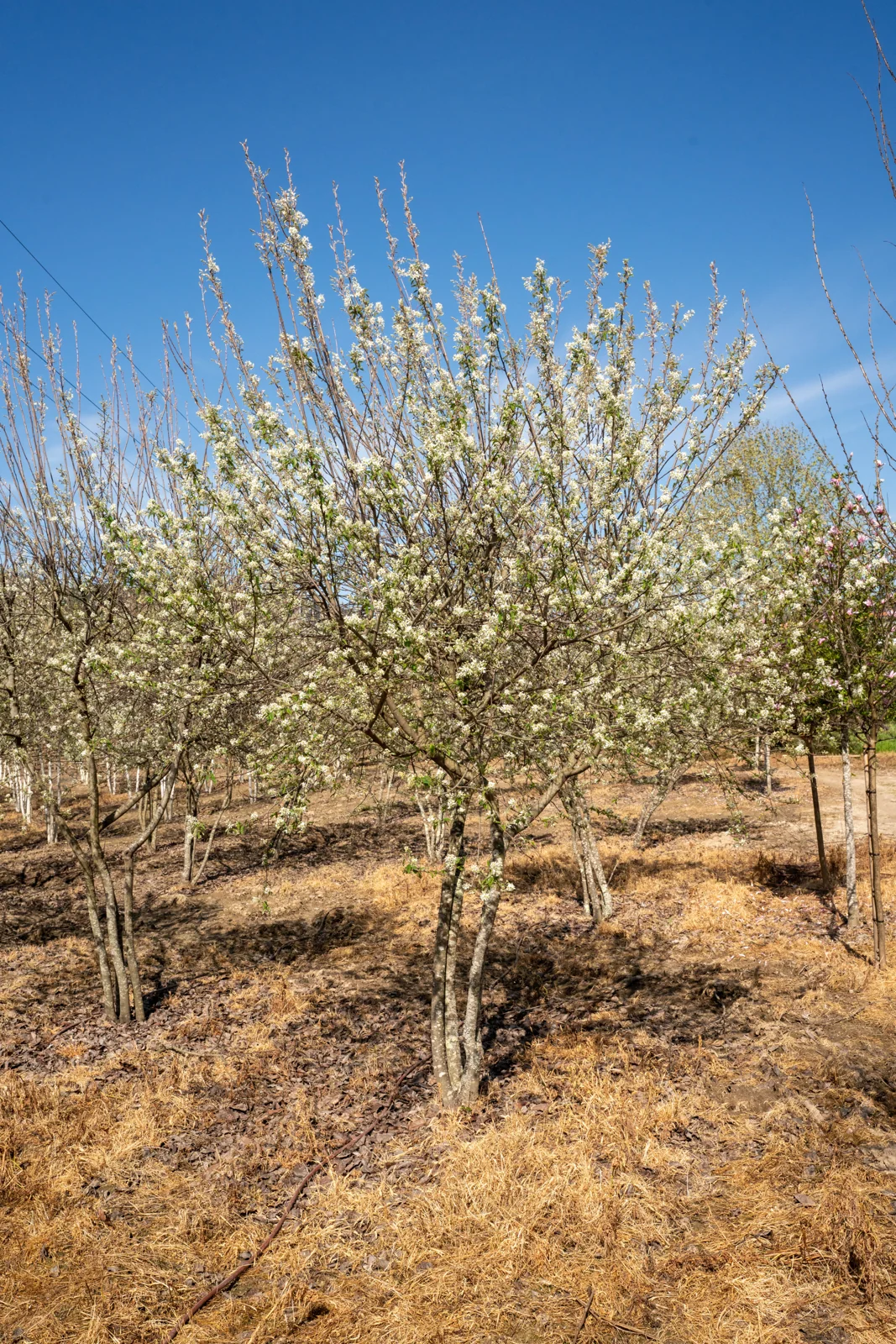
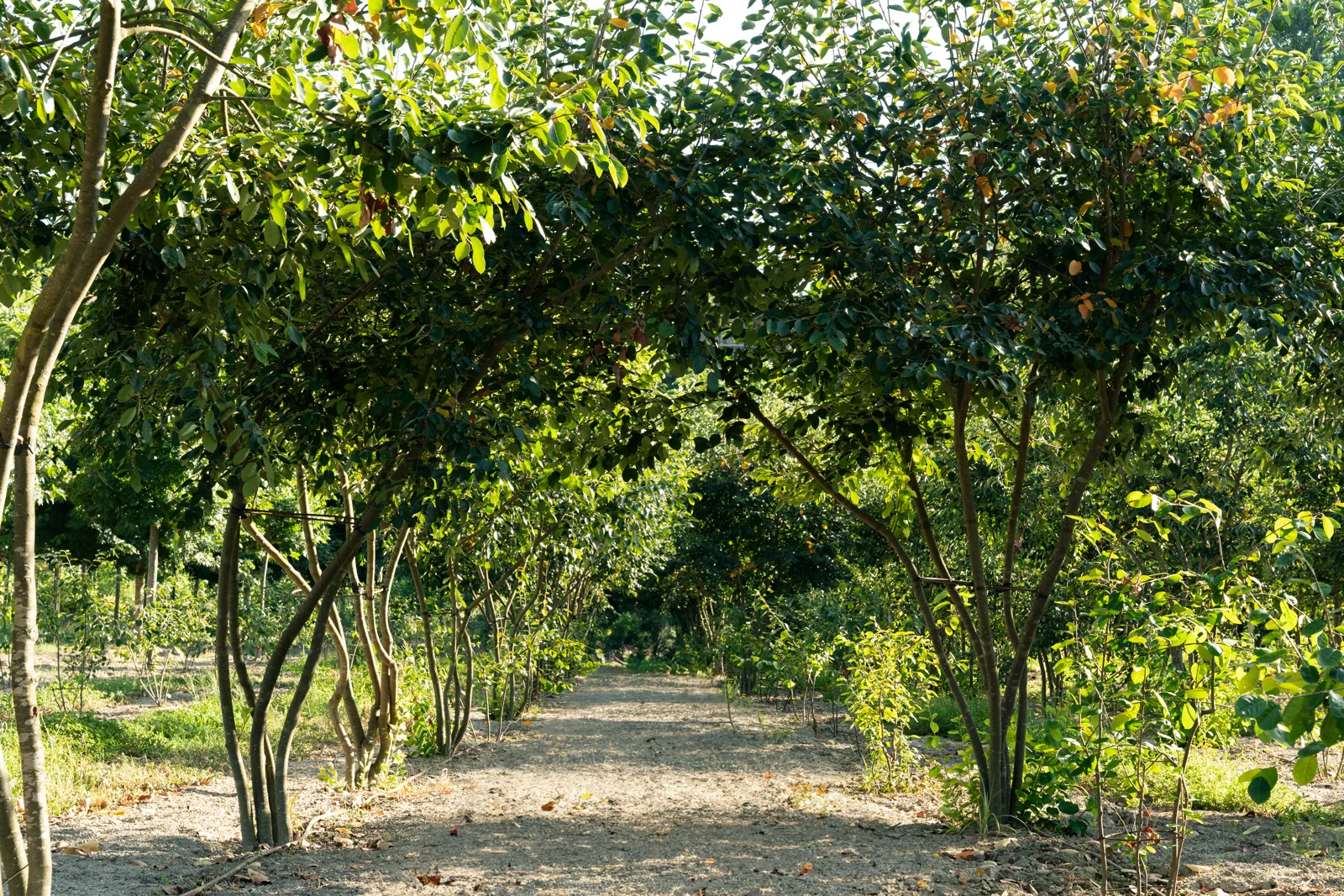
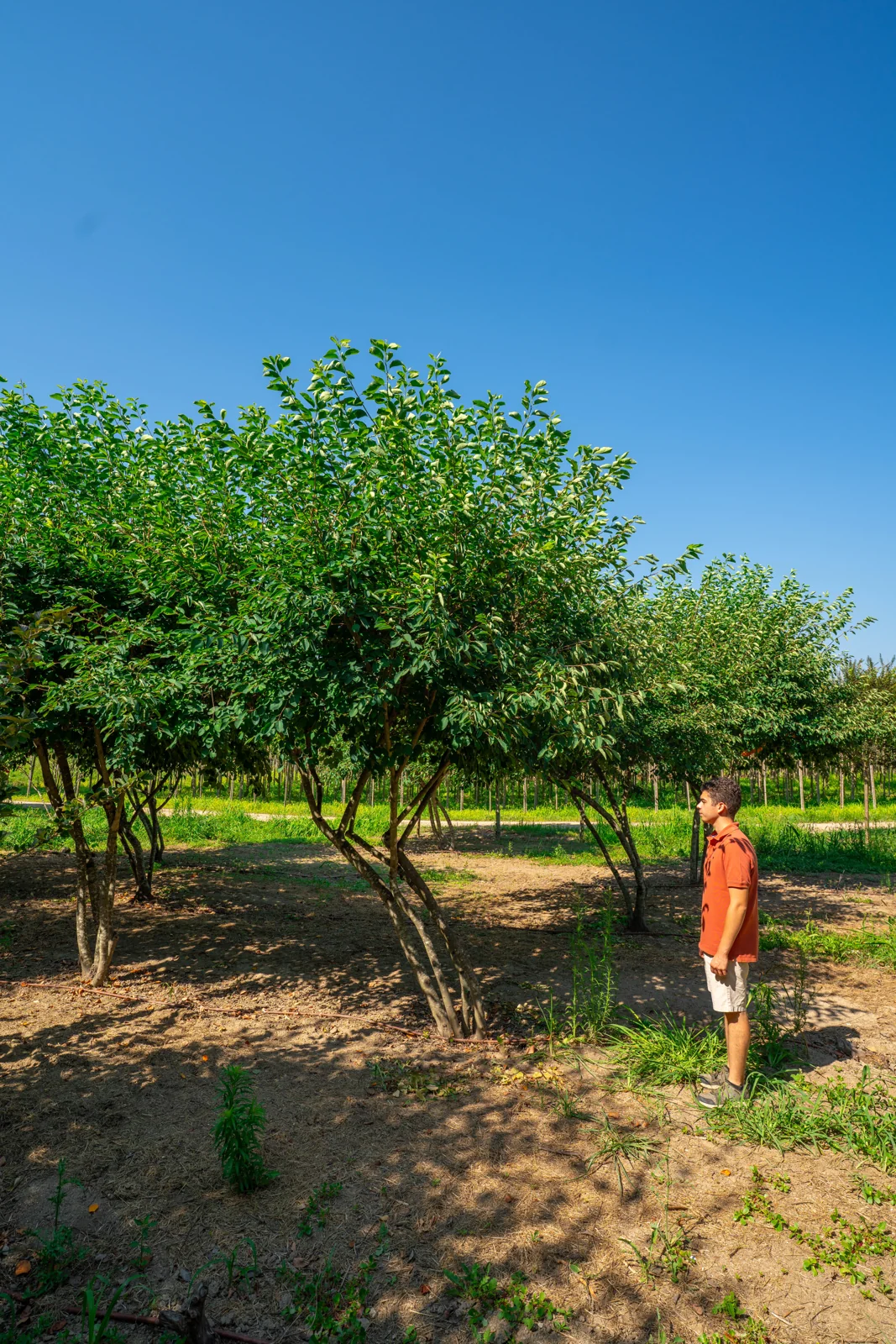
Amelanchier lamarckii is a hybrid of A. arborea and A. laevis, long naturalised across the Benelux, Britain, Scandinavia, and the cool central European belt. It reaches 6 to 10 m at maturity with a 4 to 8 m spread, typically presented as a multi-stem with three to five clean leaders. Four distinct ornamental phases follow each other through the year:…
Read more
Show less
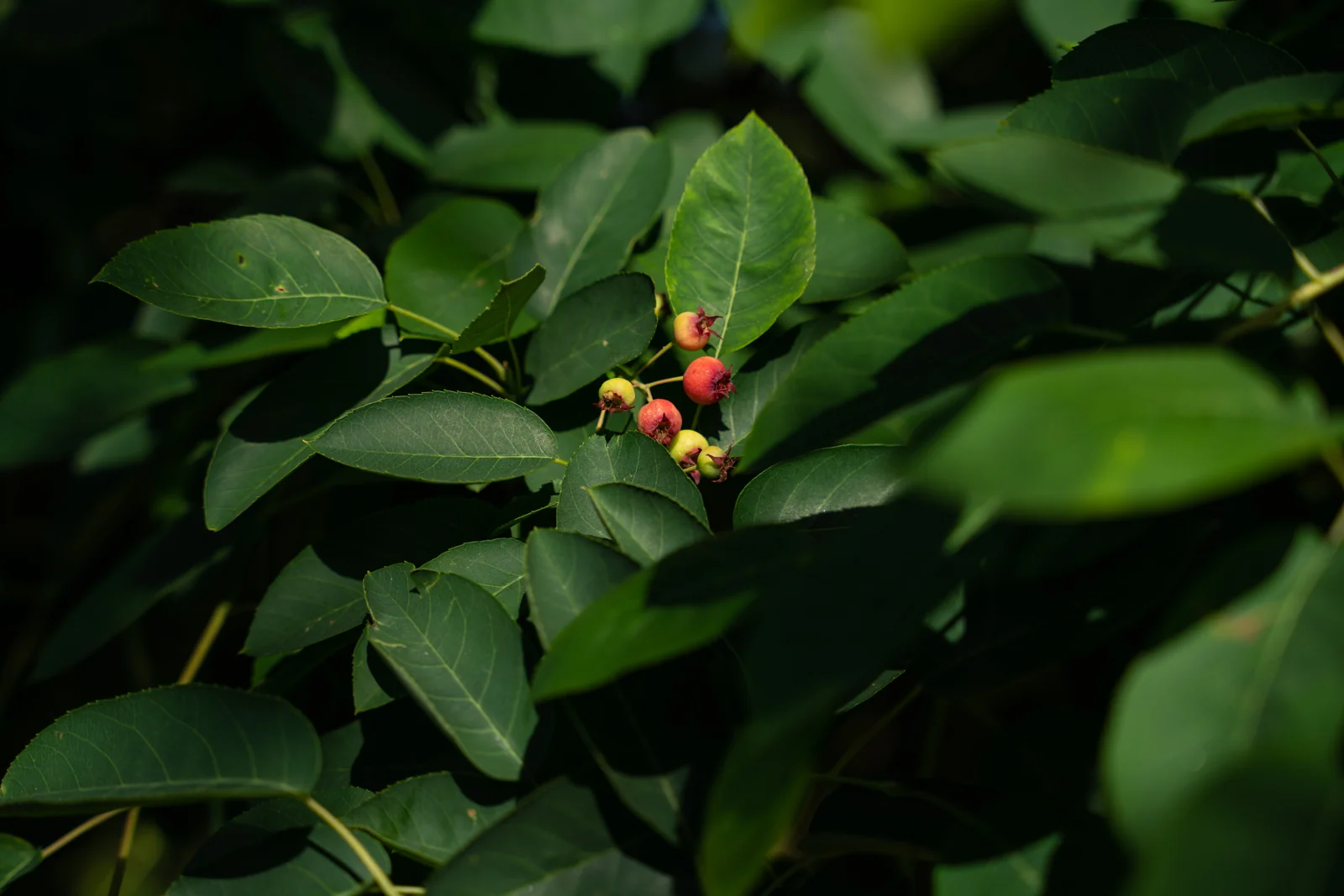
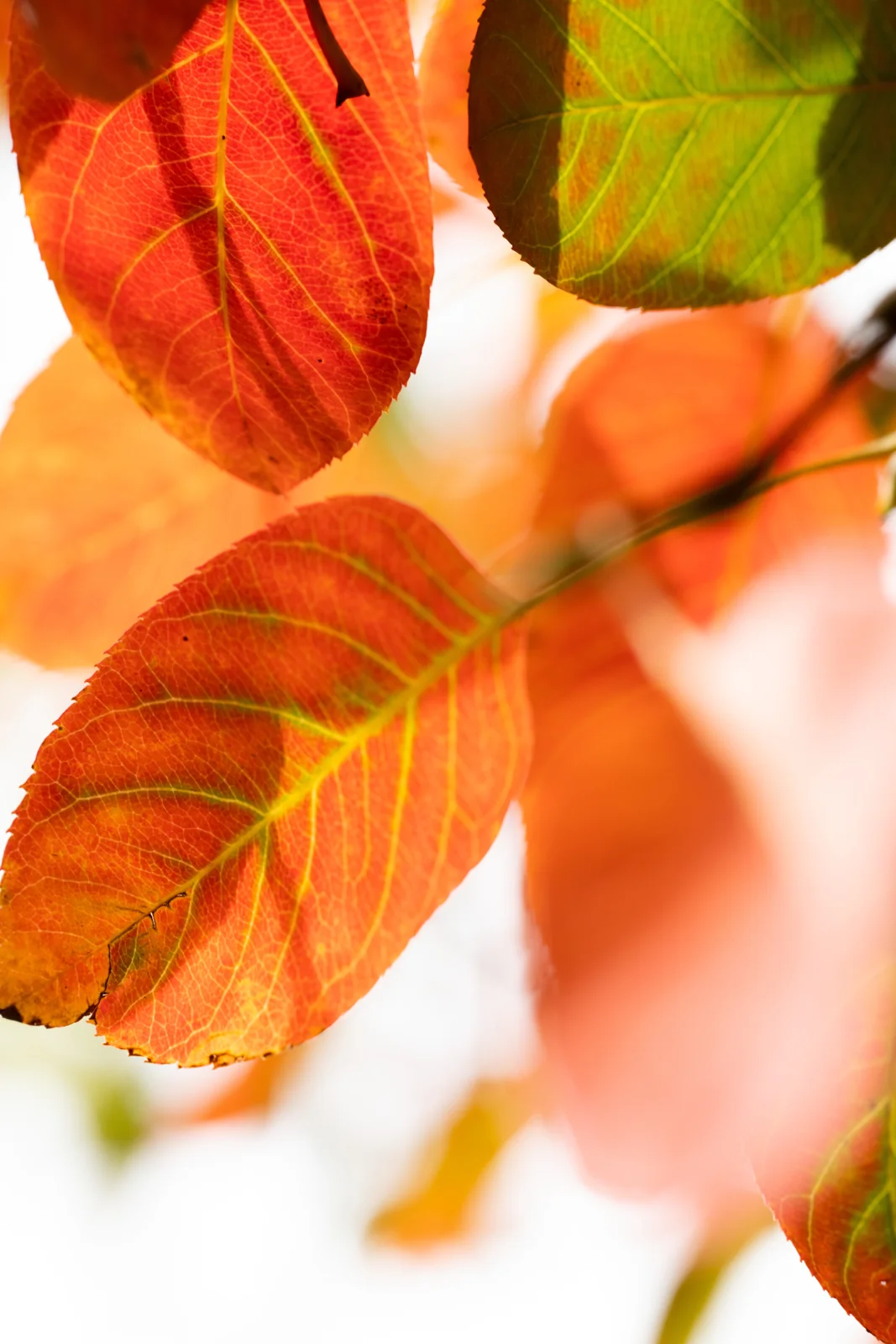
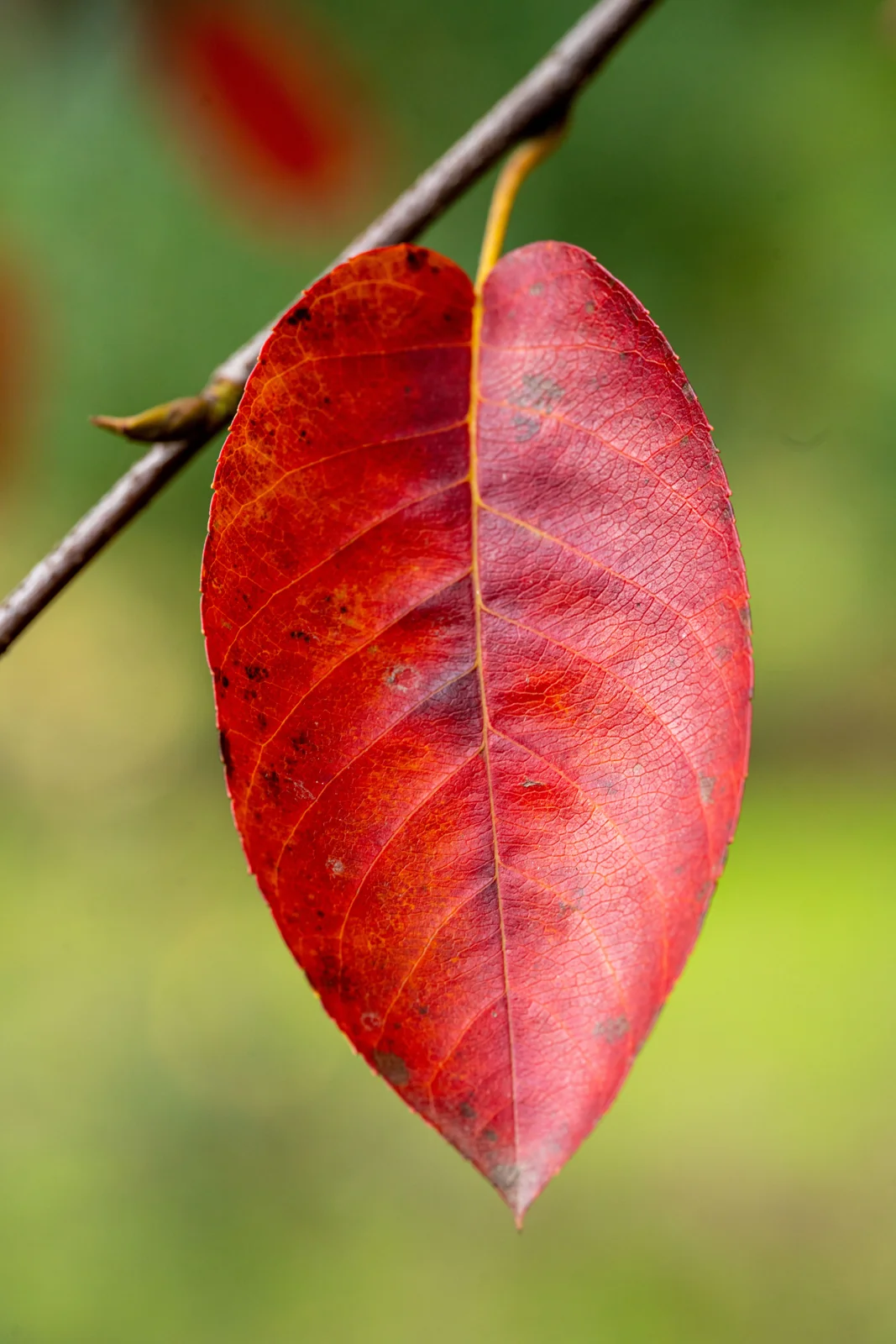
Amelanchier lamarckii is a hybrid of A. arborea and A. laevis, long naturalised across the Benelux, Britain, Scandinavia, and the cool central European belt. It reaches 6 to 10 m at maturity with a 4 to 8 m spread, typically presented as a multi-stem with three to five clean leaders. Four distinct ornamental phases follow each other through the year: bronze-purple leaf emergence with abundant white drooping flower clusters in April, edible purple-black berries through June and July, mid-green summer foliage, and a saturated orange-red autumn turn.
Winter hardiness extends to USDA zone 4a, with reliable performance to approximately minus 28 °C, which places the species across the full cool-temperate European range from the Atlantic seaboard to the inland Baltic and the alpine valleys. Late-frost resilience is a defining trait: flowering opens after the worst of the spring cold and the species tolerates the wide diurnal swings of continental spring. Heat tolerance is moderate; in dry continental summers above 35 °C, sustained performance requires assured root moisture and at least partial afternoon shade.
Soil tolerance is broad across slightly acidic to mildly alkaline loams, with a preference for moist, well-drained ground; waterlogging is the principal limit. Within the European specifier's canon it occupies a role no large-canopy tree can play: a small-stature feature with the structural presence of a multi-stem birch and a flowering and fruiting cycle closer to a Prunus, but without the rooting issues that disqualify Prunus from paved settings. Specify as multi-stem 250 to 400 cm for tree-pit, courtyard, and forecourt placement where the multi-stem habit reads from below.
The species is genuinely low-intervention once established: disease and pest resistance are good, with rust, leaf spot, and fire blight reported only as occasional pressures in humid years. The edible berries draw a wide bird cohort, which is a design consideration for retail and hospitality forecourts where falling fruit on paving is a maintenance concern. Across institutional, education, and residential schemes, A. lamarckii is one of the small number of multi-stem feature trees specifiable from Helsinki to the northern Po valley with the same confidence.



Advice on this species
Want to know more about Amelanchier lamarckii?
Tell us about your project and we'll advise you on this species — where it thrives, which size makes sense, and what to expect once planted.
- Produção própria
- Exemplares adultos
- Resposta em 1–2 dias
Sem compromisso · orçamento personalizado