

A late-summer flowering tree for the warm garden
Japanese Pagoda Tree · Styphnolobium japonicum
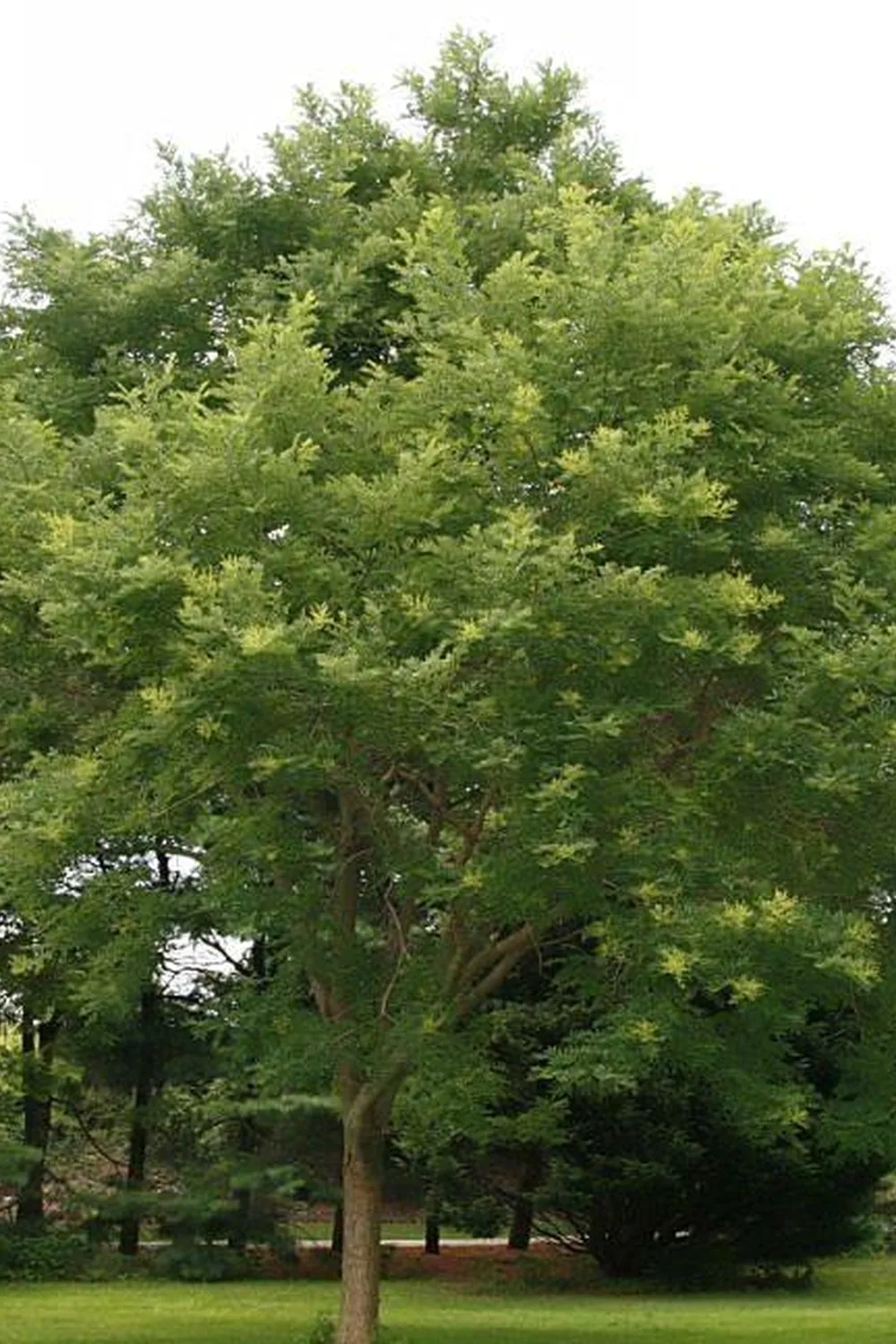
Few large deciduous trees carry fragrant white flower in the heat of August, when avenues and squares ask most of their canopy. This rounded, broad-crowned legume answers that gap, and rewards a hot Portuguese summer with its strongest display.
- Cream pea-flowers in August, when other trees have finished
- Deep, generous canopy of fine foliage casts cooling shade
- High heat and drought tolerance from deep legume rooting
About this Species
Reaching 15 to 25 m in height with a spread of 12 to 18 m, this is a medium to large deciduous tree of rounded, spreading habit, useful where a project needs a framework specimen or a street alignment (arruamento) of generous calibre. Grown in the open it branches low, so a single clear stem requires formative pruning in the nursery and early crown lifting…
Read more
Show less
Reaching 15 to 25 m in height with a spread of 12 to 18 m, this is a medium to large deciduous tree of rounded, spreading habit, useful where a project needs a framework specimen or a street alignment (arruamento) of generous calibre. Grown in the open it branches low, so a single clear stem requires formative pruning in the nursery and early crown lifting on site. Growth is moderate, and the heavy summer flowering does not begin until the tree is well established.
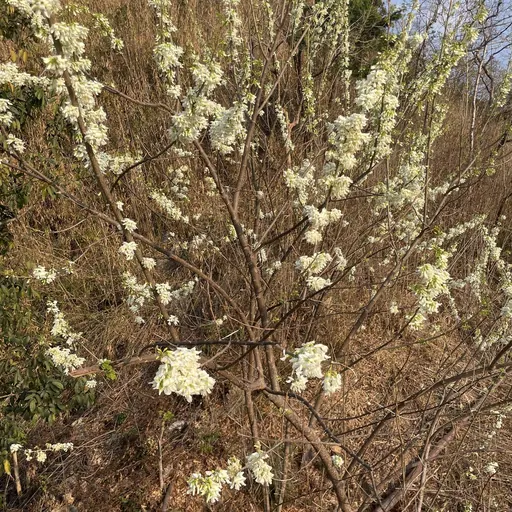
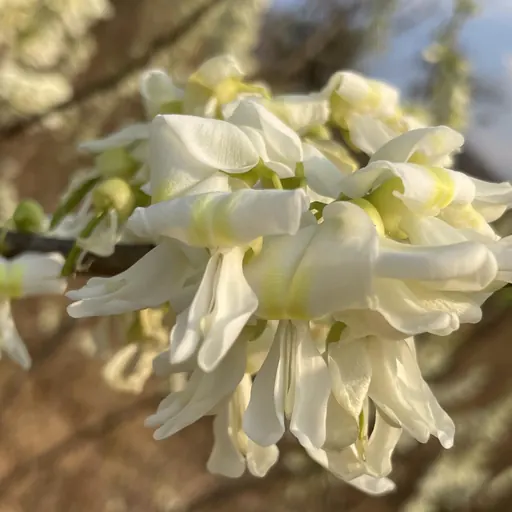
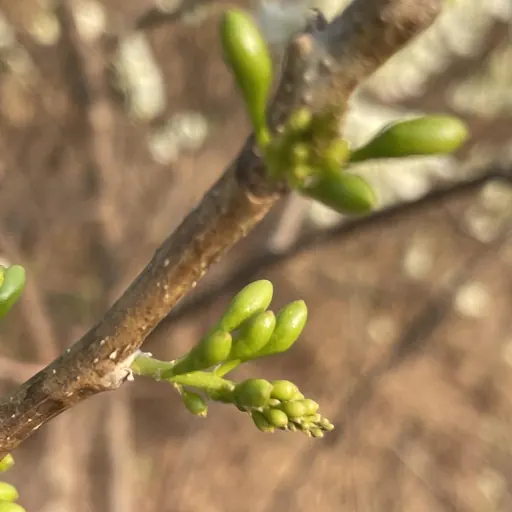
The defining trait for a Portuguese scheme is the flowering season. Creamy-white, lightly fragrant pea-like flowers open in loose terminal panicles from July into September, a window when most flowering trees have finished, then drop fresh to leave a white blanket on the paving below. The tree flowers at its showiest after a hot summer, so the warm continental conditions of interior Alentejo and Greater Lisbon suit it better than the cooler Atlantic summers further north.
Heat tolerance and drought tolerance are both high once the tree is established, supported by a strong root system and an origin in the dry, continental uplands of northern China. It withstands reflected pavement heat and air pollution, which recommends it for the praça and for parking shade. It takes full sun and well-drained loamy or sandy soils, tolerates moderate salt, and accepts the acid granite and schist soils common across northern Portugal.
Maintenance is otherwise modest: the species resists deer browsing and carries no serious pest or disease pressure in cultivation. Two points belong in any client brief. The wood is comparatively weak, so structural pruning to a sound branch framework protects the crown against wind and storm load, and the pendulous seed pods that persist through winter contain toxic seeds, a consideration near playgrounds.



Advice on this species
Want to know more about Styphnolobium japonicum?
Tell us about your project and we'll advise you on this species — where it thrives, which size makes sense, and what to expect once planted.
- Produção própria
- Exemplares adultos
- Resposta em 1–2 dias
Sem compromisso · orçamento personalizado