

The defining tree of the Portuguese garden
Olive Tree · Olea europaea
A slow-growing evergreen specified as a structural or focal specimen in Portuguese landscape projects, prized for drought tolerance, low maintenance after establishment, and year-round foliage density across all four mainland climate zones.
- Evergreen silver-grey canopy holding structure through winter
- Self-sufficient on rainfall after two to three establishment summers
- Reliable across the Algarve, Greater Lisbon, Silver Coast, and Porto
About this Species
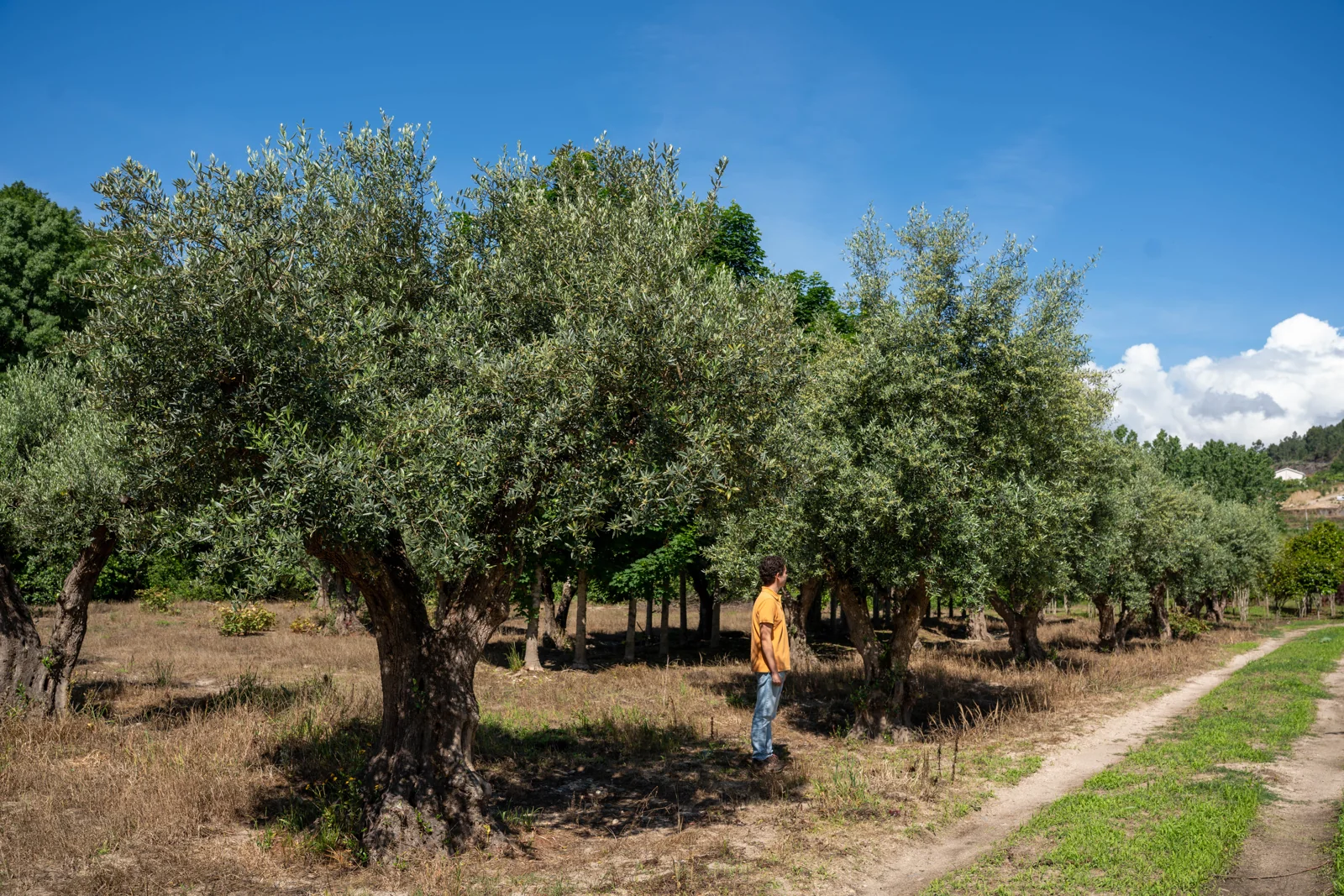
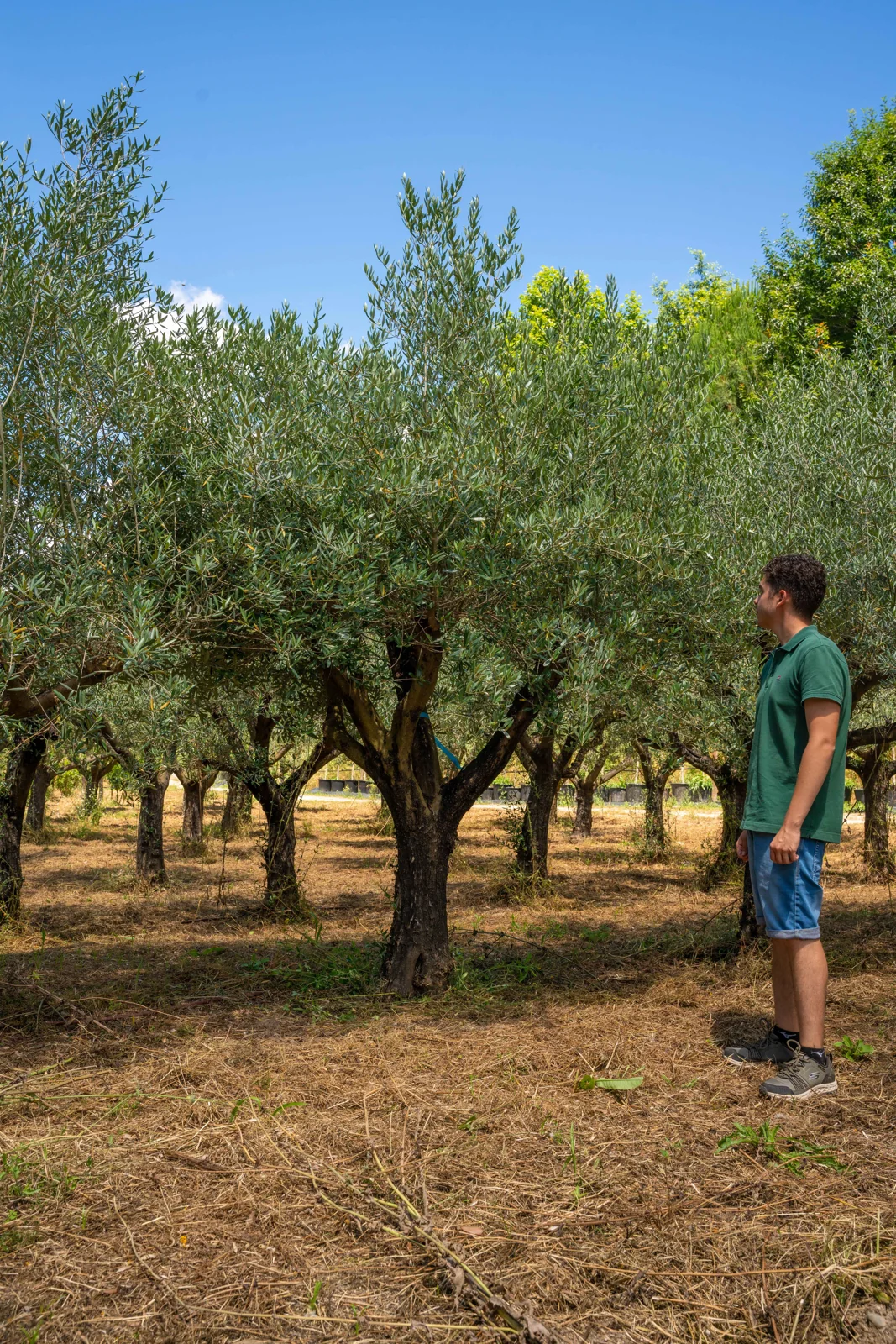
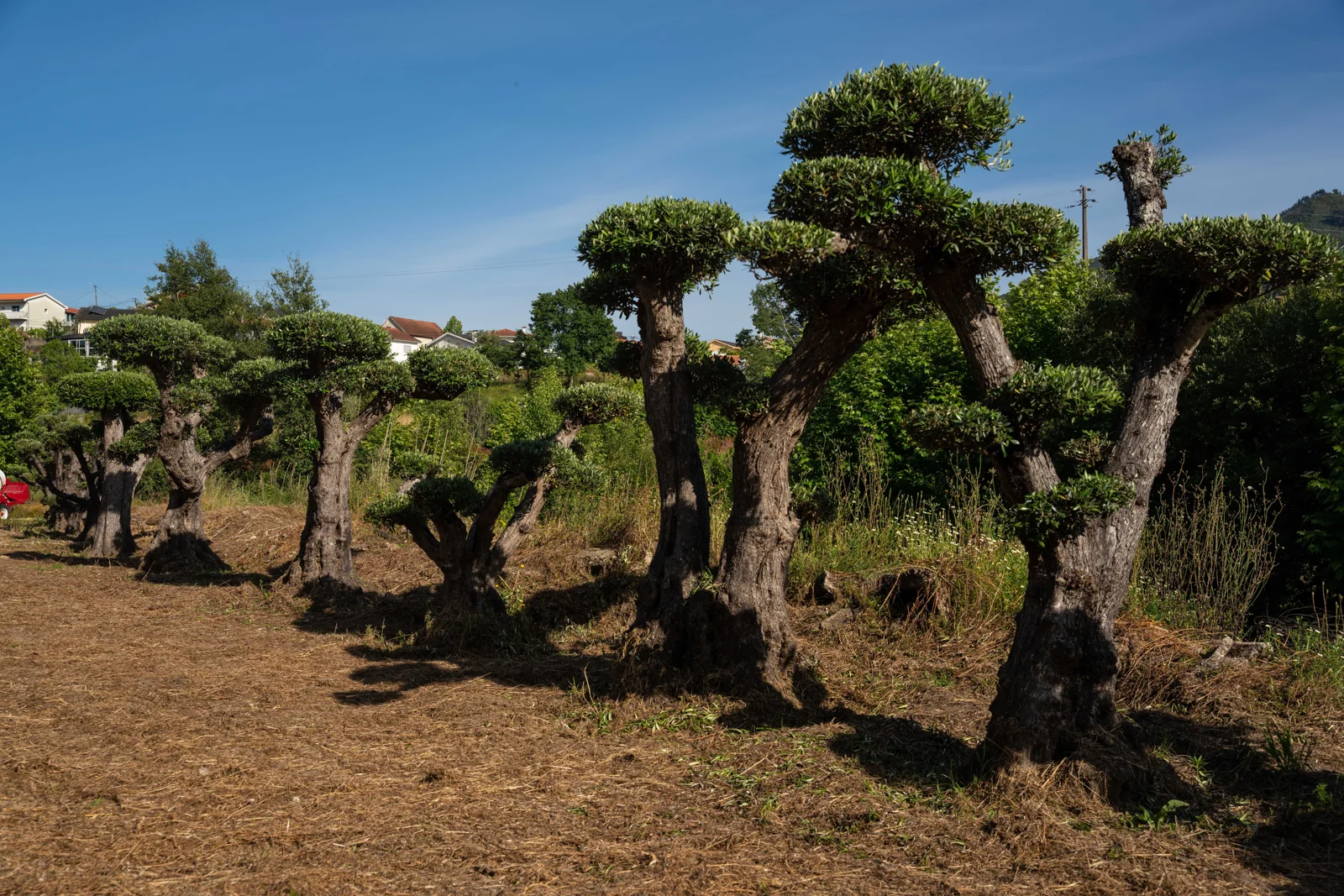
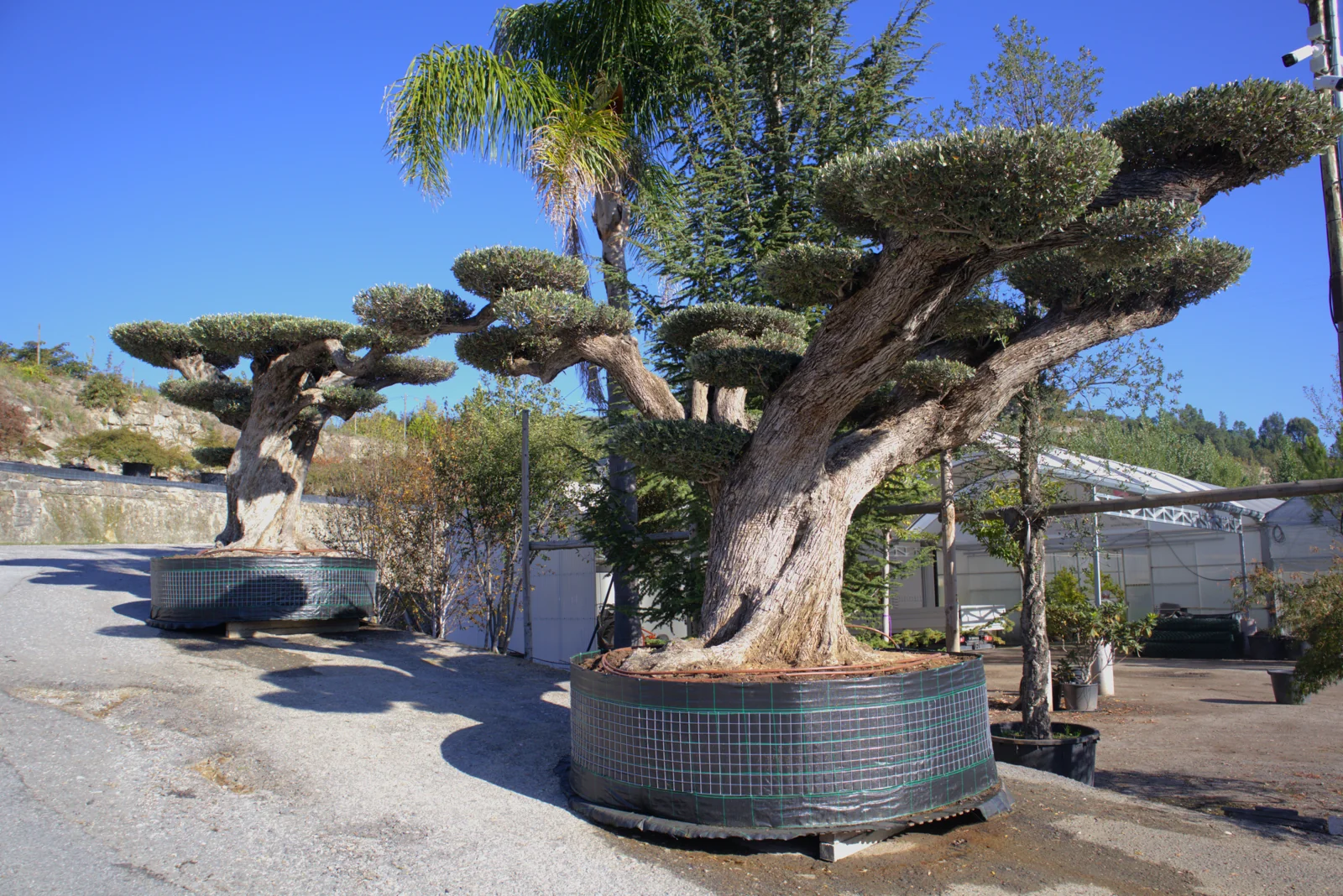
Olea europaea forms a rounded, often multi-stemmed crown reaching 5 to 12 m in height with a spread of 5 to 10 m at maturity. Growth is slow, typically adding 15 to 25 cm per year under Portuguese conditions, so specimens supplied at advanced calibre offer immediate presence that younger stock cannot deliver for a decade or more. The trunk develops the…
Read more
Show less
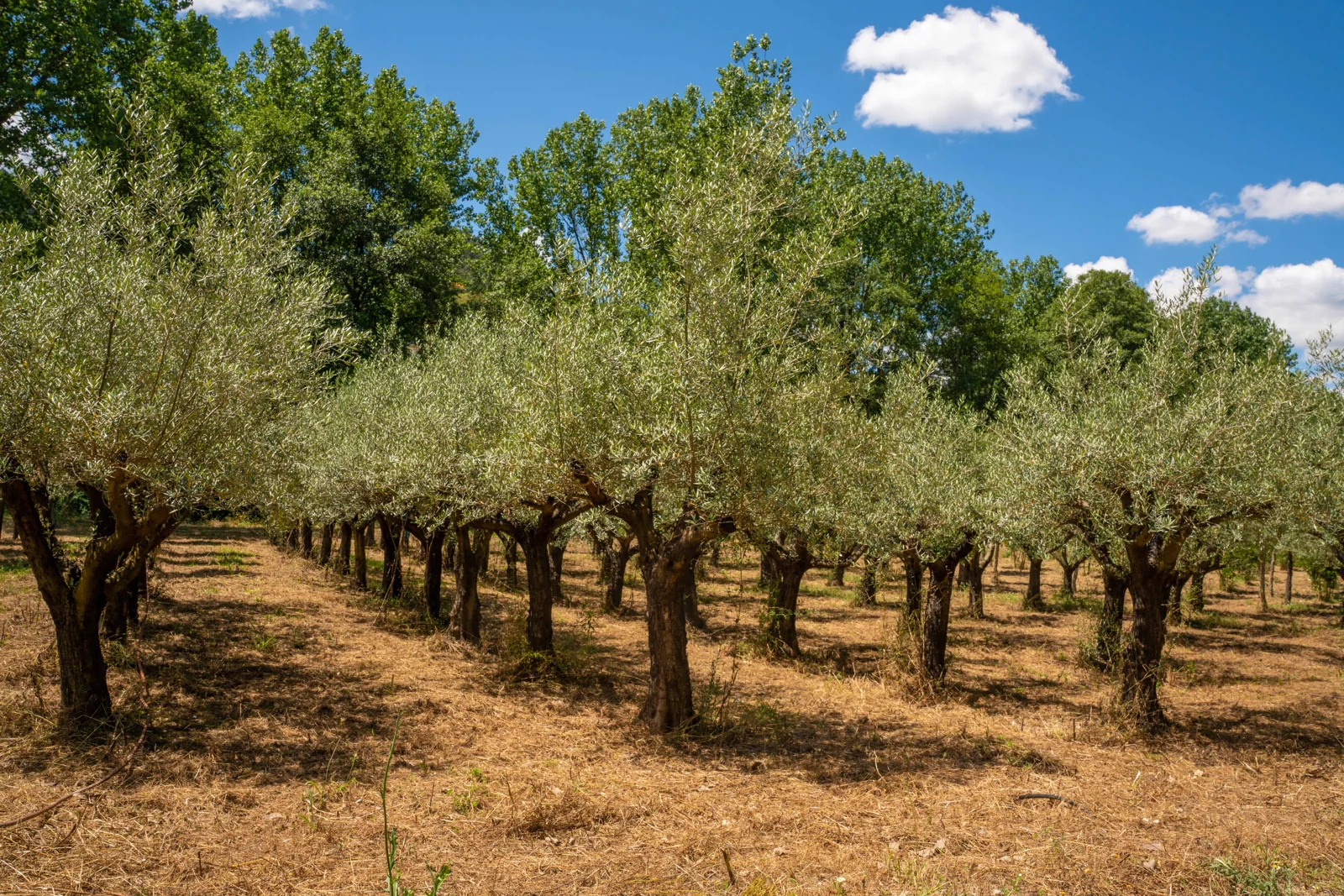
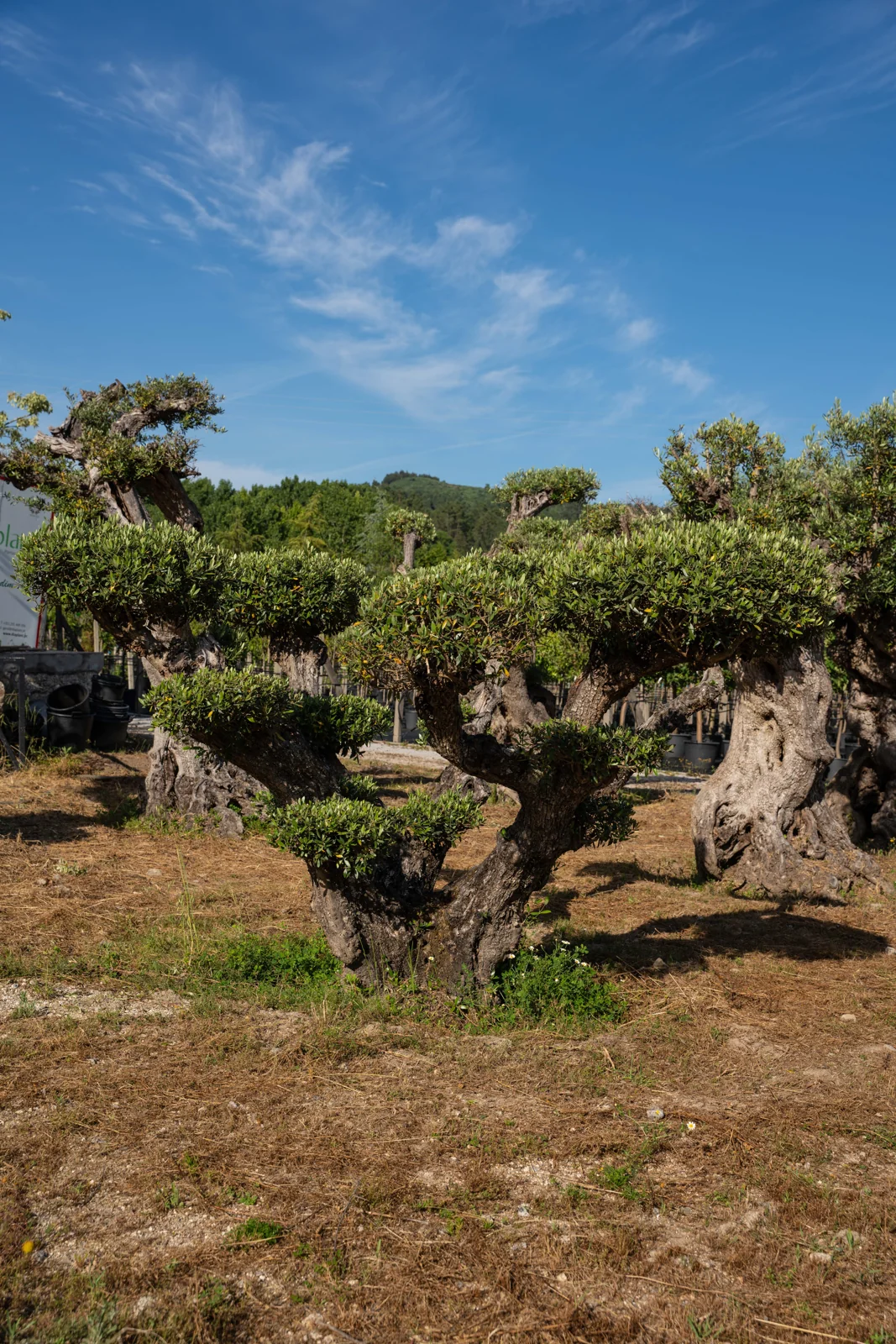
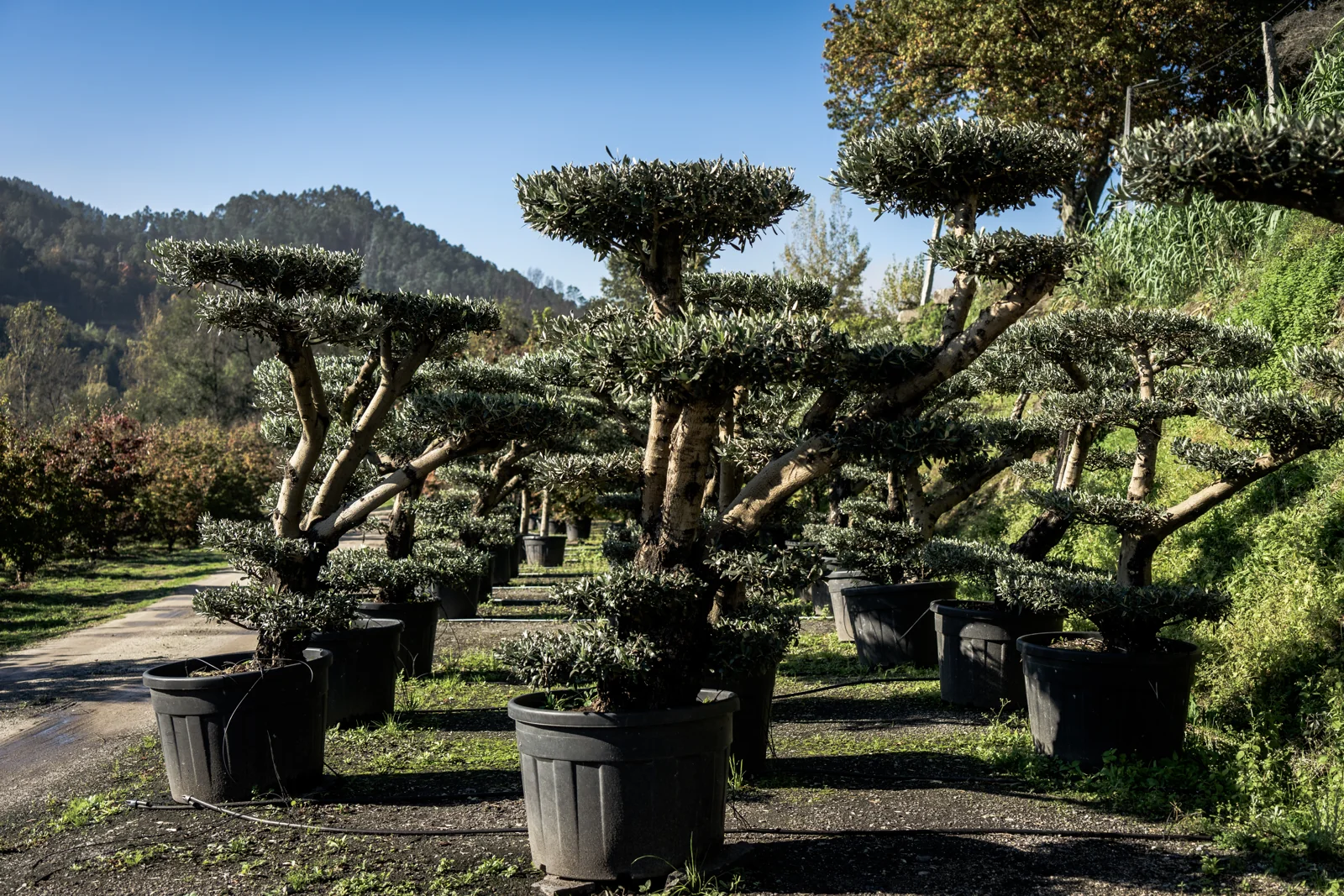
Olea europaea forms a rounded, often multi-stemmed crown reaching 5 to 12 m in height with a spread of 5 to 10 m at maturity. Growth is slow, typically adding 15 to 25 cm per year under Portuguese conditions, so specimens supplied at advanced calibre offer immediate presence that younger stock cannot deliver for a decade or more. The trunk develops the fissured, sculptural bark that defines the species' ornamental character from roughly fifteen years onward. Crown form is variable: single-stem standards suit formal alignments and public squares (praça), while multi-stem specimens function as focal elements in private gardens, hotel grounds, and resort landscapes.
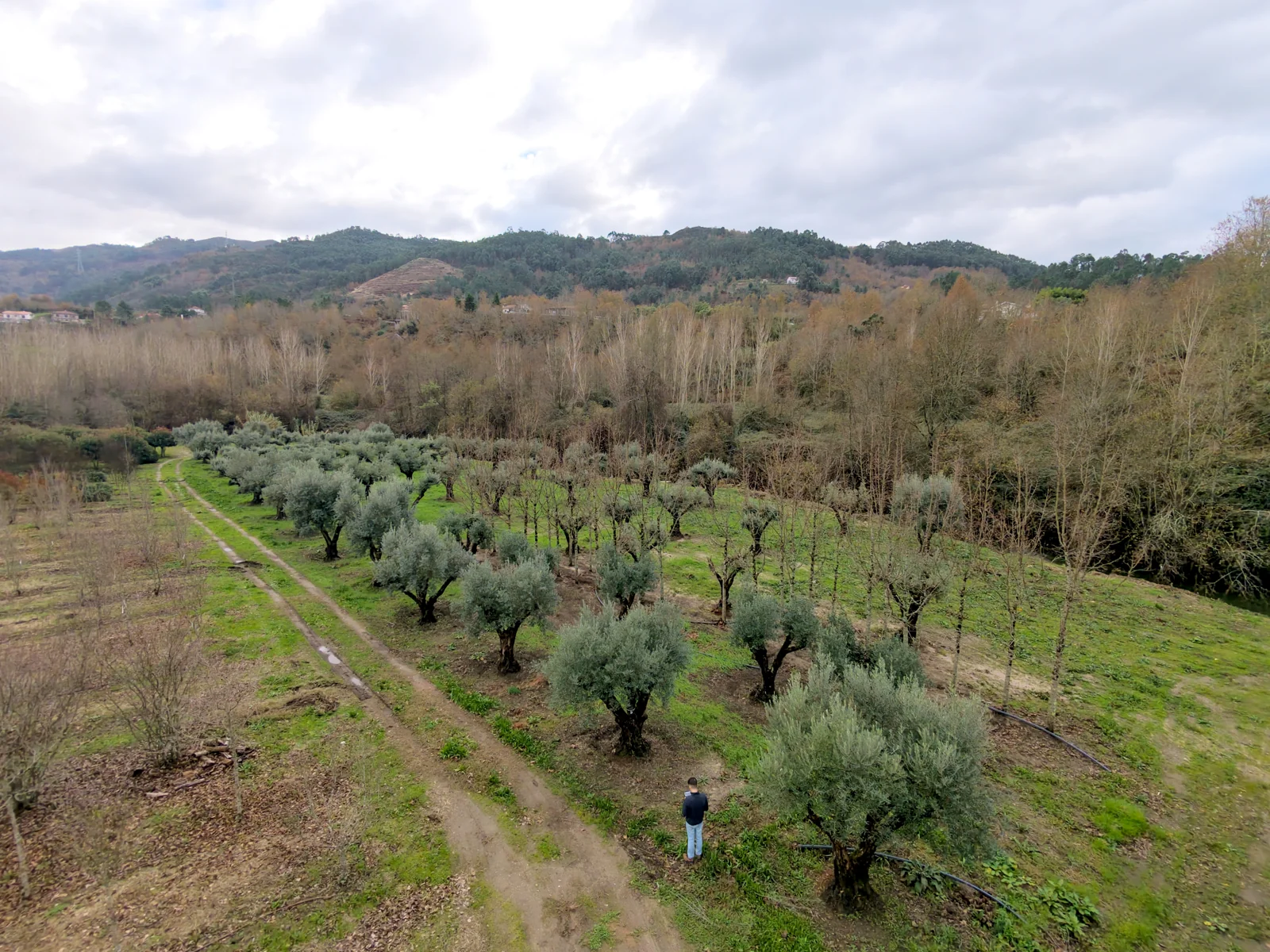
The species thrives across Portuguese climate zones with few reservations. In coastal Algarve, established specimens tolerate prolonged summer drought and moderate salt spray without supplementary irrigation. In urban Lisbon, reflected heat from pavement and limestone-derived soils pose no difficulty; the species is already present throughout the capital's historic gardens and public spaces. In the interior Alentejo, where summer temperatures regularly exceed 40 degrees C and annual rainfall sits between 400 and 600 mm, Olea europaea performs reliably in deep soils, though a single establishment irrigation cycle during the first summer is advisable. In the humid Minho and Douro, the species grows well but requires good drainage; waterlogged or compacted soils increase susceptibility to root rot. Diaplant field-grows its specimens in Amarante, where approximately 950 mm annual rainfall and dry summers approximate a transitional zone between Atlantic and Mediterranean influence.
Maintenance requirements are low once established. Irrigation can be withdrawn after the second growing season in most Portuguese locations. Formative pruning in the first three to five years defines crown structure; thereafter, periodic crown thinning maintains light penetration and reduces wind resistance. Fruit drop is the principal litter consideration for paved areas. Where fruit is undesirable, specify fruitless cultivars or plan for seasonal cleaning between November and February. Root systems are robust and extensive but not aggressive toward pavements or underground services in well-drained soils.
Disease pressure in Portugal is limited. The olive fruit fly (Bactrocera oleae) affects fruit quality but has no structural impact on ornamental specimens. Olive knot (Pseudomonas savastanoi pv. oleae) can cause shoot galls in humid conditions; selecting well-ventilated sites and avoiding overhead irrigation reduces incidence. Xylella fastidiosa, present in southern Europe, is under active DGAV surveillance; sourcing from certified Portuguese nurseries such as Diaplant, operating under the national fitossanitário regime, reduces phytosanitary risk.
Native to the Mediterranean basin and cultivated on the Iberian Peninsula since at least 1050 BC, Olea europaea has a deeper track record in Portuguese landscapes than almost any other planted tree species.



Advice on this species
Want to know more about Olea europaea?
Tell us about your project and we'll advise you on this species — where it thrives, which size makes sense, and what to expect once planted.
- Produção própria
- Exemplares adultos
- Resposta em 1–2 dias
Sem compromisso · orçamento personalizado