

Winter flowers for shaded north-coast and Sintra gardens
Japanese Camellia · Camellia japonica
The long-lived flowering evergreen of Portuguese tradition, the species behind the Minho's nineteenth-century camélia collections. For sheltered, acid-soil schemes in northern Portugal and Sintra microclimates, it functions as a structural feature specimen.
- Glossy evergreen foliage with flowers from January through April
- Reliable in north-coast and Sintra gardens with acid soil and shelter
- Wants light woodland shade, lime-free soil, no early morning sun
About this Species
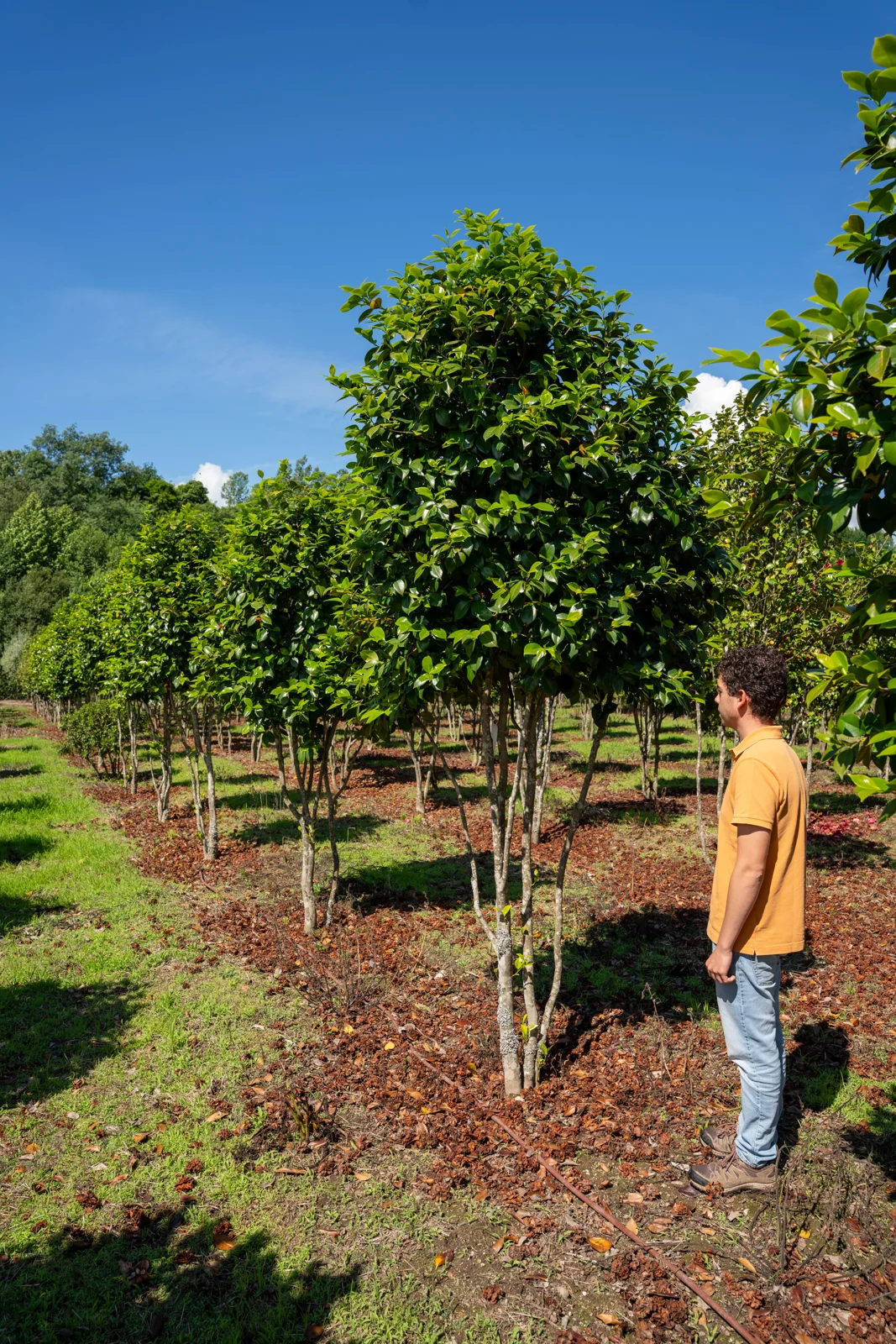
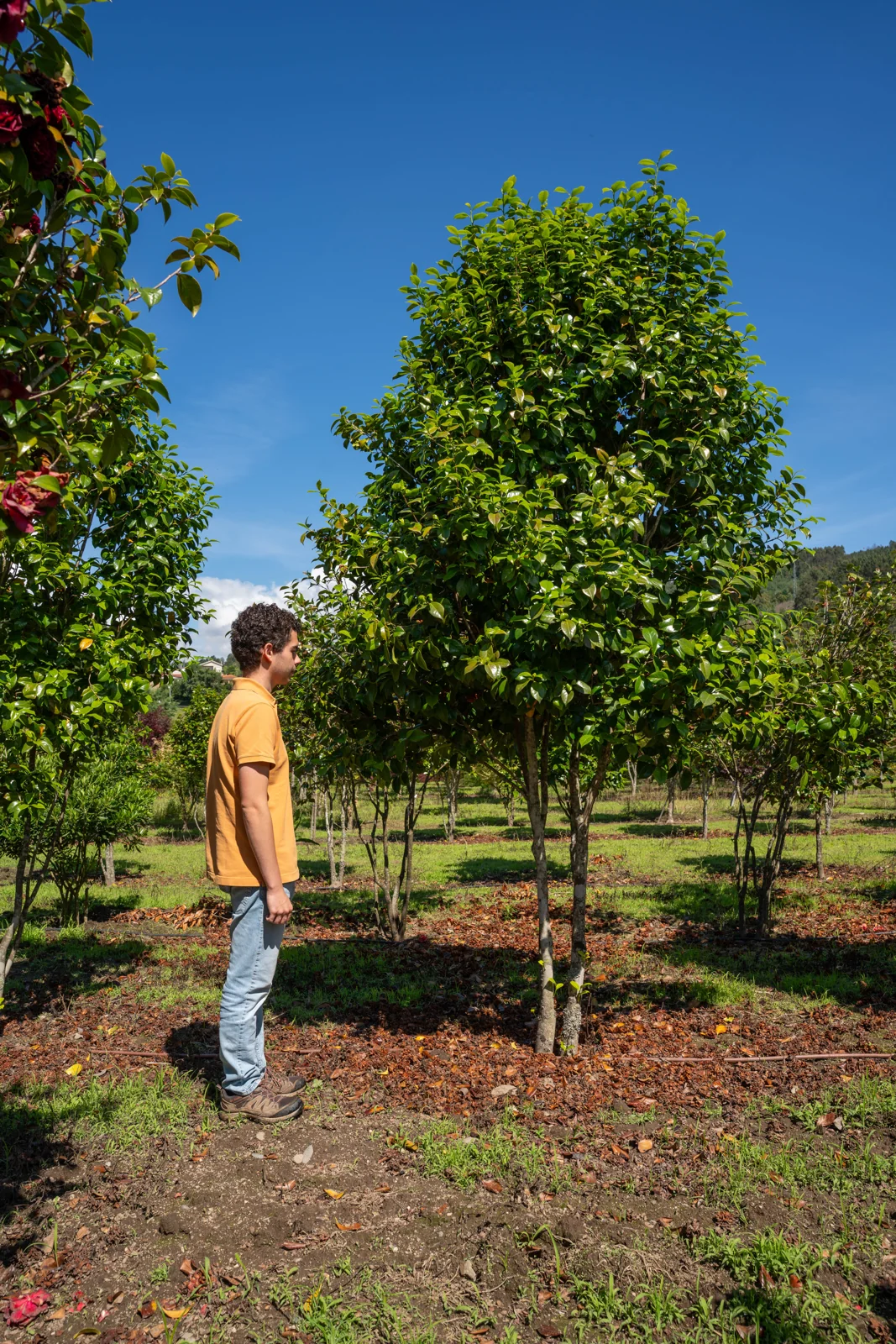
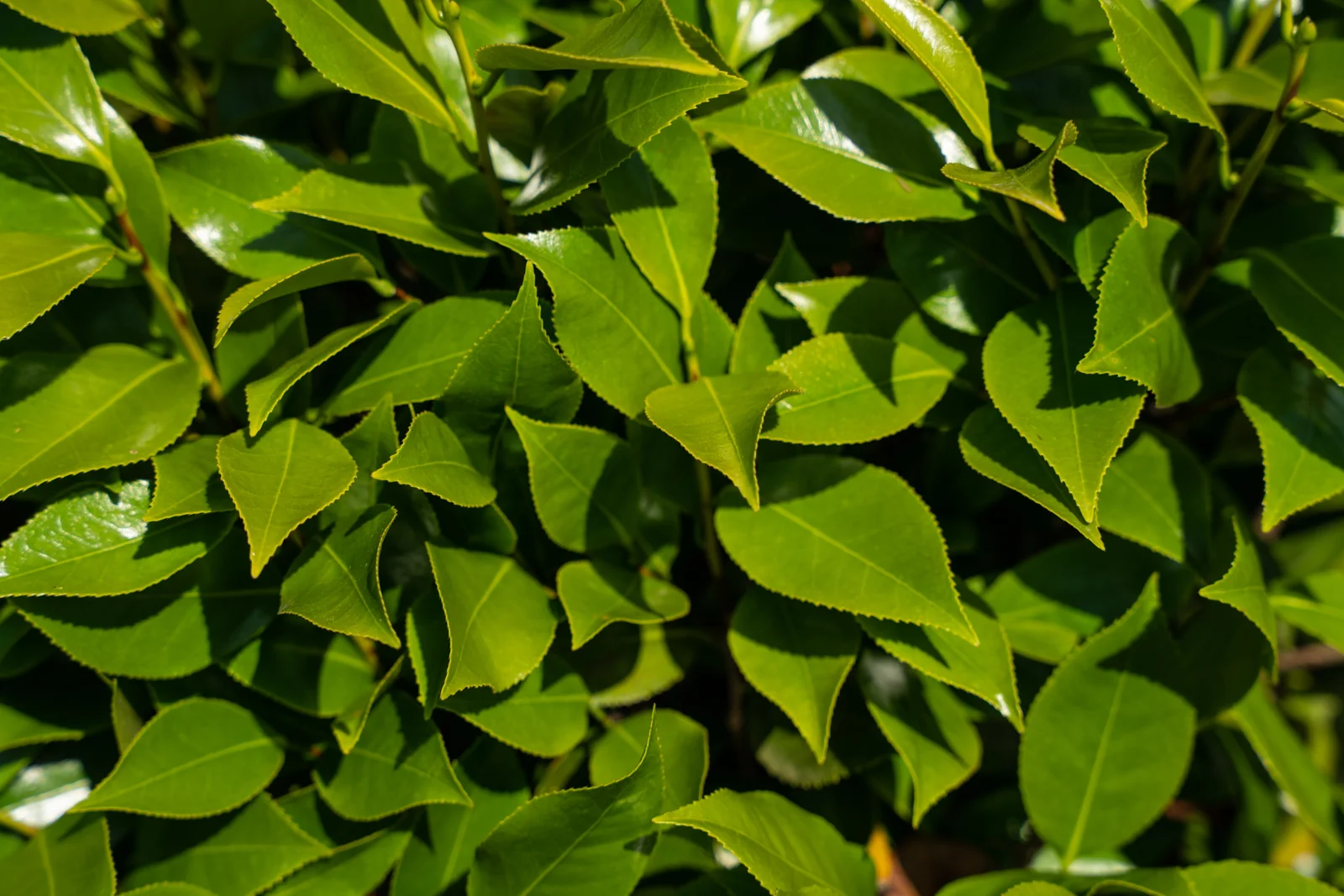
Mature plants form a dense, rounded to upright small tree or large shrub, typically 3 to 6 m high with a spread of 2 to 4 m, the older Portuguese specimens at Vila Nova de Gaia and the Quinta de Campo Bello reaching nearly 11 m. The leathery, deep glossy green foliage holds the structure year-round and gives the plant its weight in a planting plan.…
Read more
Show less
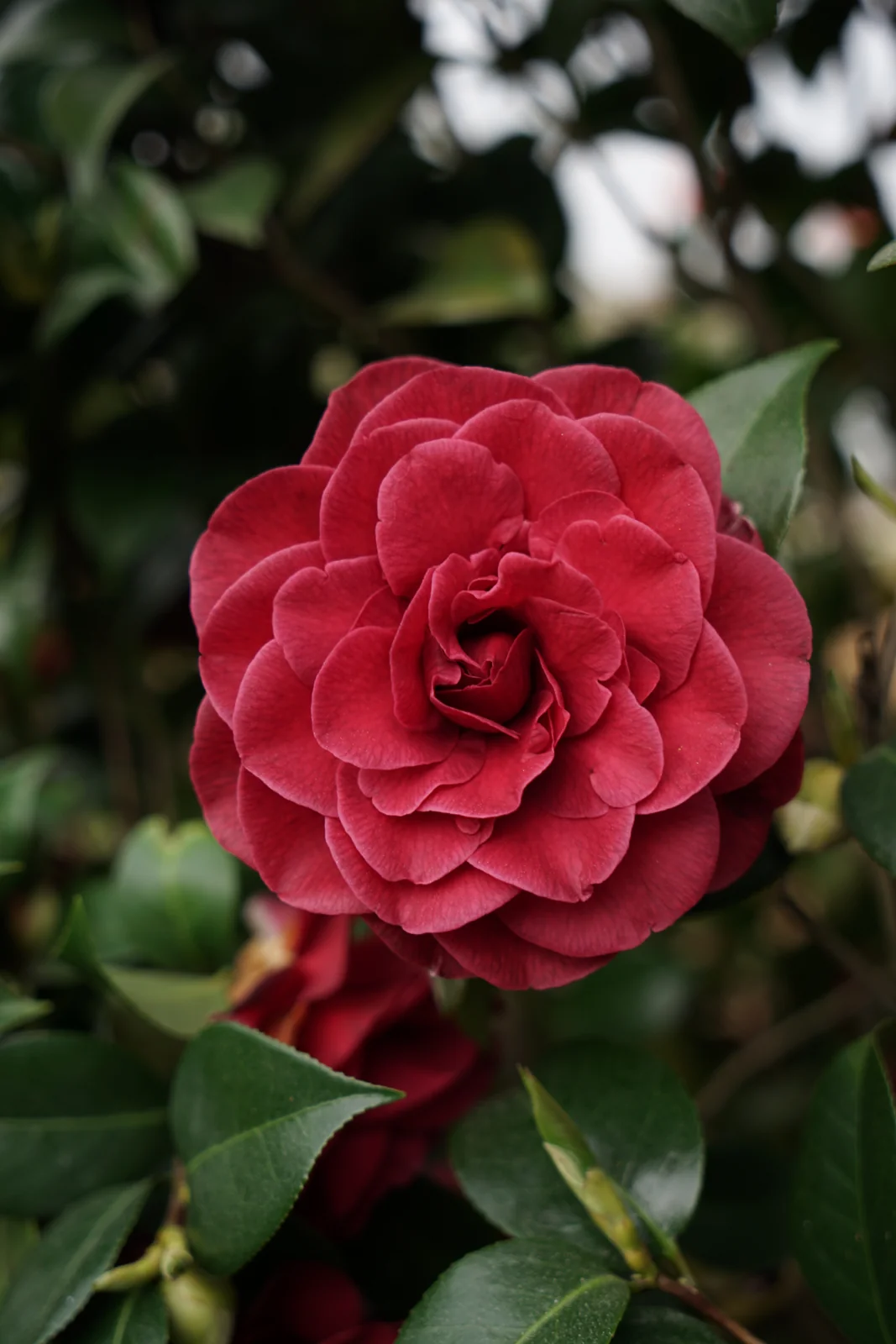
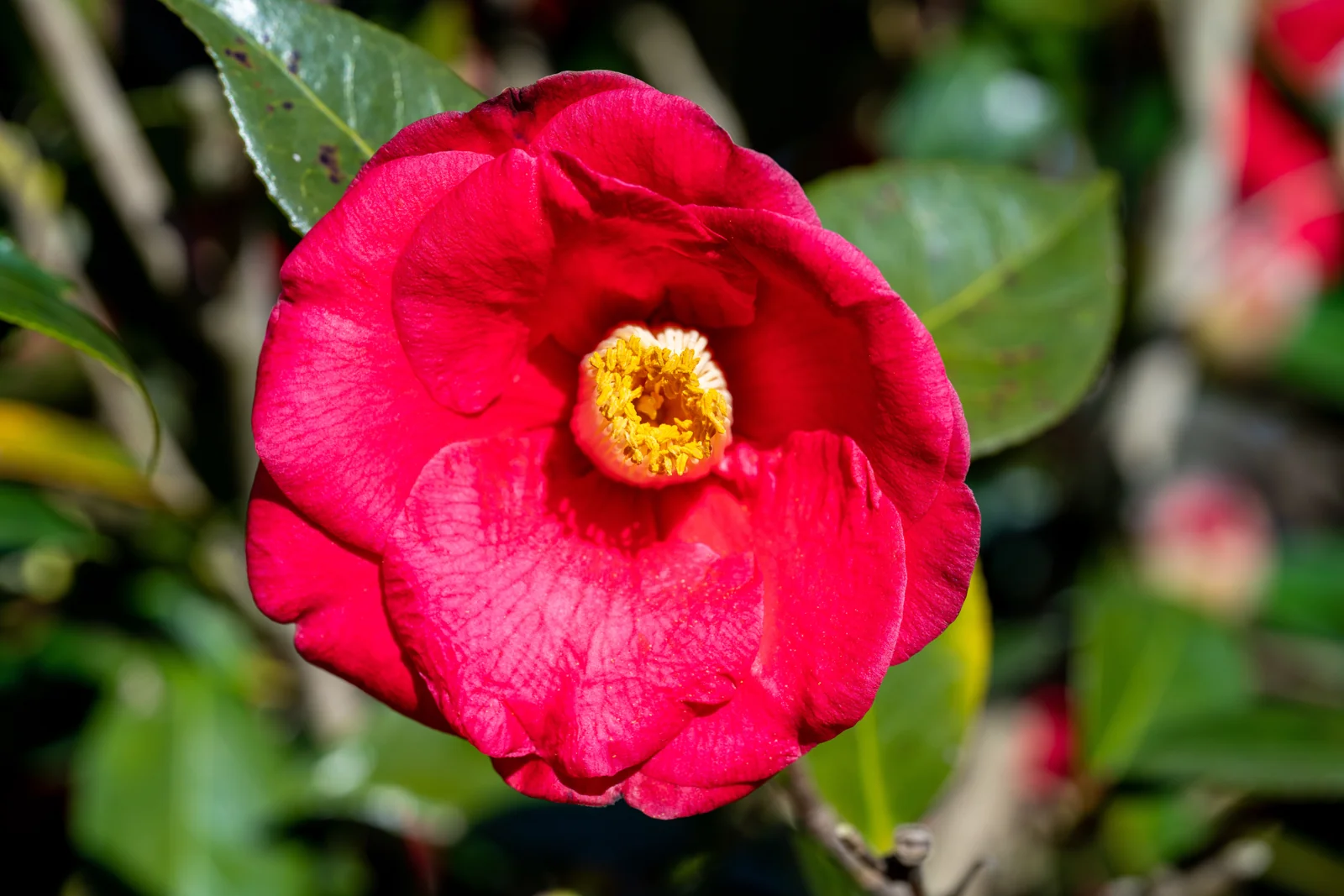
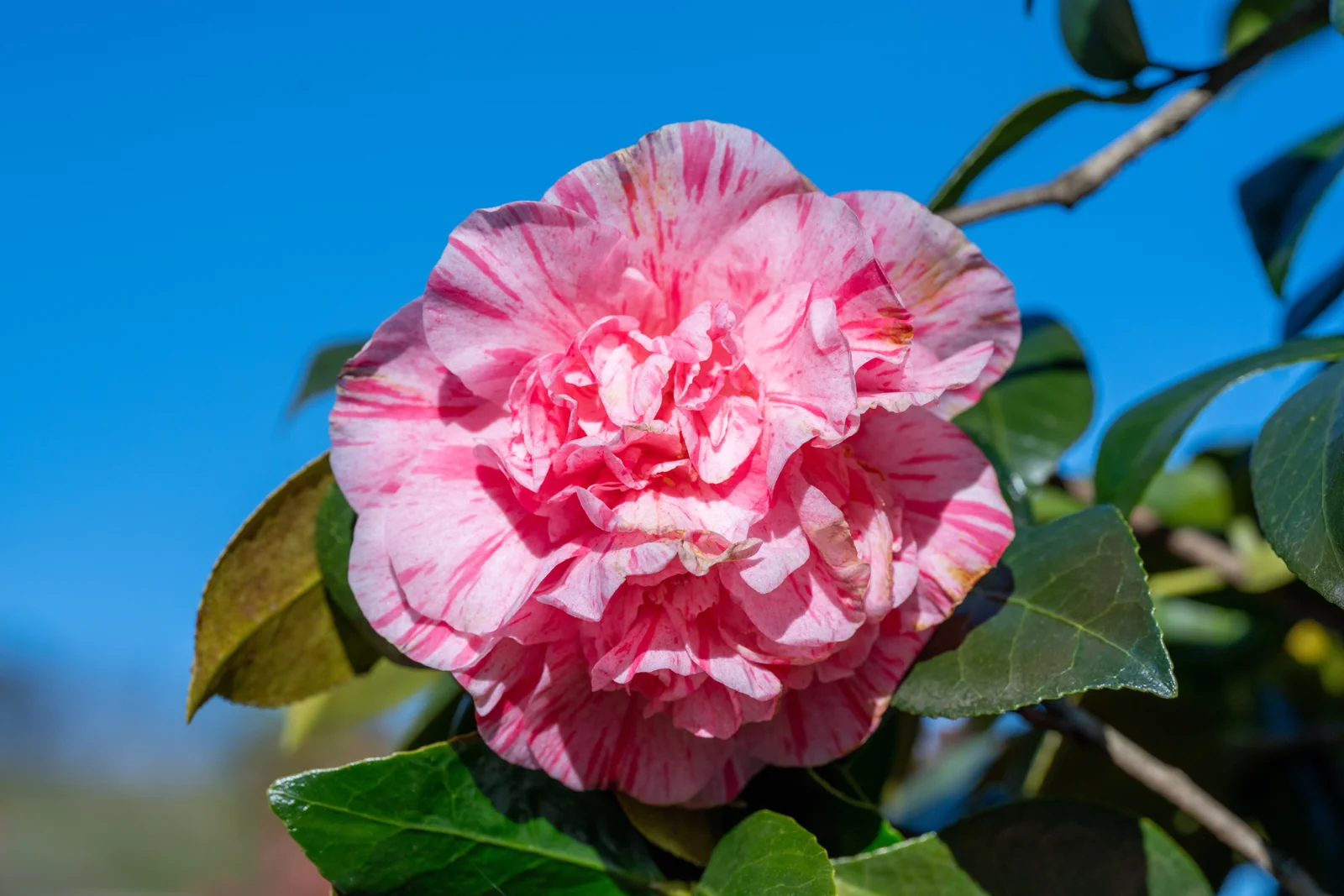
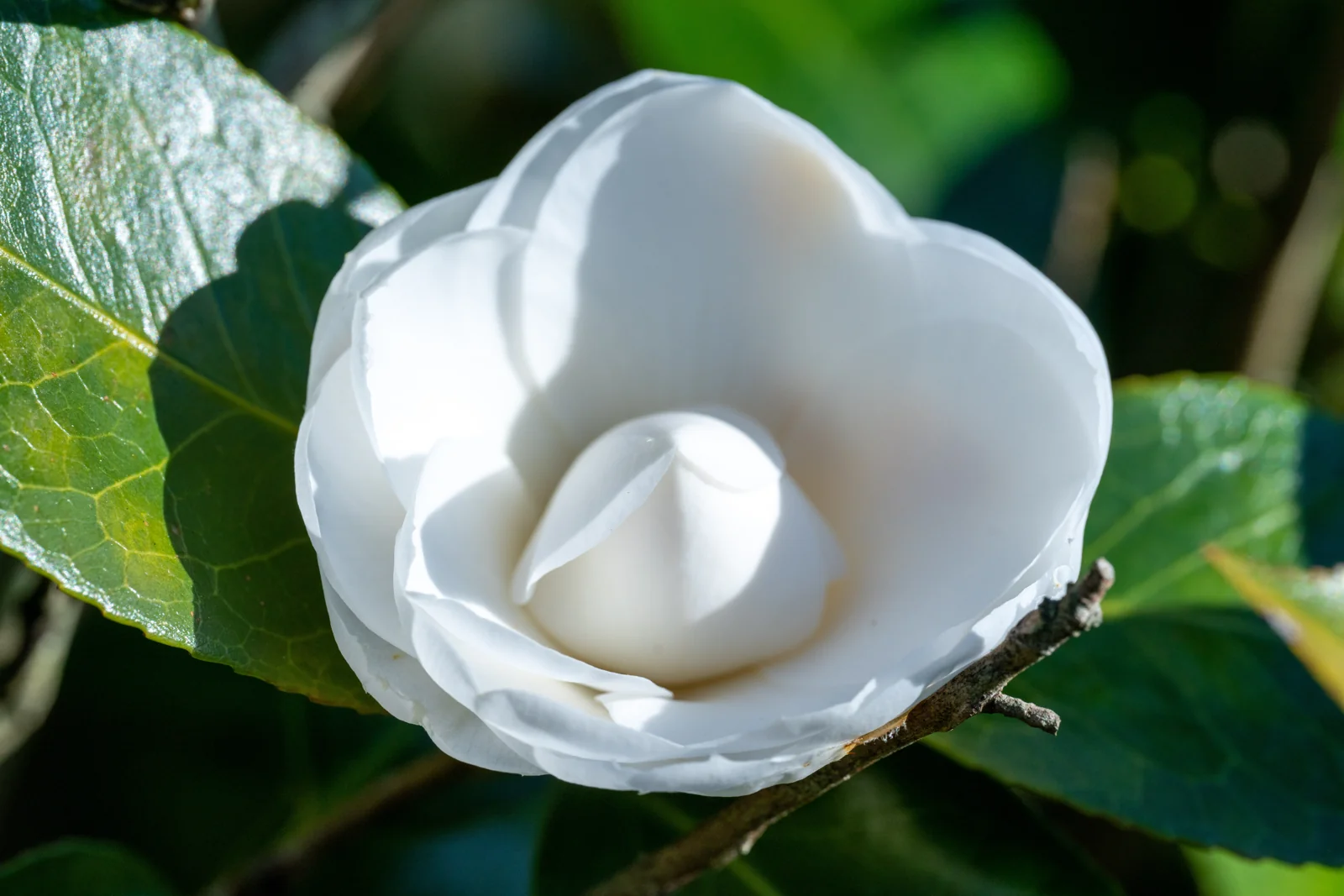
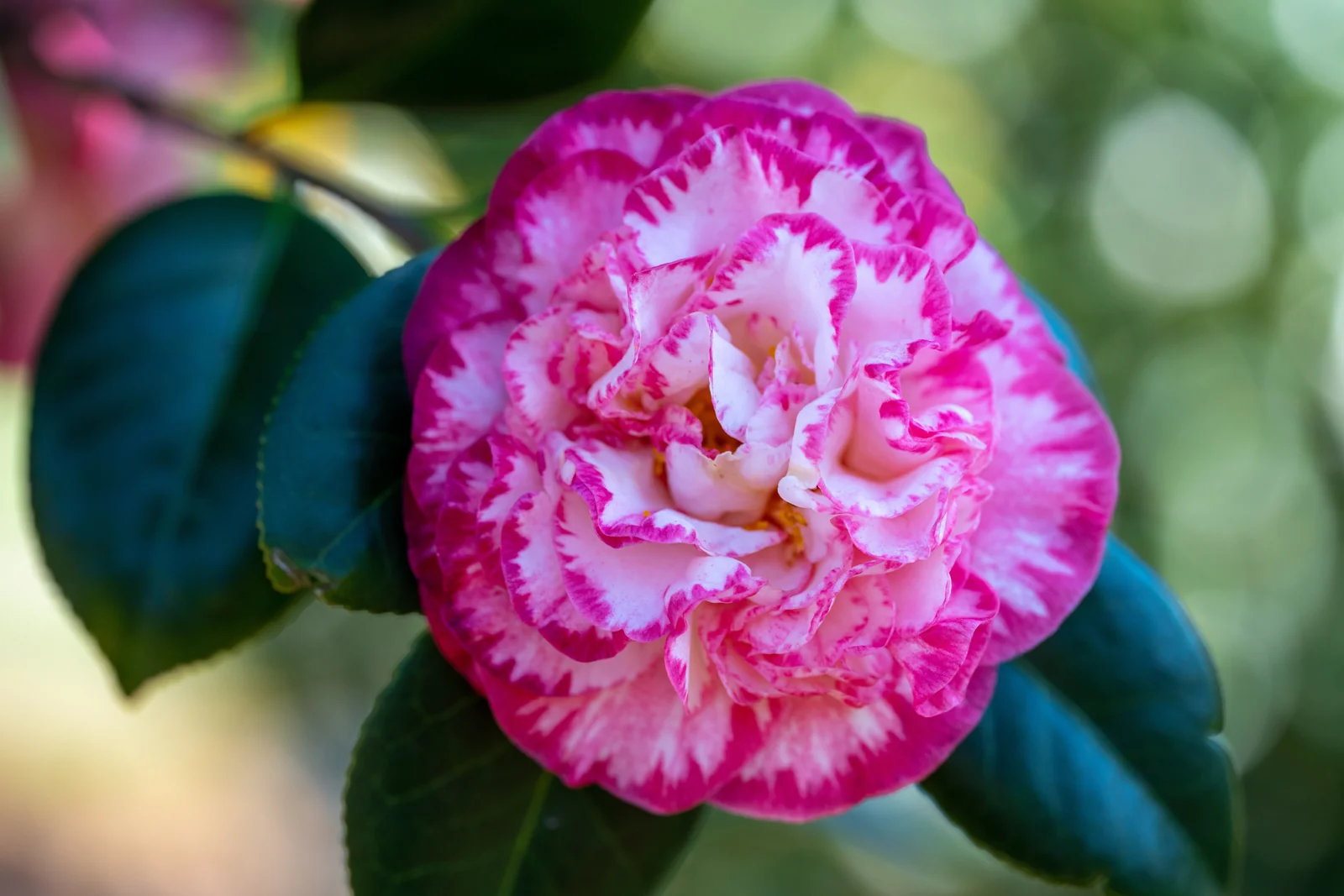
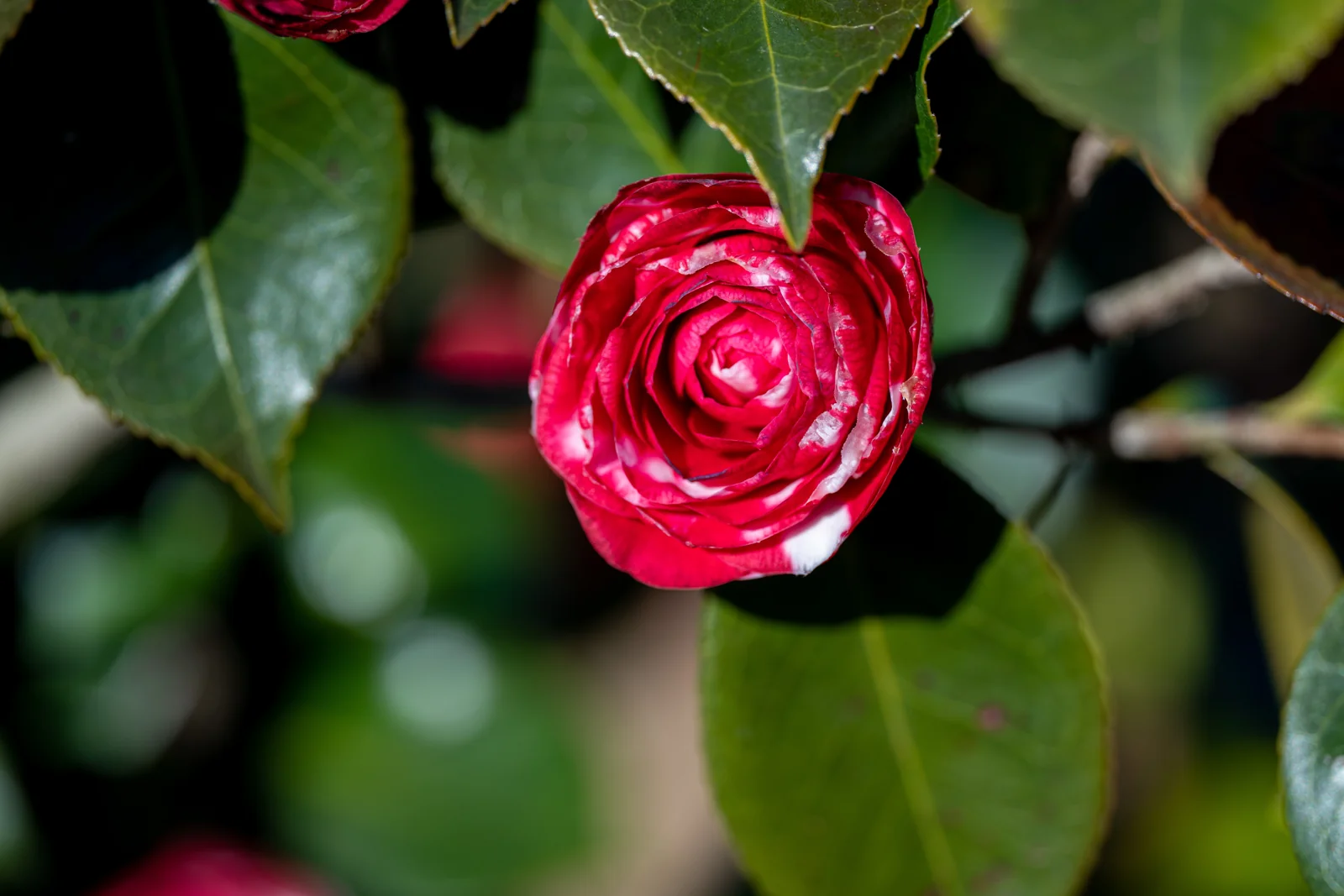
Mature plants form a dense, rounded to upright small tree or large shrub, typically 3 to 6 m high with a spread of 2 to 4 m, the older Portuguese specimens at Vila Nova de Gaia and the Quinta de Campo Bello reaching nearly 11 m. The leathery, deep glossy green foliage holds the structure year-round and gives the plant its weight in a planting plan. Flowering runs from January through April, in red, pink, white, or bicolour forms depending on cultivar.
Performance is calibrated to the Atlantic north. The species thrives across the humid Minho and Douro corridor, where 1200 to 1800 mm of annual rainfall, granite-derived acid soils, and cooler summers reproduce its native forest understorey conditions. It performs in Sintra and the cooler microclimates of the Estoril hinterland, but in Greater Lisbon it requires irrigation, shade from afternoon sun, and acid soil amendment over the calcareous default. The interior Alentejo and coastal Algarve are not its territory: drought tolerance is low and salt tolerance is low.
For an international specifier working in Portugal, Camellia japonica occupies the role otherwise filled by Magnolia grandiflora or Ilex aquifolium where structural evergreen mass is required, but only in shaded, acid, well-watered sites. It serves as a feature specimen in courtyard schemes, as a secondary canopy beneath mature carvalhos and pinheiros, as a clipped or naturalised screen in a quinta garden, and as the historically correct selection for the restoration of a nineteenth-century Porto or Minho garden where the species defined the planting register.
Plant in organic, acidic, moist but freely draining soil; standing water at the roots produces root rot. Sheltered eastern or northern aspects protect the early flowers from frost burn and from rapid thawing in morning sun. Formative pruning is minimal; the species tolerates crown lifting after flowering and renovates well from old wood when required. Watch for flower blight (Ciborinia camelliae), leaf spot, and scale on susceptible cultivars. The Amarante context (approximately 950 mm annual rainfall, mild Atlantic winters, schist-derived acid soil) closely matches the conditions of the Minho and Douro projects the species suits best.



Advice on this species
Want to know more about Camellia japonica?
Tell us about your project and we'll advise you on this species — where it thrives, which size makes sense, and what to expect once planted.
- Produção própria
- Exemplares adultos
- Resposta em 1–2 dias
Sem compromisso · orçamento personalizado