

A four-season small tree for the cooler north
Juneberry · Amelanchier lamarckii
A four-season multi-stem specimen for refined Portuguese schemes: courtyards, hotel entrances, plaza edges, and institutional infill where a compact 6 to 10 m feature must carry the planting from spring blossom through autumn colour.
- Four-season interest in a small tree of 6 to 10 metres
- White spring flower, bronze new leaves, orange-red autumn colour
- Best suited to the cooler, damper Portuguese north and greater Porto
About this Species
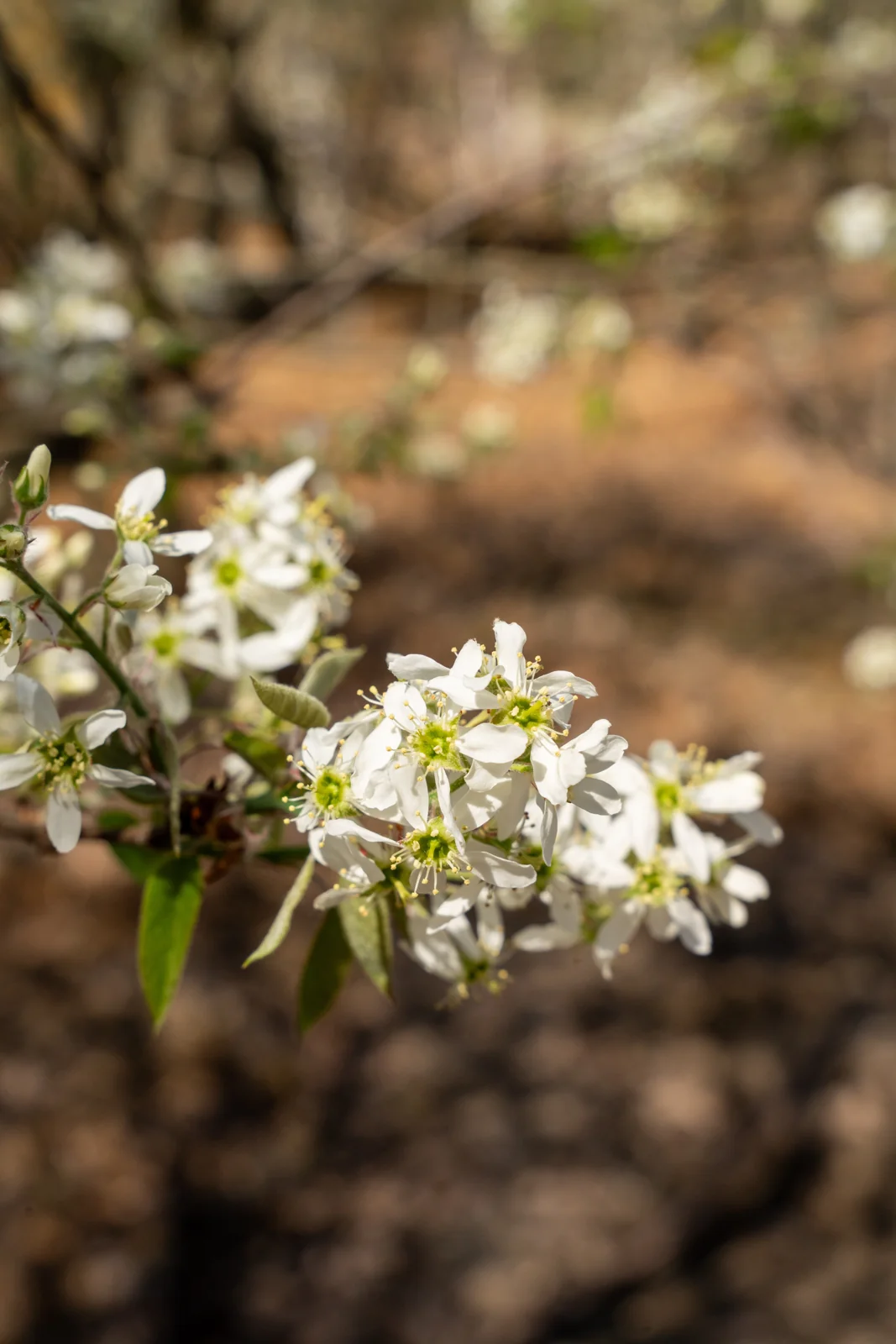
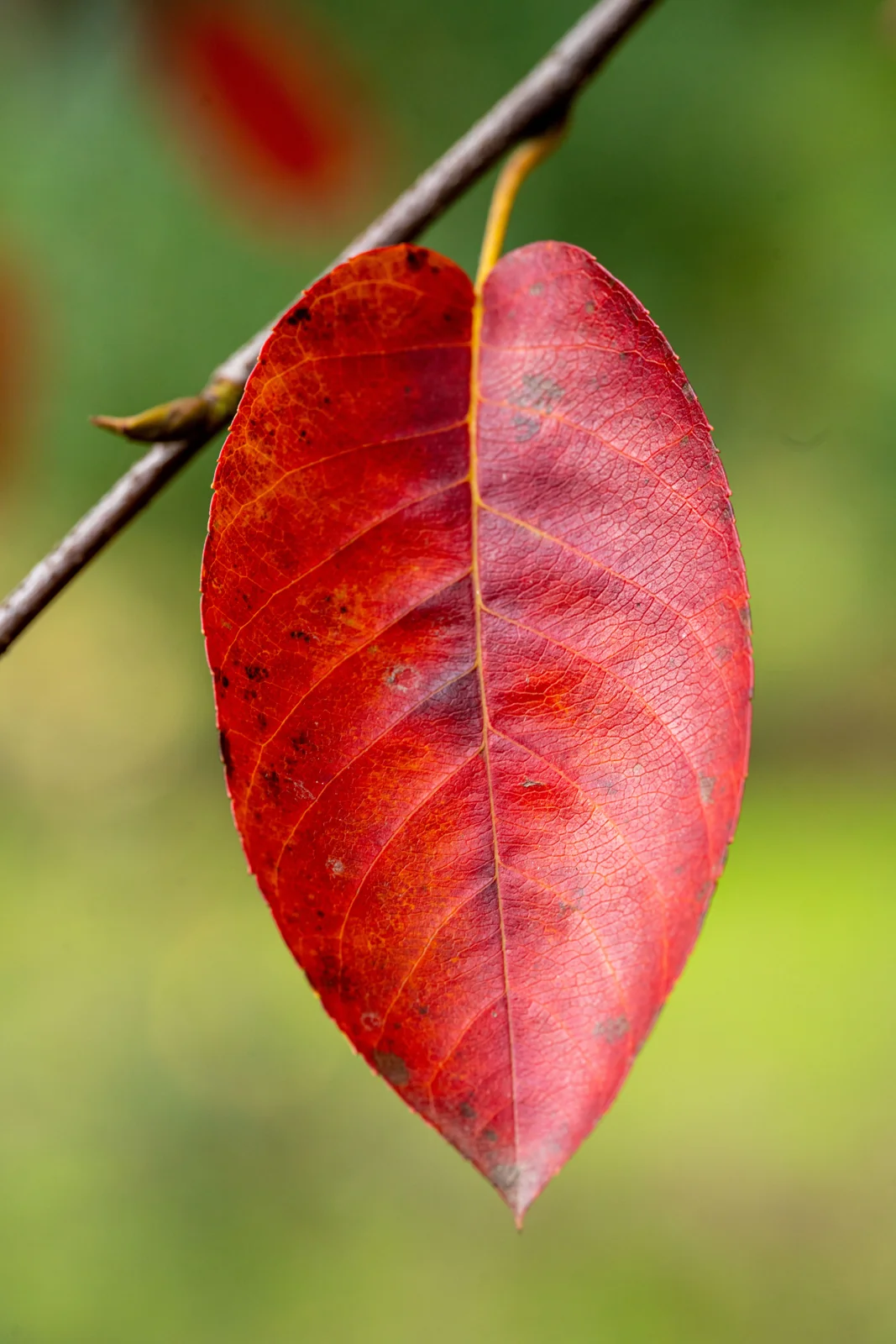
Amelanchier lamarckii (amelanqueiro) carries four distinct ornamental phases on a compact frame. In March and April, drooping racemes of white five-petalled flowers open before or with the leaves, set against a bronze-purple flush of new foliage that reads from across a courtyard. Edible purple-black berries follow in June, resembling small blueberries and…
Read more
Show less
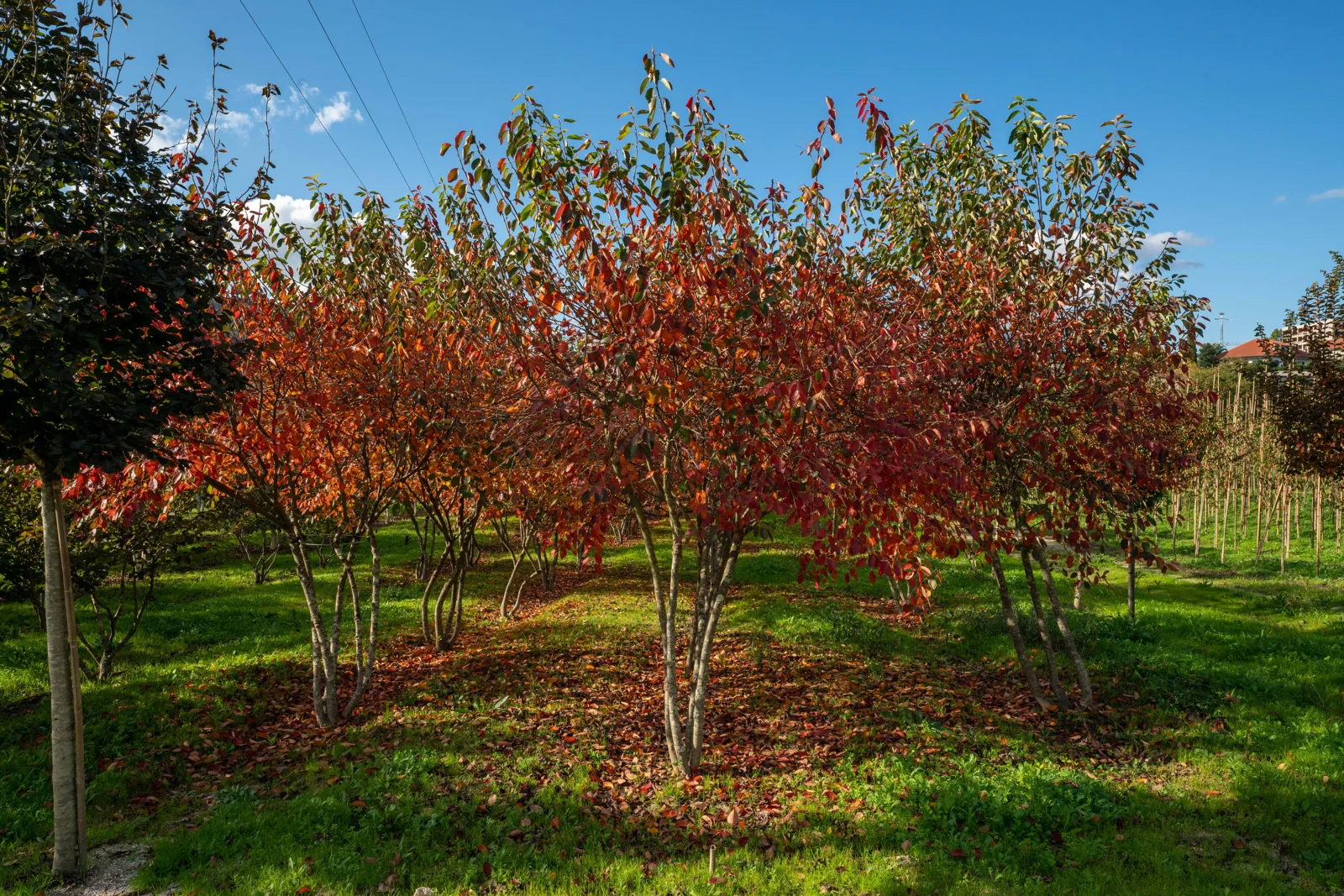
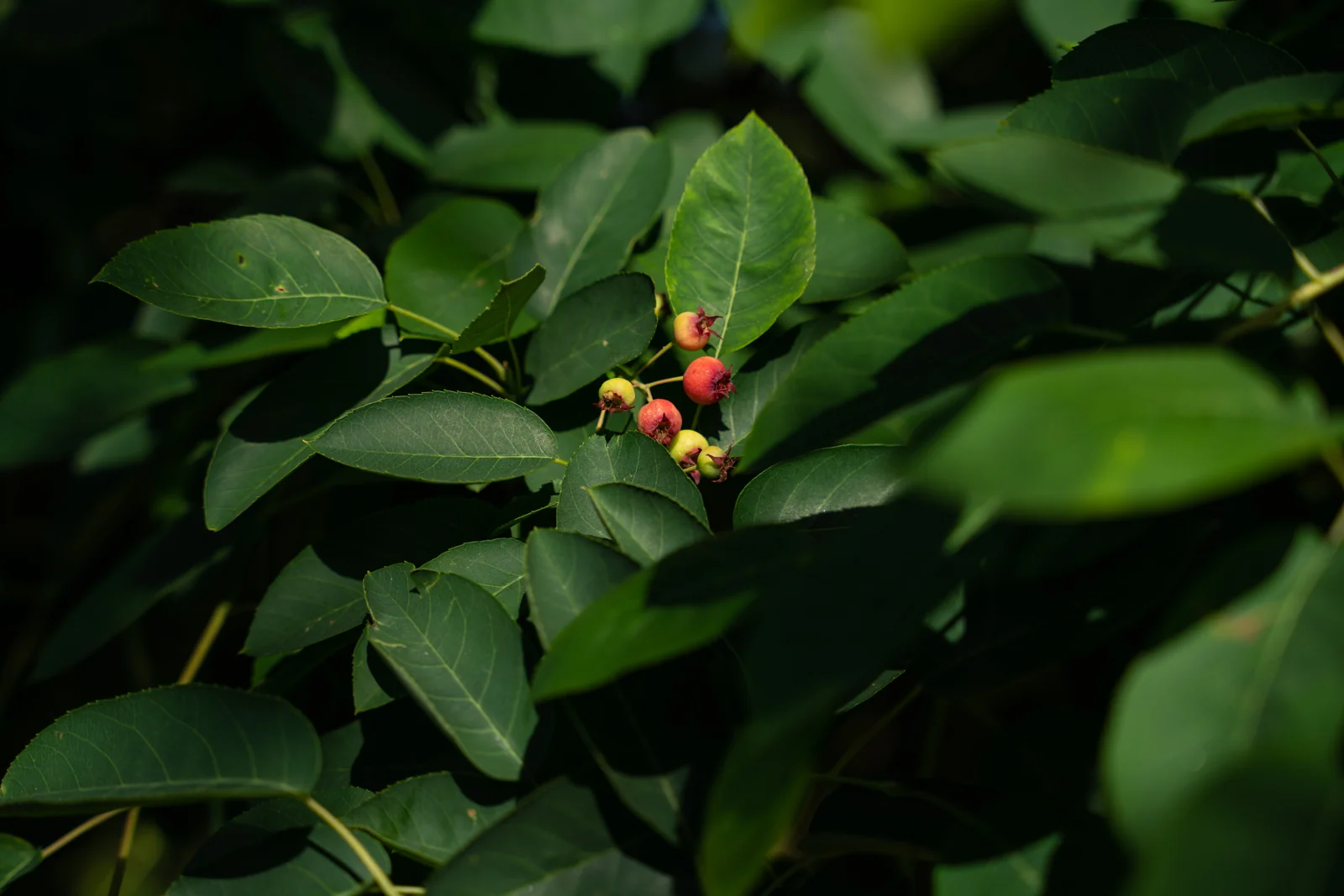
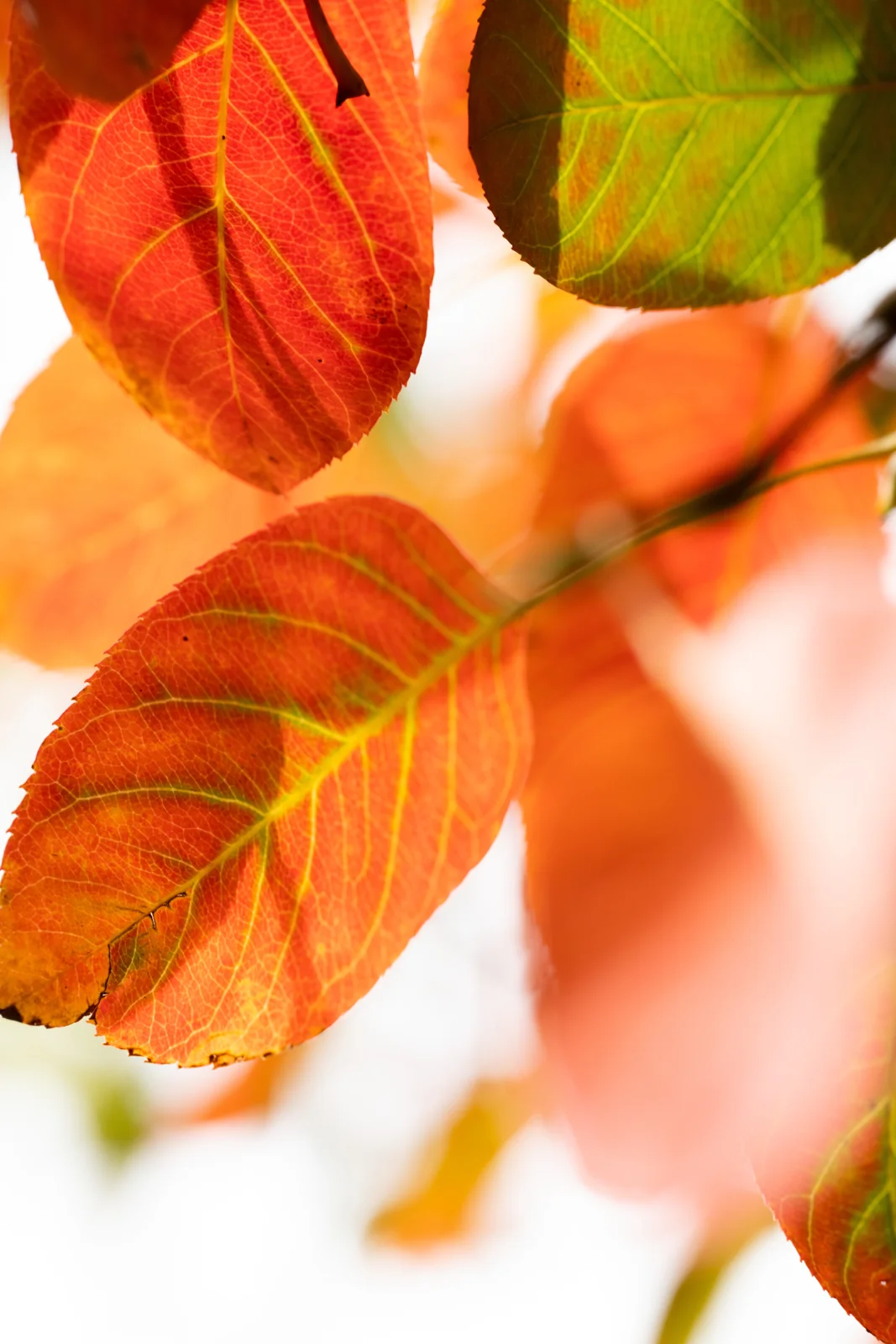
Amelanchier lamarckii (amelanqueiro) carries four distinct ornamental phases on a compact frame. In March and April, drooping racemes of white five-petalled flowers open before or with the leaves, set against a bronze-purple flush of new foliage that reads from across a courtyard. Edible purple-black berries follow in June, resembling small blueberries and drawing thrushes and blackbirds. Summer foliage matures to a clean mid-green; in October, the crown turns brilliant orange and red.
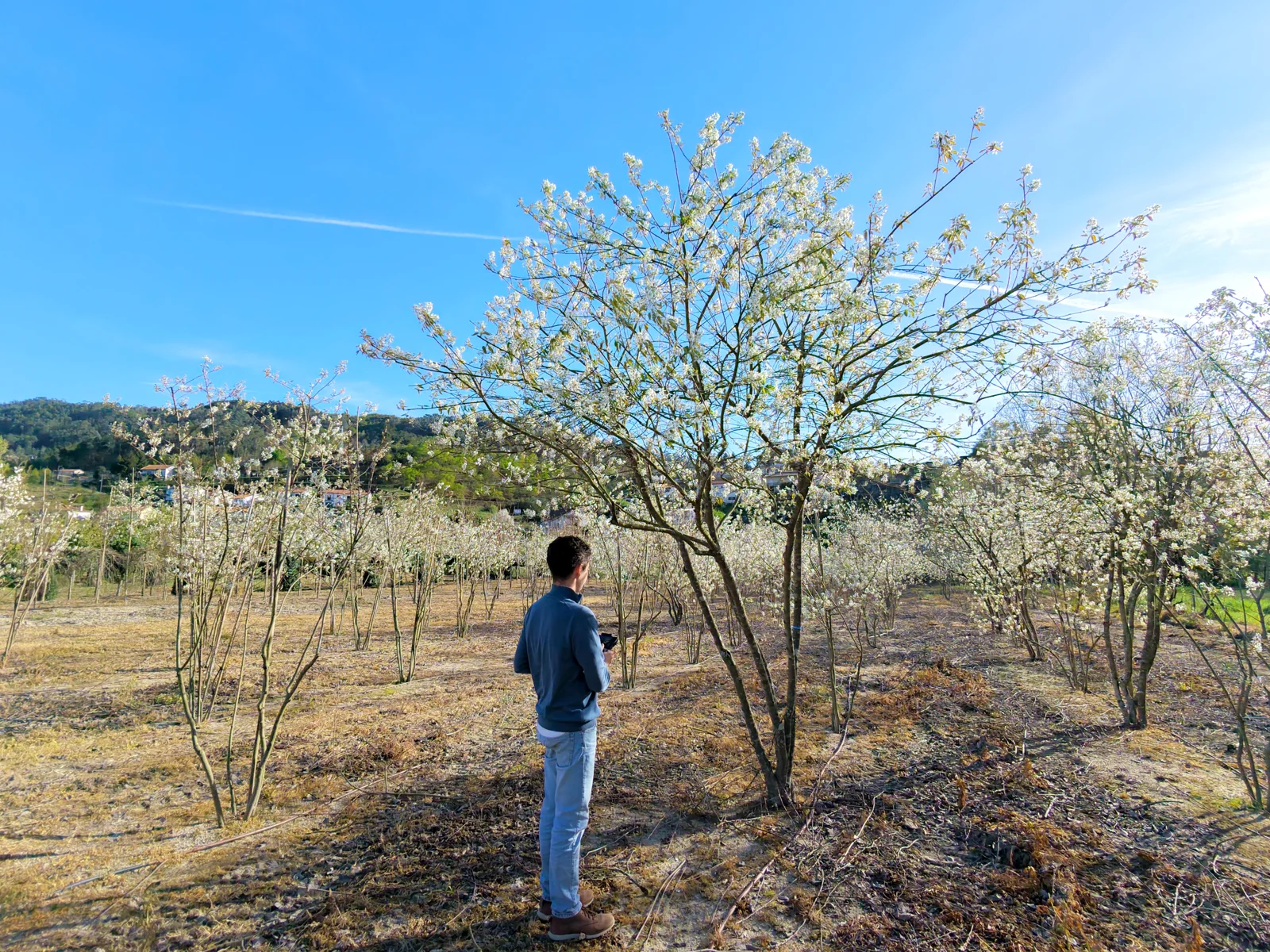
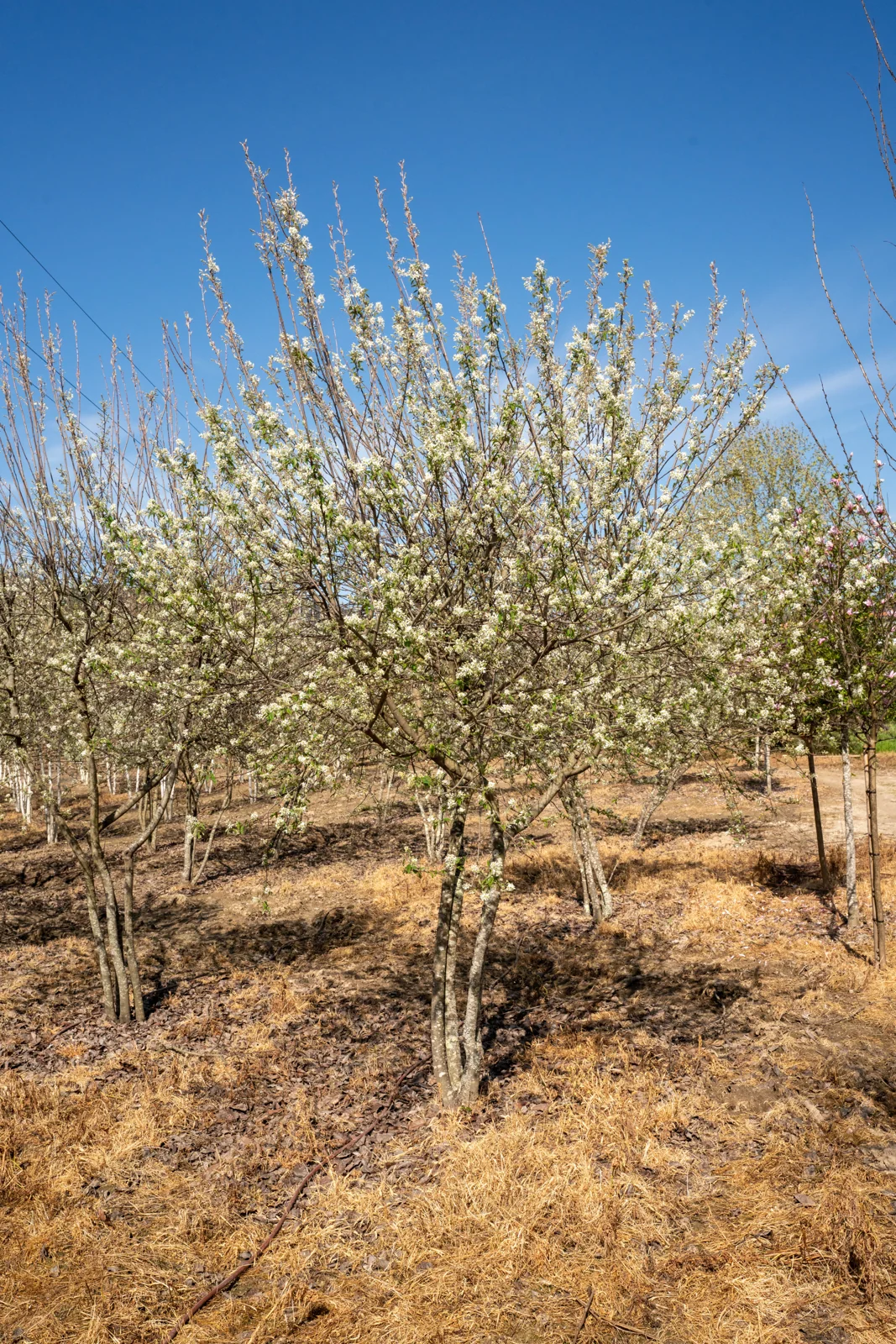
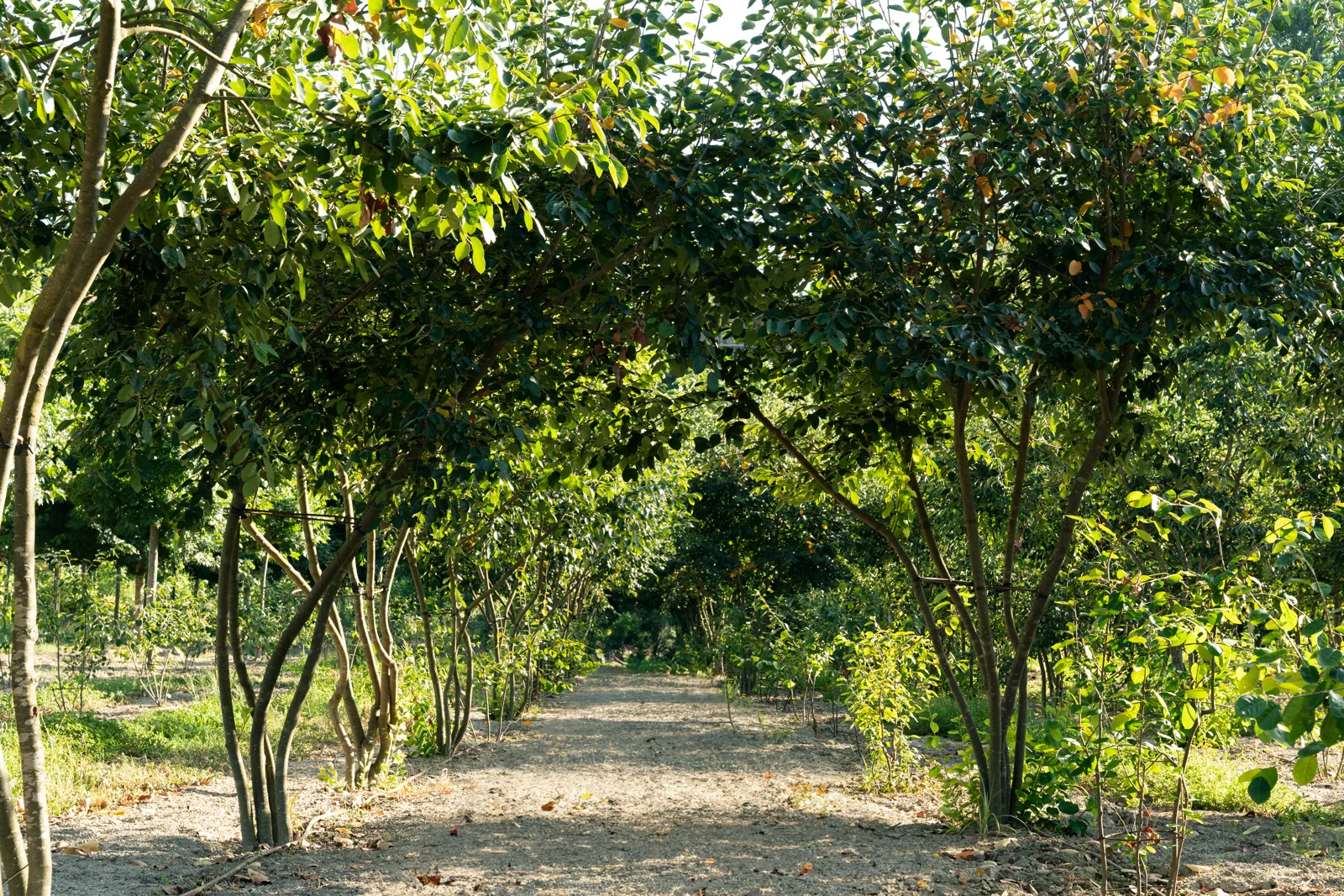
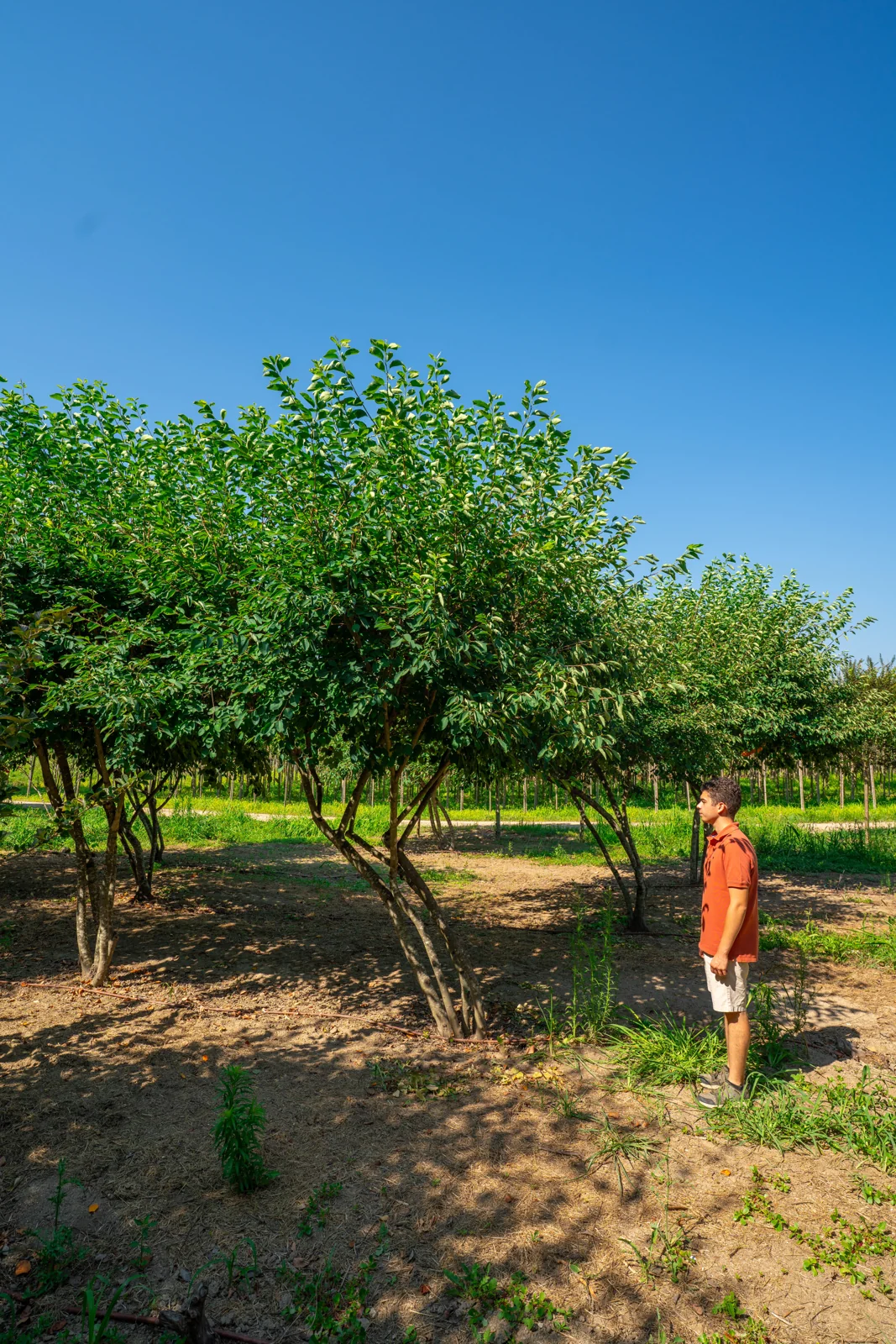
Mature size in Portuguese cultivation reaches 6 to 10 m in height and 4 to 8 m in spread, with an upright then gently arching habit. The species suits multi-stem specification (multi-haste, cépée) at 250 to 400 cm of overall height, where a cluster of three to five clean stems anchors a courtyard, a hotel entrance, a plaza-edge feature, or a residential infill scheme without imposing the visual bulk of a single-stem tree.
Climate fit splits along the Tagus. Across the humid north and centre (Minho, Douro Verde, the Beira granite belt), the species performs reliably on slightly acidic to neutral soils with adequate summer moisture, and it tolerates ground that sits seasonally wet through winter. South of the Tagus, in interior Alentejo and the Algarve, a sheltered north or east aspect, deeper soil, and dependable irrigation through the first three summers are advisable; reflected heat from limestone pavement and prolonged drought are its working limits.
Maintenance reads light. Formative pruning is limited to thinning crossing shoots and selecting clean stems in the early years; the species tolerates crown lifting but does not respond well to hard reduction. No serious pest or disease pressure is recorded in Portuguese cultivation, though rust and powdery mildew can appear under prolonged leaf wetness. Berry drop is short and clean, with most fruit removed by birds before it reaches paving.



Advice on this species
Want to know more about Amelanchier lamarckii?
Tell us about your project and we'll advise you on this species — where it thrives, which size makes sense, and what to expect once planted.
- Produção própria
- Exemplares adultos
- Resposta em 1–2 dias
Sem compromisso · orçamento personalizado