

Heat-loving canopy tree for urban streets and parks
Japanese Pagoda Tree · Styphnolobium japonicum
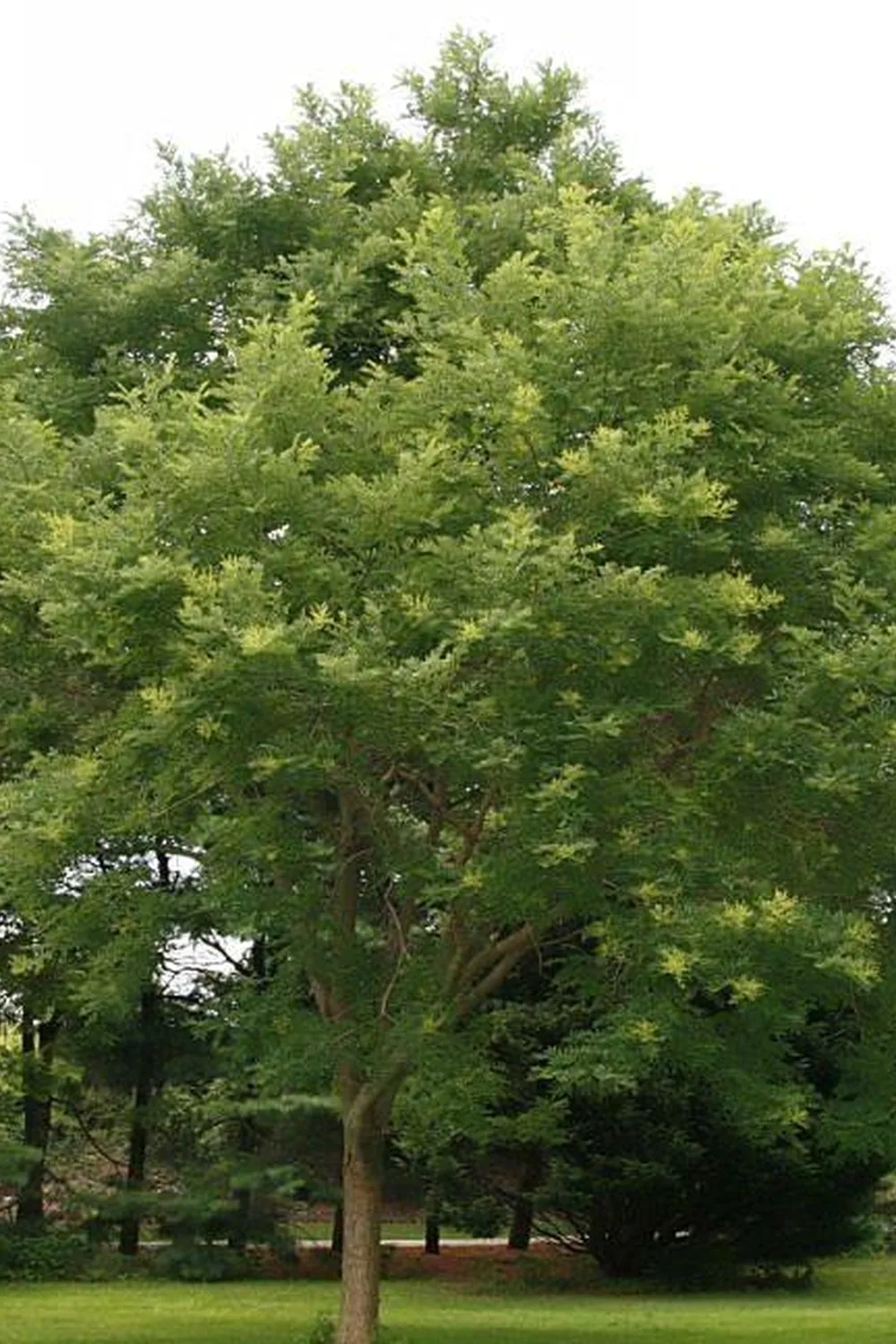
Broad-crowned and late-flowering, this is a hard-working canopy and avenue tree for warm urban sites: it shrugs off compacted soil, air pollution, and summer drought once its deep root system is established, casting fine-textured shade across streets and parks.
About this Species
A medium to large deciduous legume reaching roughly 15 to 25 m tall with a near-equal spread, it carries a rounded, spreading crown of pinnate, fine-textured foliage that holds green late into autumn before a brief gold turn. The structural appeal is the crown's density and breadth: it casts even, dappled shade suited to street pits, park lawns, and the…
Read more
Show less
A medium to large deciduous legume reaching roughly 15 to 25 m tall with a near-equal spread, it carries a rounded, spreading crown of pinnate, fine-textured foliage that holds green late into autumn before a brief gold turn. The structural appeal is the crown's density and breadth: it casts even, dappled shade suited to street pits, park lawns, and the framework role a Platanus or Gleditsia plays in the shared European urban canon.
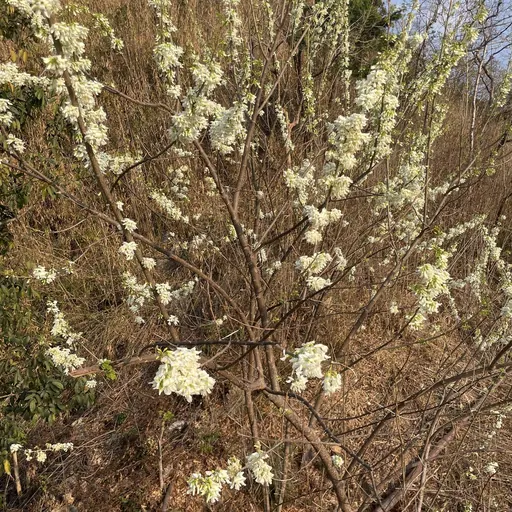
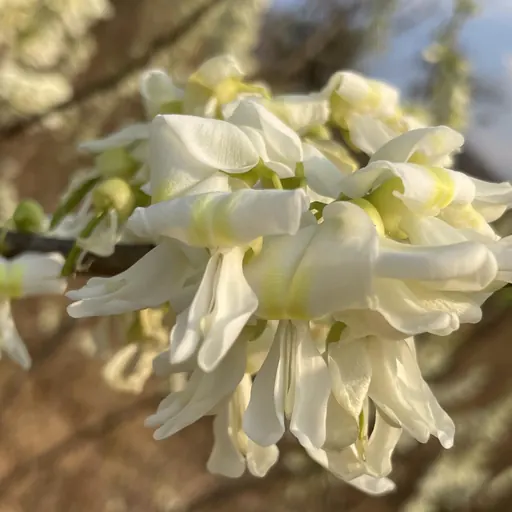
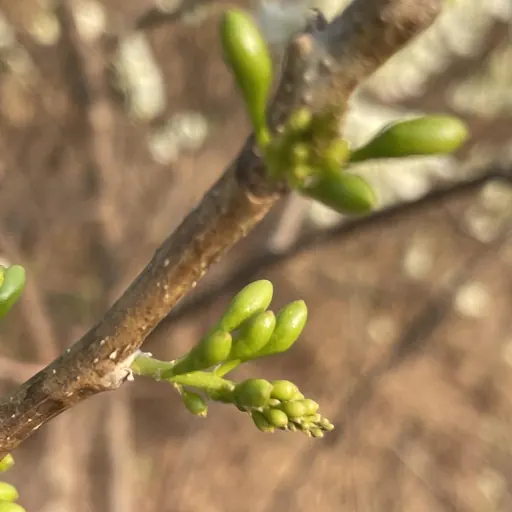
In mid to late summer it bears large terminal panicles of creamy, lightly fragrant pea flowers, drawing bees, then pendulous seed pods that persist constricted between the seeds, like beads on a string, through winter. Flowering depends on heat: blossom develops freely after hot summers and may fail to set in cool, wet ones, so the floral display is reliable in warm-temperate and continental conditions and intermittent in cooler maritime climates.
Wood hardiness is broad, to roughly minus 28 °C (USDA zone 4b through 9a), which carries the tree well into Central and Eastern Europe and the southern Scandinavian seaboard; the practical limit is flowering rather than survival, since the crown wants a warm summer to perform. It tolerates heat sustained above 35 °C, air pollution, and drought once the deep root system is down, but needs full sun and a free-draining loamy or sandy soil to thrive.
The timber is brittle and the low branching habit needs early formative pruning to lift a clean stem and shed weak forks, reducing breakage under wind and wet snow. The seed pods are toxic if eaten, worth noting for planting near play areas. Pest and disease pressure is low, with occasional leafhopper, canker, or mildew.



Advice on this species
Want to know more about Styphnolobium japonicum?
Tell us about your project and we'll advise you on this species — where it thrives, which size makes sense, and what to expect once planted.
- Produção própria
- Exemplares adultos
- Resposta em 1–2 dias
Sem compromisso · orçamento personalizado