

Understorey specimen tree for cool-temperate woodland schemes
Flowering Dogwood · Cornus florida
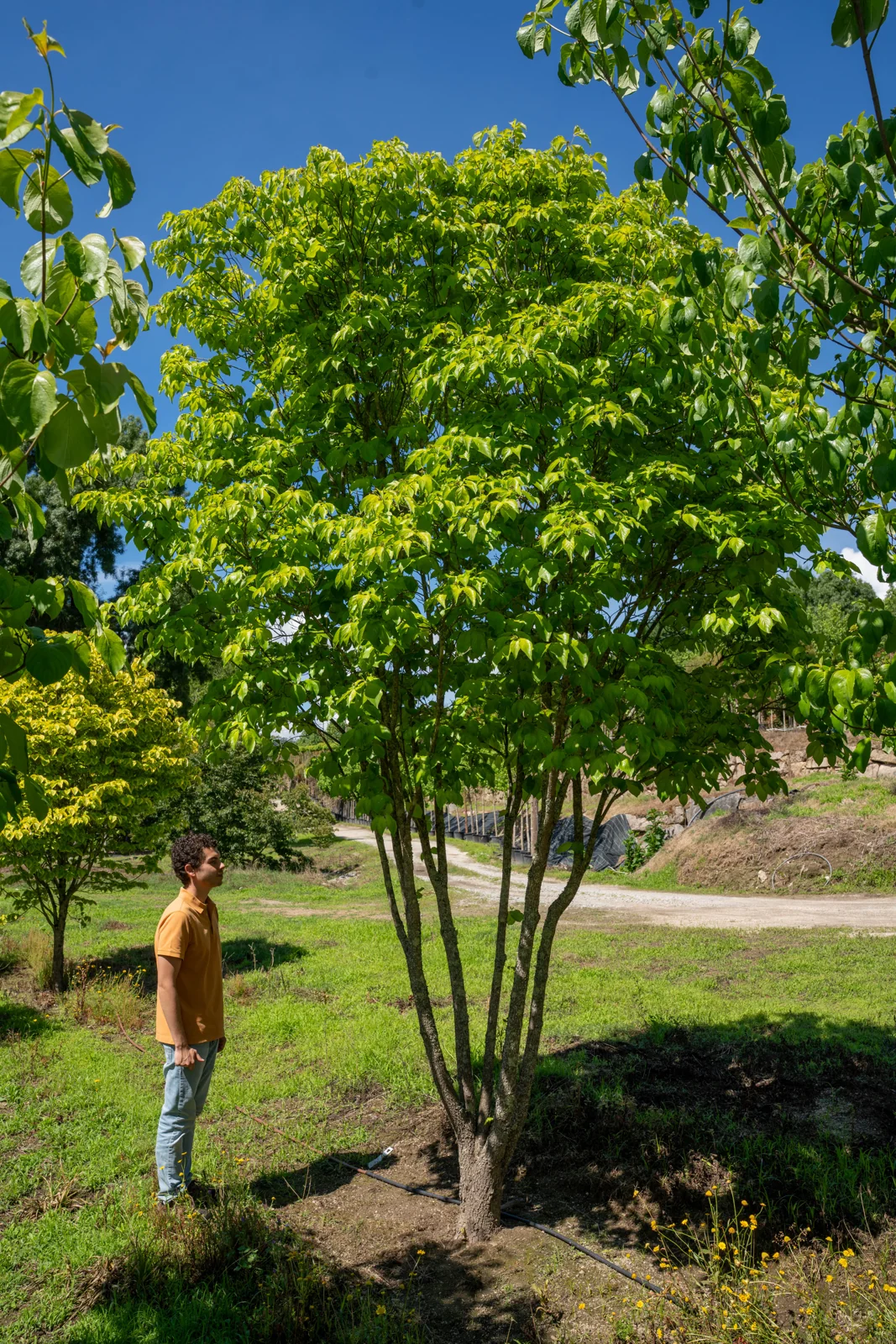
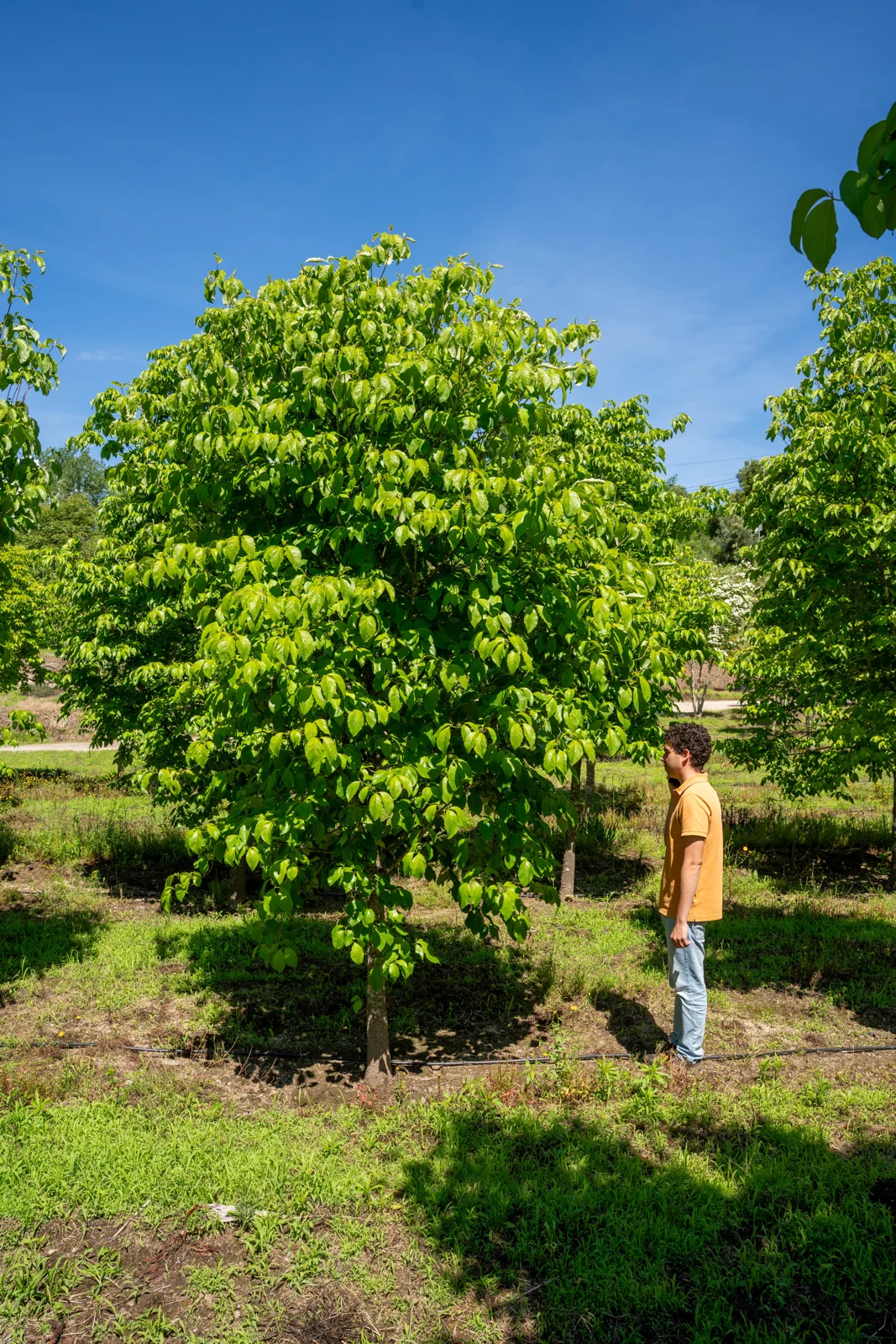
A small, slow-growing deciduous tree (5 to 10 m at maturity) specified for sheltered, partially shaded positions in cool-temperate gardens, where its layered branching and four-bract spring display anchor woodland-edge and ornamental groupings.
About this Species
Reliably winter-hardy across USDA zones 5 to 9 (approximately minus 26 °C to minus 7 °C absolute minima), giving it the broadest cold tolerance of the small flowering trees in the European trade. Performance, however, is gated less by winter cold than by summer stress: drought tolerance is low, and prolonged exposure above 35 °C with shallow rooting…
Read more
Show less
Reliably winter-hardy across USDA zones 5 to 9 (approximately minus 26 °C to minus 7 °C absolute minima), giving it the broadest cold tolerance of the small flowering trees in the European trade. Performance, however, is gated less by winter cold than by summer stress: drought tolerance is low, and prolonged exposure above 35 °C with shallow rooting produces leaf scorch and predisposes the tree to canker. Specify with assured soil moisture, organic-rich loam, and afternoon shade in continental and Mediterranean climates.
Functional range across Europe is therefore narrower than the zone numbers suggest. The species performs reliably across the Atlantic seaboard, the British Isles, coastal Netherlands and Belgium, central and northern France, southern Scandinavia, and the milder parts of Central Europe with reliable summer rainfall above 700 mm. It is not recommended for the inland Pannonian basin, the Aegean coast, or exposed urban tree pits anywhere south of the Loire without irrigation and afternoon shade.
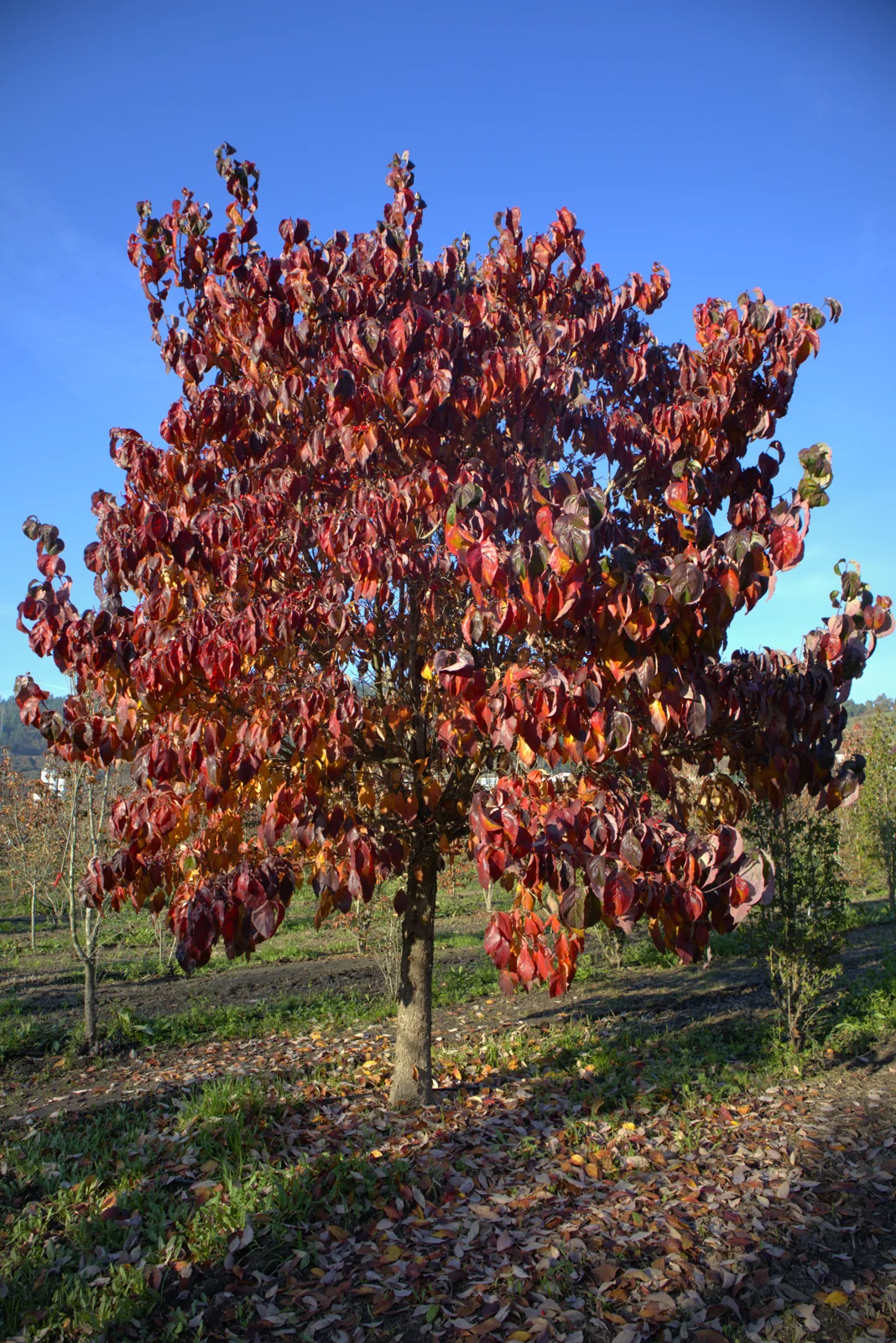
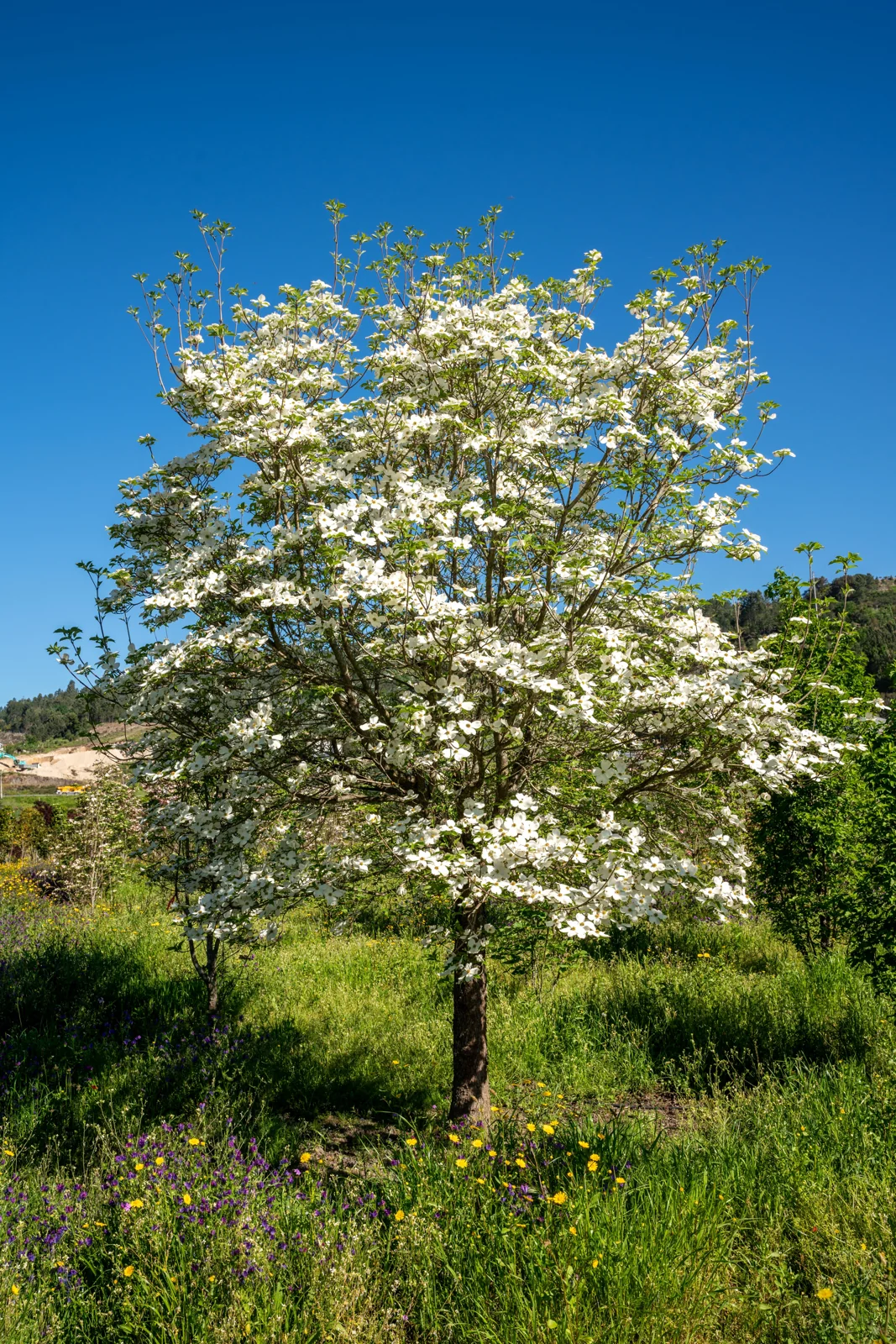
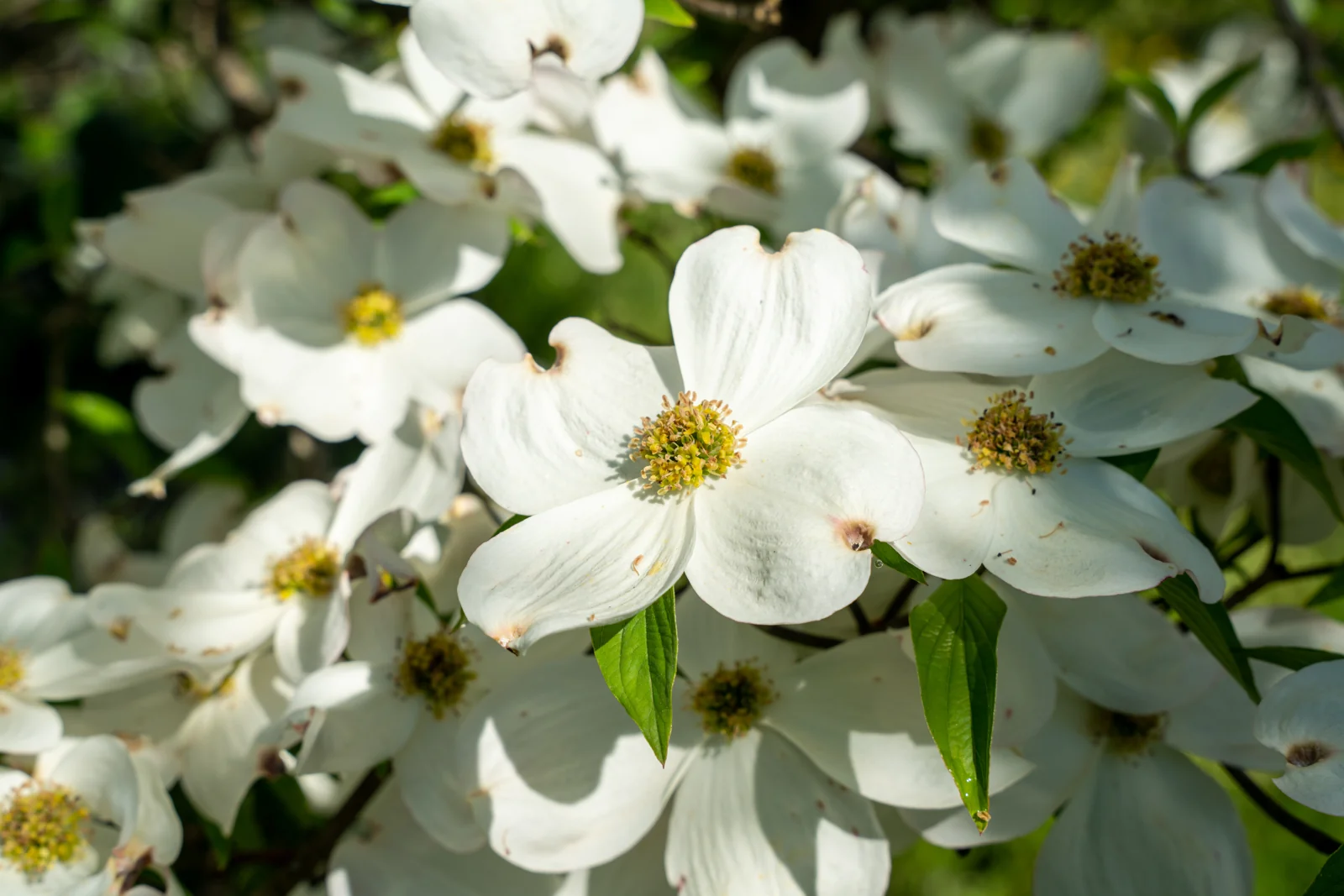
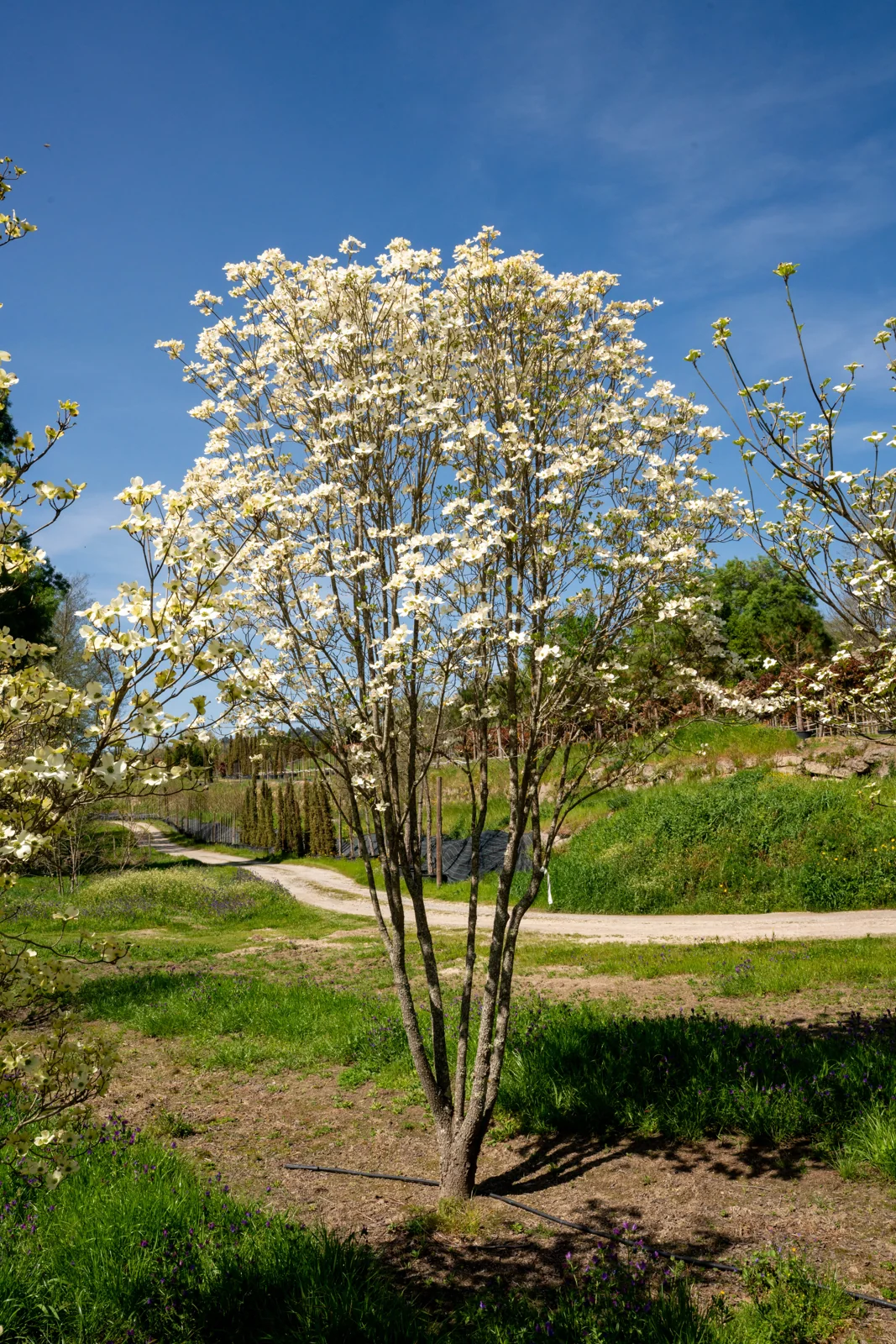
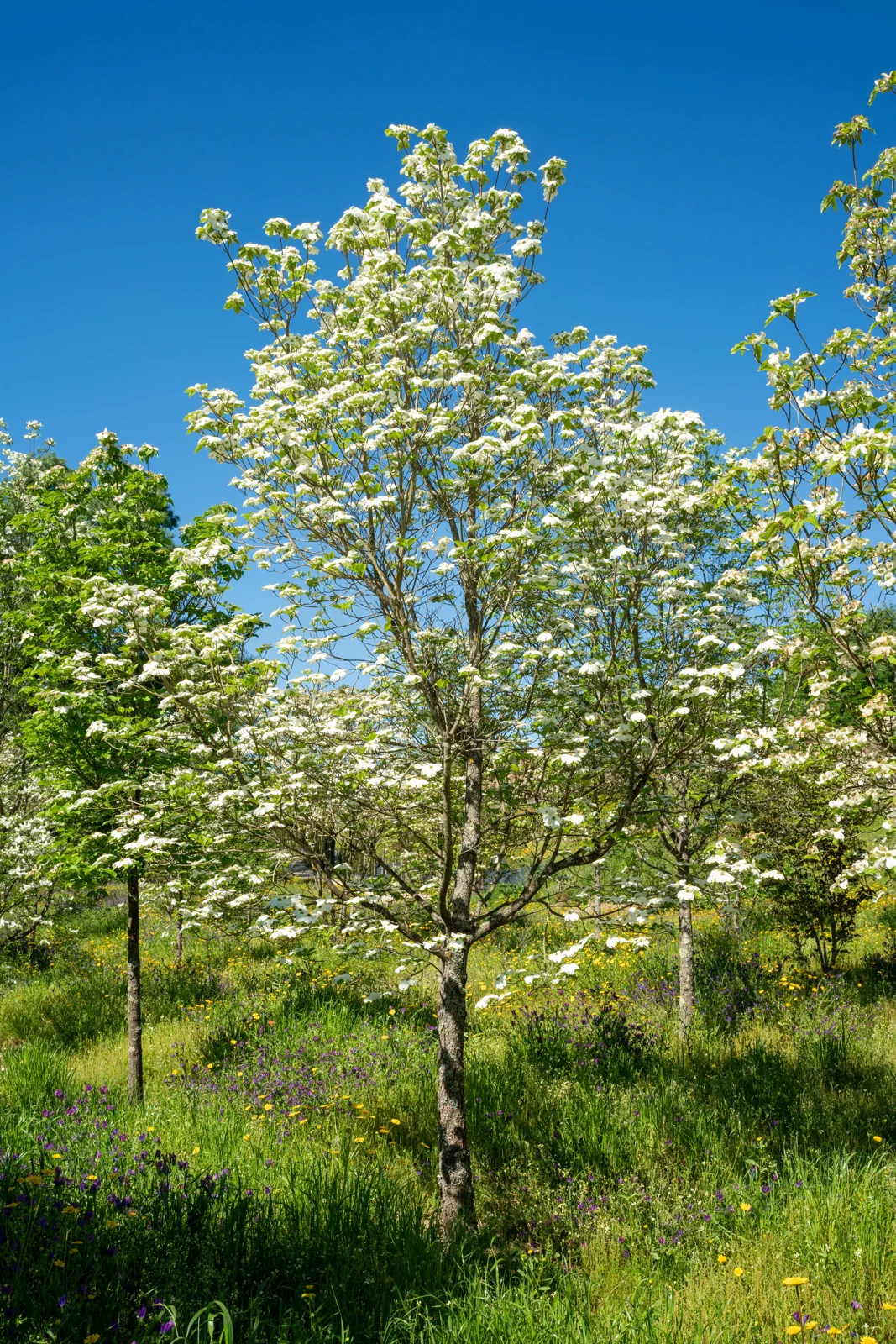
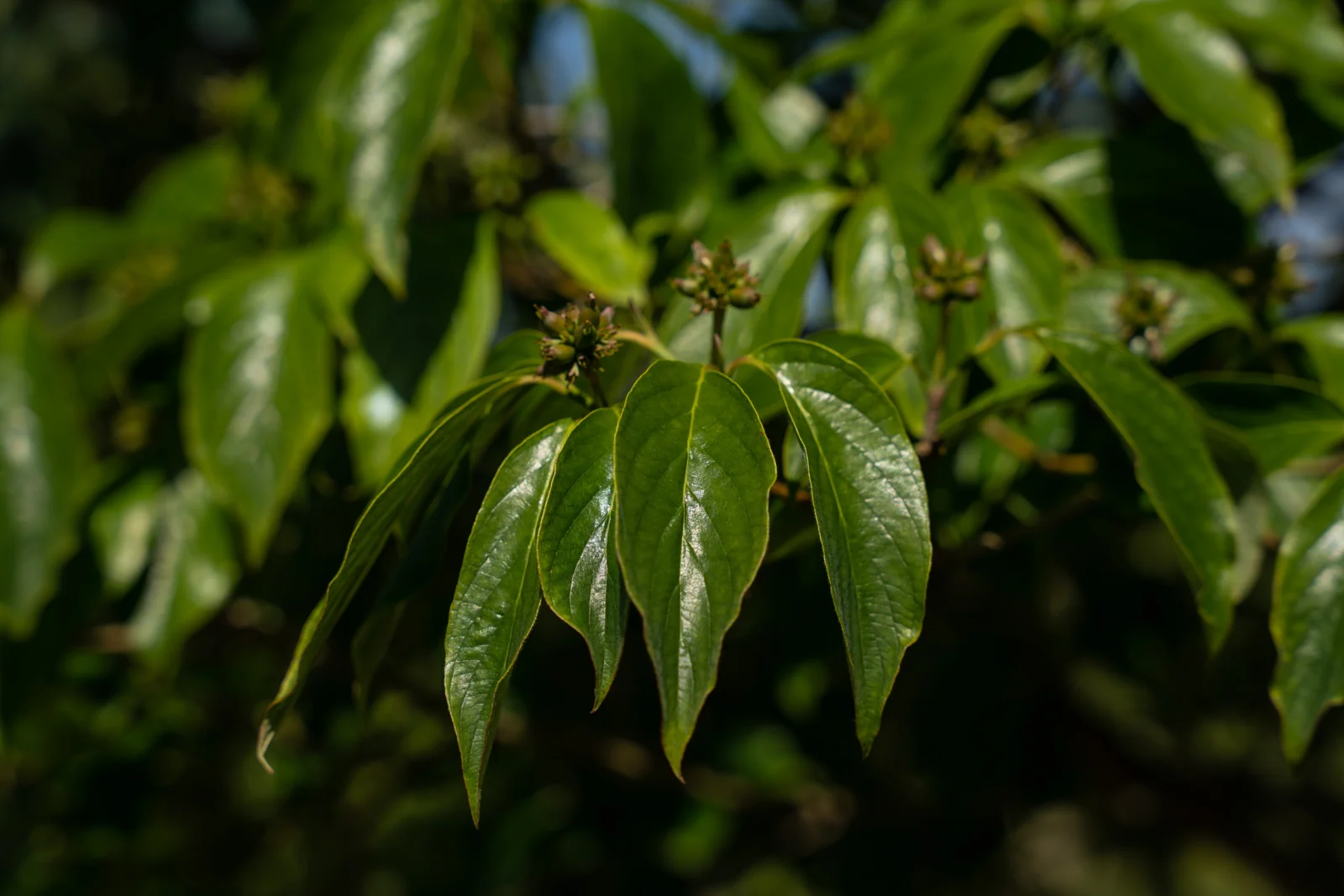
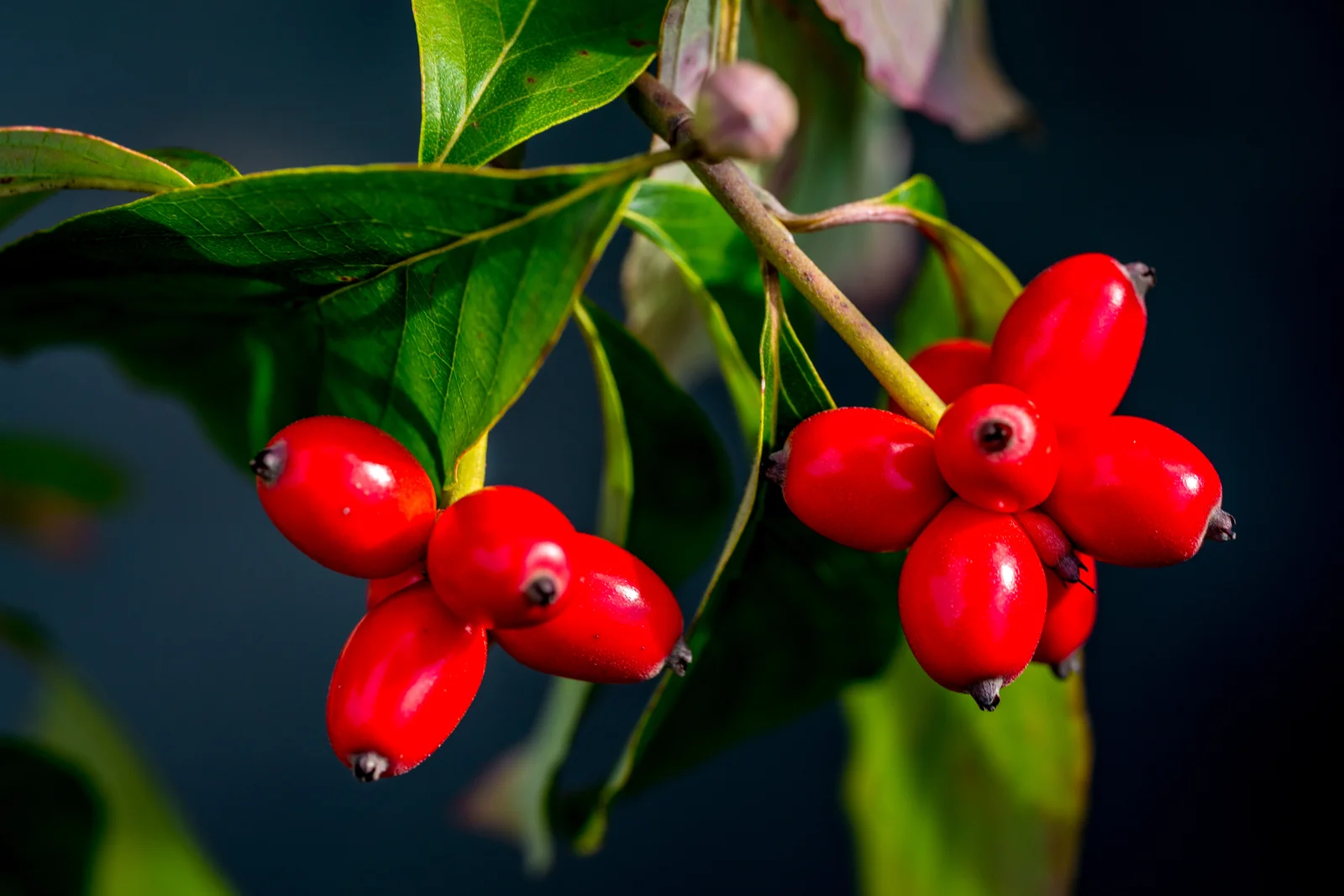
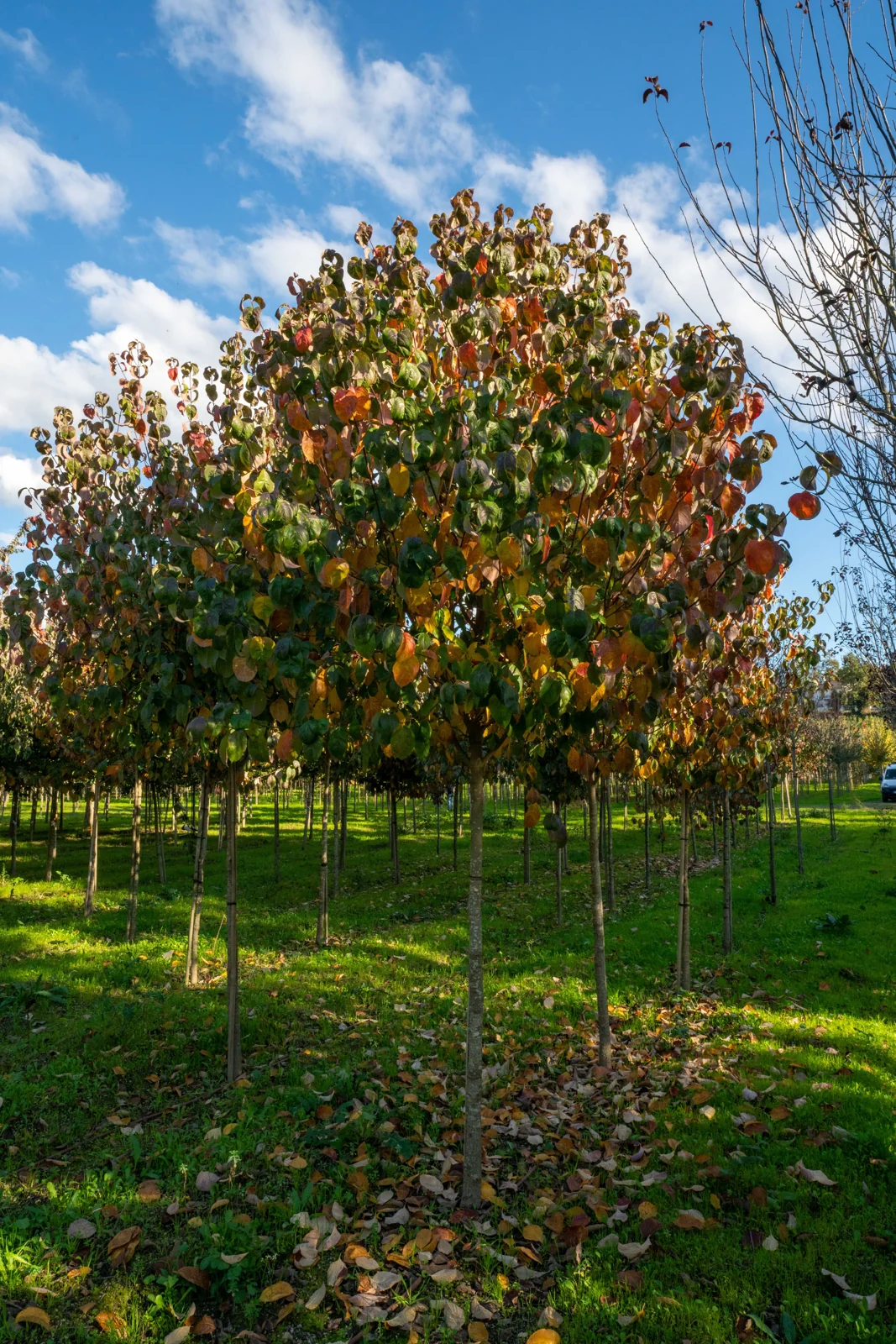
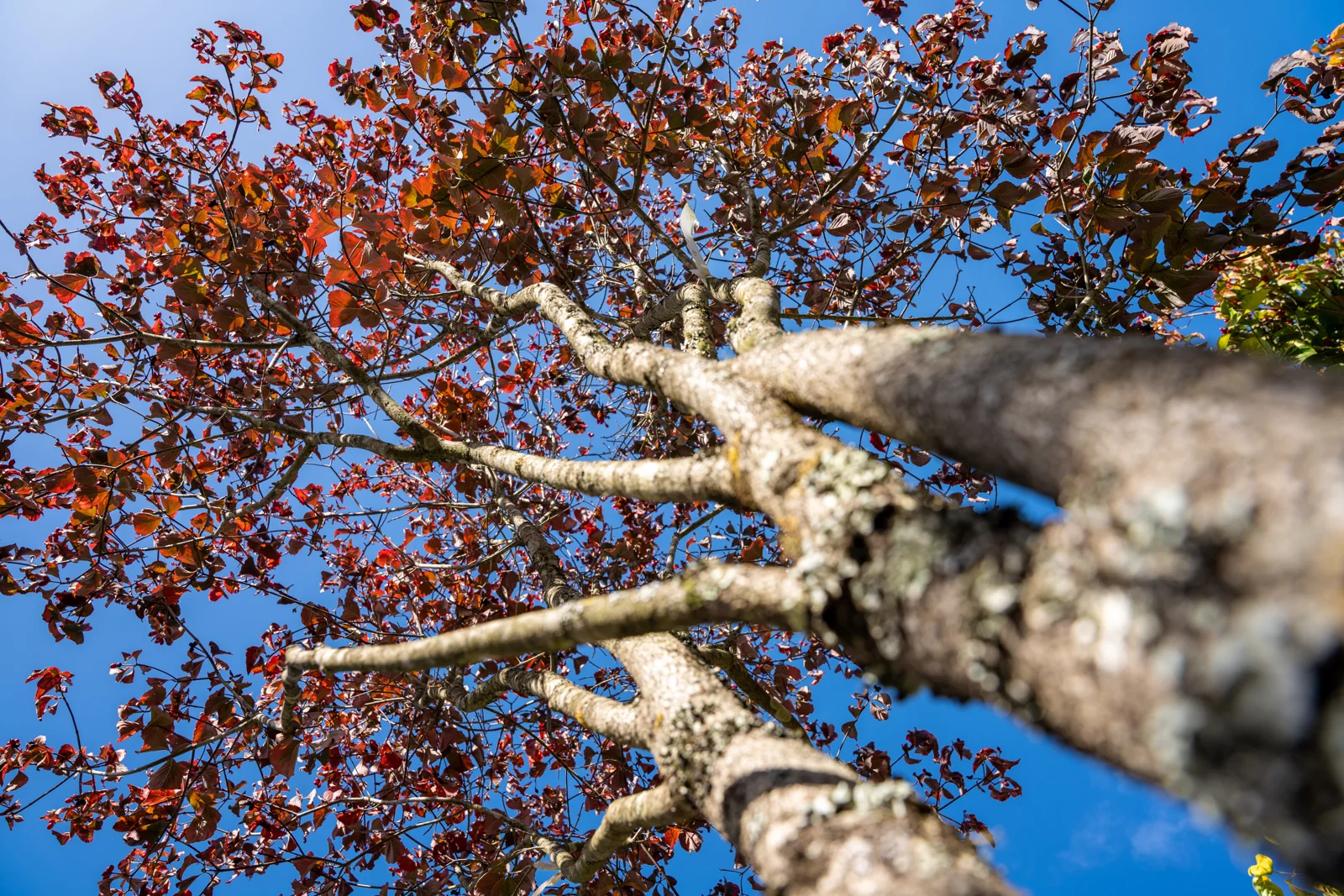
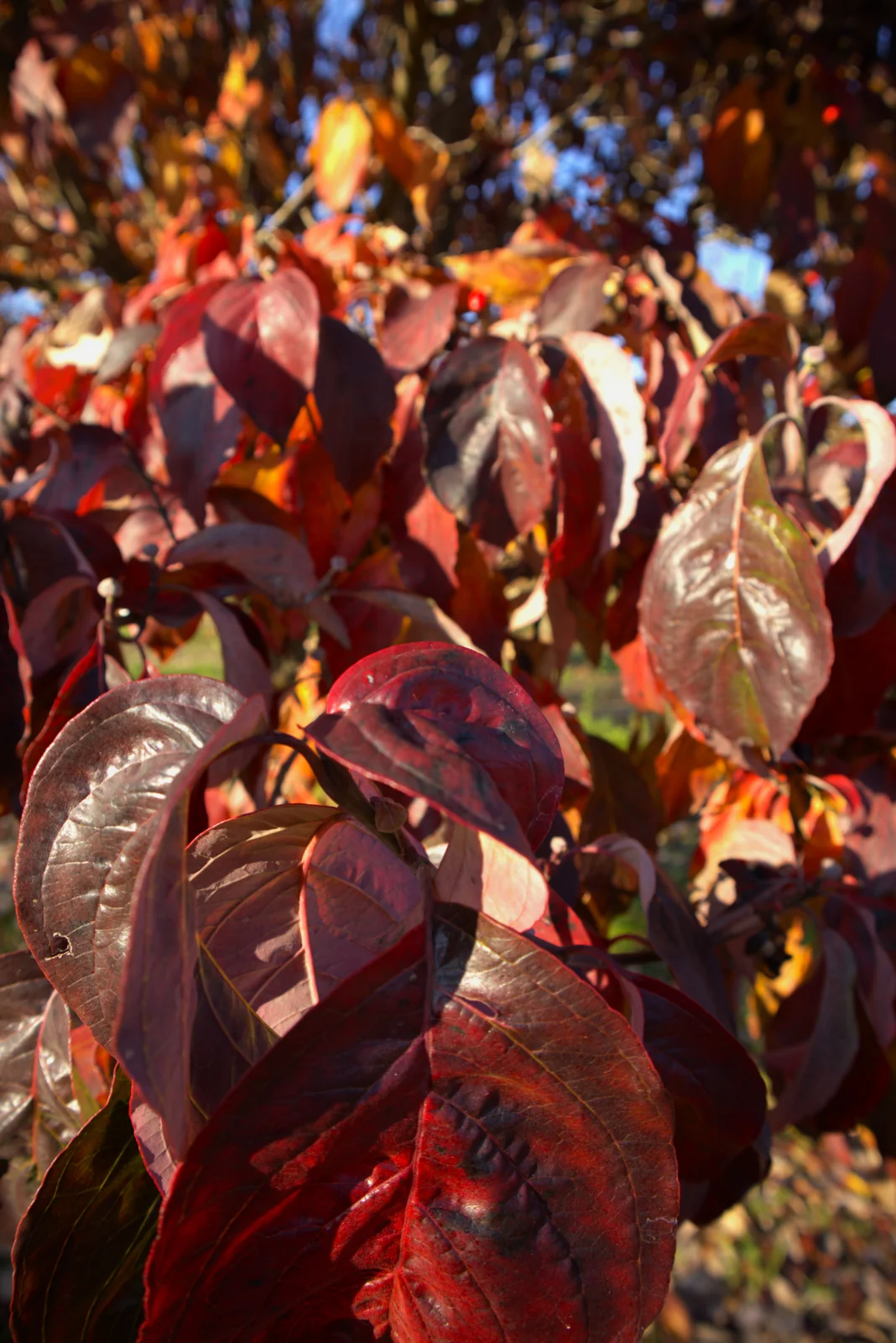
Form is low-branching, broadly rounded to flat-topped, with strongly horizontal tiers. The four petal-like bracts (white in the type, pink in the rubra group) open in April and May before the foliage, sit flat against the layered branches, and read clearly at distance. Oval leaves turn red to purple-red in autumn; the bright red drupes ripen in late summer and feed birds into early winter. Mature bark plates into small dark blocks, holding winter structure in deciduous schemes.
Dogwood anthracnose (Discula destructiva) remains the principal pathological concern under European-wide phytosanitary monitoring; resistant cultivars from the Appalachian and Cherokee groups are the defensible specification where pressure is documented. Use as a specimen at woodland edges, in shaded courtyards, and in ornamental groupings beneath established canopy of Quercus or Tilia, not as a standalone urban-pit tree.



Advice on this species
Want to know more about Cornus florida?
Tell us about your project and we'll advise you on this species — where it thrives, which size makes sense, and what to expect once planted.
- Produção própria
- Exemplares adultos
- Resposta em 1–2 dias
Sem compromisso · orçamento personalizado