

A summer-flowering shade tree for the hot, dry garden
Japanese Pagoda Tree · Styphnolobium japonicum
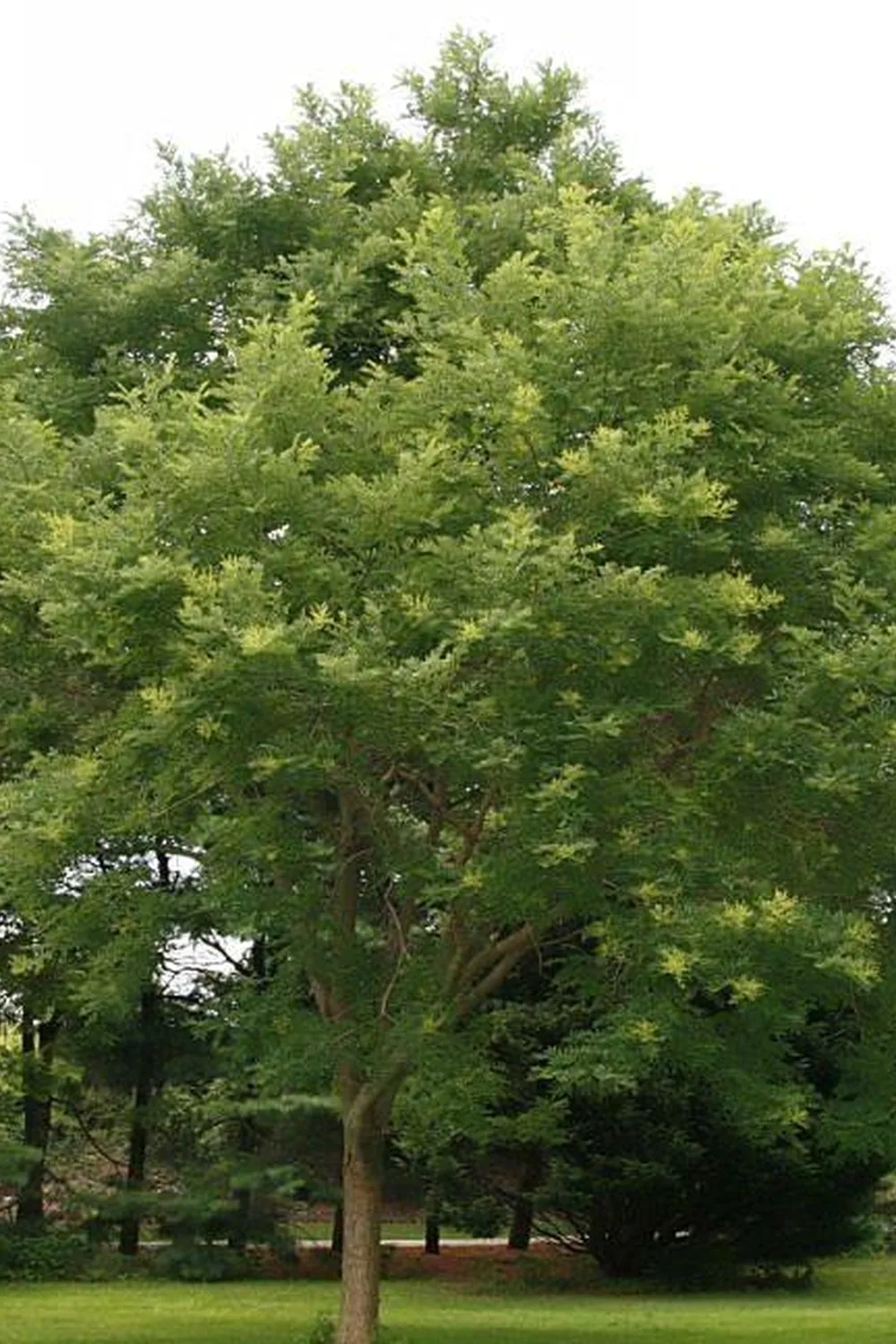
Broad and round-crowned at maturity, it earns its place where a deciduous canopy must carry summer shade through hot, dry conditions and tolerate compacted urban soils and air pollution, flowering late in the season after the heat builds.
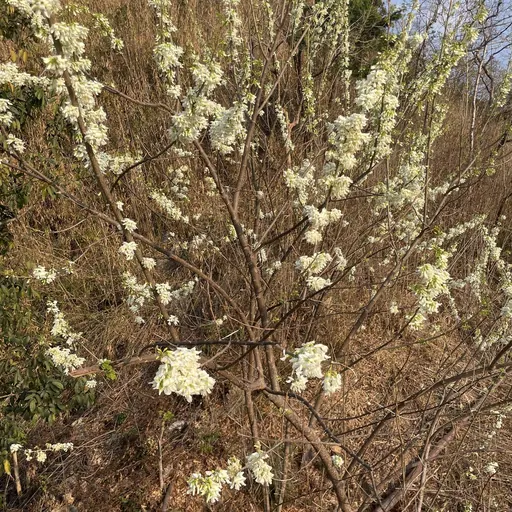
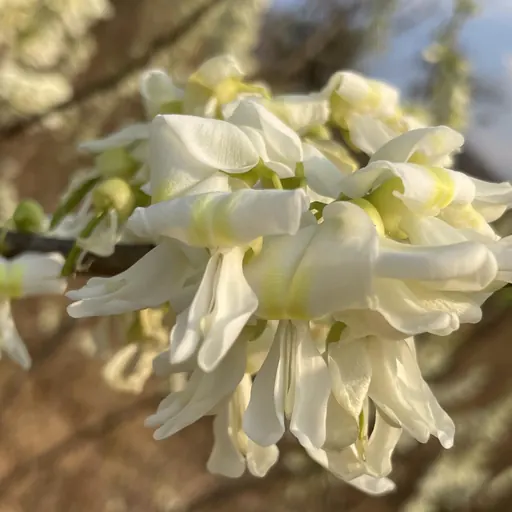
- Fragrant cream flowers in July and August, when little else blooms
- Airy, fine-leaved crown casting cool dappled shade over terrace or finca
- Deep-rooted and genuinely drought-tolerant once established, flowering best after hot summers
About this Species
Reaching 15 to 25 metres tall with a spread of 12 to 18 metres, this is a substantial round-crowned deciduous tree for parks, avenues (alineaciones), and large urban schemes. Where a specifier might otherwise reach for plátano de sombra (Platanus x acerifolia) but wants to avoid its Ceratocystis platani exposure, it offers comparable canopy and shade from a…
Read more
Show less
Reaching 15 to 25 metres tall with a spread of 12 to 18 metres, this is a substantial round-crowned deciduous tree for parks, avenues (alineaciones), and large urban schemes. Where a specifier might otherwise reach for plátano de sombra (Platanus x acerifolia) but wants to avoid its Ceratocystis platani exposure, it offers comparable canopy and shade from a Fabaceae outside that pressure. The fine-textured pinnate foliage casts open, dappled shade that suits underplanting.
The defining trait for a Spanish project is its tolerance of summer heat and drought. A deep root system gives it reliable performance through hot dry summers once established, and it withstands urban air pollution, which makes it a sound choice across Mediterranean coastal conditions (hot dry summers, mild winters, often alkaline soils) and the hot summers of the continental interior (meseta). It is hardy well below the winter minima of those zones, so late frosts are not a limiting factor.
Water demand is modest after establishment. The tree needs regular irrigation through its first two to three summers to build the root system; thereafter it carries dry summers with little or no supplementary water, and tolerates irrigation cut-offs during sequía restrictions on established stock. In the semi-arid southeast it performs best with a deep occasional soak rather than frequent shallow watering.
It favours full sun and free-draining loamy or sandy soils, and shows no serious pest or disease susceptibility. The wood is relatively brittle, so formative pruning of young stock to a sound branch structure repays itself by reducing wind and snow-load breakage at maturity. Flowering comes late, in mid to late summer, as fragrant cream-white panicles that the bees work heavily and that open most freely after a hot summer.



Advice on this species
Want to know more about Styphnolobium japonicum?
Tell us about your project and we'll advise you on this species — where it thrives, which size makes sense, and what to expect once planted.
- Produção própria
- Exemplares adultos
- Resposta em 1–2 dias
Sem compromisso · orçamento personalizado