

The tree that taught dry gardens how to age well
Olive Tree · Olea europaea
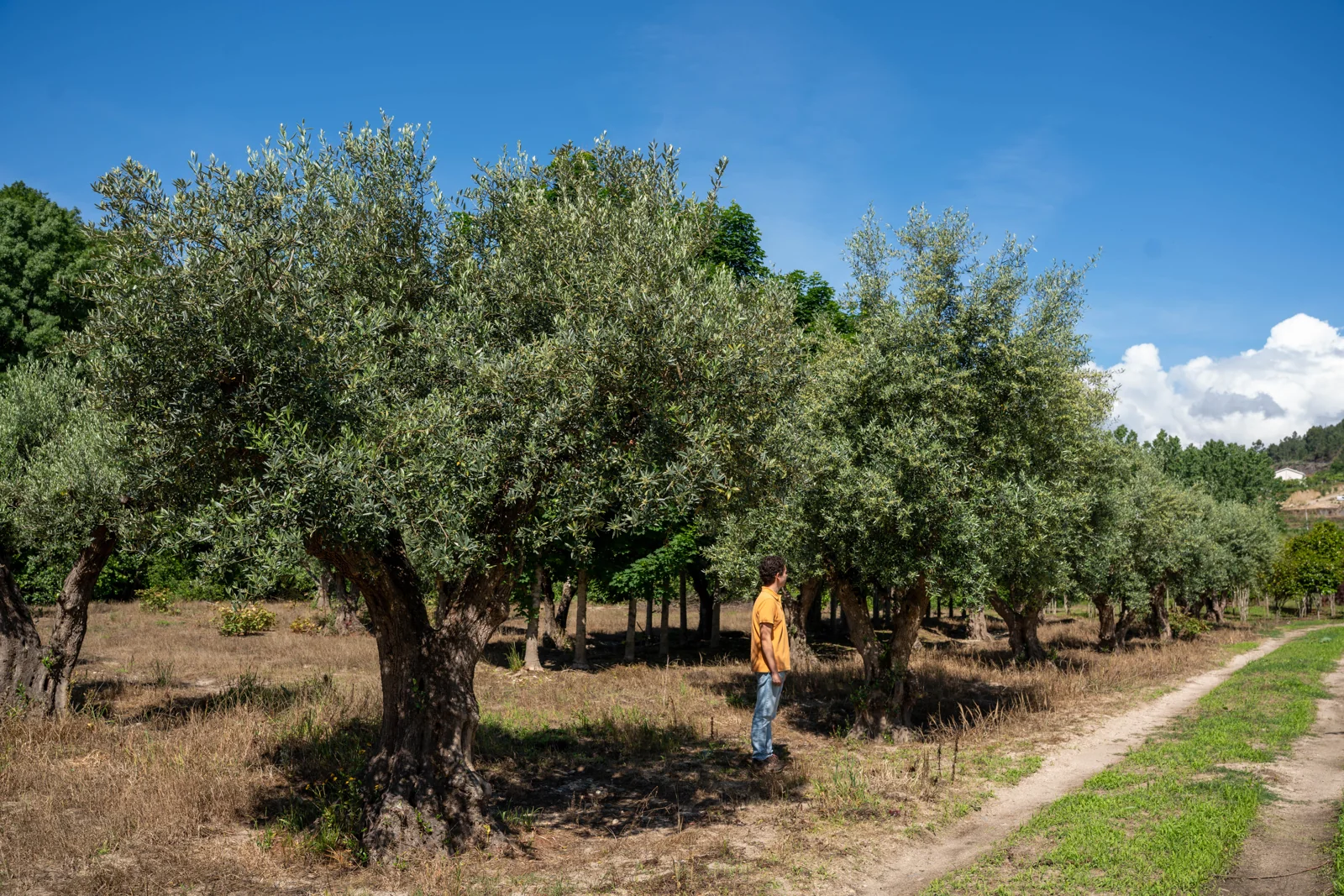
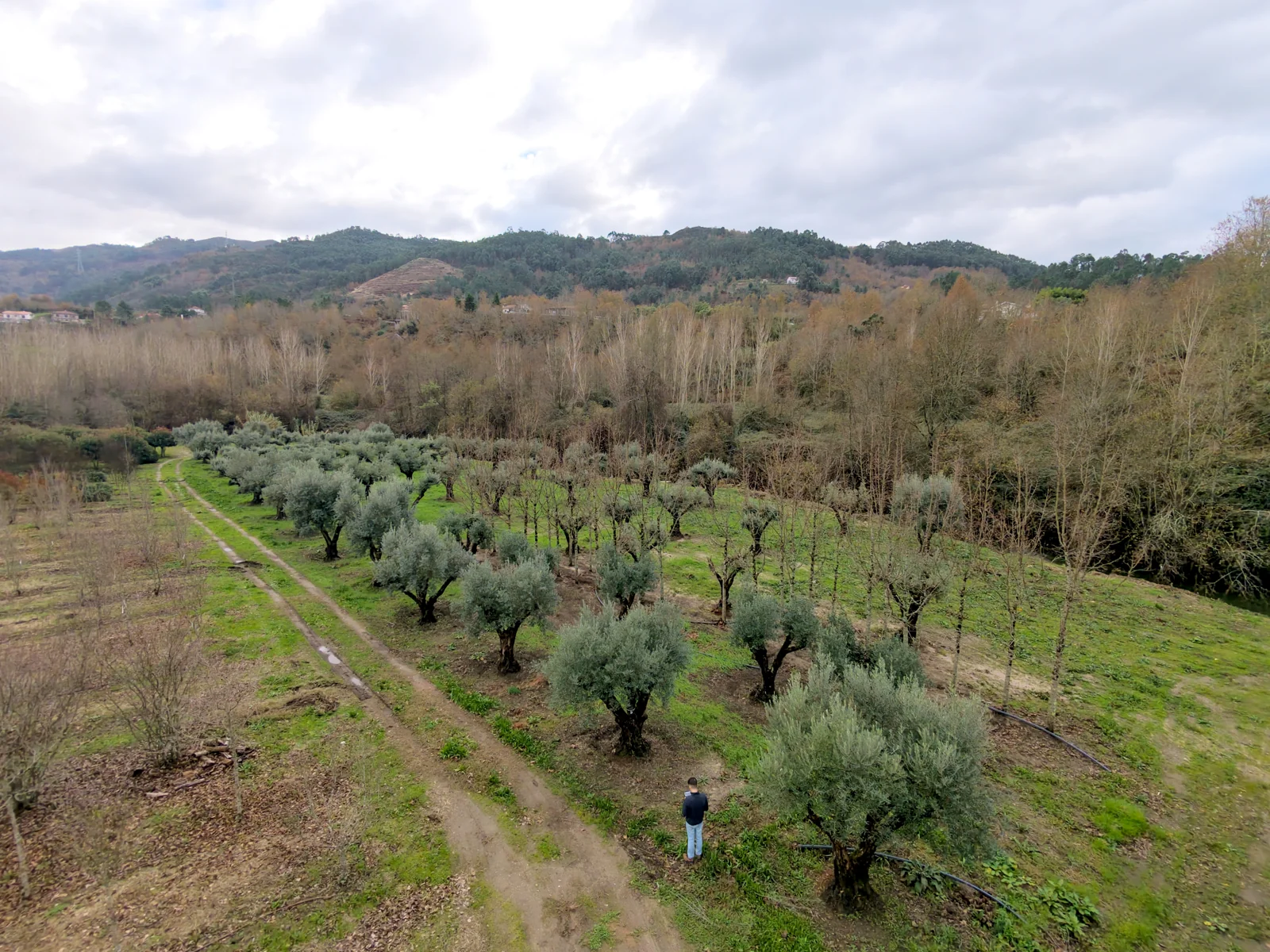
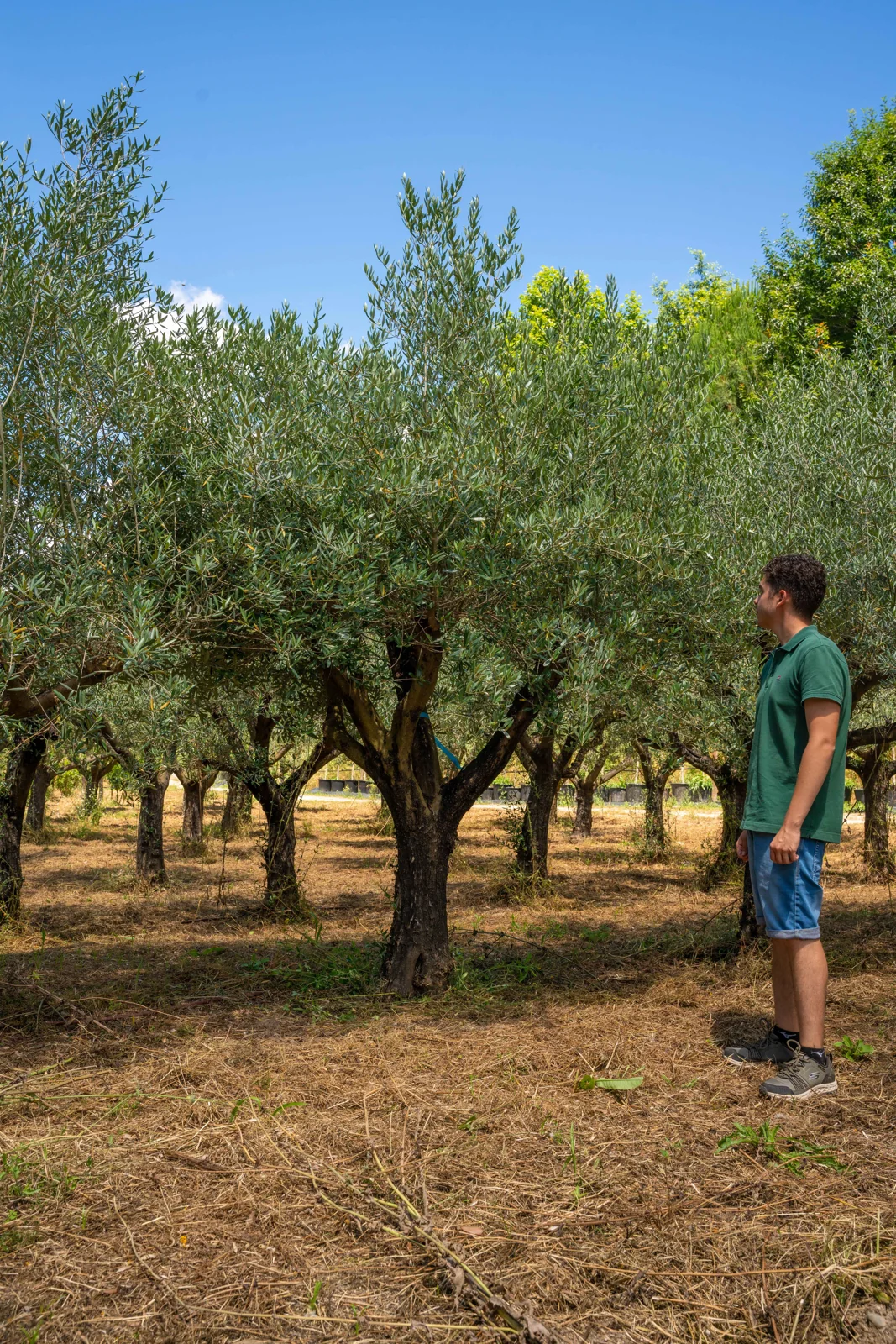
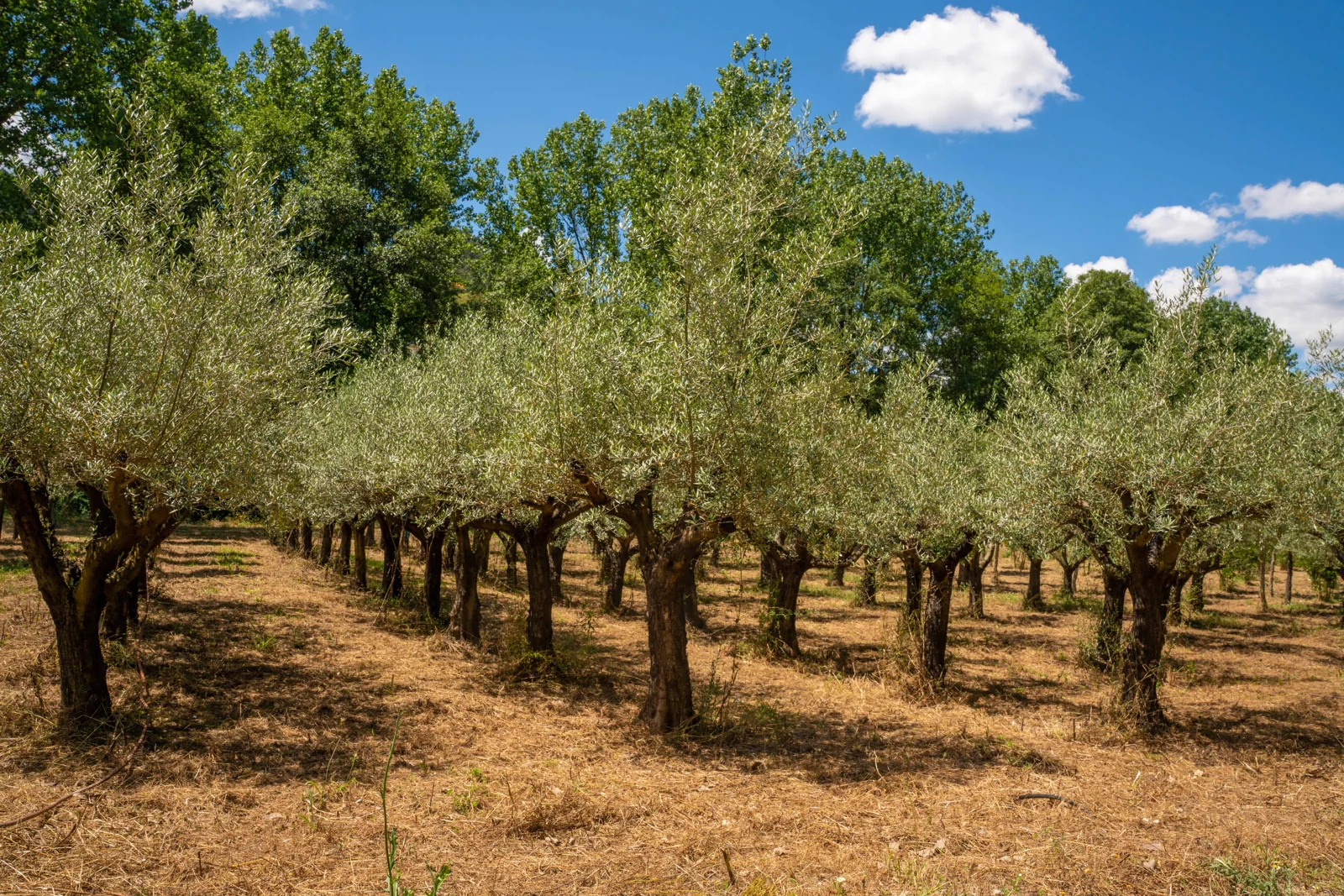
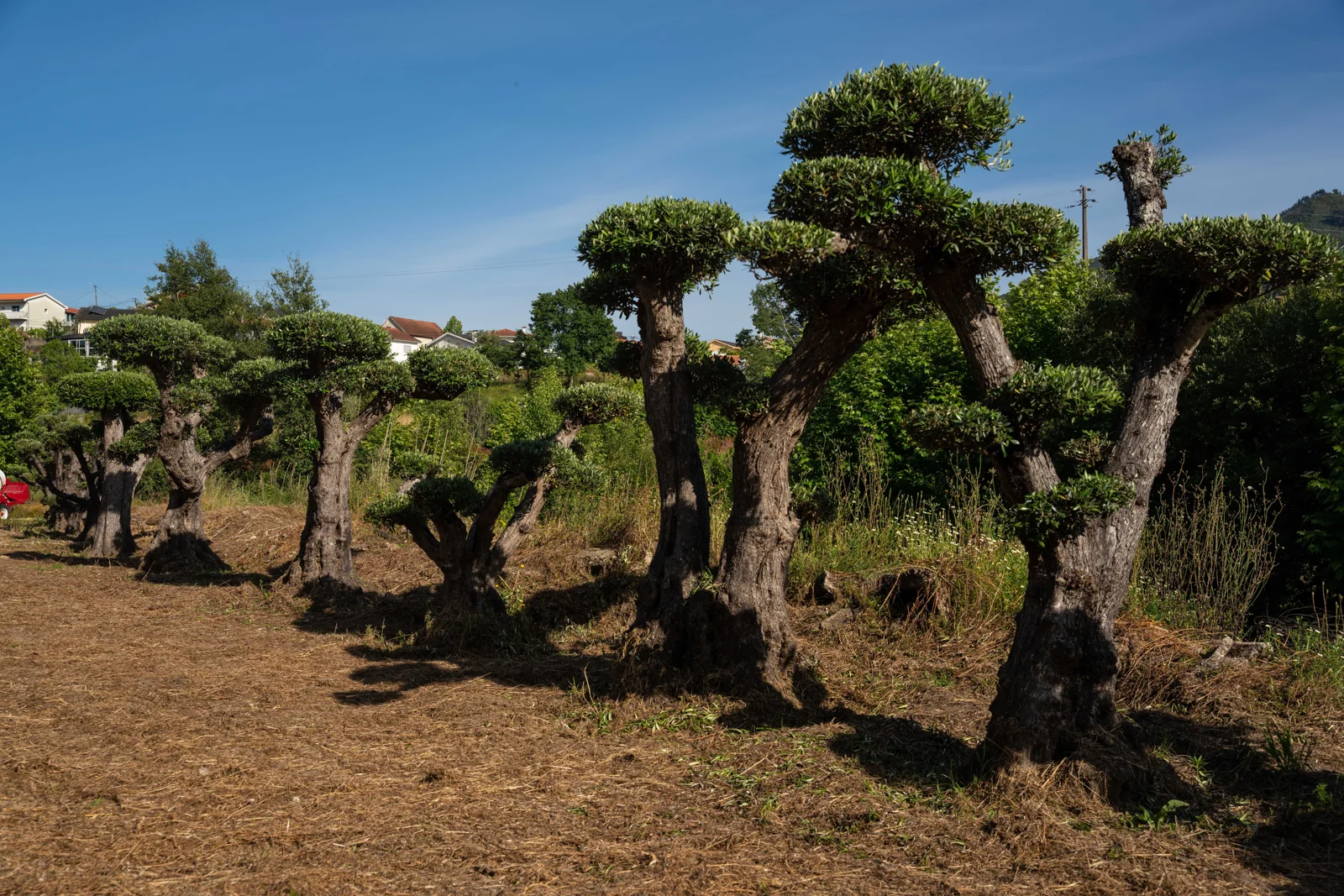
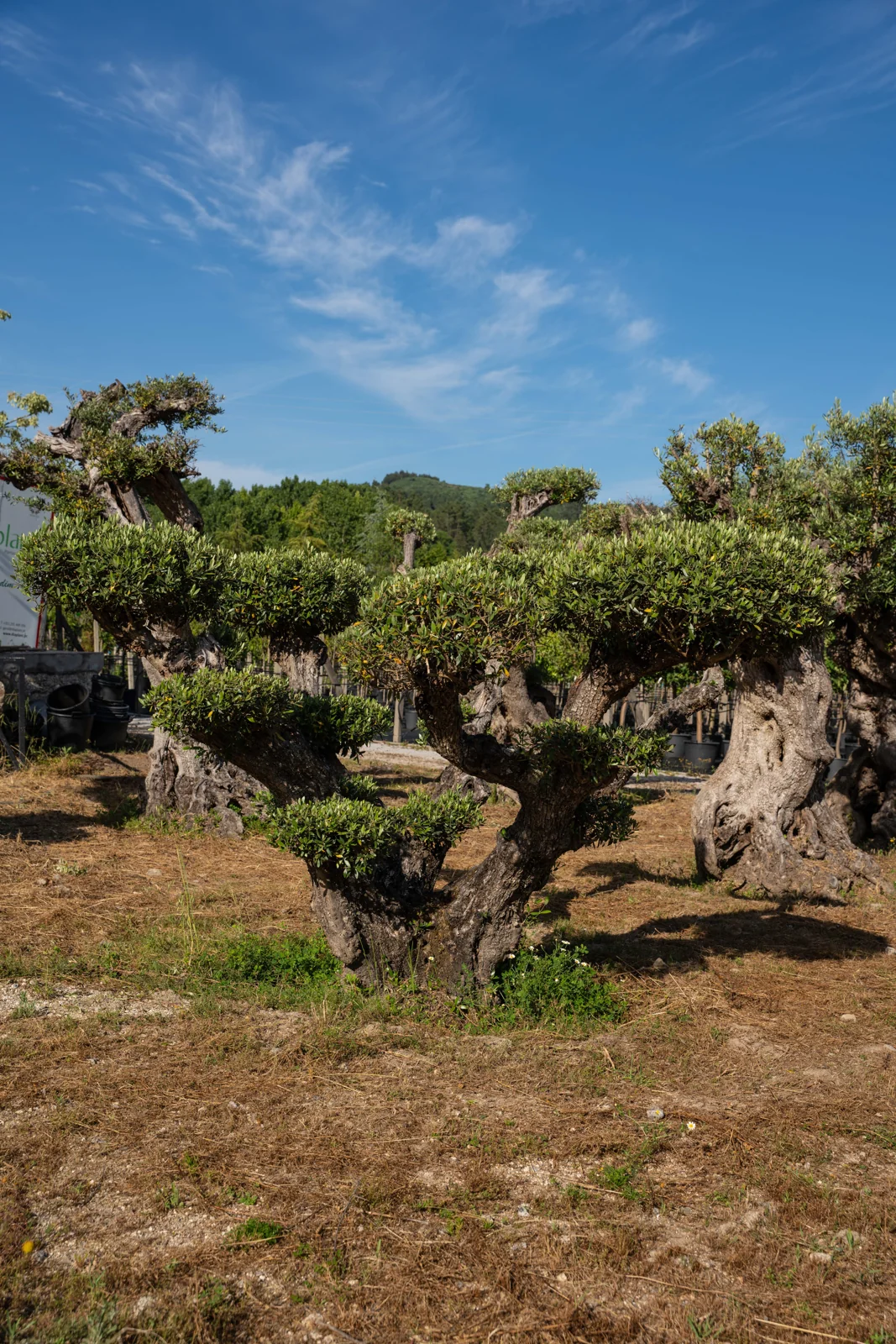
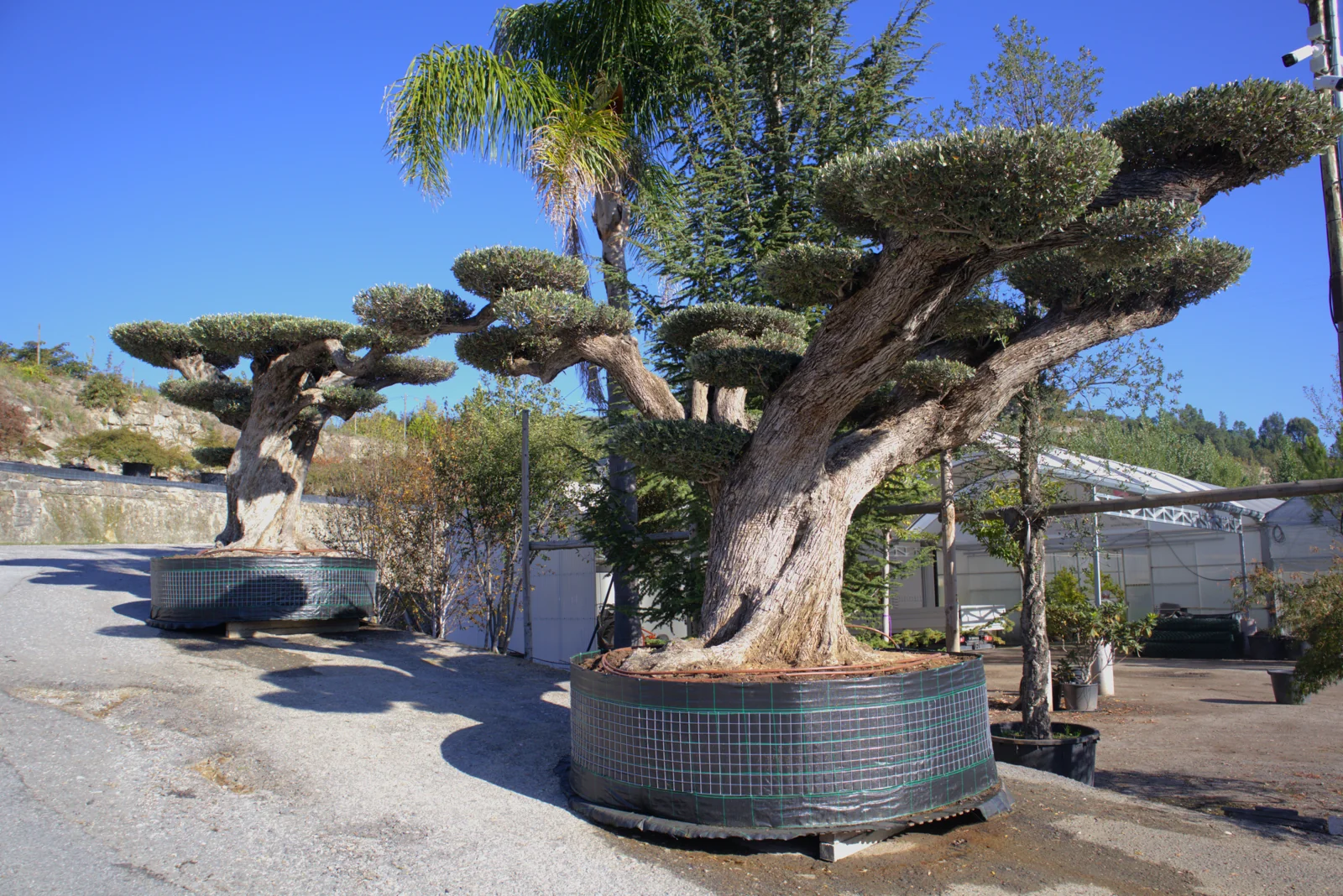
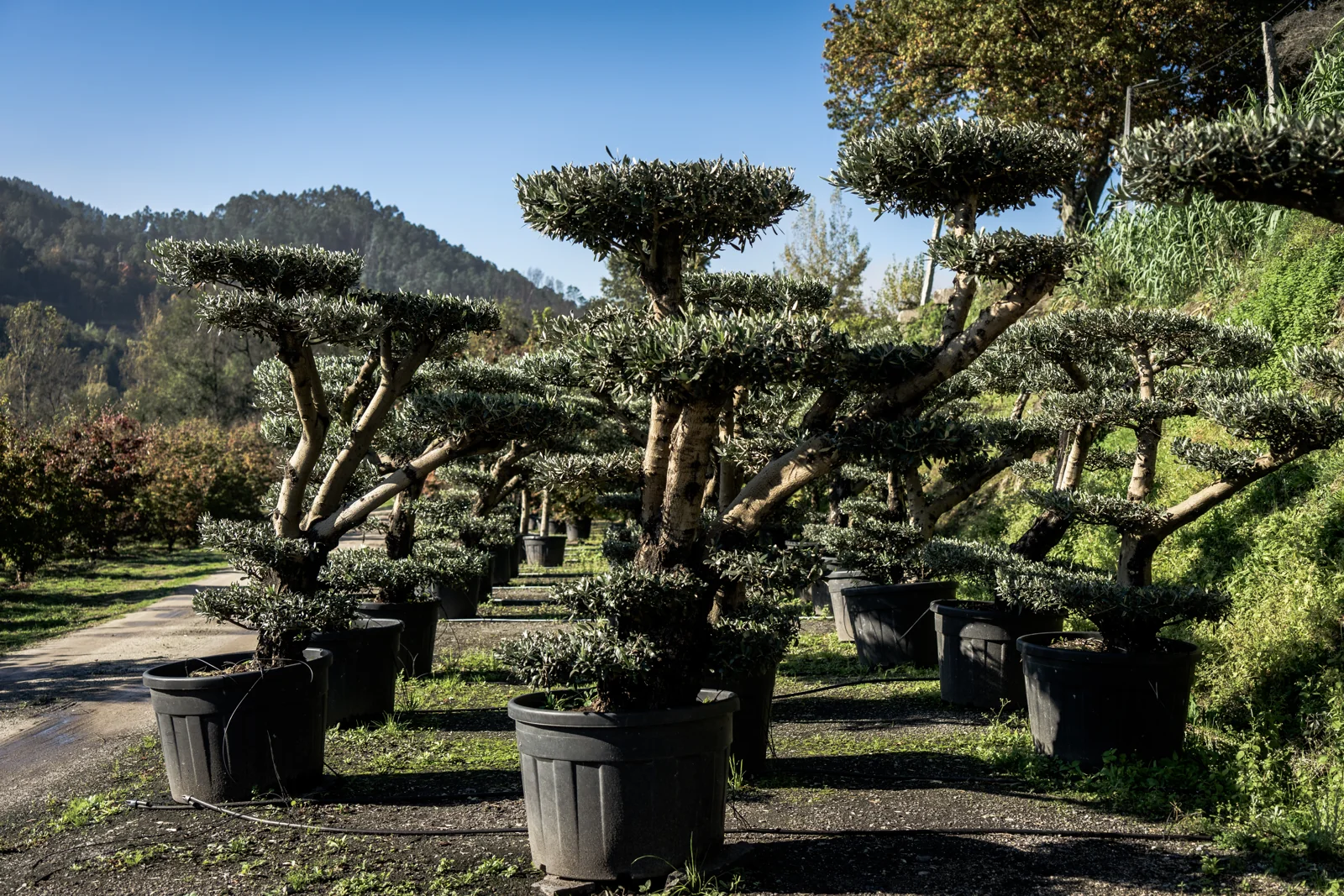
Native to Spain and a fixture of its landscape palette, the field-grown specimen olive with established trunk character and a transportable root system remains hard to source for projects that need immediate visual presence.
- Thrives across the Costa del Sol, Costa Blanca, Balearics, and Greater Madrid once established
- Tolerates winter lows to around minus 10 degrees Celsius once established
- Self-sufficient on natural rainfall after two establishment seasons, even under summer water restrictions
About this Species
The olive is the defining tree of the Spanish landscape, with over 180 million specimens across the peninsula and a cultivation history reaching back to Phoenician introduction around 1050 BC. In specification terms, this familiarity is both an asset and a constraint. Clients and municipal parks departments (servicio de parques y jardines) expect olives;…
Read more
Show less
The olive is the defining tree of the Spanish landscape, with over 180 million specimens across the peninsula and a cultivation history reaching back to Phoenician introduction around 1050 BC. In specification terms, this familiarity is both an asset and a constraint. Clients and municipal parks departments (servicio de parques y jardines) expect olives; the question for the specifying professional is sourcing mature, field-grown specimens with the trunk calibre, crown form, and root-ball integrity that a landscape scheme demands on delivery day, not after a decade of growth in situ.
Climatically, Olea europaea is reliable across most of the peninsula. It performs without supplemental irrigation once established along the Mediterranean coastal belt and throughout the southern and central interior, including the continental plateau (meseta), where it tolerates summer heat and winter lows to roughly -10 °C. Below that threshold, bark splitting and dieback of young wood become a risk, which limits its use in exposed sites across the northern meseta and higher-altitude positions in Castilla y León and Aragón. Along the humid Atlantic northwest (cornisa cantábrica), excess summer rainfall and acidic soils reduce vigour and increase susceptibility to fungal pathogens. The semi-arid southeast presents no heat or drought problem for established trees, though saline soils in parts of Murcia and Almería may require site-specific assessment where salt tolerance, rated moderate, approaches its limit.
Water demand during establishment is the principal management consideration. For the first two to three summers, regular deep irrigation is necessary to develop the root system, particularly when transplanting large-caliber specimens into compacted urban substrates. Once established, mature olives function on natural rainfall across all but the driest southeastern sites, and they tolerate municipal irrigation restrictions (sequía decrees) without visible stress. This low mature water demand aligns well with the water-use planning requirements increasingly embedded in landscape project submissions (proyecto de ajardinamiento) across most comunidades autónomas.
The species sits within the confirmed host range of Xylella fastidiosa, the bacterium responsible for olive quick decline syndrome documented in southern Italy. Active demarcation zones exist in Spain, and movement restrictions apply to Olea plant material in affected areas. This phytosanitary context does not diminish the tree's specification value, but it requires the sourcing professional to verify current demarcation status and plant passport compliance before committing stock to a project location. Specification documents (pliego de condiciones) for public contracts increasingly reference Xylella protocols explicitly.
Ornamentally, the olive's value compounds with age. The silver-green, evergreen foliage on a mature specimen provides year-round canopy density sufficient for moderate shade without the heavy leaf drop of deciduous alternatives. Trunk character, the gnarled and fissured bark that develops over decades, is the primary aesthetic asset in architectural planting and is the reason clients specify large-caliber specimens rather than younger stock. Growth is slow, typically adding 15 to 30 cm of height per year under Spanish conditions, which means crown management costs are low but time to canopy closure for screening or alignment purposes is long. The rounded, often multi-stemmed habit suits specimen focal placement, courtyard planting, and container use in hardscape settings where root containment is a design requirement.



Advice on this species
Want to know more about Olea europaea?
Tell us about your project and we'll advise you on this species — where it thrives, which size makes sense, and what to expect once planted.
- Produção própria
- Exemplares adultos
- Resposta em 1–2 dias
Sem compromisso · orçamento personalizado