

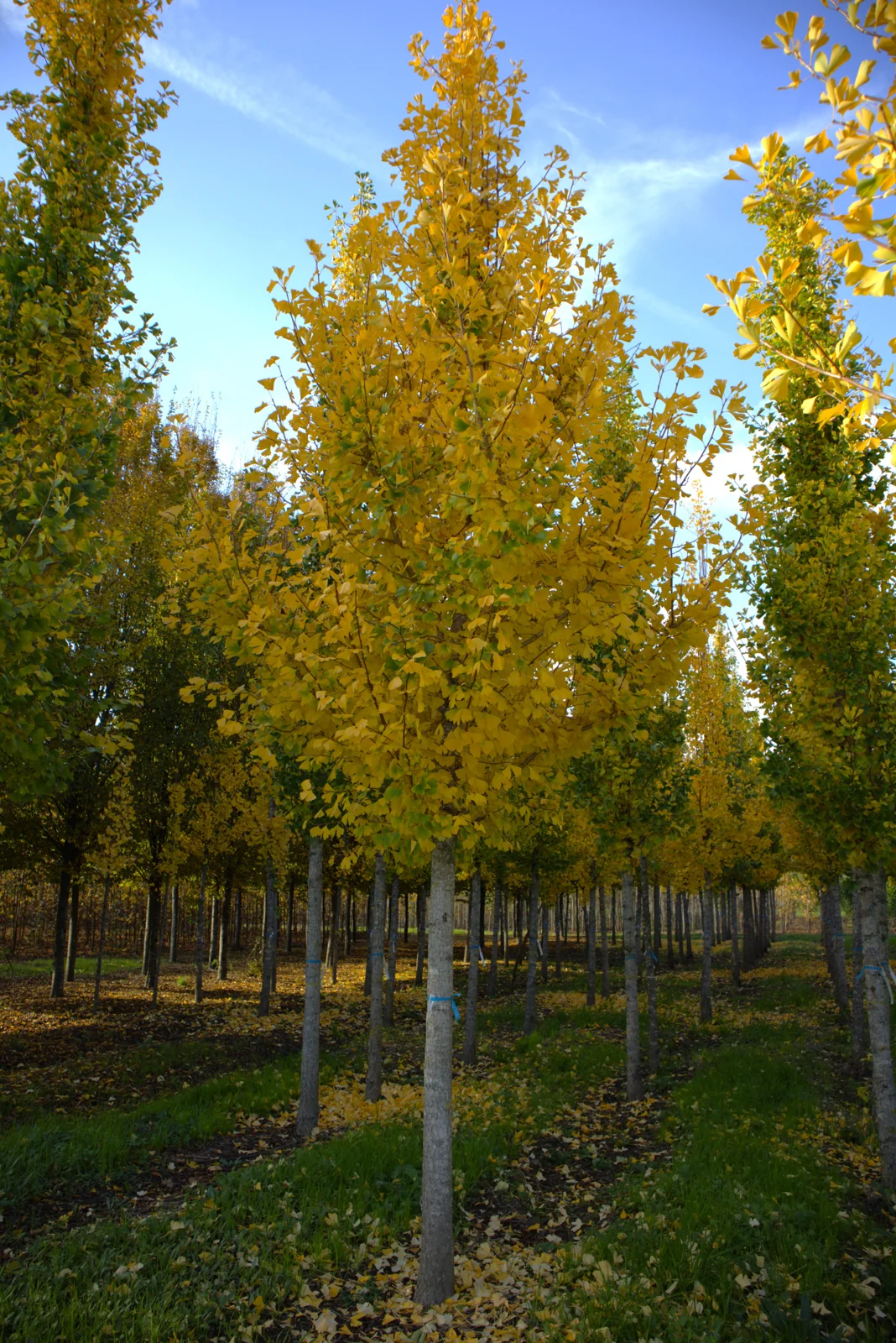
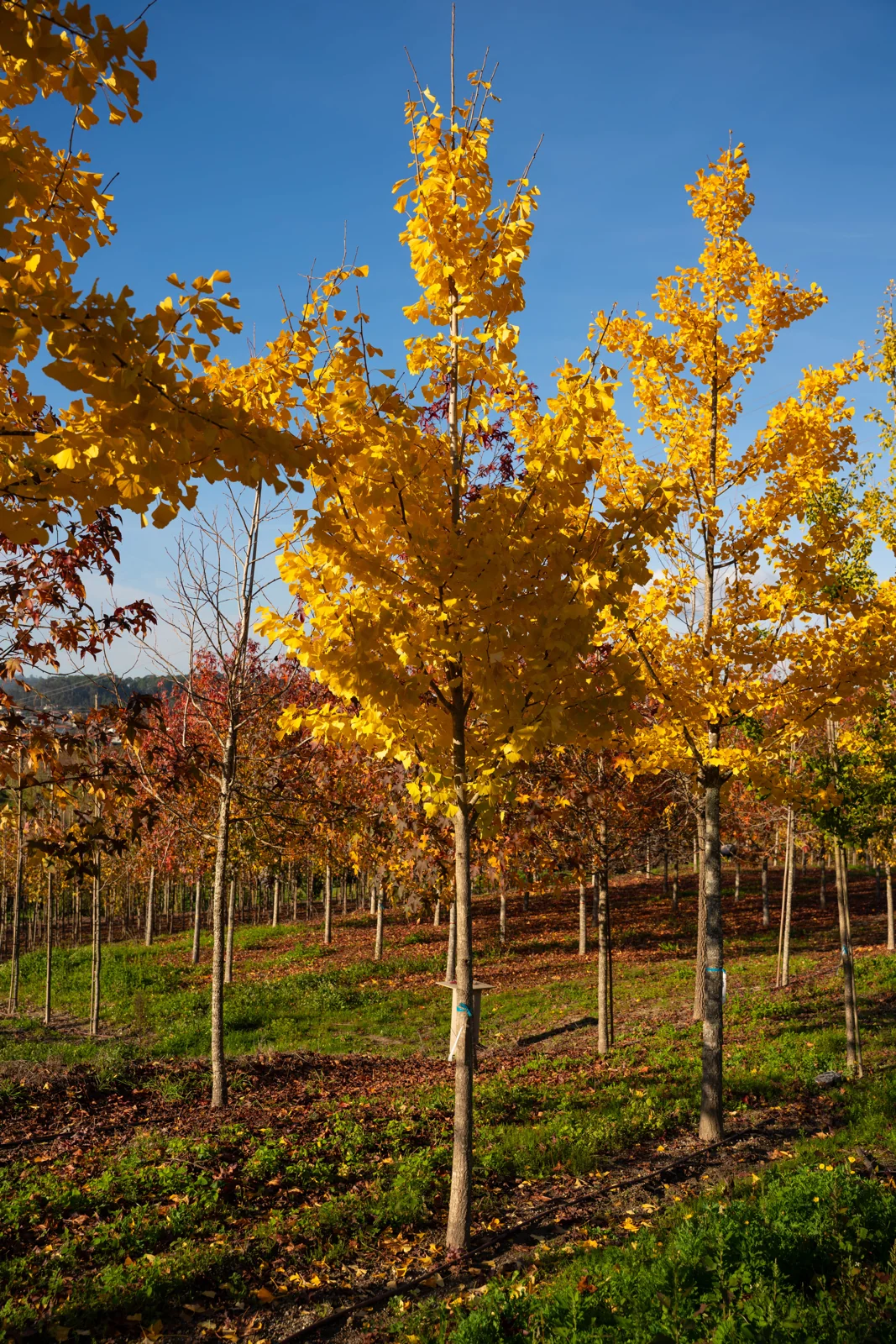
A slow, disease-free shade tree with clean yellow autumn
Maidenhair Tree · Ginkgo biloba
A slow-growing deciduous tree for streetscapes, plazas, and parkland across Spain, specified where a long-lived shade canopy must withstand pollution, compacted soil, and reflected urban heat with almost no disease or pest pressure.
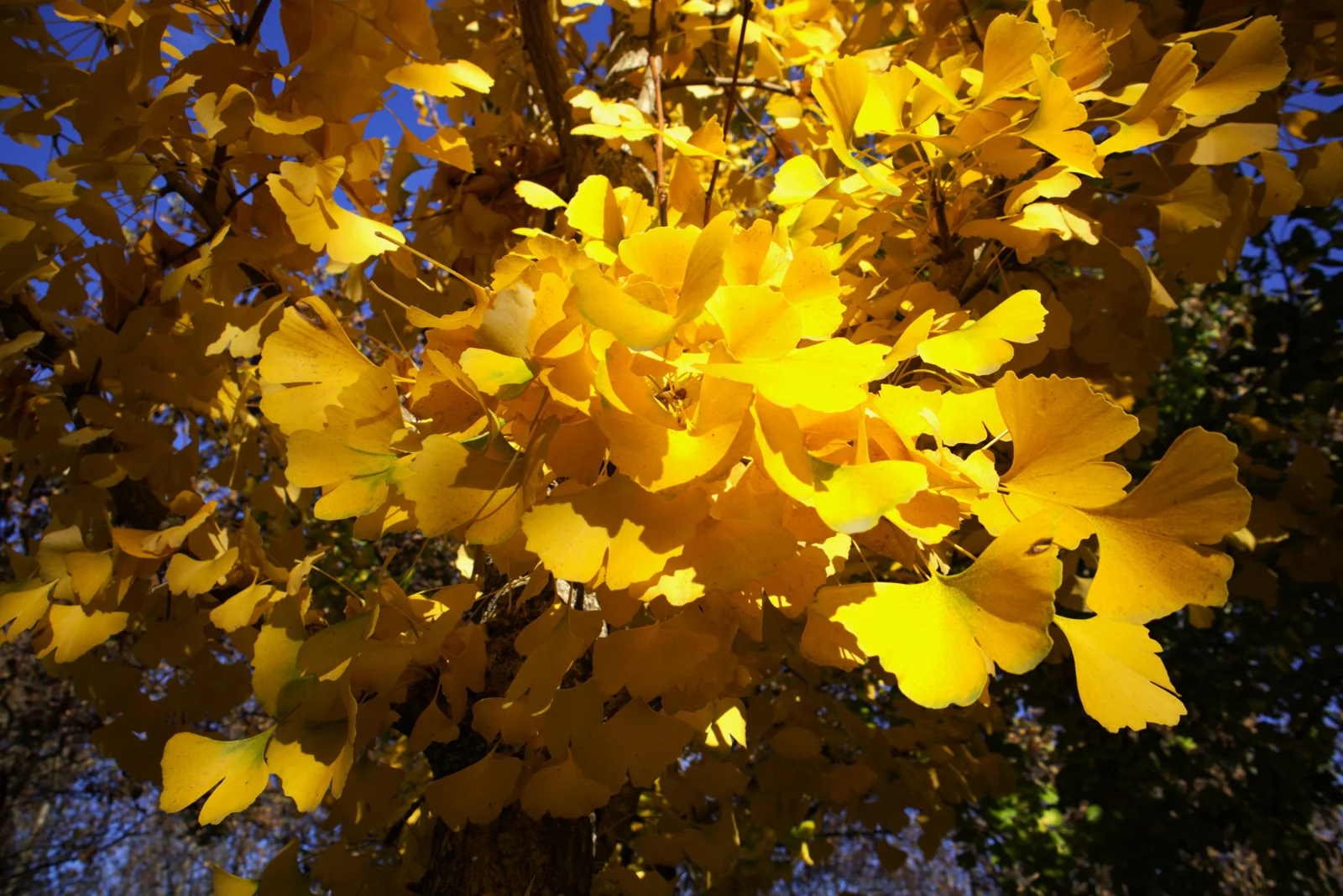
- Clean butter-yellow autumn colour, dropping fast to carpet the ground
- Thrives across the Costa del Sol, Costa Blanca and Balearics once established
- Hardy well below minus 15 degrees C for inland Madrid gardens
About this Species
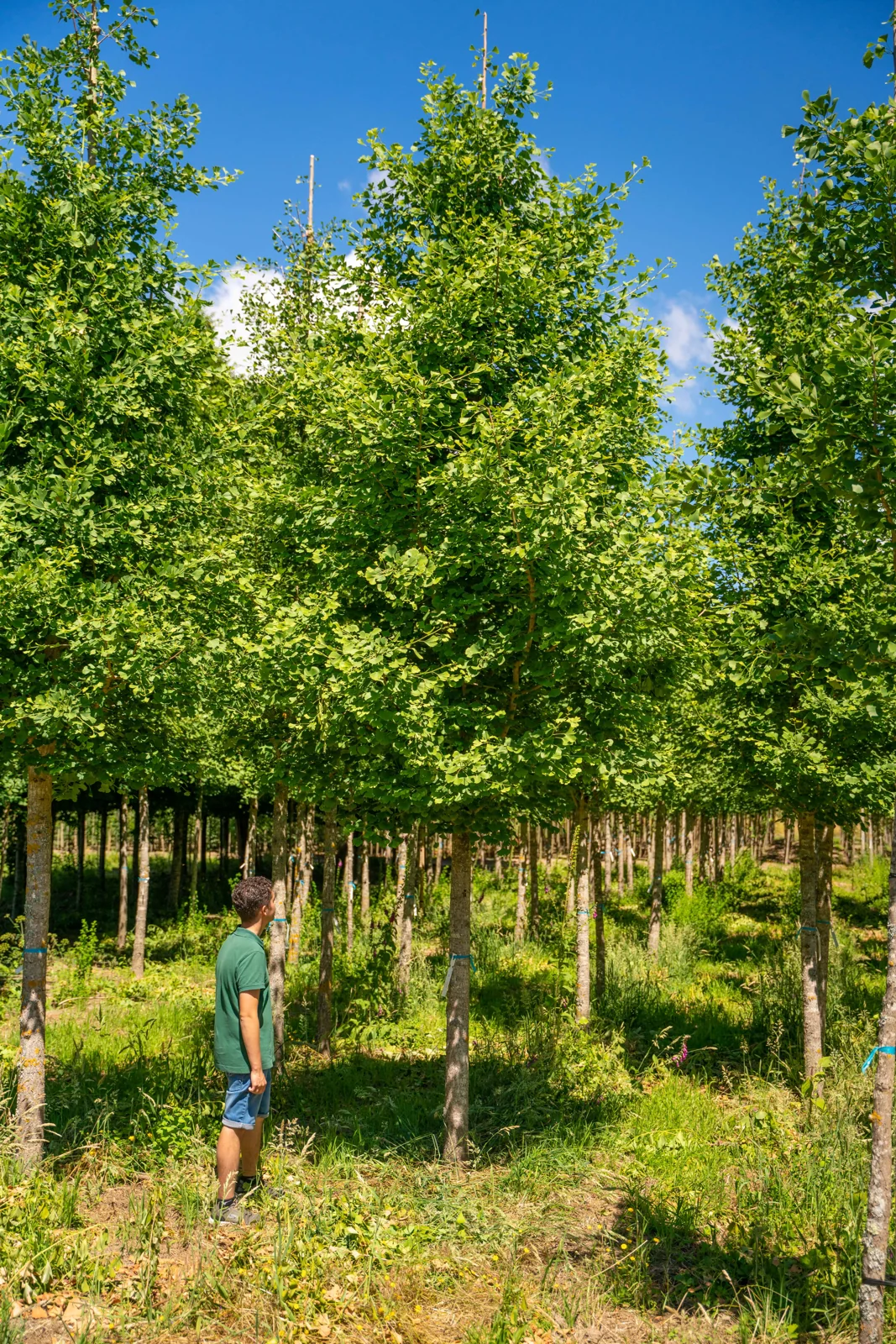
Ginkgo biloba reads as a structural alternative to the plátano de sombra (Platanus x acerifolia) in urban schemes, with a comparable upright to broadly pyramidal habit but without the genus's exposure to Ceratocystis platani. Mature specimens reach roughly 15 to 25 metres in height and 8 to 12 metres in spread over many decades. The growth rate is slow, so…
Read more
Show less
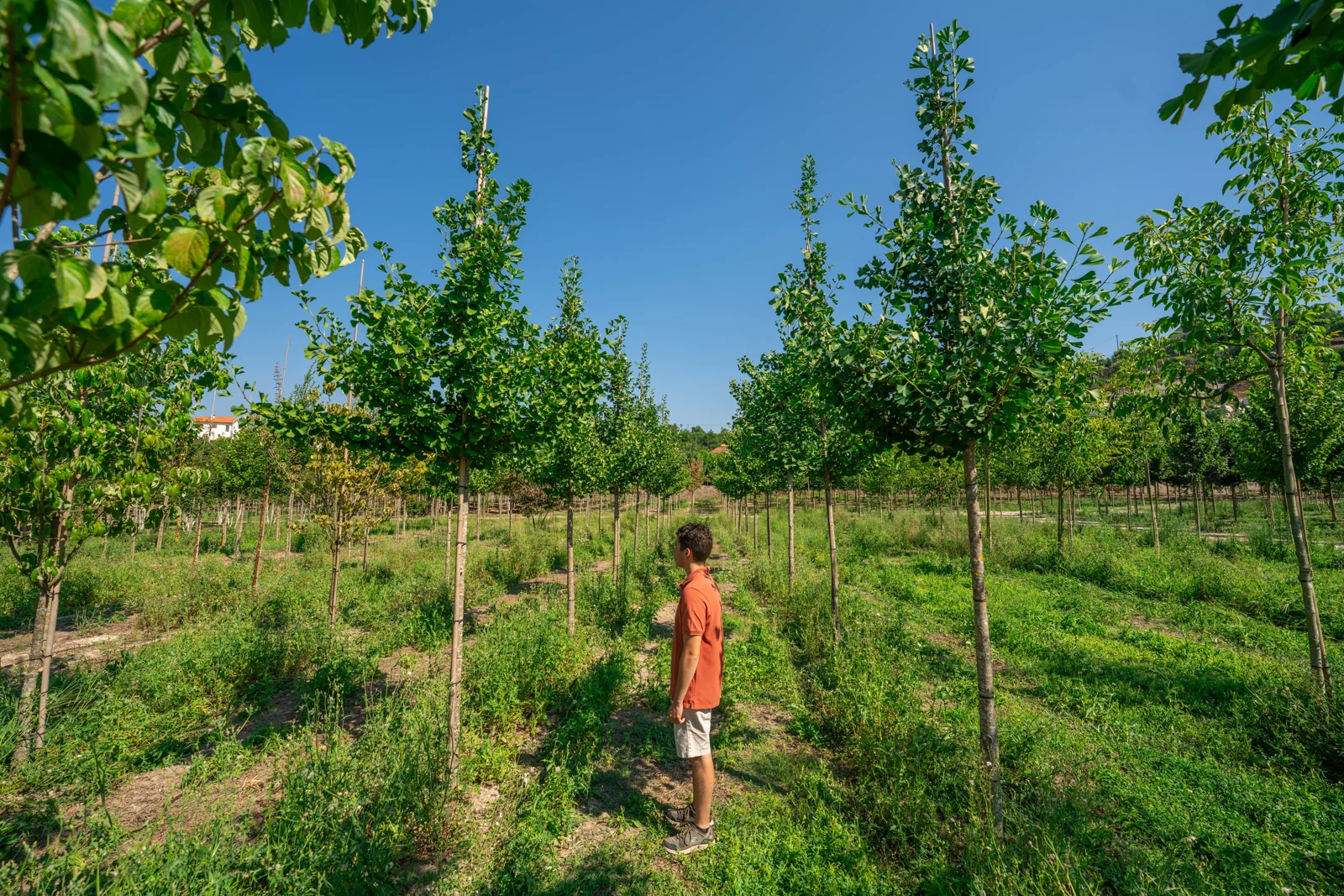
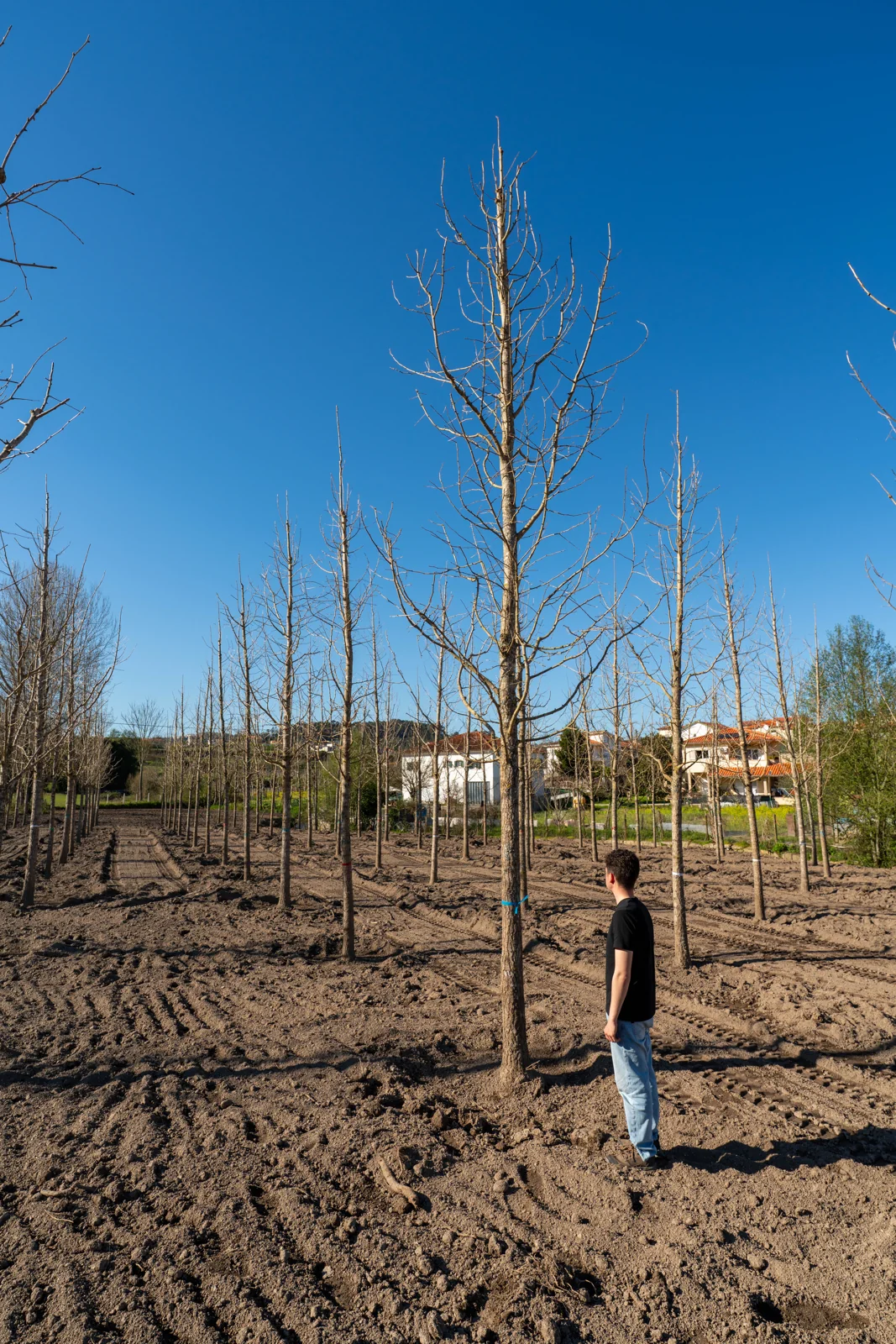
Ginkgo biloba reads as a structural alternative to the plátano de sombra (Platanus x acerifolia) in urban schemes, with a comparable upright to broadly pyramidal habit but without the genus's exposure to Ceratocystis platani. Mature specimens reach roughly 15 to 25 metres in height and 8 to 12 metres in spread over many decades. The growth rate is slow, so the value of a field-grown specimen lies in the years of structure it carries to site rather than in rapid canopy closure after planting.
The species is among the most resilient broadleaves available for hard urban conditions. It tolerates atmospheric pollution, road salt at moderate levels, and the compacted substrates of confined planting pits, and it is notably free of the disease and pest pressures that limit other street genera. It sits outside the host range of Xylella fastidiosa, which makes it a defensible choice where the brief excludes Olea, Prunus, and other susceptible hosts.
Climate fit across Spain is wide. The tree is fully hardy well below any Spanish winter minimum, comfortable to around minus 12 degrees Celsius and beyond, so late spring frosts on the meseta present no concern. It carries high heat tolerance for the hot dry summers of the Mediterranean littoral and the continental interior, with moderate drought tolerance once the deep root system is established, typically after the second or third summer.
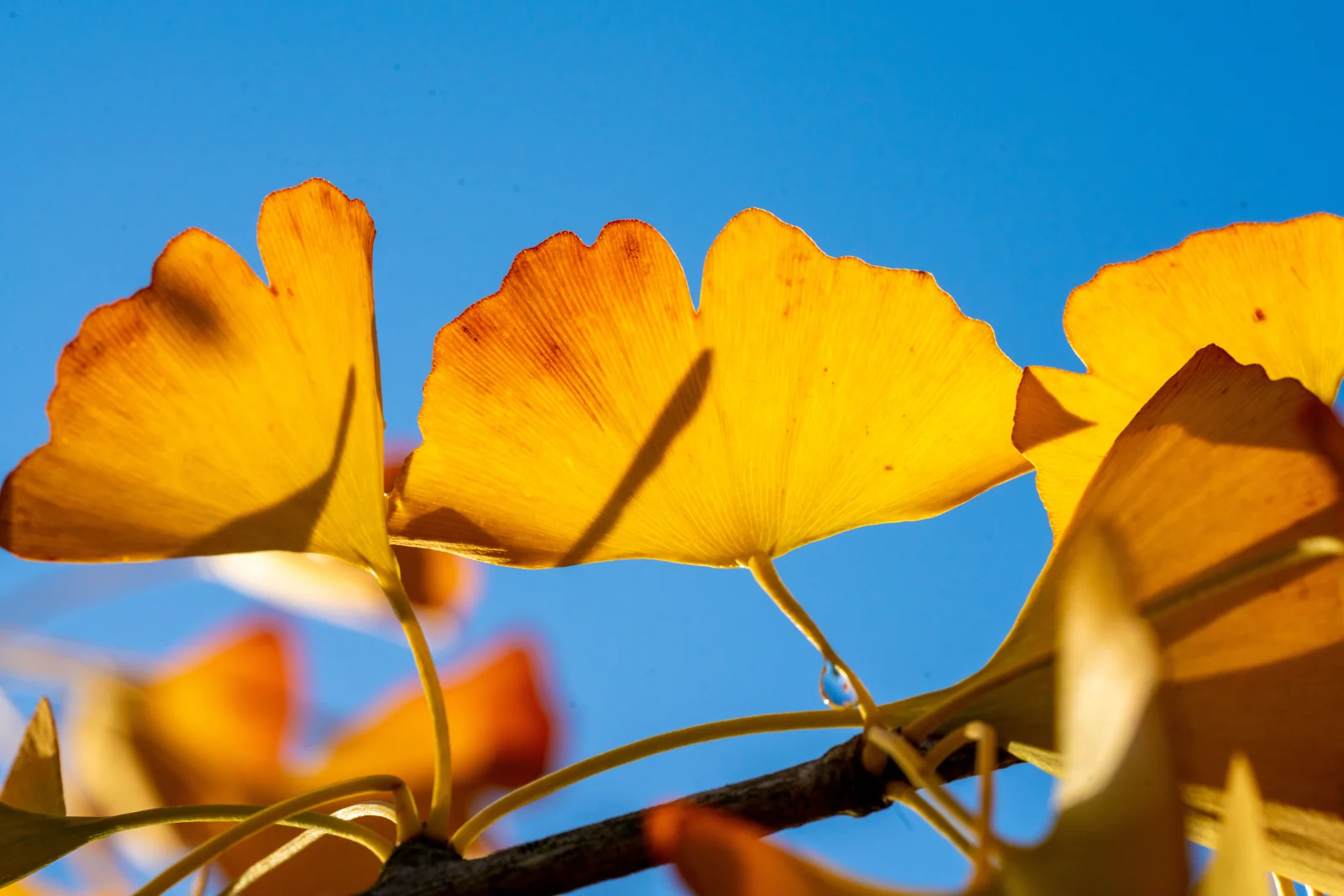
The single firm requirement is drainage. Ginkgo demands a free-draining site in full sun and will not tolerate waterlogged ground, though it accepts a wide range of soil textures and pH, including calcareous urban fill. For specification, request grafted male clones: female trees bear plum-like seeds whose fleshy coat is malodorous when it falls, a maintenance and amenity liability on paved areas. The fan-shaped foliage turns a uniform gold in autumn before a brief, clean leaf drop.



Advice on this species
Want to know more about Ginkgo biloba?
Tell us about your project and we'll advise you on this species — where it thrives, which size makes sense, and what to expect once planted.
- Produção própria
- Exemplares adultos
- Resposta em 1–2 dias
Sem compromisso · orçamento personalizado