

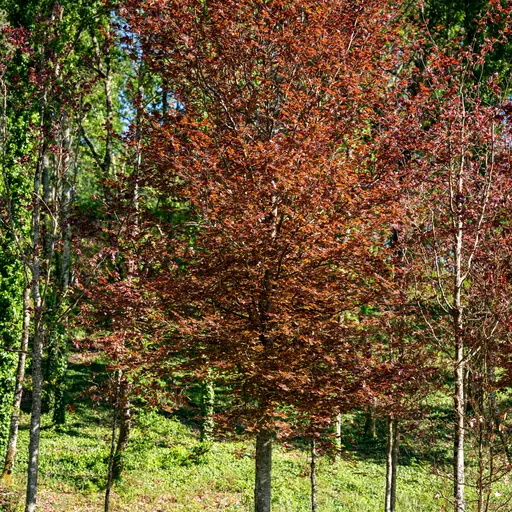
A purple-leaved beech for the cool, moist garden
European Beech ‘Atropurpurea’ · Fagus sylvatica ‘Atropurpurea’
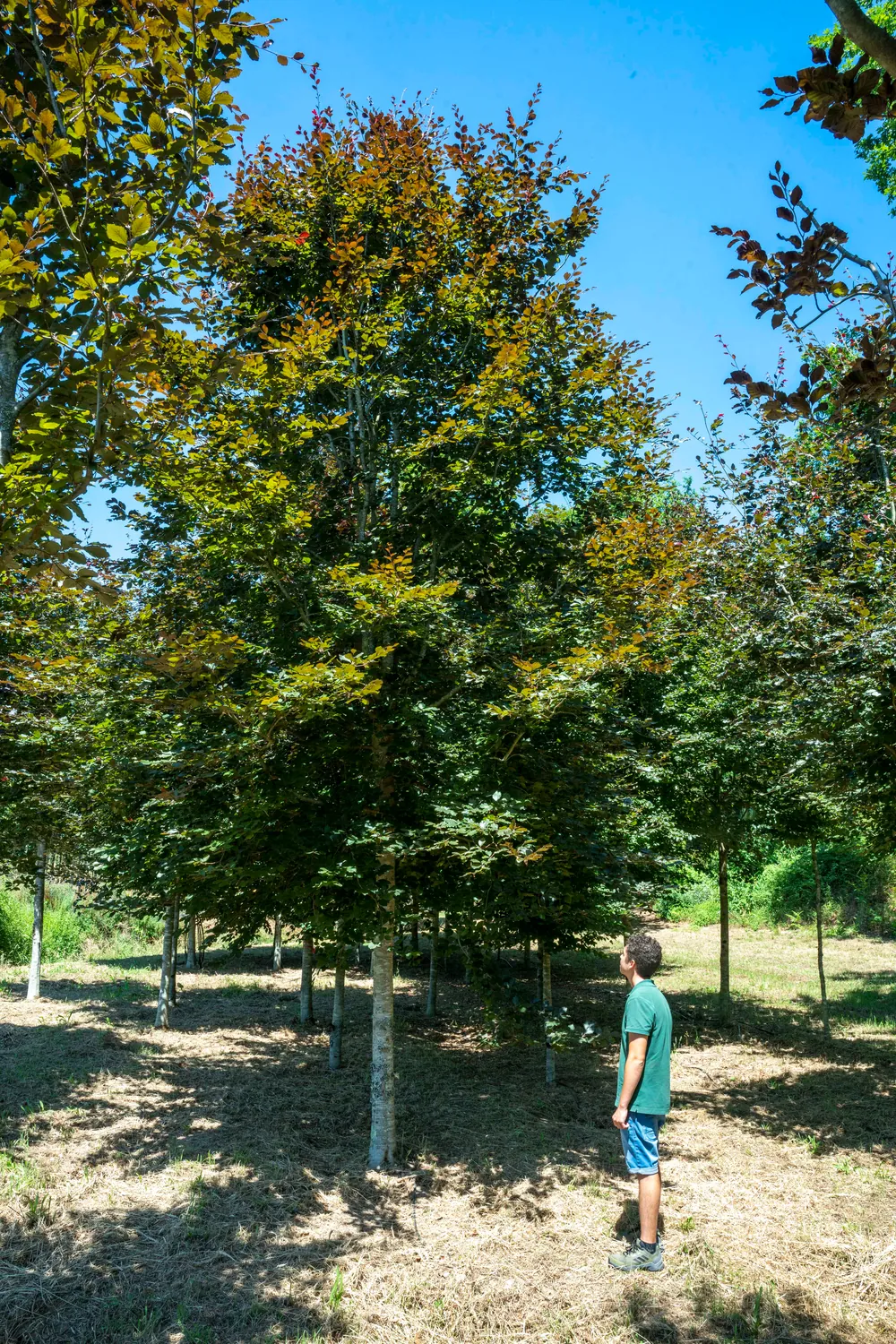
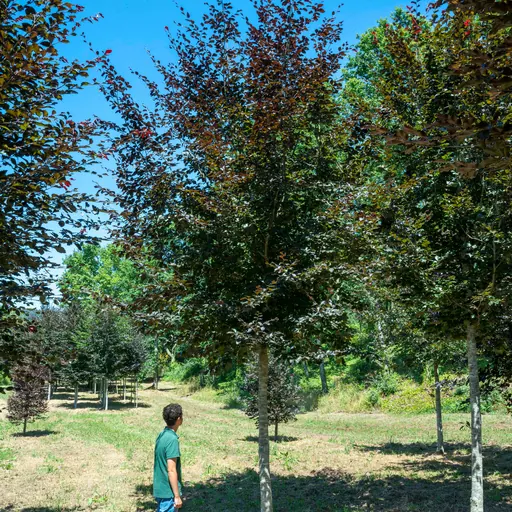
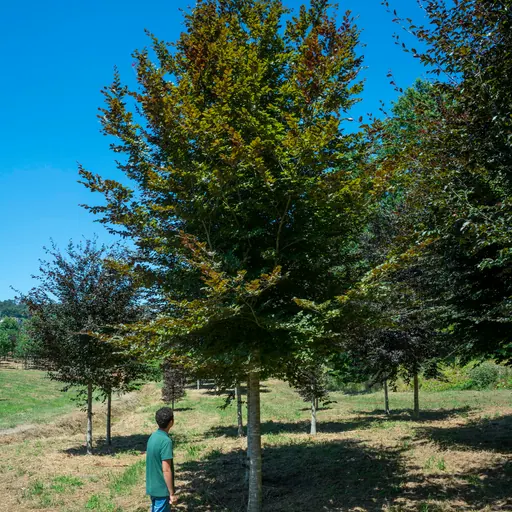
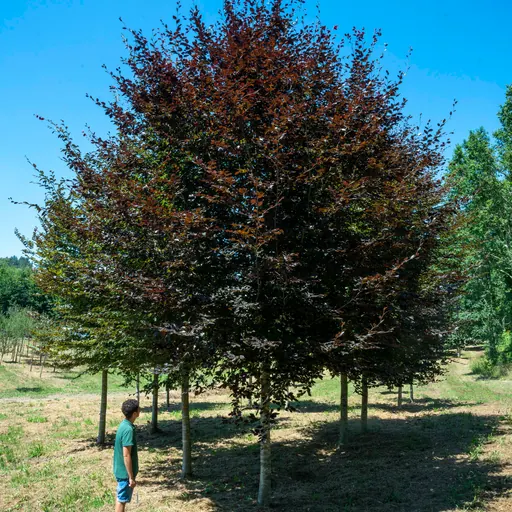
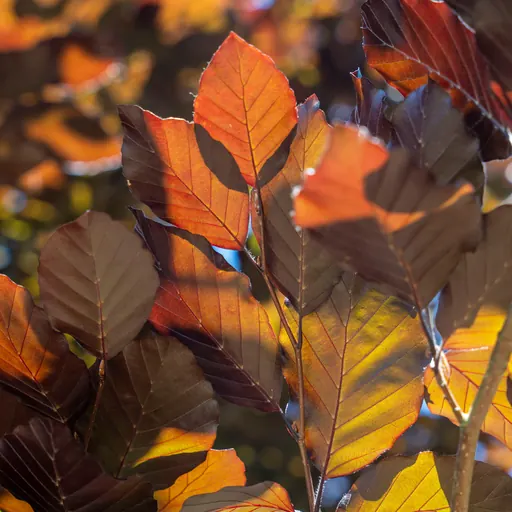
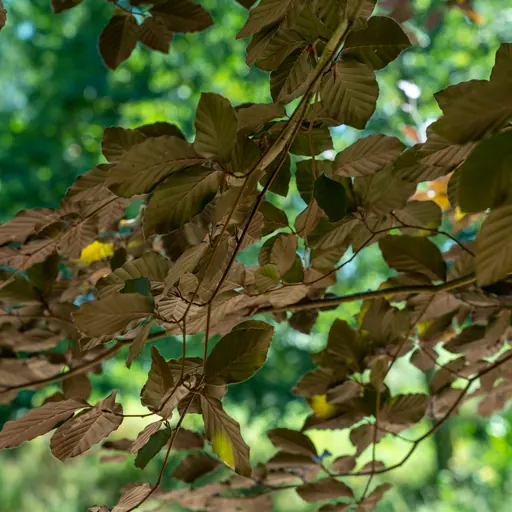
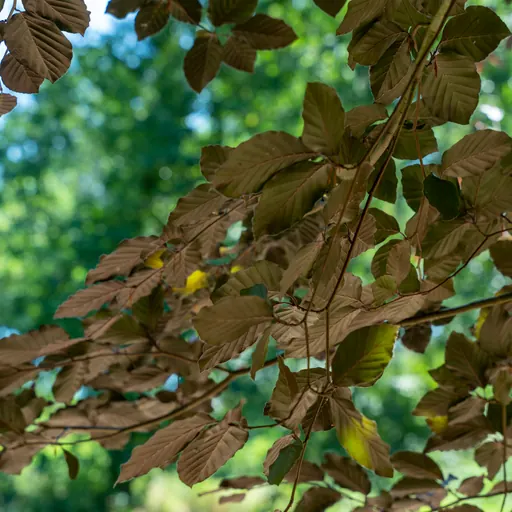
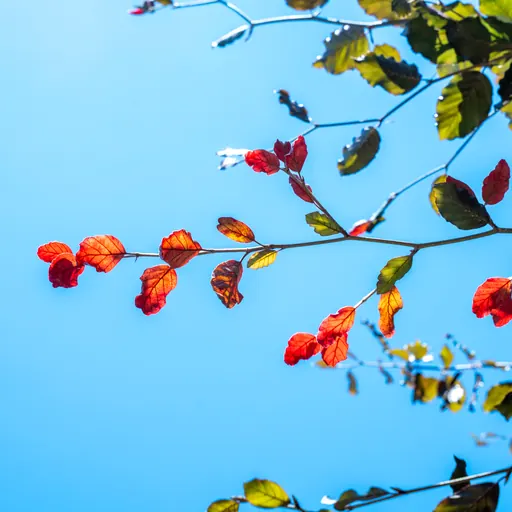
Deep wine-purple through spring and summer, turning copper and scarlet in autumn, this large beech selection earns its place as a solitary specimen in parks and estate grounds across the cooler, moister regions of Spain.
- Deep purple foliage in spring and summer, copper and scarlet in autumn
- Broad, rounded crown that anchors a large garden at maturity
- Happiest in the cool, moist Atlantic north and the higher Madrid foothills
Key Facts
About this Cultivar
A purple-foliage selection of the European beech (haya), this cultivar carries the broad, rounded, densely twigged crown of the species on a straight grey trunk, reaching 20 to 25 metres in height and 12 to 18 metres across at maturity. The foliage holds a deep wine-purple through spring and summer and shifts to copper and dark scarlet in autumn, a colour…
Read more
Show less
A purple-foliage selection of the European beech (haya), this cultivar carries the broad, rounded, densely twigged crown of the species on a straight grey trunk, reaching 20 to 25 metres in height and 12 to 18 metres across at maturity. The foliage holds a deep wine-purple through spring and summer and shifts to copper and dark scarlet in autumn, a colour programme that sets it against the green canopies and evergreen Mediterranean palette typical of Spanish schemes.
Climate fit is the governing variable. Beech is a cool-temperate Atlantic and montane tree, native within Spain only to the Cantabrian mountains and the Pyrenees, and it performs most reliably in the humid Atlantic northwest (the cornisa cantábrica): cool summers, mild wet winters, high rainfall, and the acidic soils it prefers. It is fully cold-hardy, tolerating roughly -30 °C, so winter minima are not the constraint anywhere on the peninsula.
The constraint is summer heat and water. The shallow, spreading root system gives the tree low drought tolerance, and prolonged dry summers are known to kill even mature, established beech, including purple-leaved trees observed declining under sustained drought. In the Mediterranean coast, the continental meseta, and the semi-arid southeast it is therefore a high-water specification: it needs deep, moisture-retentive soil, shelter from drying heat, and dependable irrigation through every summer, not only at establishment. Where that water cannot be guaranteed, Fagus orientalis is the more drought-resistant substitute.
Growth is slow to moderate, and the tree resents compacted urban substrates and waterlogging, which rules it out of confined street pits. Site it instead as an open-grown lawn or parkland specimen with room for the crown, in deep, free-draining ground, where its colour and scale carry a scheme over a long, low-maintenance life.
Advice on this species
Want to know more about Fagus sylvatica 'Atropurpurea'?
Tell us about your project and we'll advise you on this species — where it thrives, which size makes sense, and what to expect once planted.
- Produção própria
- Exemplares adultos
- Resposta em 1–2 dias
Sem compromisso · orçamento personalizado