

A floriferous spring tree for cooler Spanish gardens
Japanese Dogwood ‘Chinensis’ · Cornus kousa ‘Chinensis’
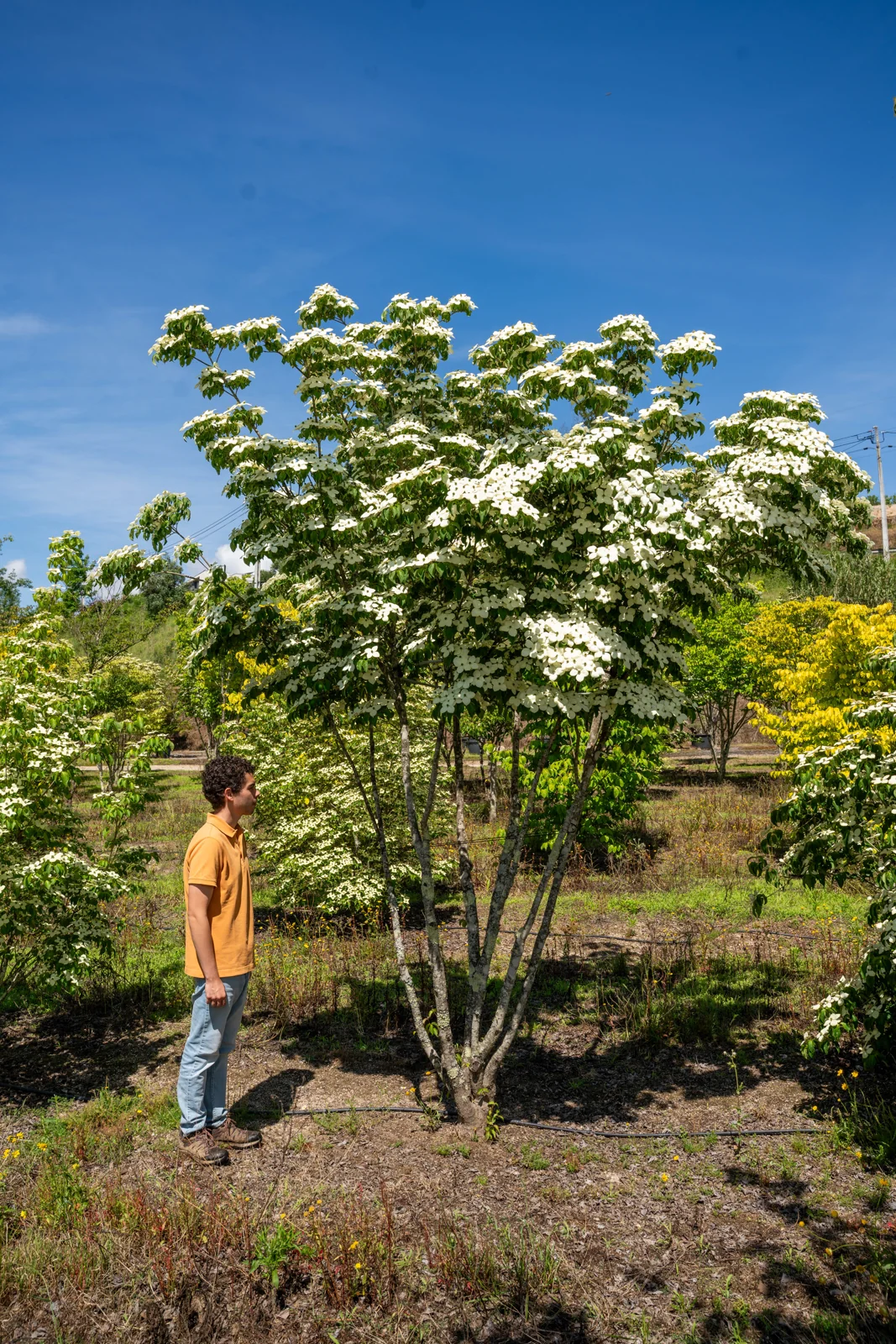
A specimen-grade selection of Cornus kousa for Spanish projects on acidic, well-drained ground with reliable summer moisture. The functional fit is the Atlantic strip (cornisa cantábrica) and the shaded Pyrenean valleys, where its ornamental phases register fully.
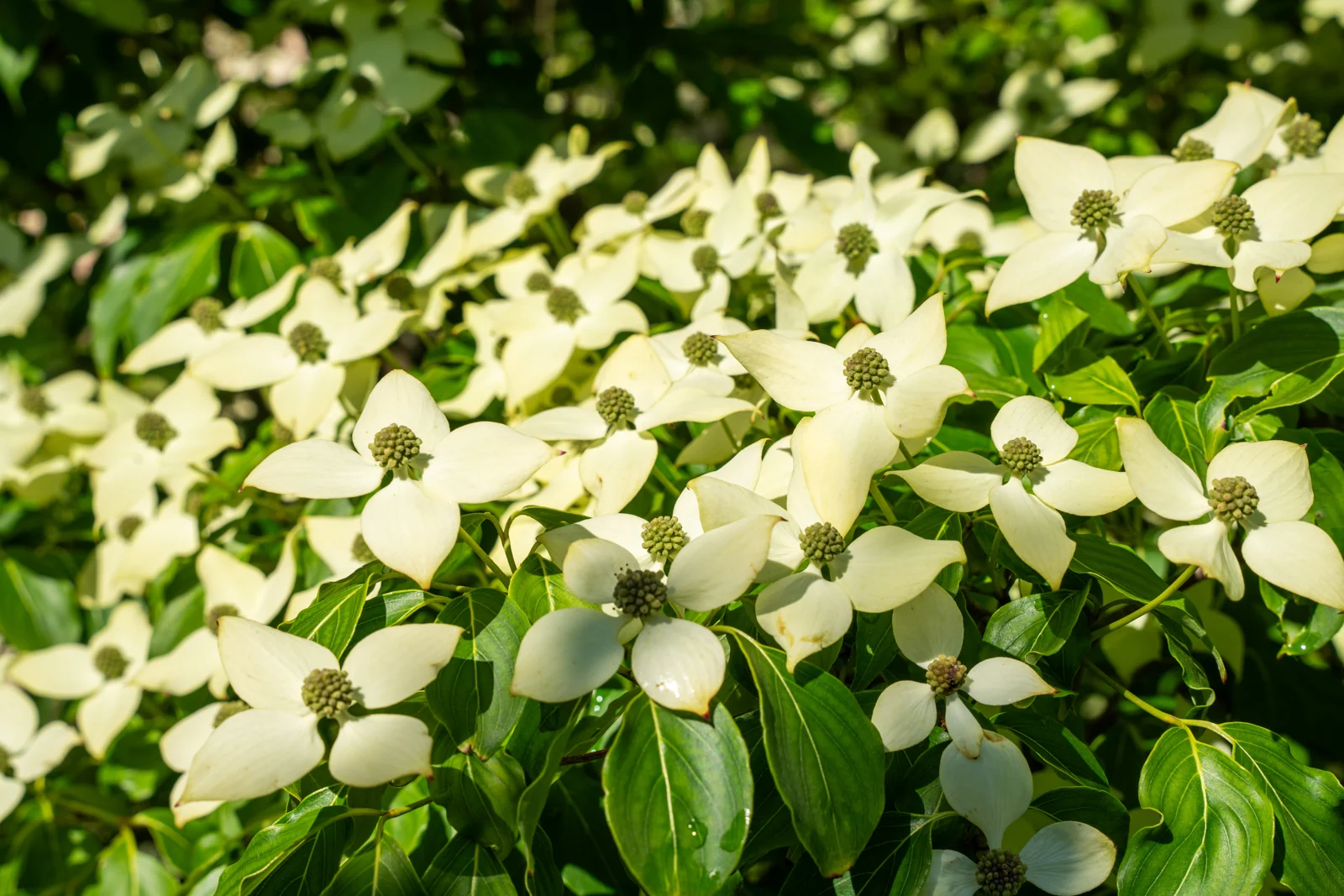
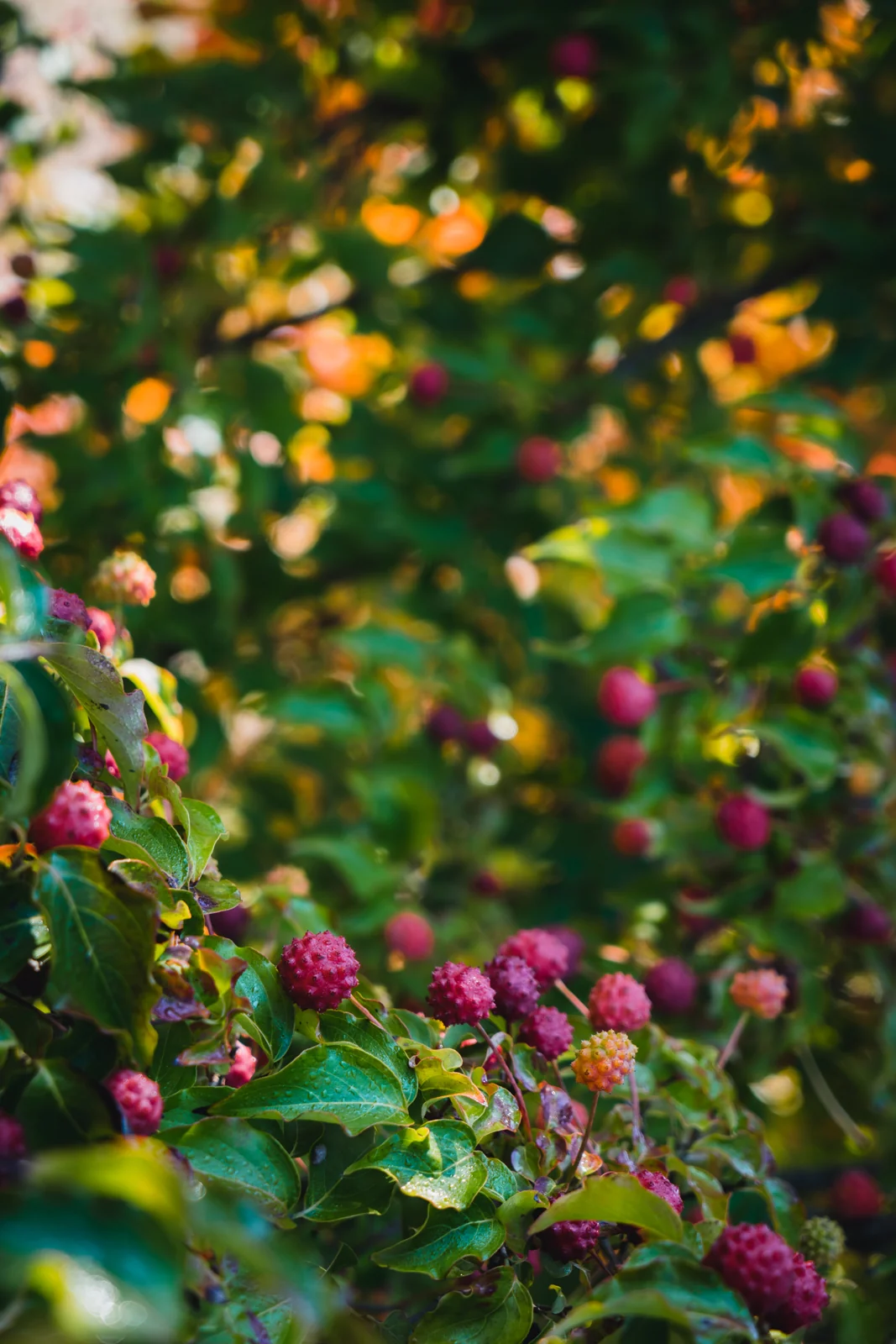
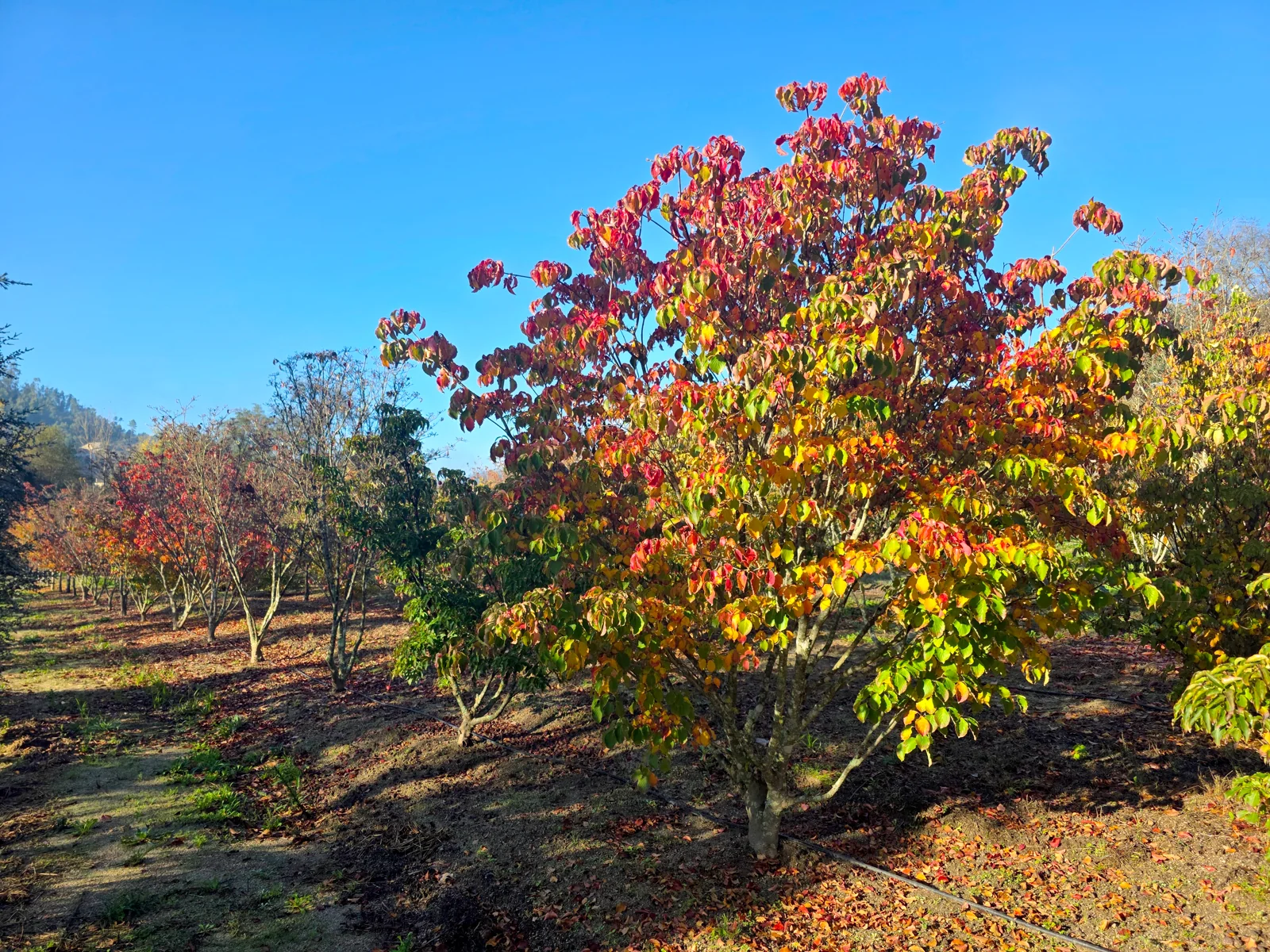
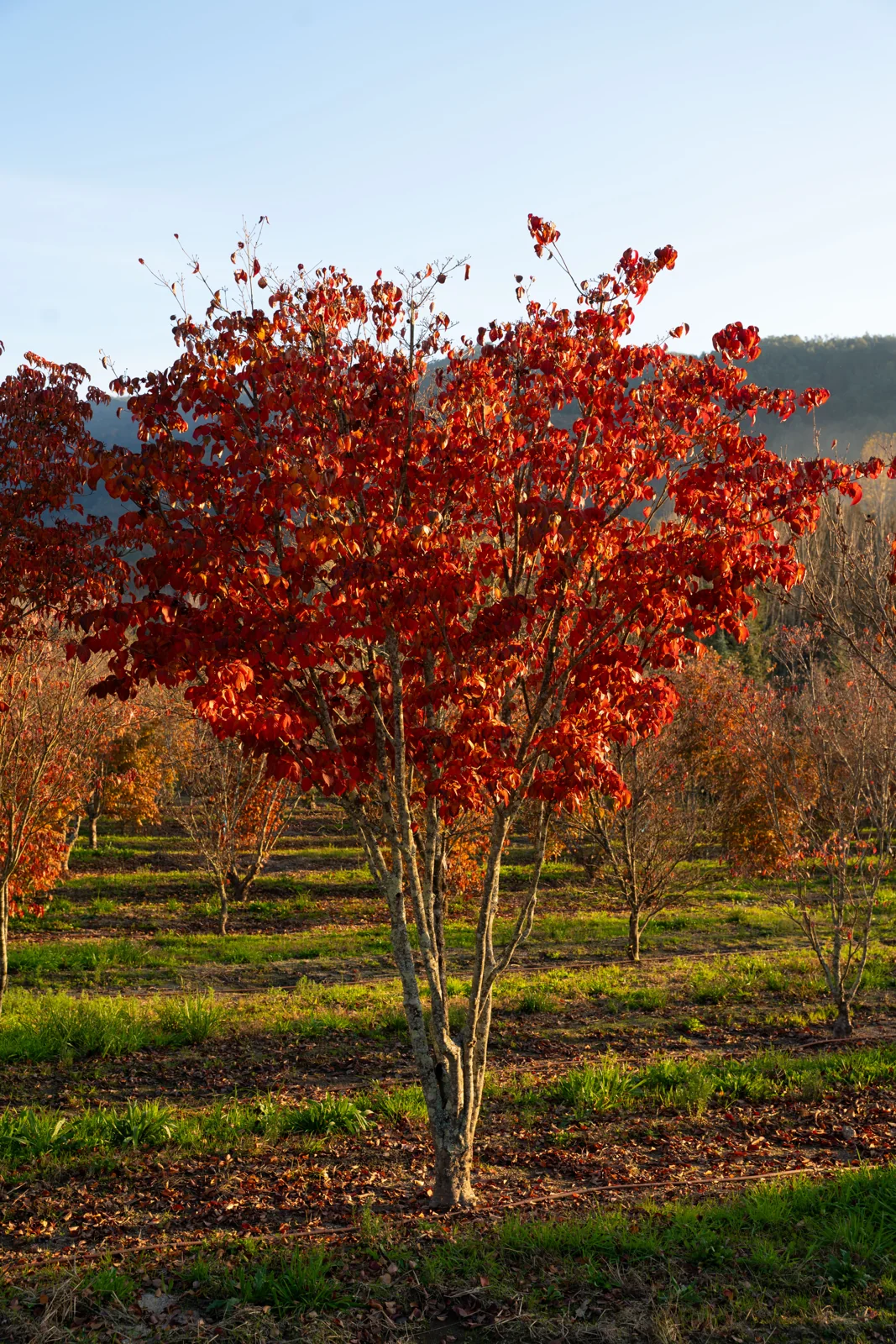
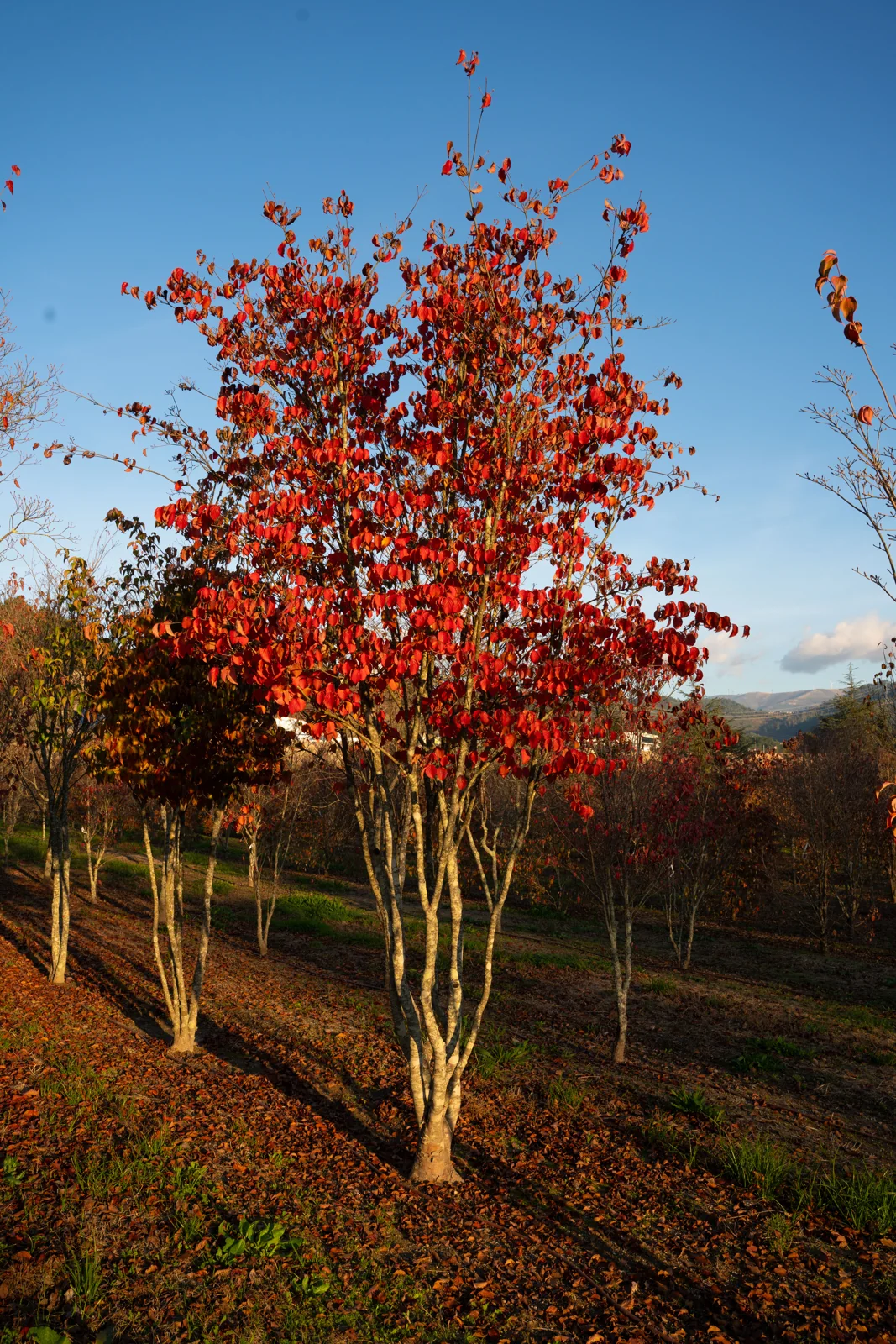
- Floriferous late-spring white bracts, summer shade, scarlet autumn colour
- Suits cooler Spanish zones: Sierra de Guadarrama, Catalan interior, Atlantic north
- Needs cool, moist, slightly acidic and well-drained soil
About this Cultivar
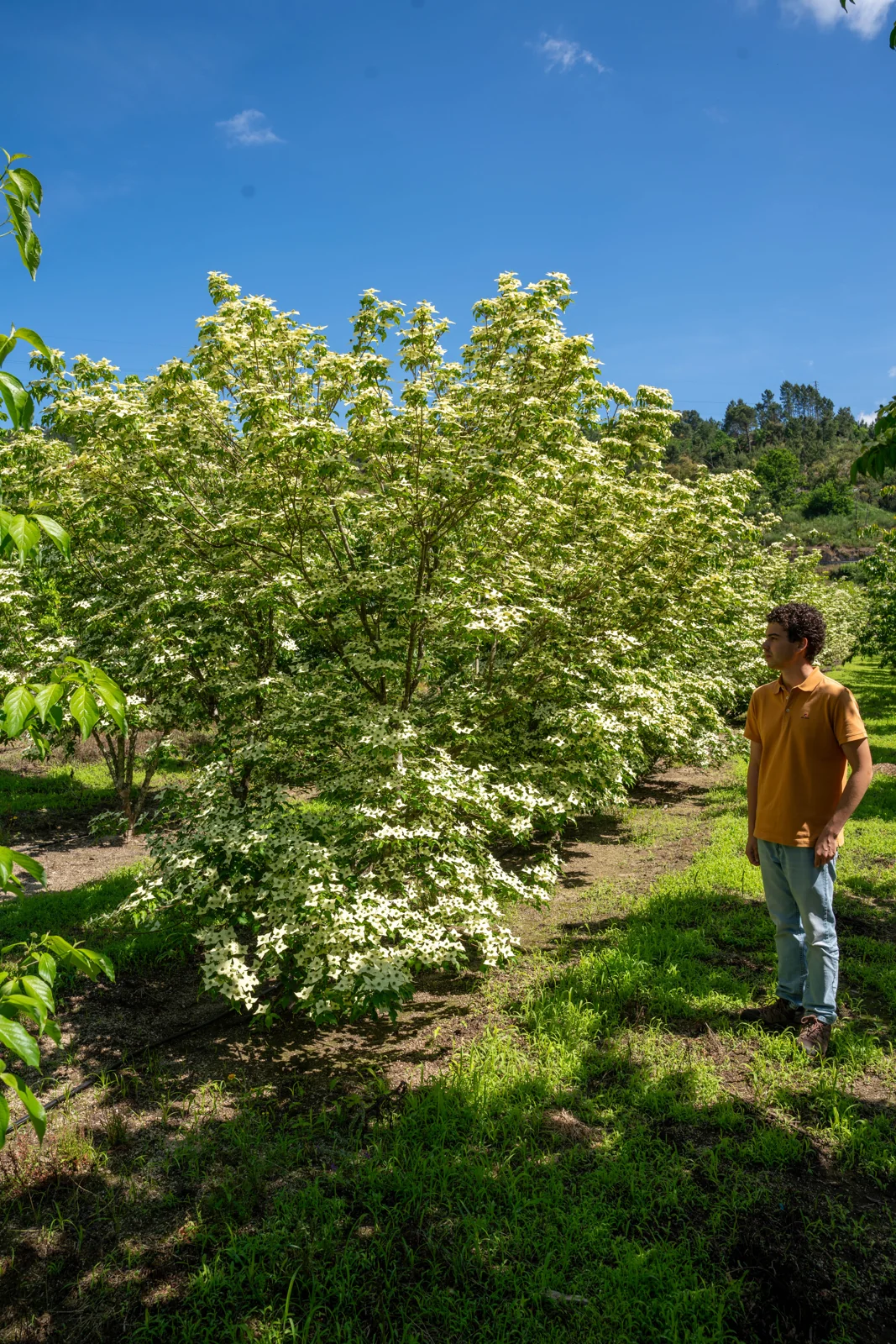
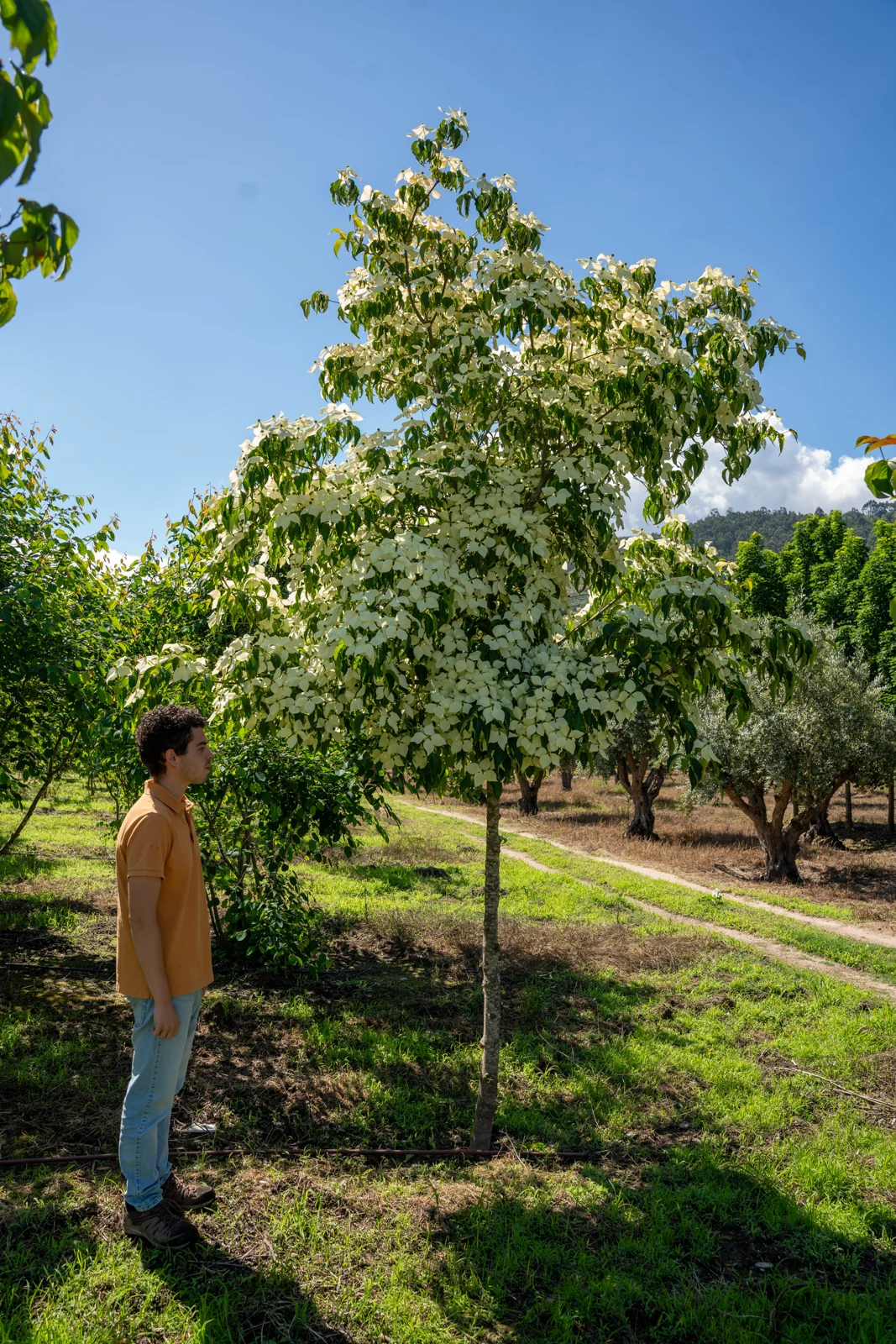
Cornus kousa 'Chinensis' is the Chinese-origin selection of the Japanese dogwood (cornejo japonés), grown for the size and freedom of its bract display rather than for any departure from the species' fundamental form. Expect a multi-stemmed deciduous tree of 6 to 9 m in height with a 5 to 10 m spread at maturity, the crown opening from a vase-shaped youth…
Read more
Show less
Cornus kousa 'Chinensis' is the Chinese-origin selection of the Japanese dogwood (cornejo japonés), grown for the size and freedom of its bract display rather than for any departure from the species' fundamental form. Expect a multi-stemmed deciduous tree of 6 to 9 m in height with a 5 to 10 m spread at maturity, the crown opening from a vase-shaped youth into a horizontally tiered, rounded silhouette of considerable architectural delicacy.
The functional envelope inside Spain is narrow but well-defined. The tree performs reliably across the humid Atlantic northwest, including Galicia, Asturias, Cantabria and the Basque Country, where cool summers and acidic substrates align with its requirements; it is also at home in the wetter Pyrenean foothills and parts of inland Catalonia on suitable soils. Winter cold is not the limiting factor: hardy to roughly -25 °C, it tolerates meseta winter minima without difficulty.
Summer behaviour, not winter, sets the limit. Drought tolerance is moderate, not absolute; the tree resents the prolonged rainless summer of the Levante, the Costa Blanca interior and the sureste, and it scorches on alkaline calcareous ground where Mediterranean species thrive. For projects in those zones the species is not the right specification. Where the climatic match holds, plan on supplementary irrigation through the first three summers, with reduced but maintained watering thereafter on free-draining loam.
Soils should be fresh, fertile, slightly acidic and well drained; the shallow root mass dislikes both waterlogging and severe compaction. Phytosanitary pressure is light. The genus Cornus sits outside the principal Xylella fastidiosa host range now under demarcation in Spain, and this cultivar carries the species' established resistance to dogwood anthracnose (Discula destructiva). Maintenance is low: light formative pruning when young, removal of crossing stems, and periodic checks for scale or borers on stressed specimens.
Advice on this species
Want to know more about Cornus kousa 'Chinensis'?
Tell us about your project and we'll advise you on this species — where it thrives, which size makes sense, and what to expect once planted.
- Produção própria
- Exemplares adultos
- Resposta em 1–2 dias
Sem compromisso · orçamento personalizado