

A spring-flowering understorey tree for the Atlantic garden
Flowering Dogwood · Cornus florida
A slow, understory flowering tree for acidic, humid Atlantic conditions, specified for its spring bracts across the cornisa cantábrica and shaded inland sites of cooler, moister northern Spain.
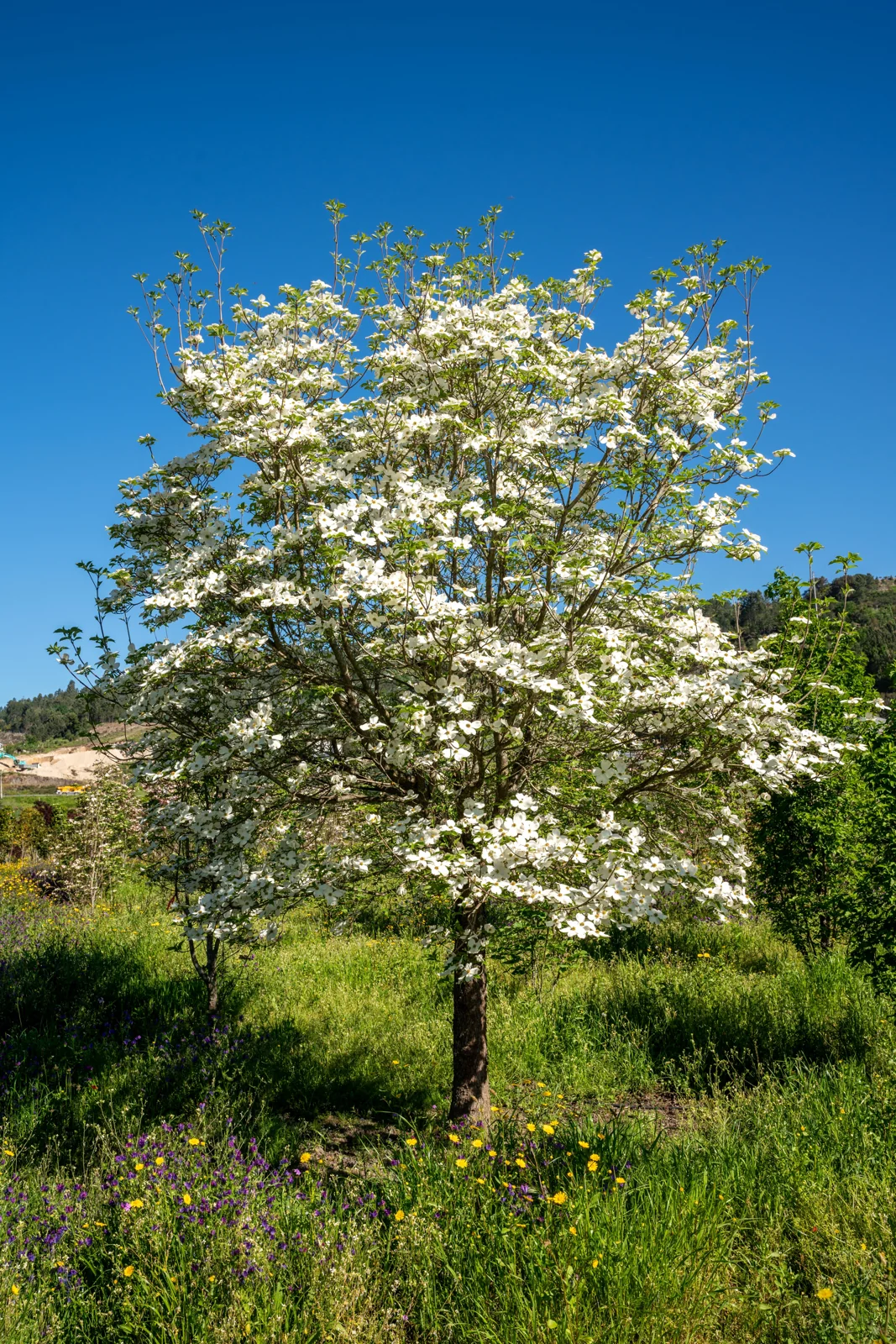
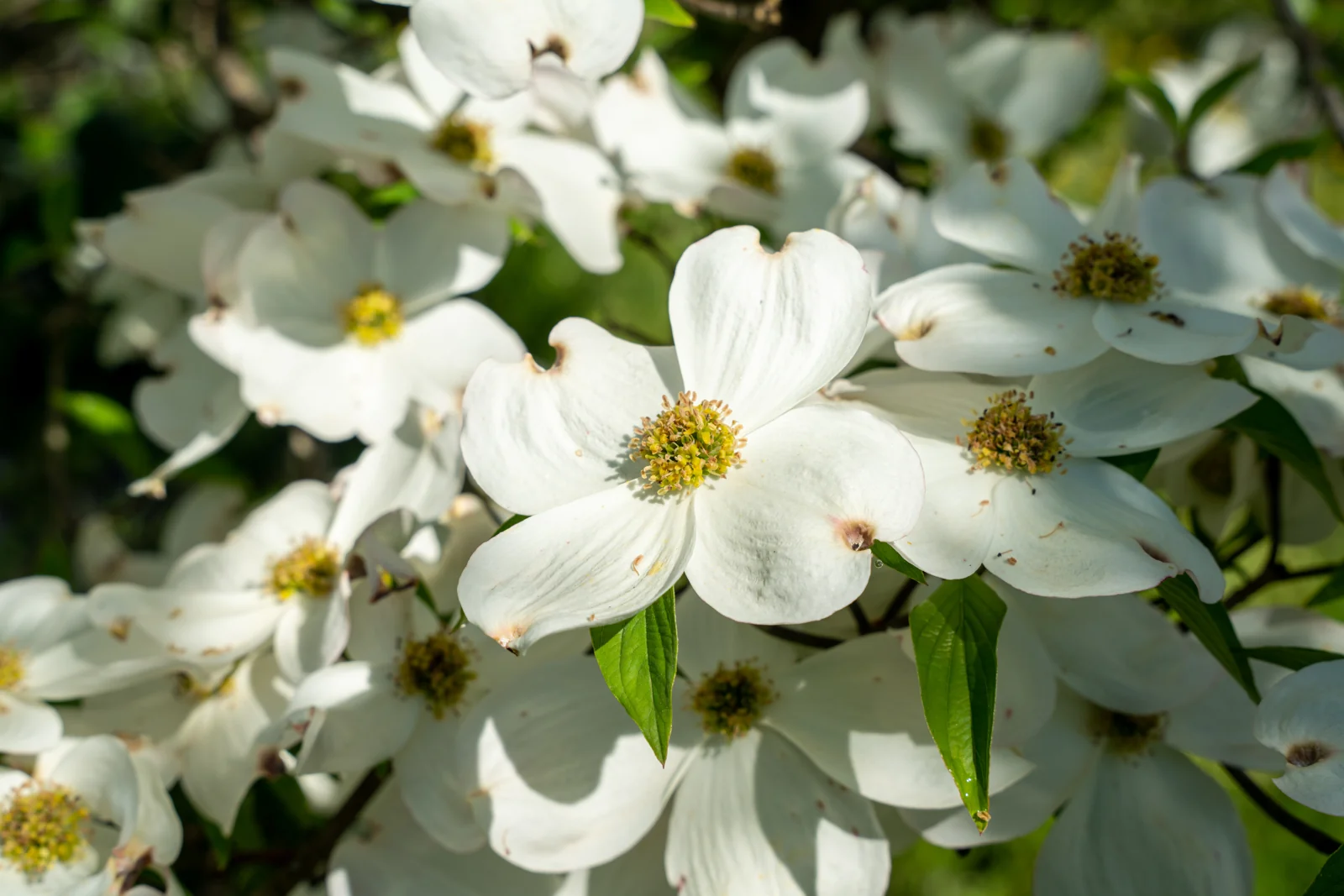
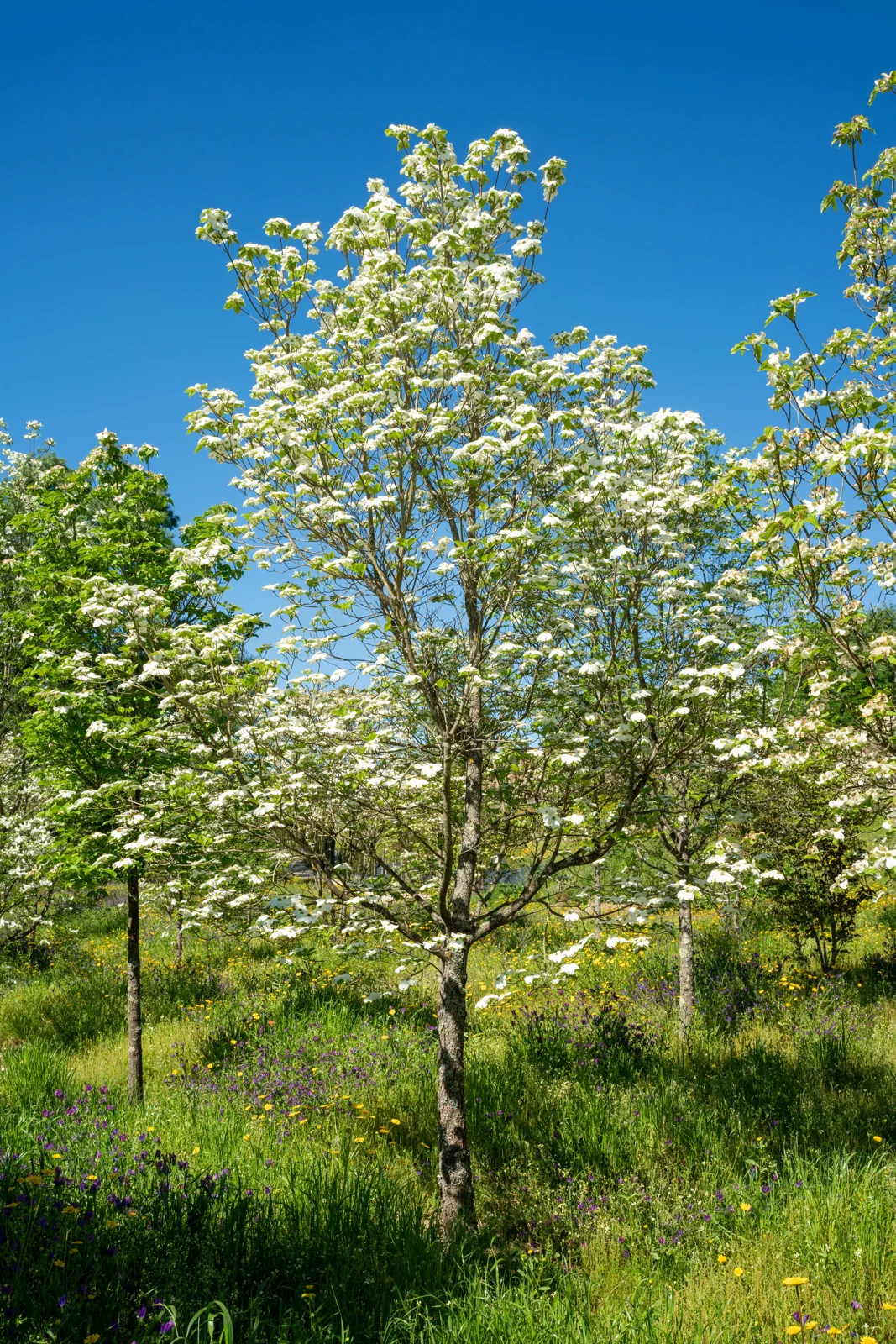
- Four petal-like white or pink bracts open across the crown in April and May
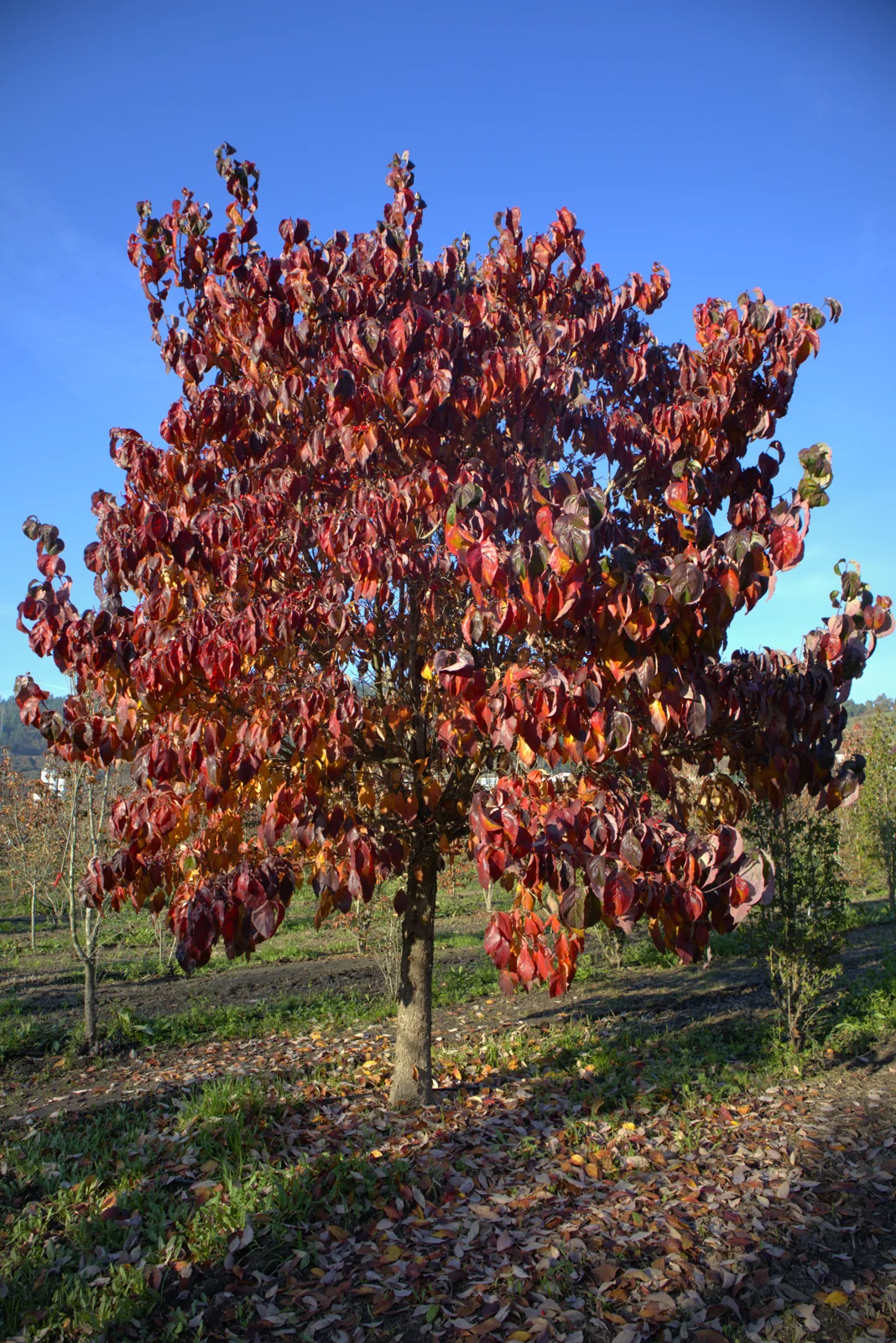
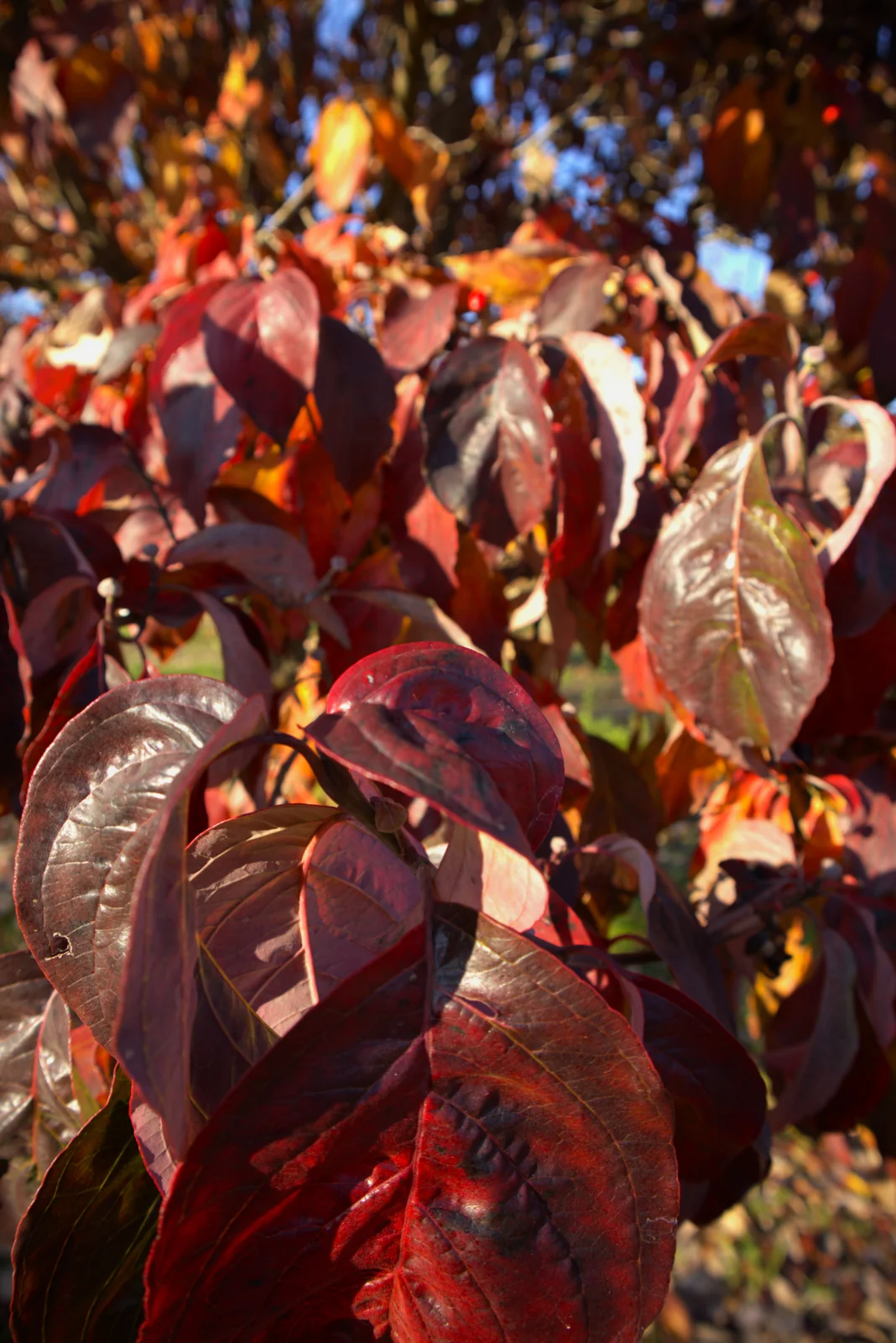
- Reliable red to reddish-purple autumn colour where summers stay temperate
- Suits the Atlantic north, the Basque country, Galicia, and the wetter Catalan interior
About this Species
The species earns its place in Spain through climatic specificity rather than versatility. It is reliable in Galicia, Asturias, Cantabria, and the Basque Country, where cool summers, mild wet winters, and acidic soils approximate its native eastern North American envelope. It is hardy to roughly minus 23 °C, so cold itself is not the limiting factor; what…
Read more
Show less
The species earns its place in Spain through climatic specificity rather than versatility. It is reliable in Galicia, Asturias, Cantabria, and the Basque Country, where cool summers, mild wet winters, and acidic soils approximate its native eastern North American envelope. It is hardy to roughly minus 23 °C, so cold itself is not the limiting factor; what limits it inland is summer heat combined with alkaline calcareous substrates, and late spring frosts in the meseta can scorch the bracts before they open.
Water demand sits at the high end of the ornamental tree palette for an Atlantic project, and the species is intolerant of severe drought once mature. Roots prefer a moist, organically rich, well-drained soil with a pH between 6.0 and 7.0, and a 5 to 10 cm mulch layer to moderate root temperature. Where municipal irrigation is restricted during sequía episodes, specify Cornus florida only on sites with reliable subsoil moisture, not on exposed pits subject to cut-off.
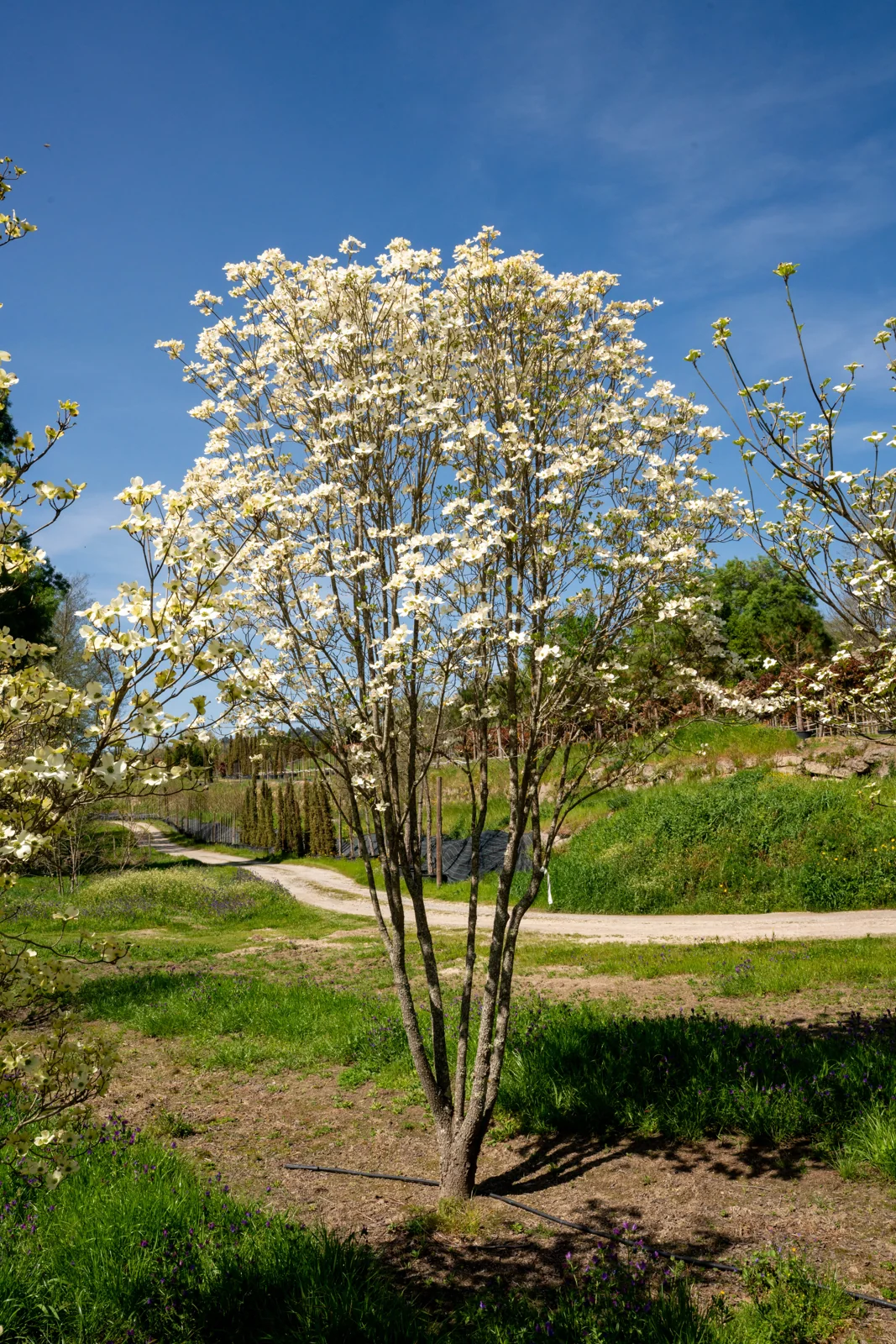
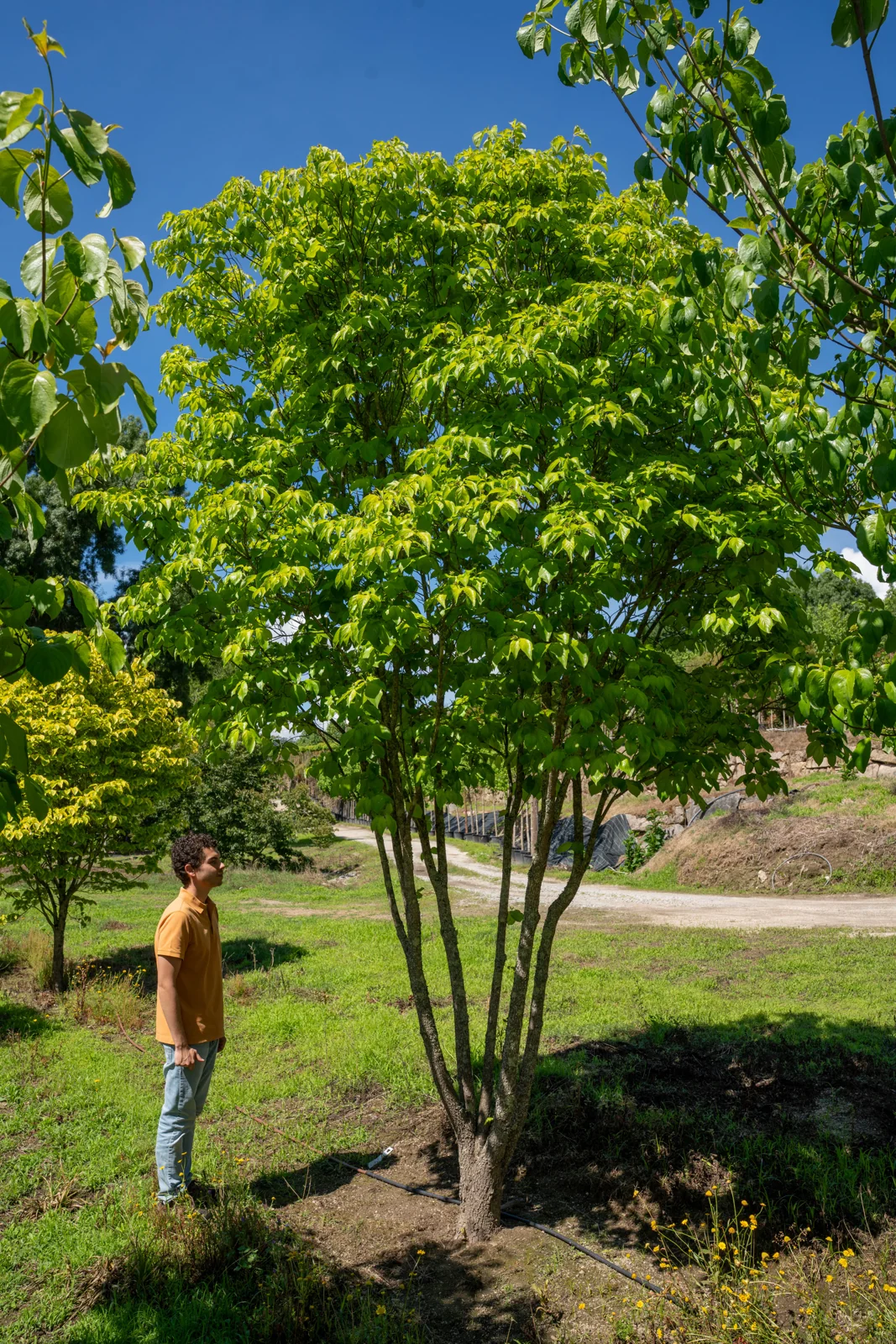
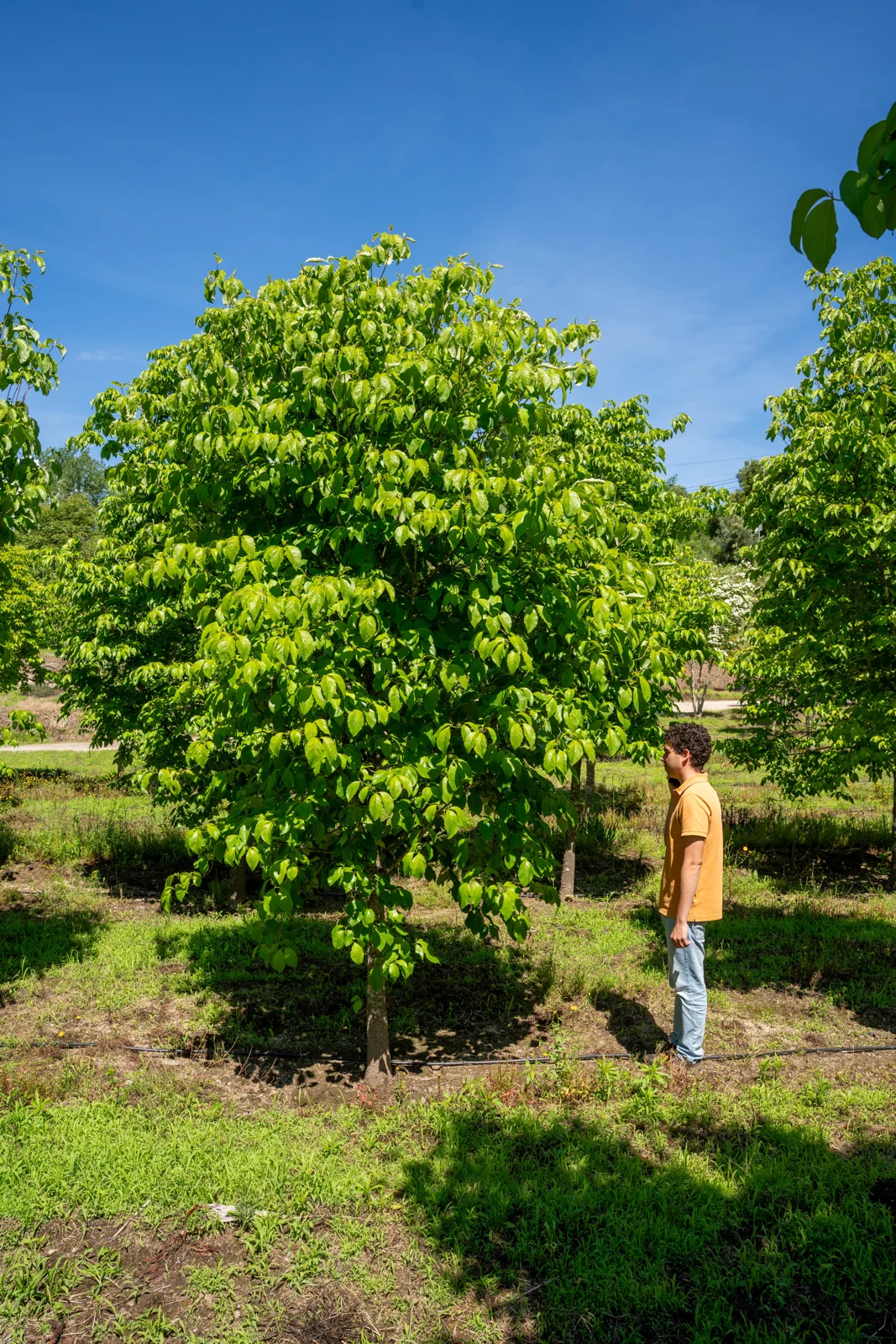
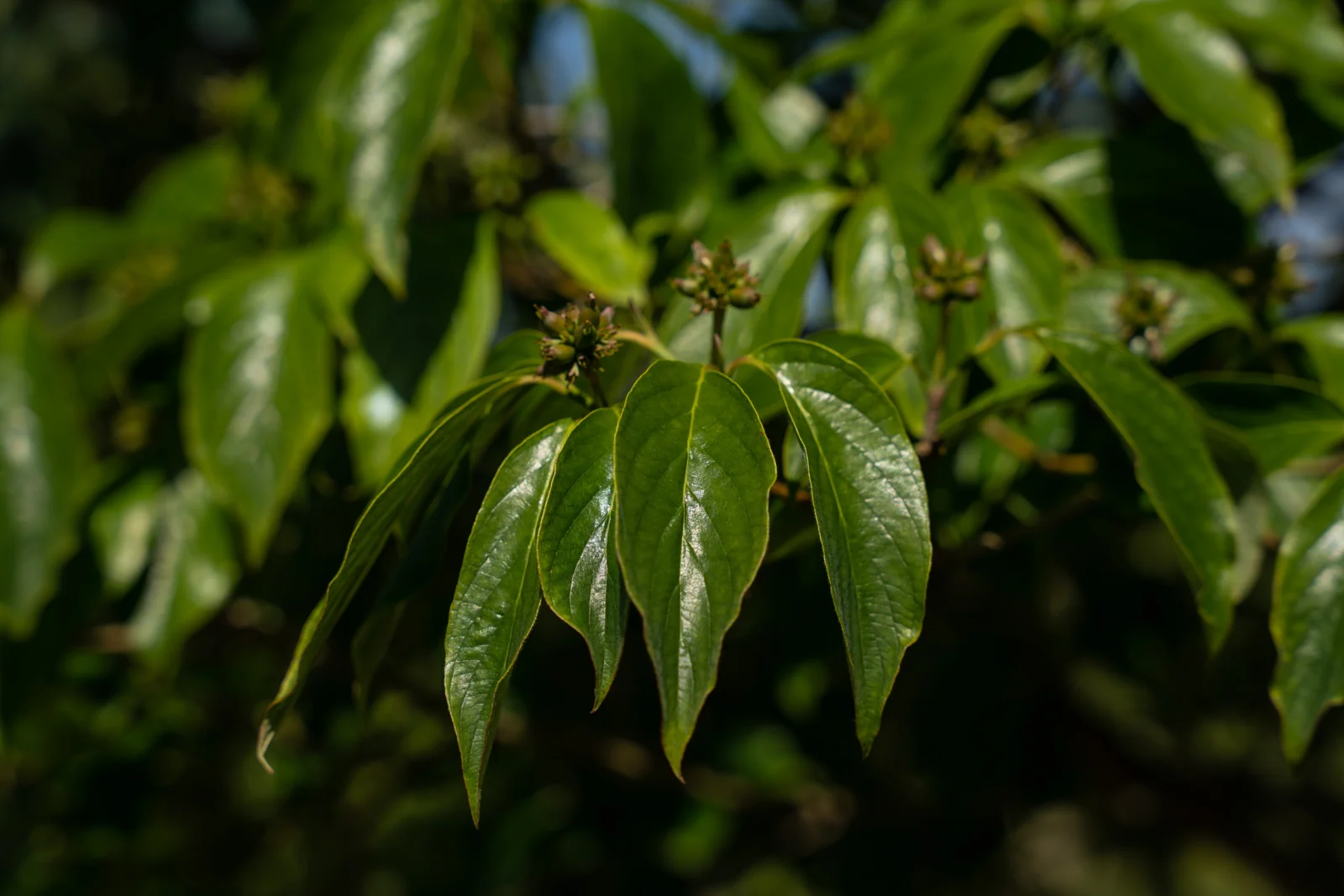
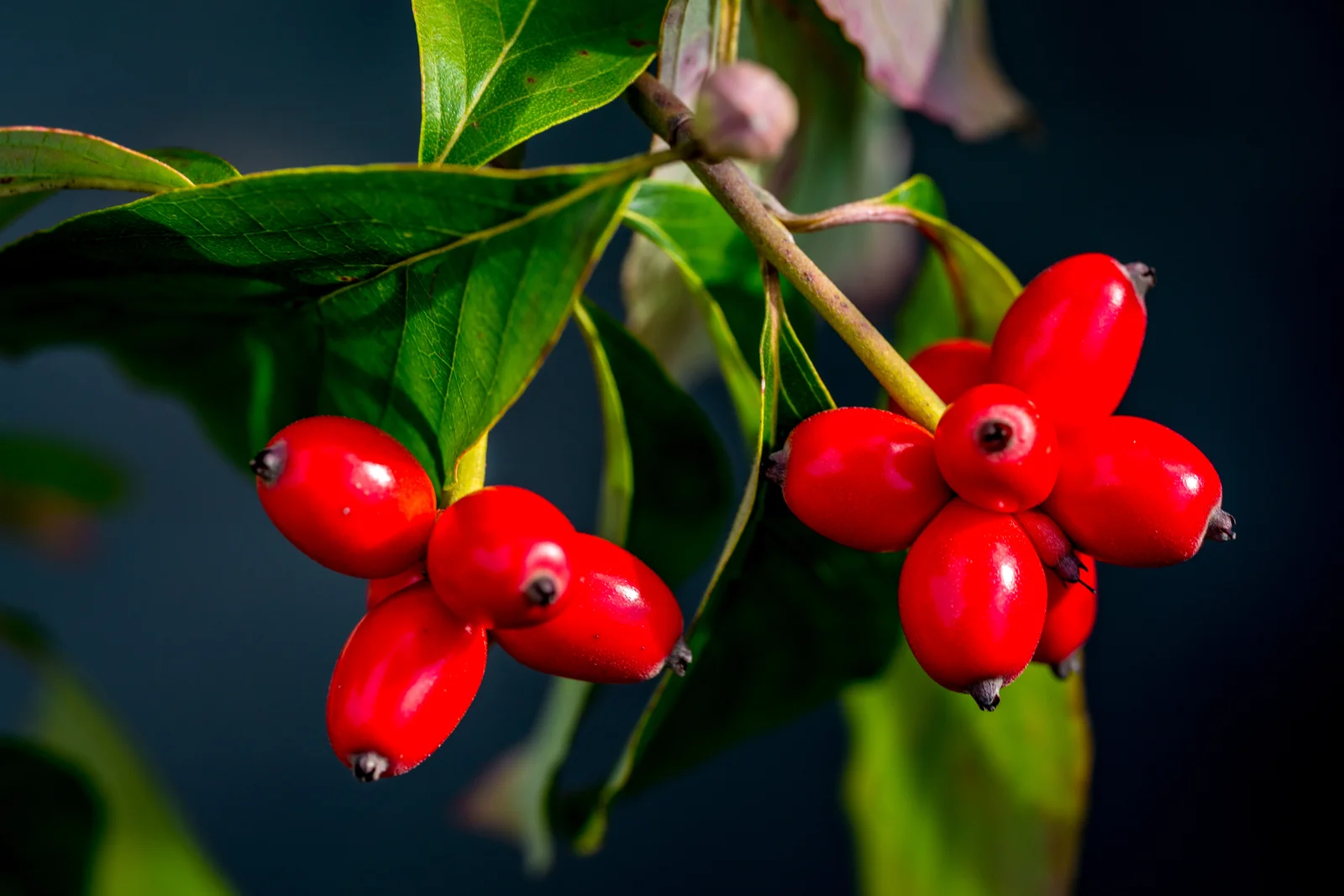
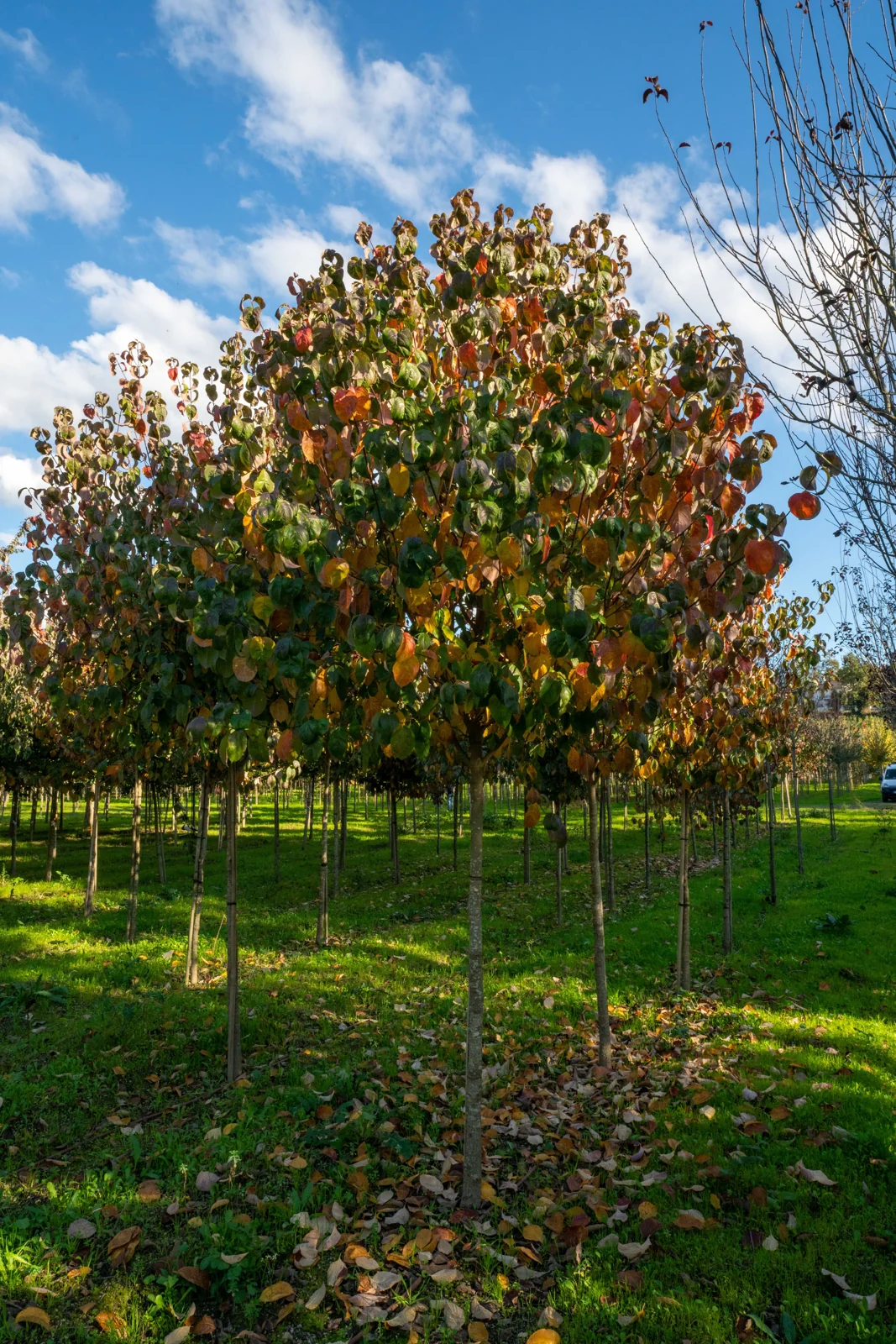
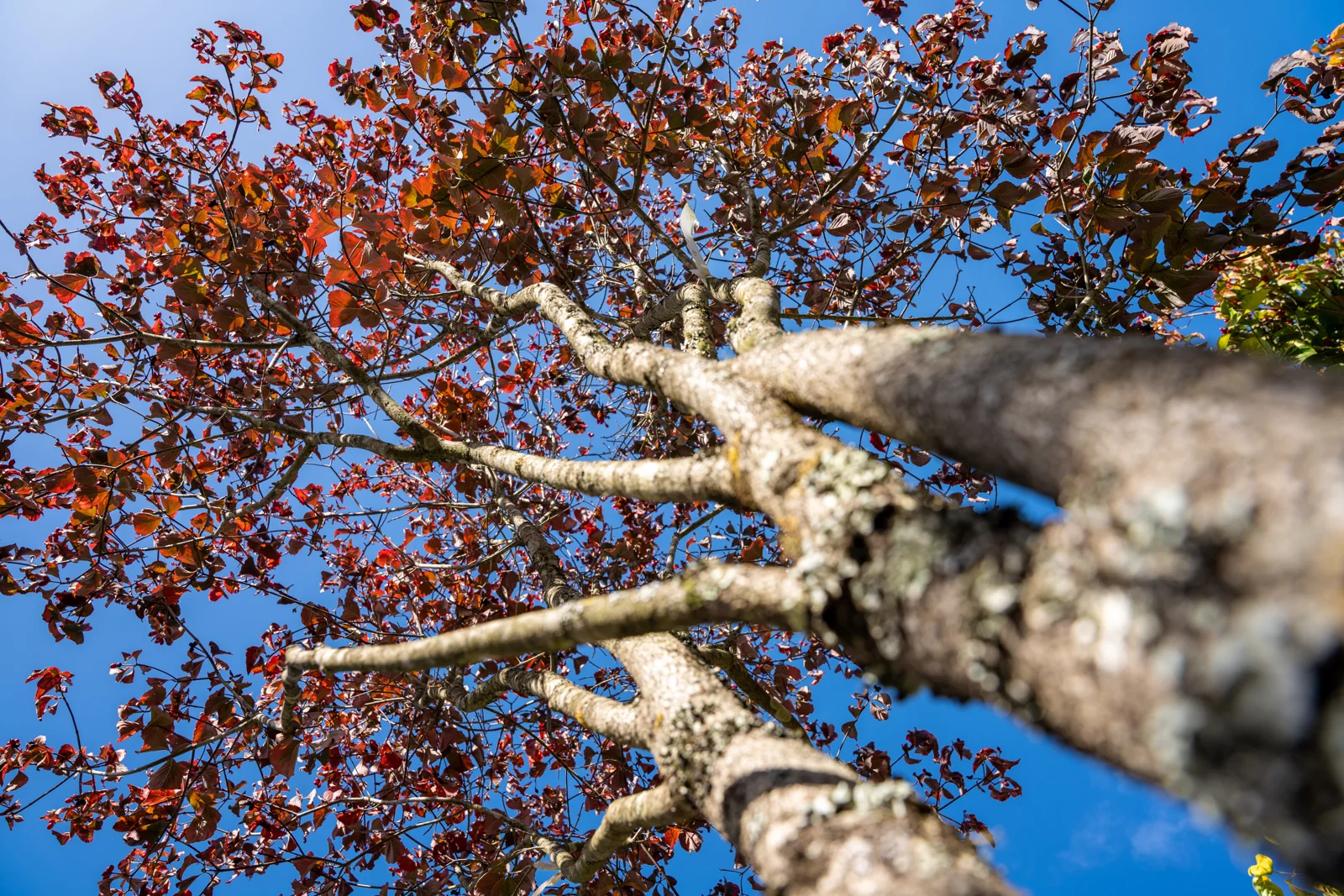
Form is wide-spreading and low-branching, typically 5 to 8 metres tall and as wide, with horizontal tiered branches that read as sculptural in winter. The ornamental display is the four-bract involucre, 8 to 10 cm across in white or pink, opening in April and May before or with the leaves; the true flowers at the centre are small and yellow-green. Autumn foliage turns red to purple, and the bright red drupes carry into early winter.
Disease pressure is the principal specification caveat. Dogwood anthracnose (Discula destructiva) and powdery mildew affect stressed specimens; resistant cultivars such as 'Appalachian Spring' and 'Cherokee Princess' should be preferred where pressure is anticipated. The genus Cornus sits outside the known host range of Xylella fastidiosa, which is useful in Levante and Andalusian comunidad autónoma specifications where Olea and Polygala are constrained, though heat and alkalinity rule the species out of those climates regardless.



Advice on this species
Want to know more about Cornus florida?
Tell us about your project and we'll advise you on this species — where it thrives, which size makes sense, and what to expect once planted.
- Produção própria
- Exemplares adultos
- Resposta em 1–2 dias
Sem compromisso · orçamento personalizado