

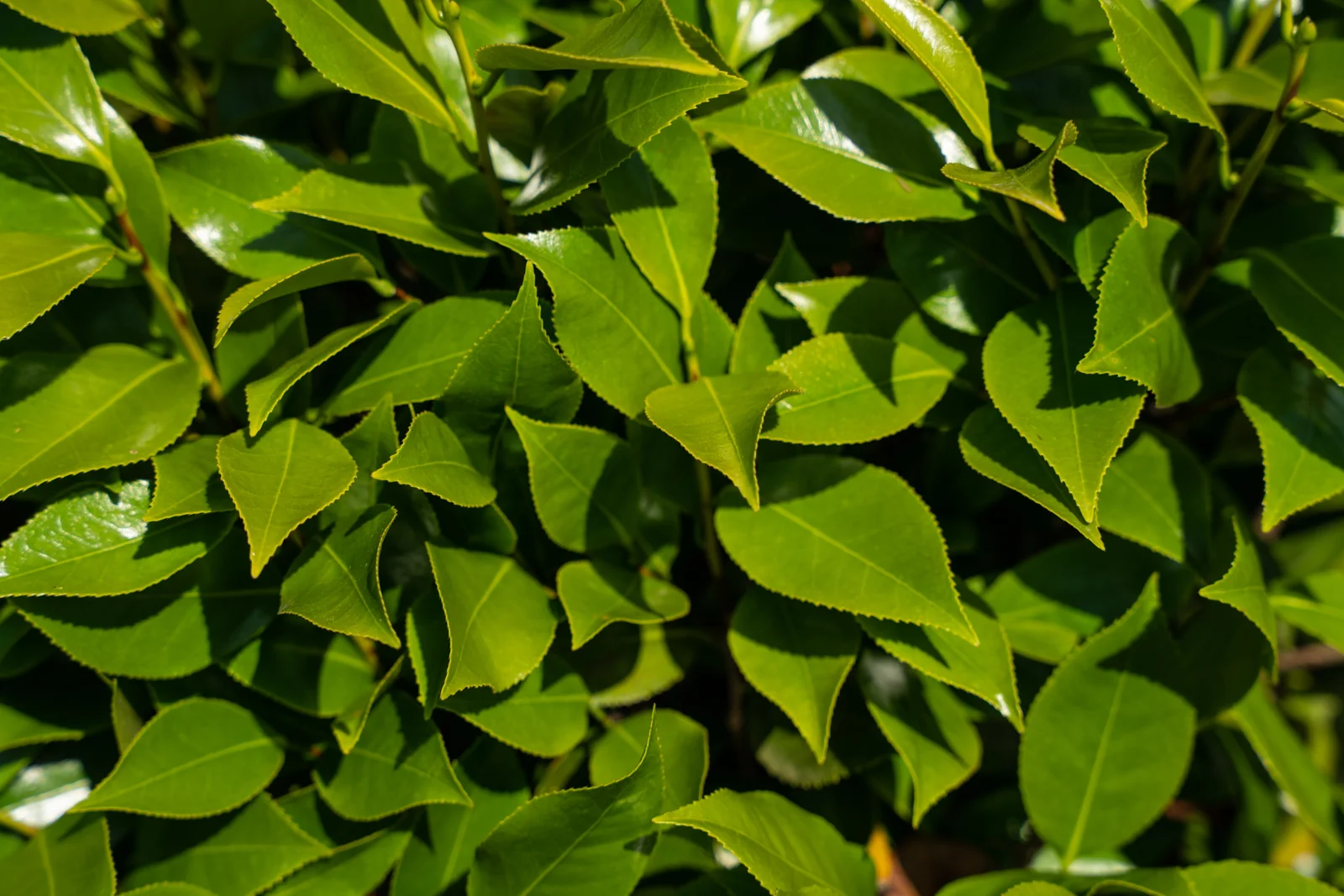
Glossy evergreen shrub for the cool, shaded, acid-soil garden
Japanese Camellia · Camellia japonica
An evergreen flowering specimen for projects in Galicia, Asturias, Cantabria, and the Basque Country, where acidic soils, cool summers, and reliable winter moisture along the cornisa cantábrica match its narrow climatic envelope.
- Thrives across Galicia, Asturias, Cantabria, and the País Vasco
- Wants acid, organic, free-draining soil to settle and grow well
- Consistent summer watering through the first three years sets it up well
About this Species
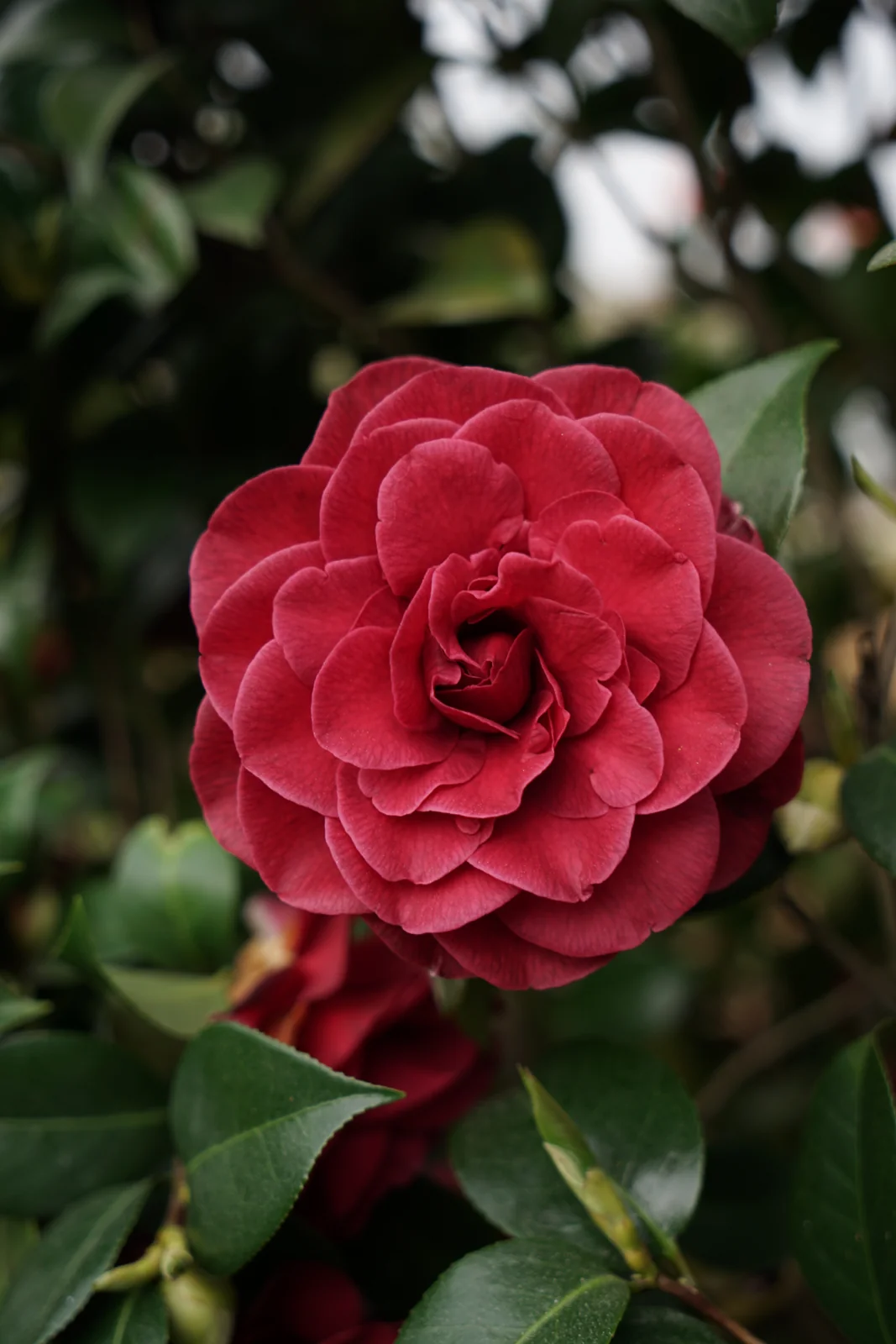
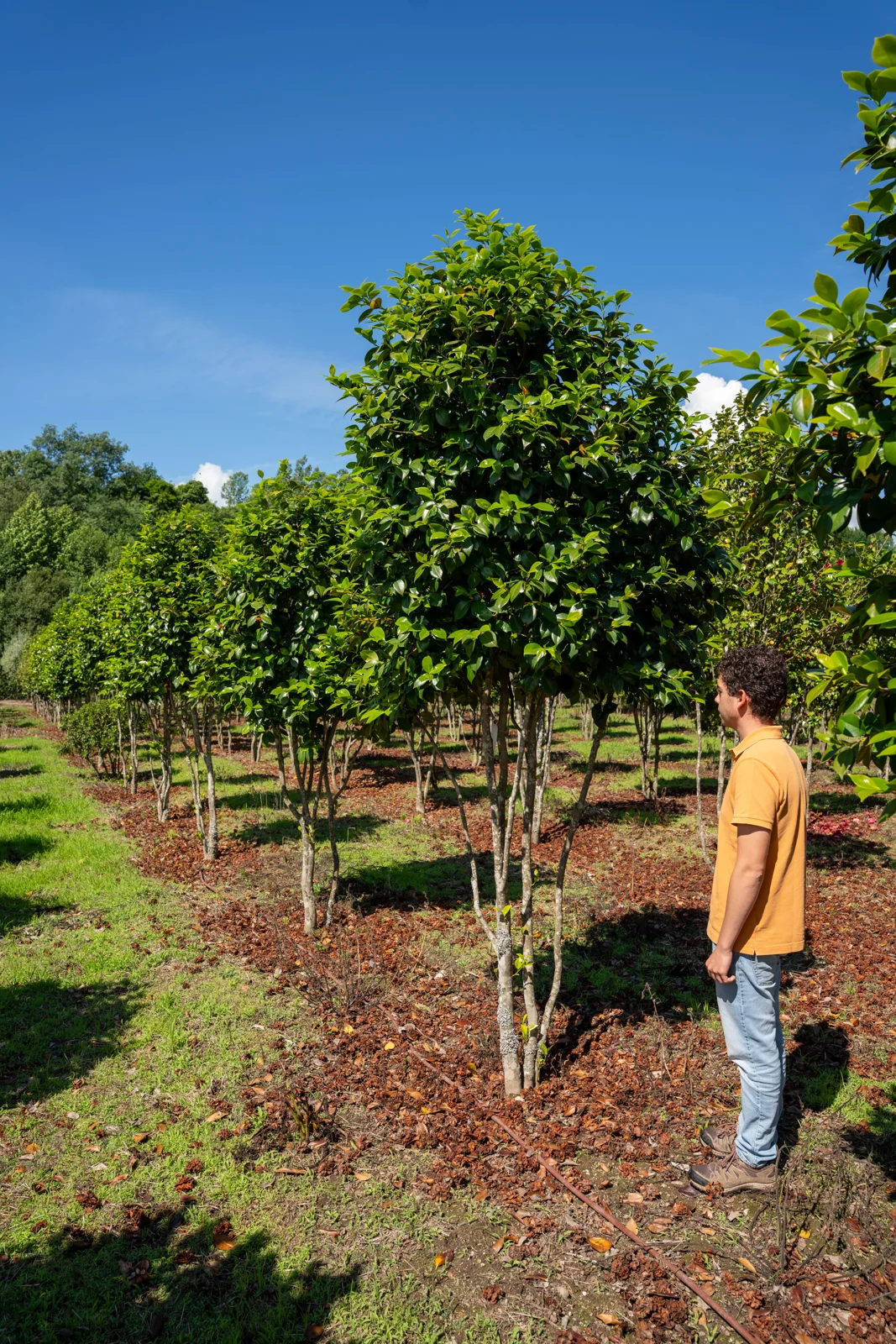
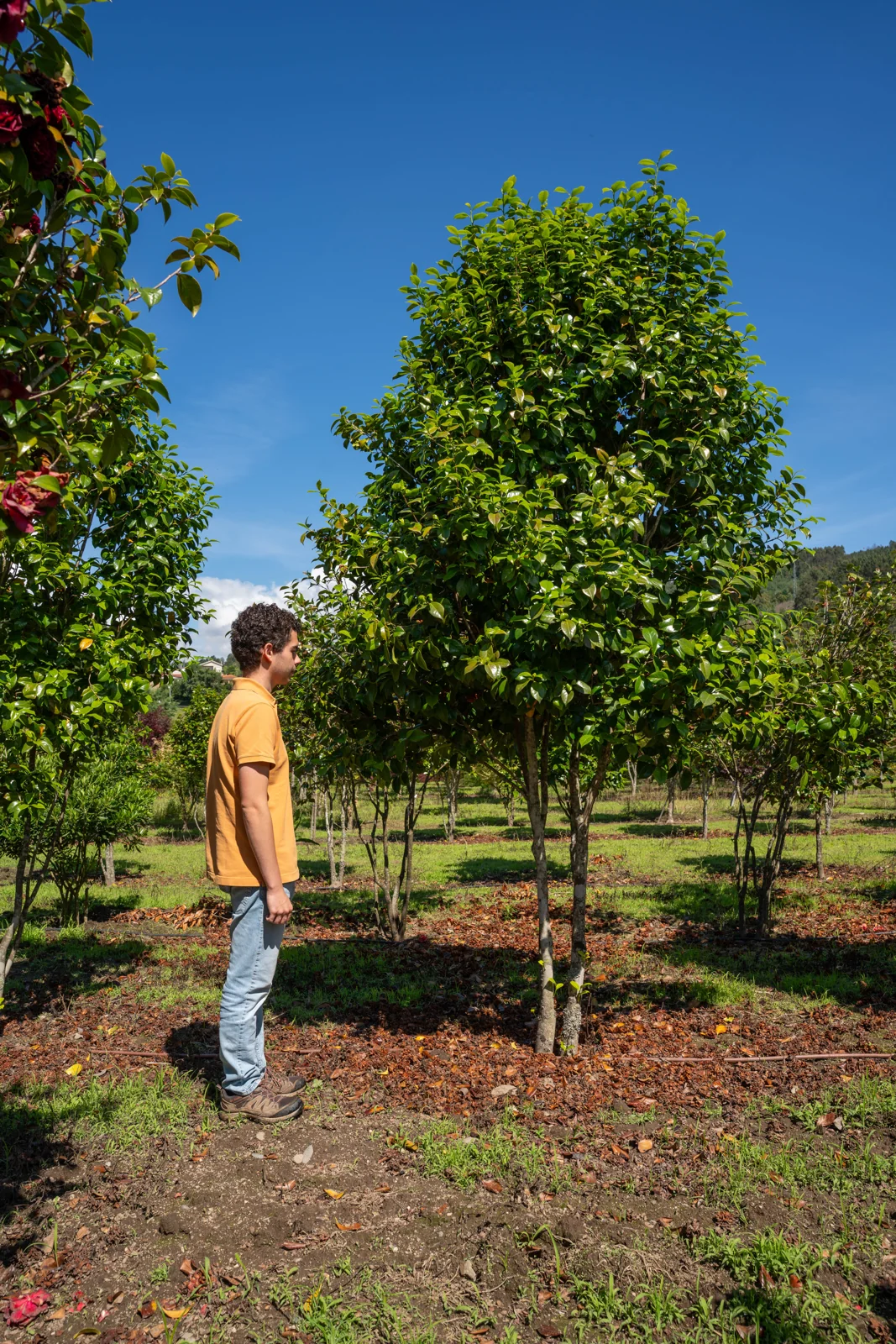
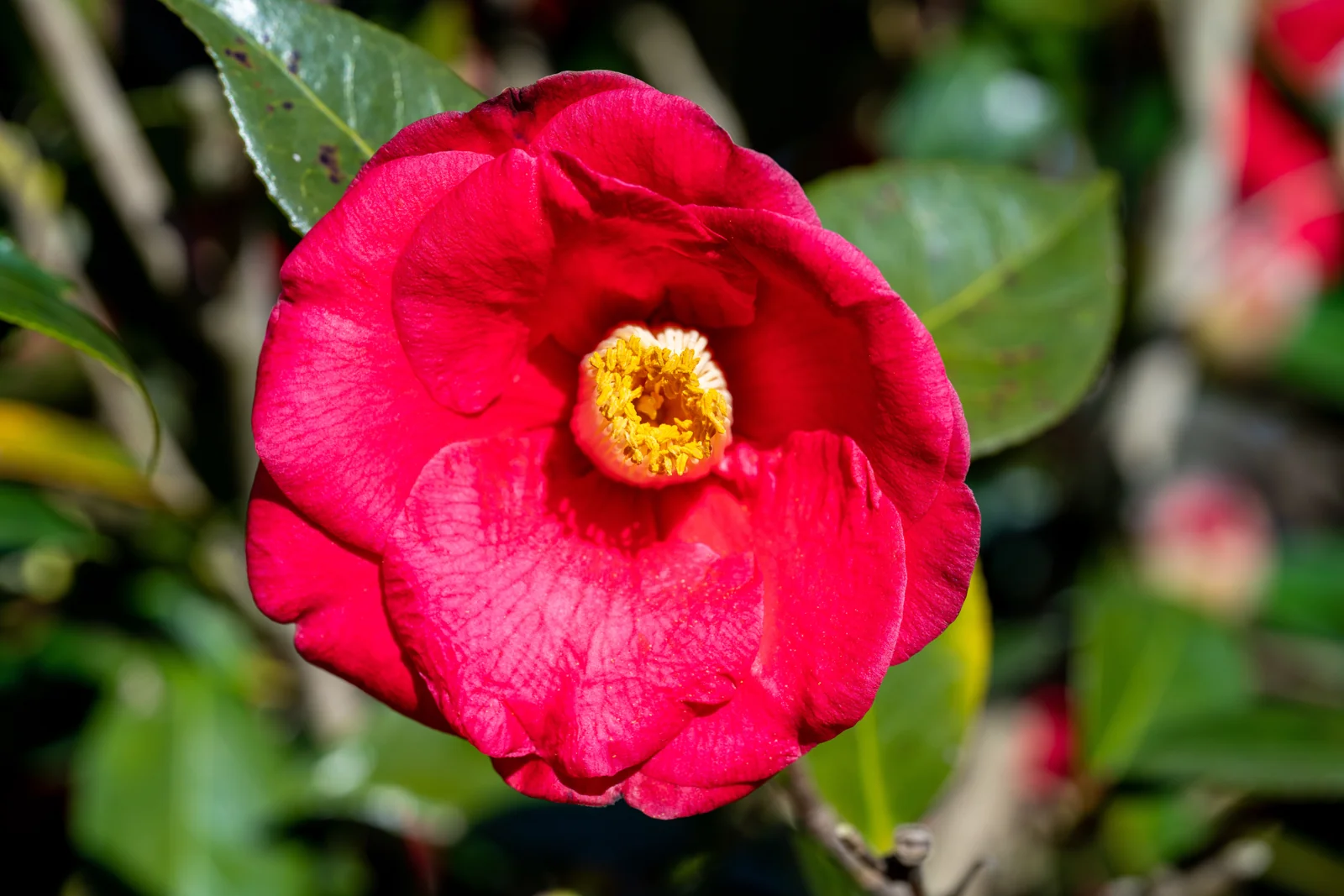
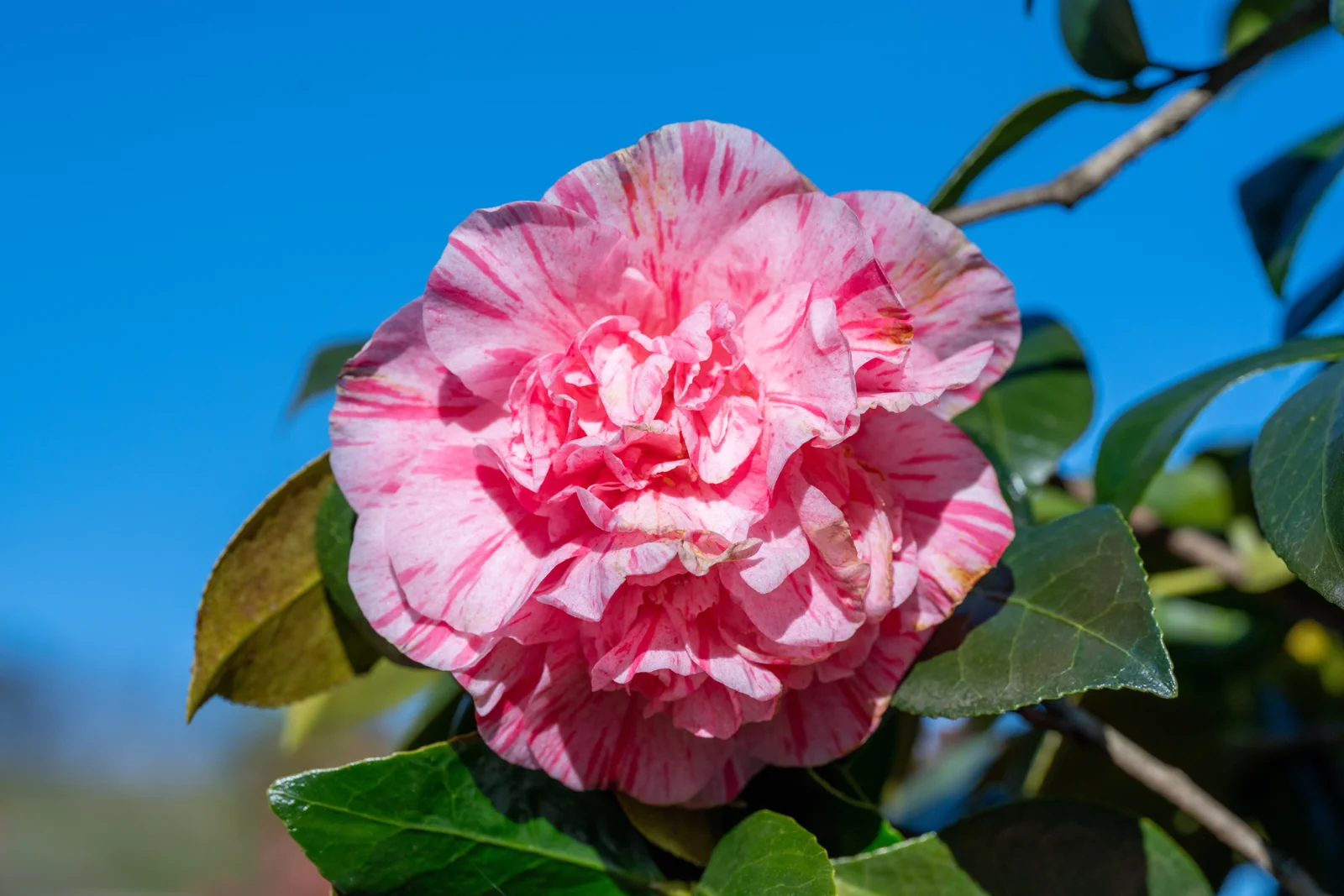
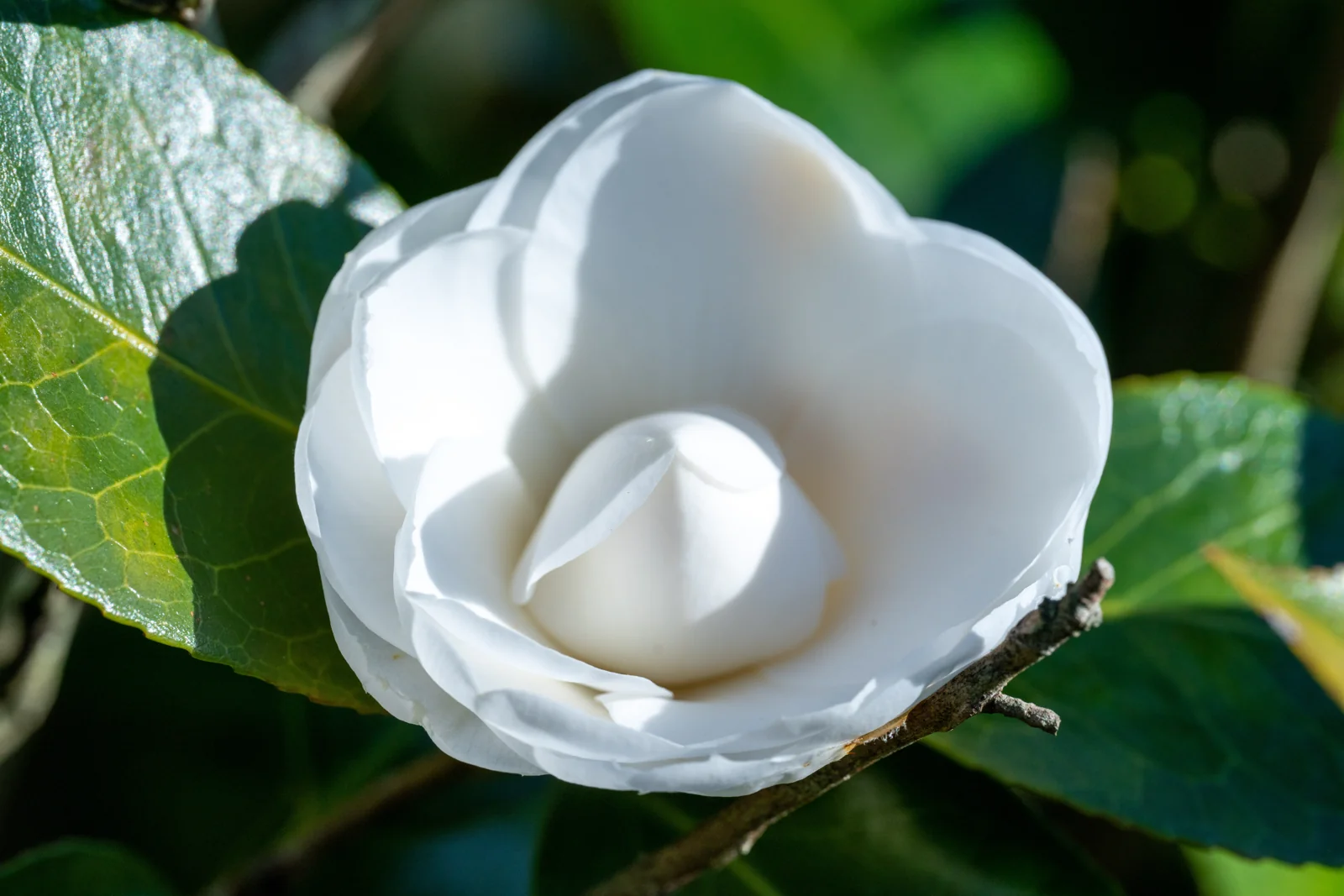
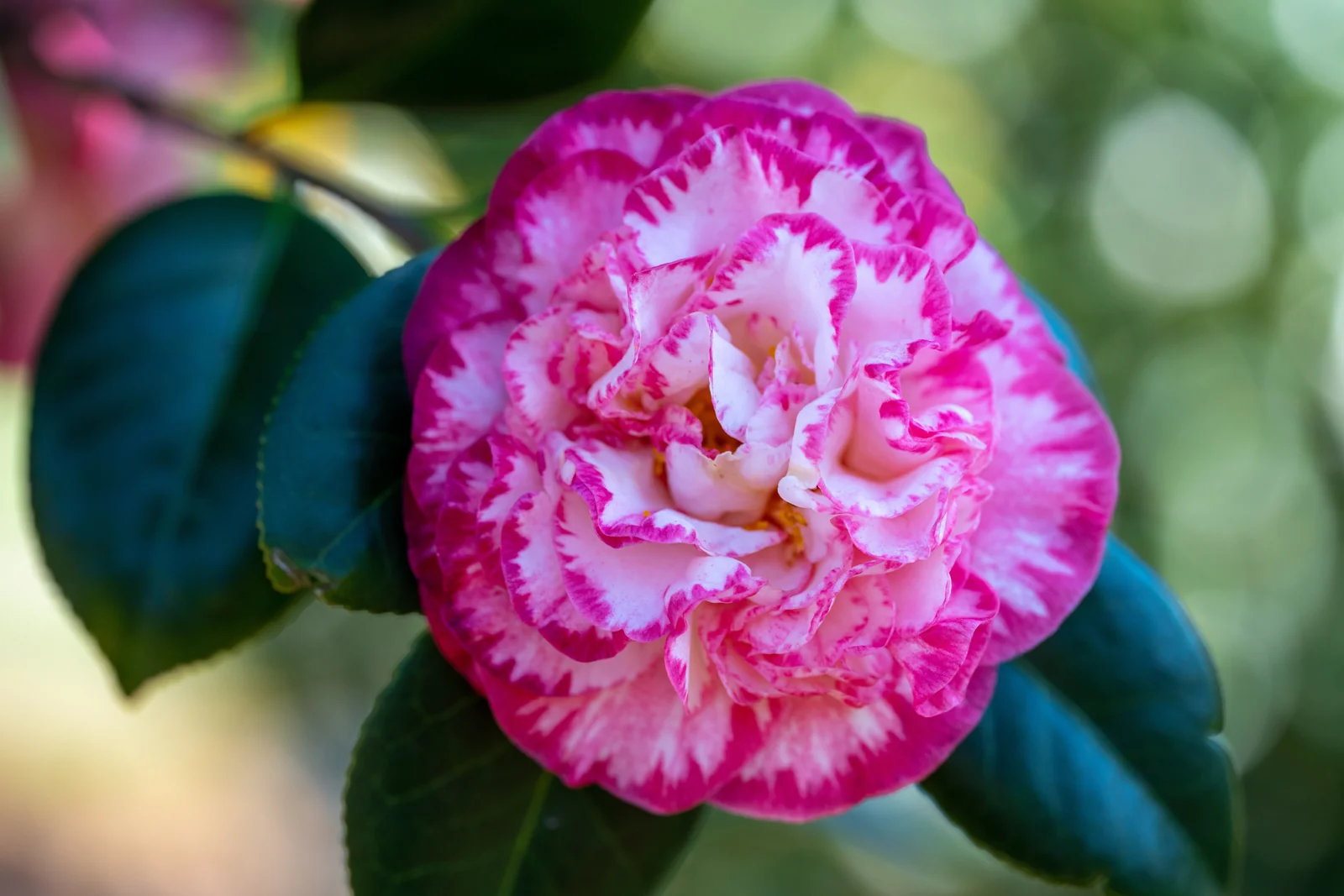
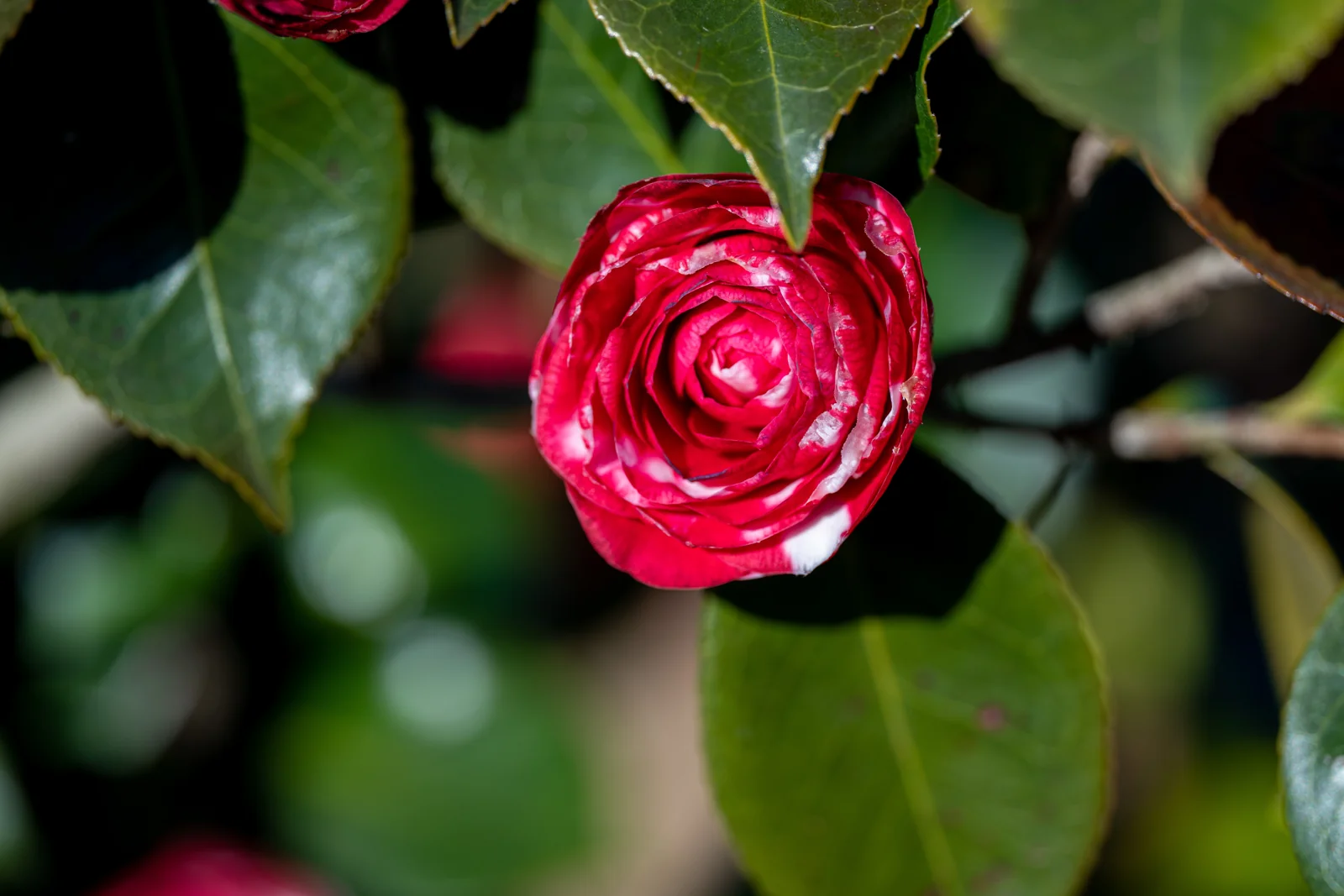
Camellia japonica is a slow, densely branched evergreen reaching 3 to 6 m at maturity over decades, with a rounded to upright habit and leathery, glossy dark green foliage that holds tone year round. Solitary flowers of 6 to 10 cm appear from January through April in red, pink, white, or bicolour forms depending on cultivar, opening into the late-winter…
Read more
Show less
Camellia japonica is a slow, densely branched evergreen reaching 3 to 6 m at maturity over decades, with a rounded to upright habit and leathery, glossy dark green foliage that holds tone year round. Solitary flowers of 6 to 10 cm appear from January through April in red, pink, white, or bicolour forms depending on cultivar, opening into the late-winter window when most of the palette is still dormant. Functionally it occupies the role that Magnolia grandiflora plays in evergreen mass but on a smaller scale and with a tighter flowering programme.
The climatic envelope is the defining specification fact. The species is reliable across the humid Atlantic northwest, the cornisa cantabrica that runs from Galicia through Asturias, Cantabria, and the Basque Country, where cool summers, mild wet winters, and naturally acidic soils replicate its native montane forest conditions in southern Japan, Korea, and coastal China. Hardiness is to roughly minus 12 degrees C, sufficient for the Atlantic strip, but late spring frosts scorch open flowers and the species is unsuited to the continental interior of the meseta or to the semi-arid southeast. On Mediterranean coastal sites it underperforms unless soil is amended and irrigation is reliable.
Site requirements are exacting. The plant demands acidic, organic, moist but well drained substrate; alkaline or calcareous soils common across inland and Mediterranean Spain cause chlorosis and decline. Drought tolerance is low, and irrigation cut-off in summer is not survivable on exposed sites; the plant belongs in partial to full shade, sheltered from drying winds and from morning sun on frosted buds. Salt tolerance is low, which limits use on coastal fronts without buffering planting.
The broader Iberian context supports the specification argument. The oldest documented camellias in Europe stand at Campobello in northern Portugal, planted in the sixteenth century, and the species has a continuous estate-garden tradition across Galicia, where the Rota da Camelia links the pazos that have grown it for generations. This is not a tree for every Spanish project; it is the reliable evergreen flowering specimen for the projects where its climatic and edaphic envelope is already satisfied.



Advice on this species
Want to know more about Camellia japonica?
Tell us about your project and we'll advise you on this species — where it thrives, which size makes sense, and what to expect once planted.
- Produção própria
- Exemplares adultos
- Resposta em 1–2 dias
Sem compromisso · orçamento personalizado