

Heat-resilient Stadtbaum for compacted inner-city pits
Japanese Pagoda Tree · Styphnolobium japonicum
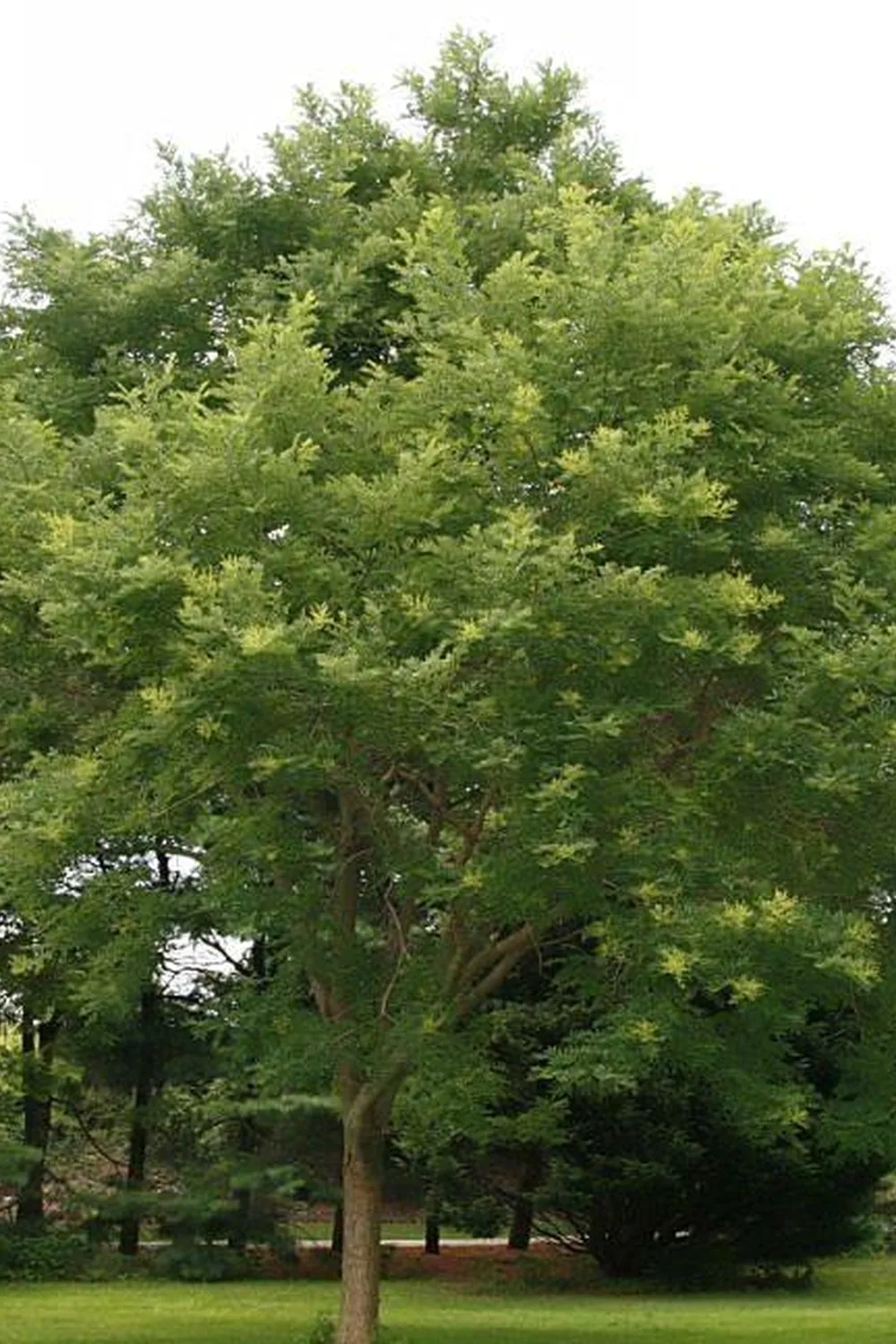
A hardy, broad-crowned legume already established in the German Stadtbaum-Kanon, valued where a specifier needs proven tolerance of compacted soils, summer heat, and air pollution, plus white panicles in the late-summer gap when most canopy trees have finished flowering.
About this Species
Among the species carried on the German street tree list (GALK-Straßenbaumliste), the Japanese pagoda tree (Japanischer Schnurbaum) earns its place through robust urban performance rather than ornament alone. Its winter hardiness (Winterhärte) is not the constraint it would be for a true Mediterranean taxon: native to continental northern and central China,…
Read more
Show less
Among the species carried on the German street tree list (GALK-Straßenbaumliste), the Japanese pagoda tree (Japanischer Schnurbaum) earns its place through robust urban performance rather than ornament alone. Its winter hardiness (Winterhärte) is not the constraint it would be for a true Mediterranean taxon: native to continental northern and central China, it withstands roughly minus 30 degrees Celsius and is reliable across the German Klimaregionen, from the Oberrheingraben (Upper Rhine valley) through the norddeutsche Tiefebene (northern German lowlands) and east of the Elbe. Frost is therefore not the limiting factor here.
The argument for specification is climate-adapted resilience (Stadtbaumeignung). The deep, spreading root system underpins genuine drought tolerance once established, and the tree holds canopy through the hot, dry summers that have reshaped German urban planting priorities since 2018, which makes it a defensible Zukunftsbaum candidate on heat-stressed sites. It tolerates compacted substrates, confined root volumes, and air pollution, and shows moderate de-icing salt tolerance, all material for German Straßenbäume.
It performs on free-draining loams and sandy soils with summer moisture, and tolerates calcareous substrates once established; it asks for good drainage and full sun. Disease pressure is low, with no equivalent of the Eschentriebsterben threatening Fraxinus or the Russrindenkrankheit on Acer pseudoplatanus, which positions it as a hardy substitute where ash or maple stock is compromised.
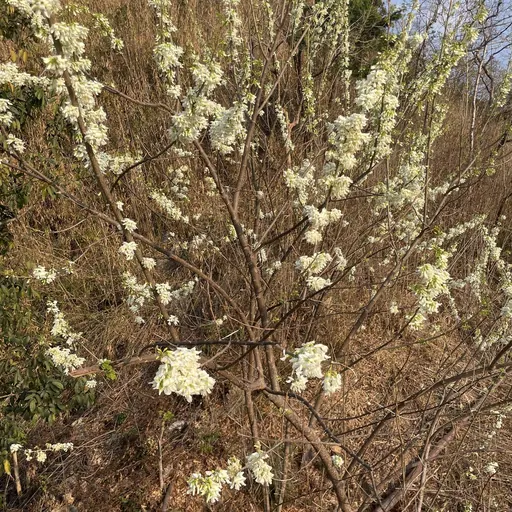
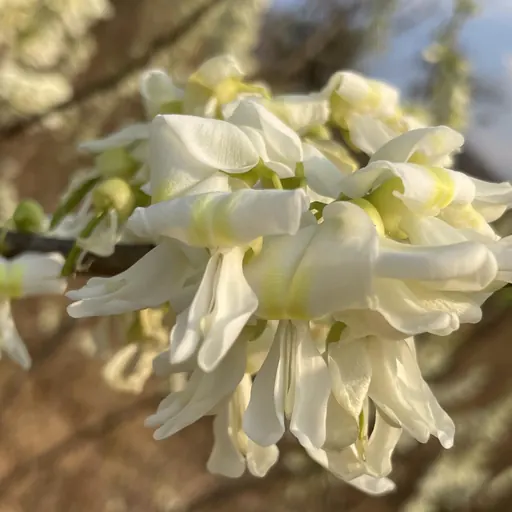
The rounded, broad crown gives dense summer shade; the pinnate foliage holds green late into autumn before a short yellow turn. Fragrant cream-white panicles open in July and August, a rare bloom window among large canopy trees. One caveat belongs in any specification: the wood is comparatively weak and vulnerable to wind and snow load, so the species wants formative and structural pruning (Kronenaufbau) on a young, open-grown tree, particularly where it would otherwise branch low.


Advice on this species
Want to know more about Styphnolobium japonicum?
Tell us about your project and we'll advise you on this species — where it thrives, which size makes sense, and what to expect once planted.
- Produção própria
- Exemplares adultos
- Resposta em 1–2 dias
Sem compromisso · orçamento personalizado