

Container and sheltered-site specimen for mild Klimaregionen only
Olive Tree · Olea europaea
A slow-growing evergreen at home in Germany's warmest Klimaregionen and sheltered urban sites where winter minima stay above minus 10 degrees Celsius, its sculptural form and silver-green canopy make a strong focal specimen for courtyards and protected south-facing positions.
About this Species
Winter hardiness defines the entire scope of Olea europaea use in Germany. Mature, well-established specimens tolerate short-duration minima around minus 12 degrees Celsius on free-draining substrate in sheltered positions, but minus 10 degrees Celsius is the practical working limit for open sites. Young trees are considerably more vulnerable and may suffer…
Read more
Show less
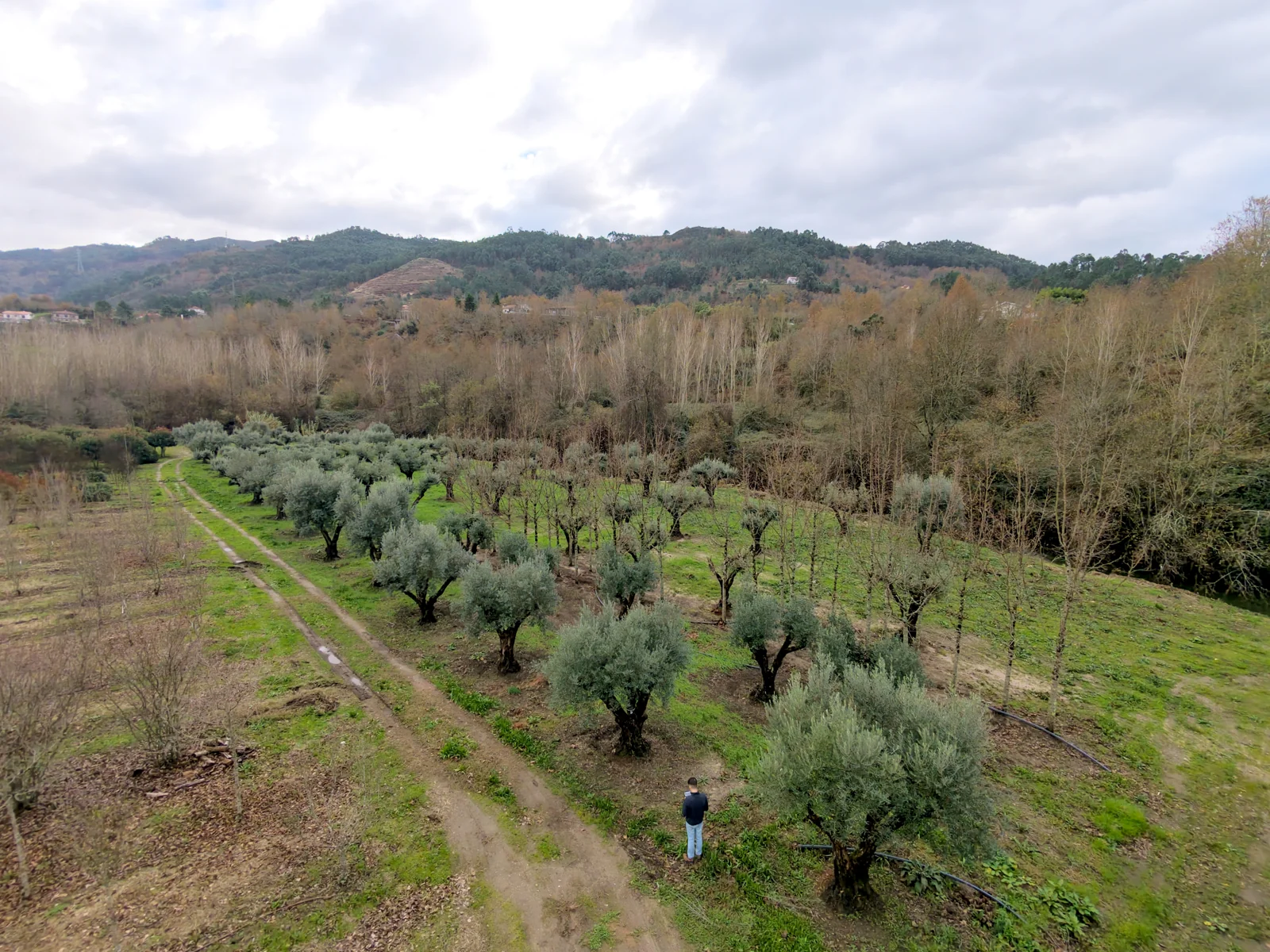
Winter hardiness defines the entire scope of Olea europaea use in Germany. Mature, well-established specimens tolerate short-duration minima around minus 12 degrees Celsius on free-draining substrate in sheltered positions, but minus 10 degrees Celsius is the practical working limit for open sites. Young trees are considerably more vulnerable and may suffer dieback of current-year wood at minus 7 to minus 8 degrees Celsius during their first three winters. Reliable outdoor planting is restricted to the Upper Rhine valley (Oberrheingraben), the Lower Rhine basin (Niederrheinische Bucht), and comparable mild pockets along the Mosel and Main valleys. East of the Elbe, in the norddeutsche Tiefebene, and above 300 metres in the pre-Alpine foothills (Voralpenland), outdoor planting without winter protection is not viable. Olea europaea does not appear on the GALK street tree list, nor is it a Zukunftsbaum candidate for climate-adapted urban planting. Its role in German projects is as a specimen focal point, not as infrastructure planting.
The species performs best on calcareous, free-draining soils and tolerates pH values up to 8.5. It is well suited to the limestone-derived substrates of the Oberrheingraben and to engineered planting media in raised beds and containers. Heavy, waterlogged soils are poorly tolerated and increase the risk of root rot, a concern compounded by wet German winters. Where the site assessment indicates clay-heavy ground or impeded drainage, container planting on a structured substrate is the safer specification. Salt tolerance is moderate, sufficient for light urban de-icing exposure but not for roadside positions with heavy winter salting.
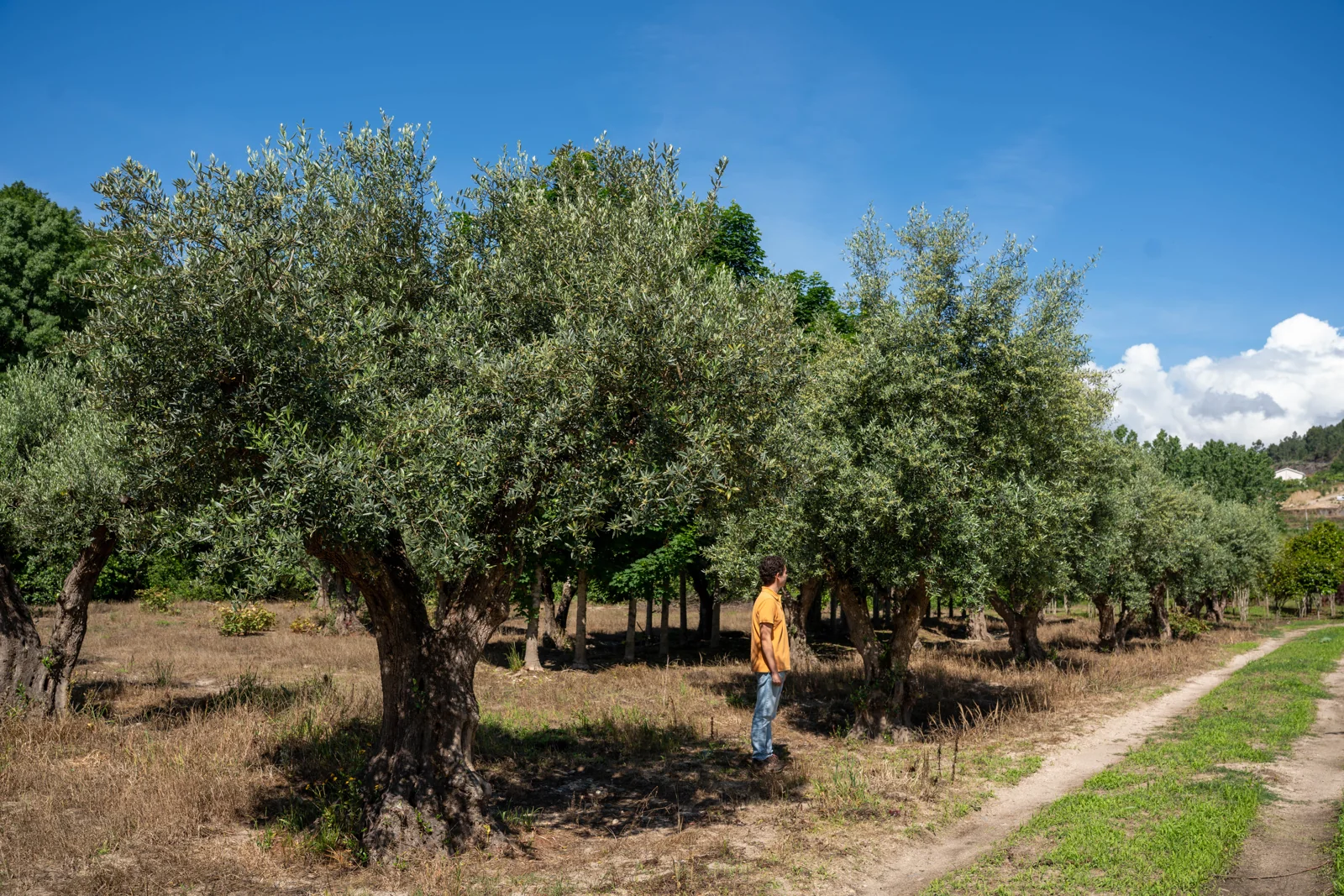
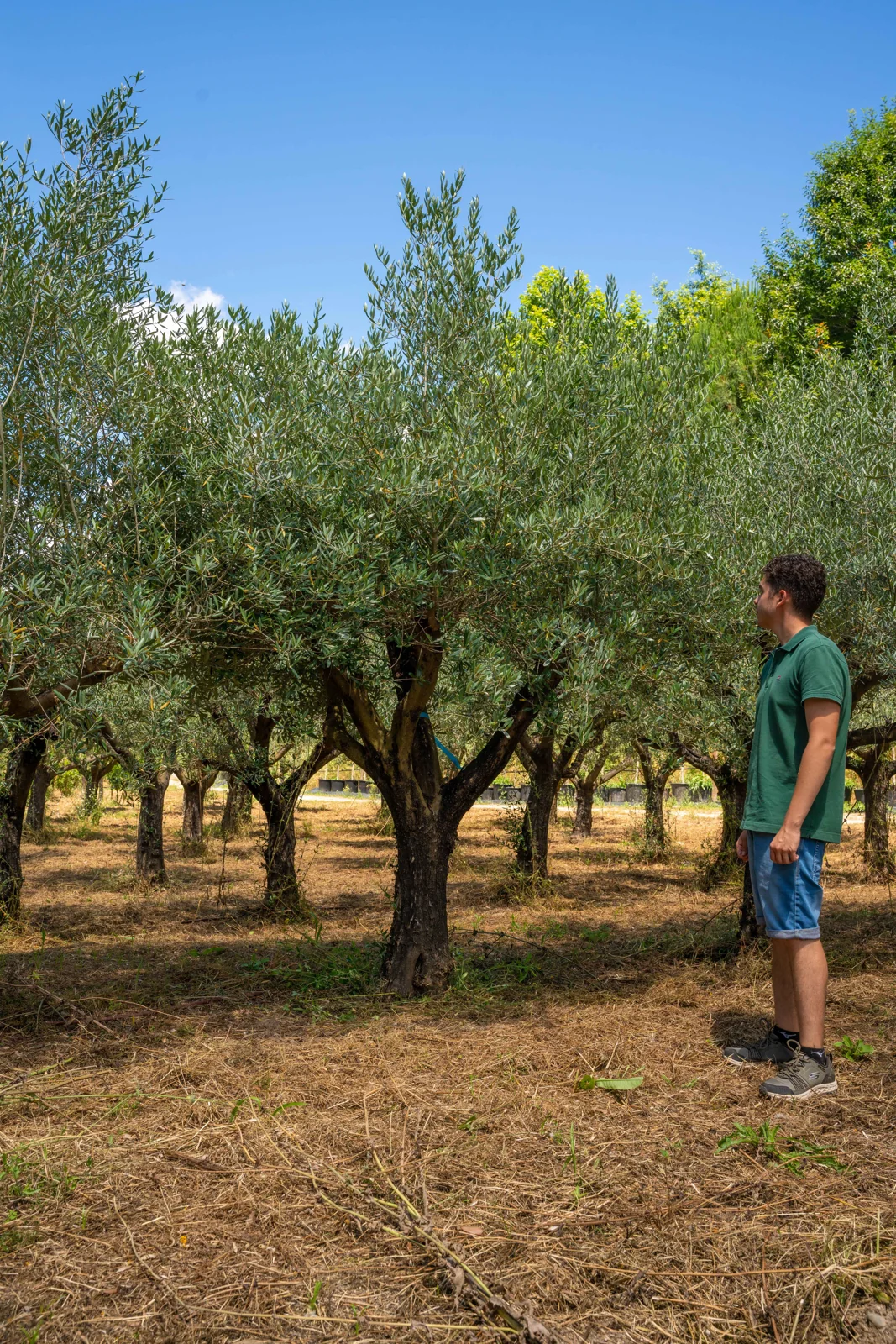
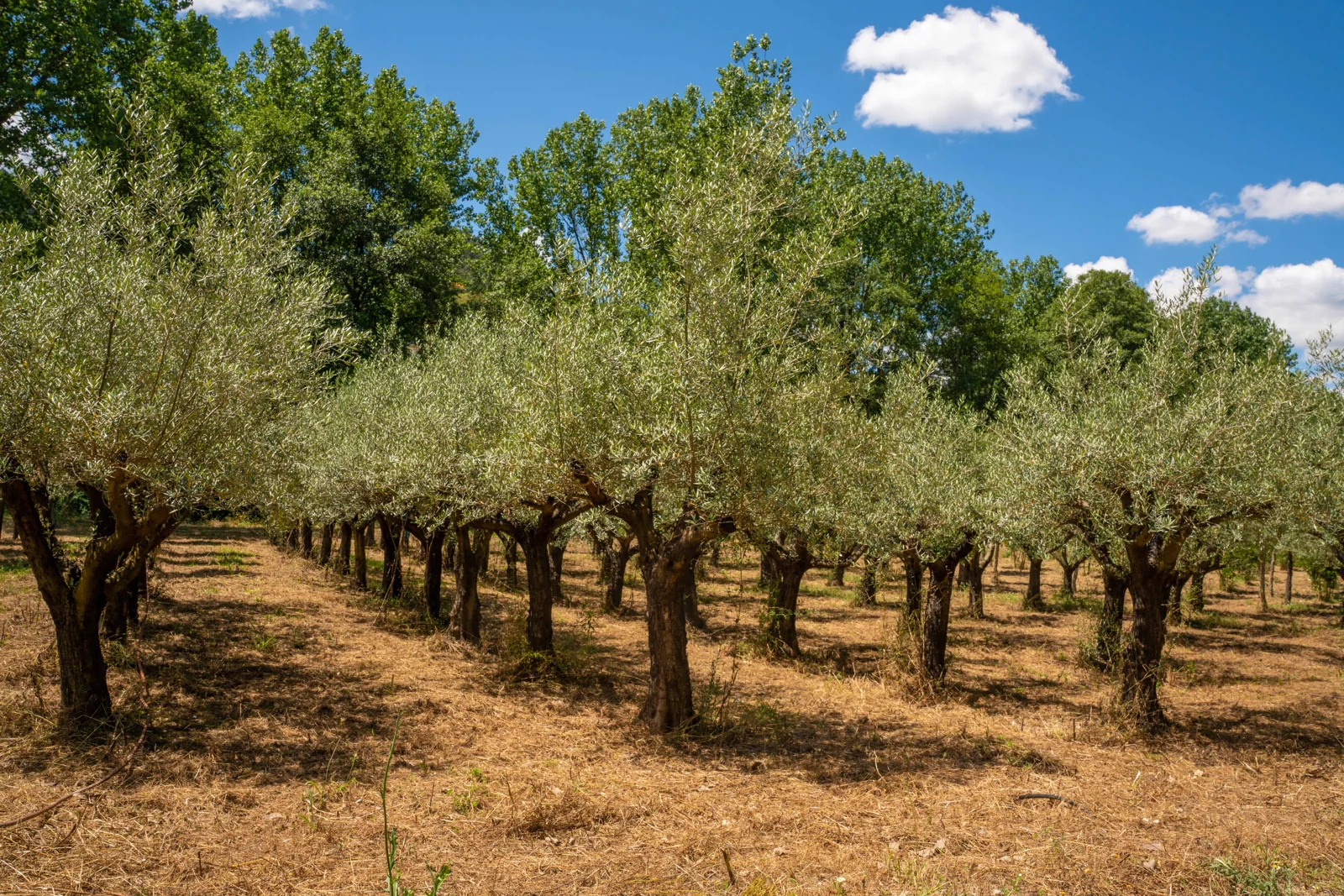
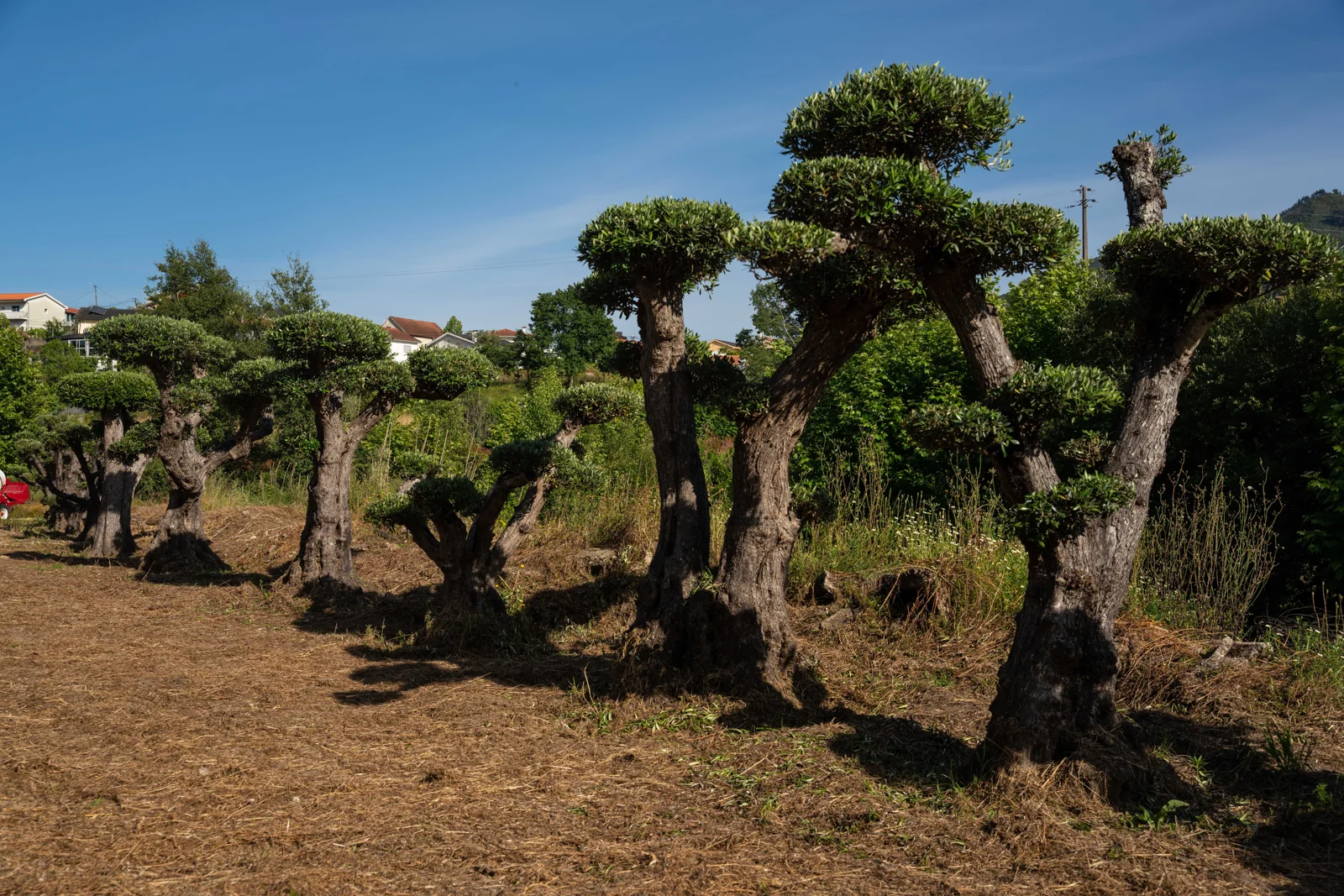
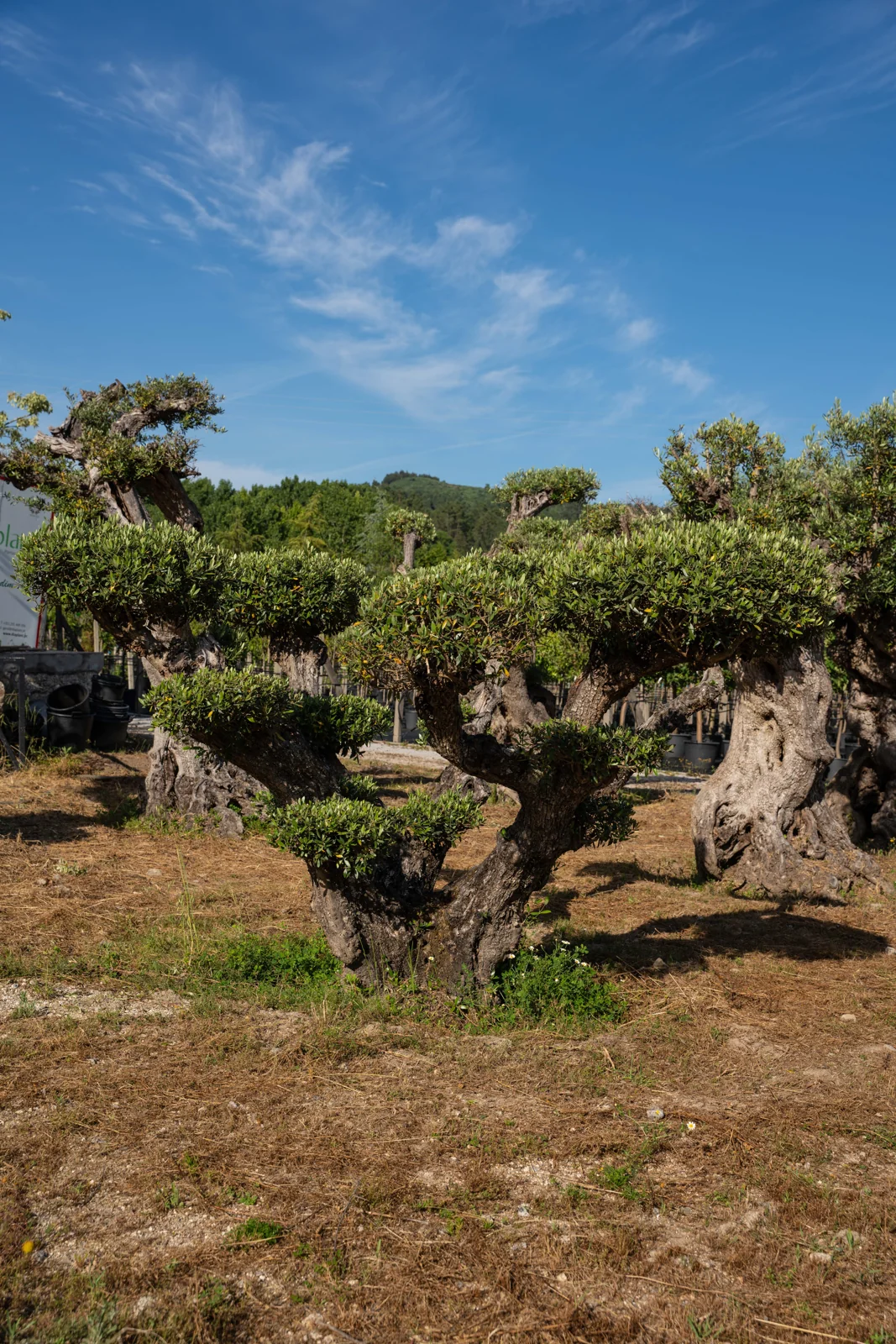
The crown develops a rounded, irregular habit that becomes more sculptural with age as the trunk thickens and develops the characteristic furrowed, twisted bark. The silver-grey foliage, with leaves 4 to 10 centimetres long showing grey-green upper surfaces and pale, tomentose undersides, provides year-round structure and contrasts well against darker evergreen backgrounds or masonry. Small, fragrant white flowers appear in May and June on previous-year wood. In sufficiently warm sites, green drupes follow and ripen to black by autumn, though fruiting is inconsistent in German conditions and fruit drop can create maintenance issues on paved surfaces.
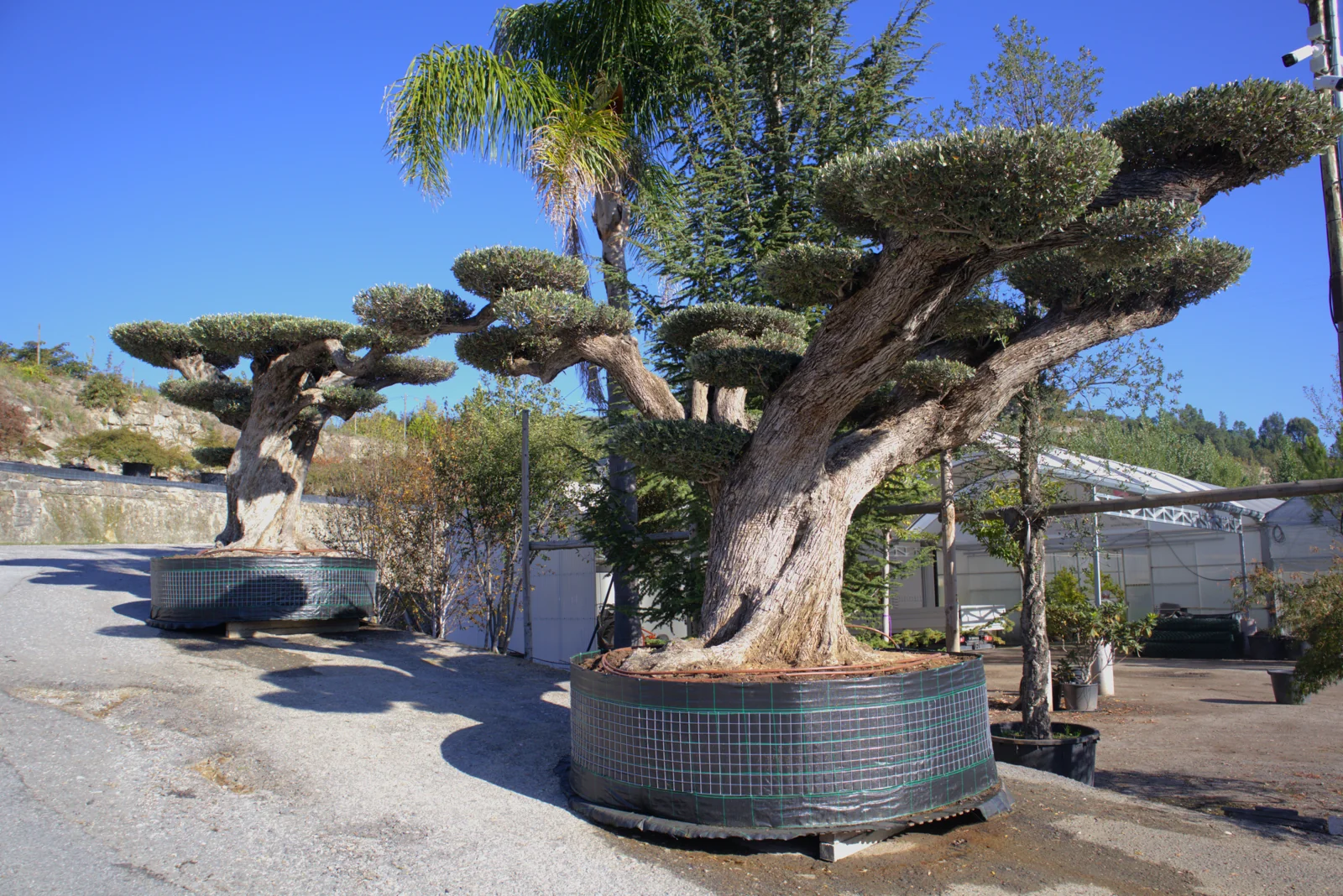
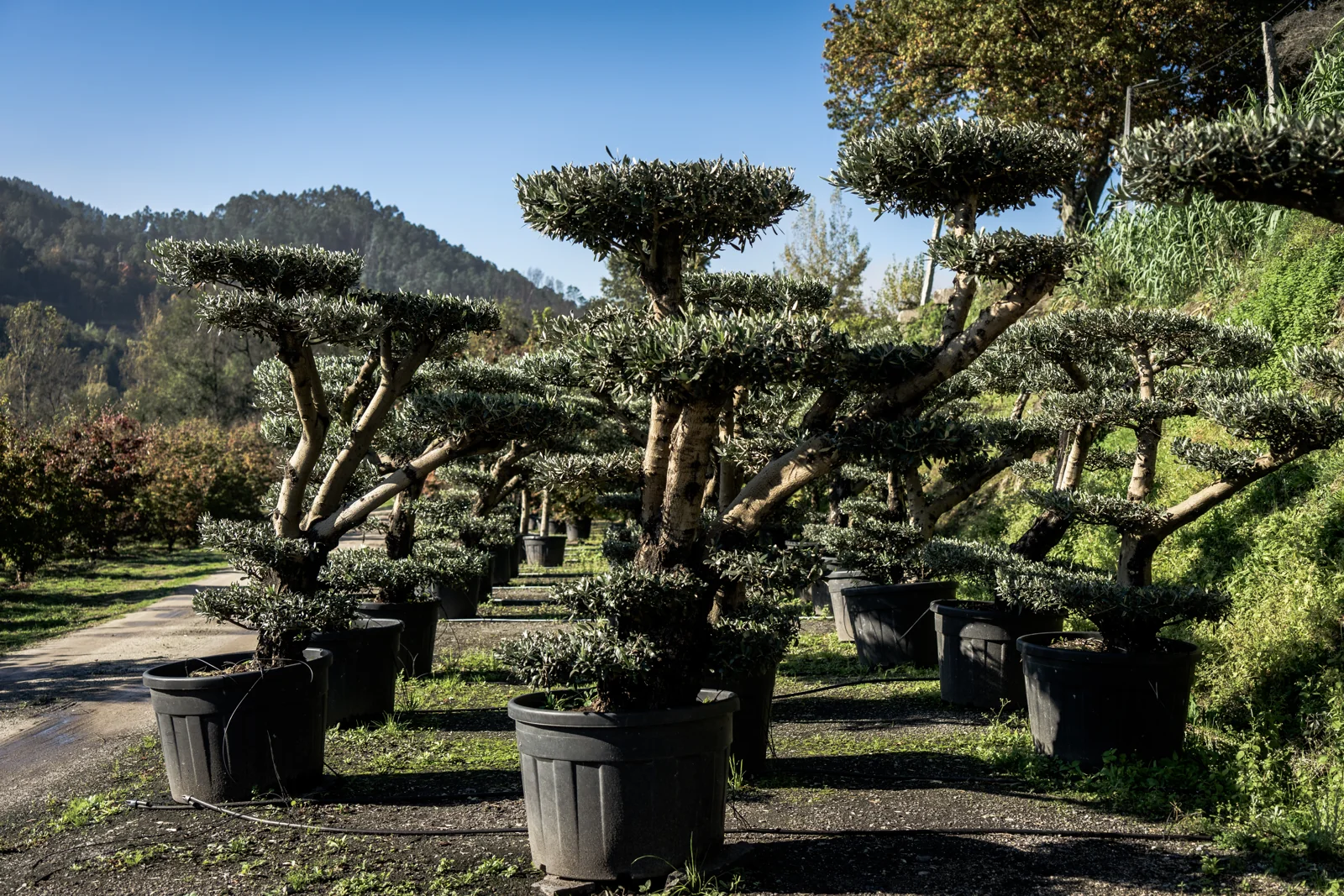
For German projects requiring a Mediterranean character tree, container culture remains the most defensible specification. A large, field-grown specimen transplanted into a container system allows the tree to be repositioned or sheltered during severe cold events. This approach is standard practice in hotel courtyards, corporate headquarters, and high-end residential developments across the Rheinland and in cities such as Frankfurt am Main, Stuttgart, and München, where the urban heat island effect provides an additional one to two degrees of winter buffering.



Advice on this species
Want to know more about Olea europaea?
Tell us about your project and we'll advise you on this species — where it thrives, which size makes sense, and what to expect once planted.
- Produção própria
- Exemplares adultos
- Resposta em 1–2 dias
Sem compromisso · orçamento personalizado