

Hardy spring-flowering specimen for sheltered urban focal points
Saucer Magnolia · Magnolia x soulangeana
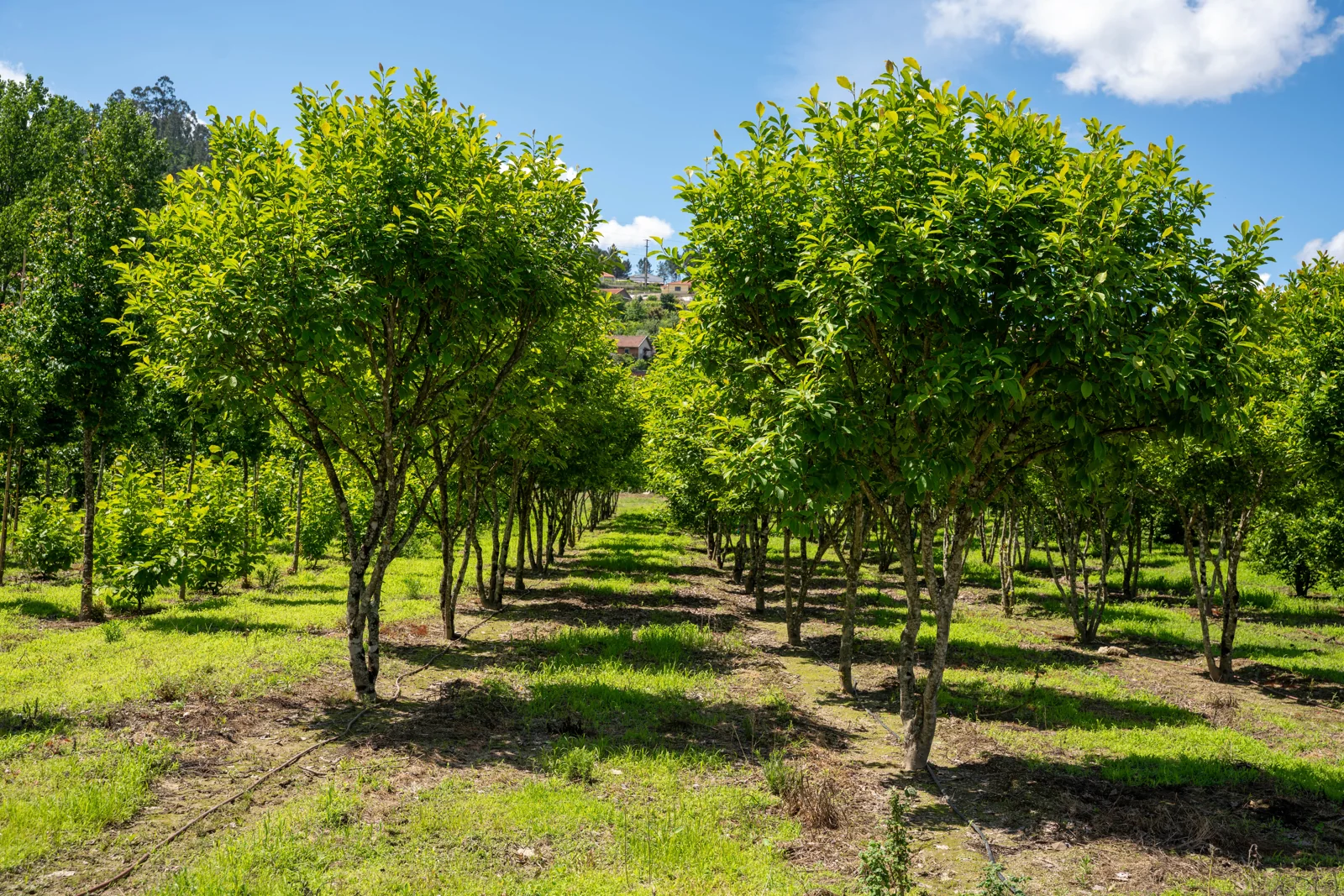
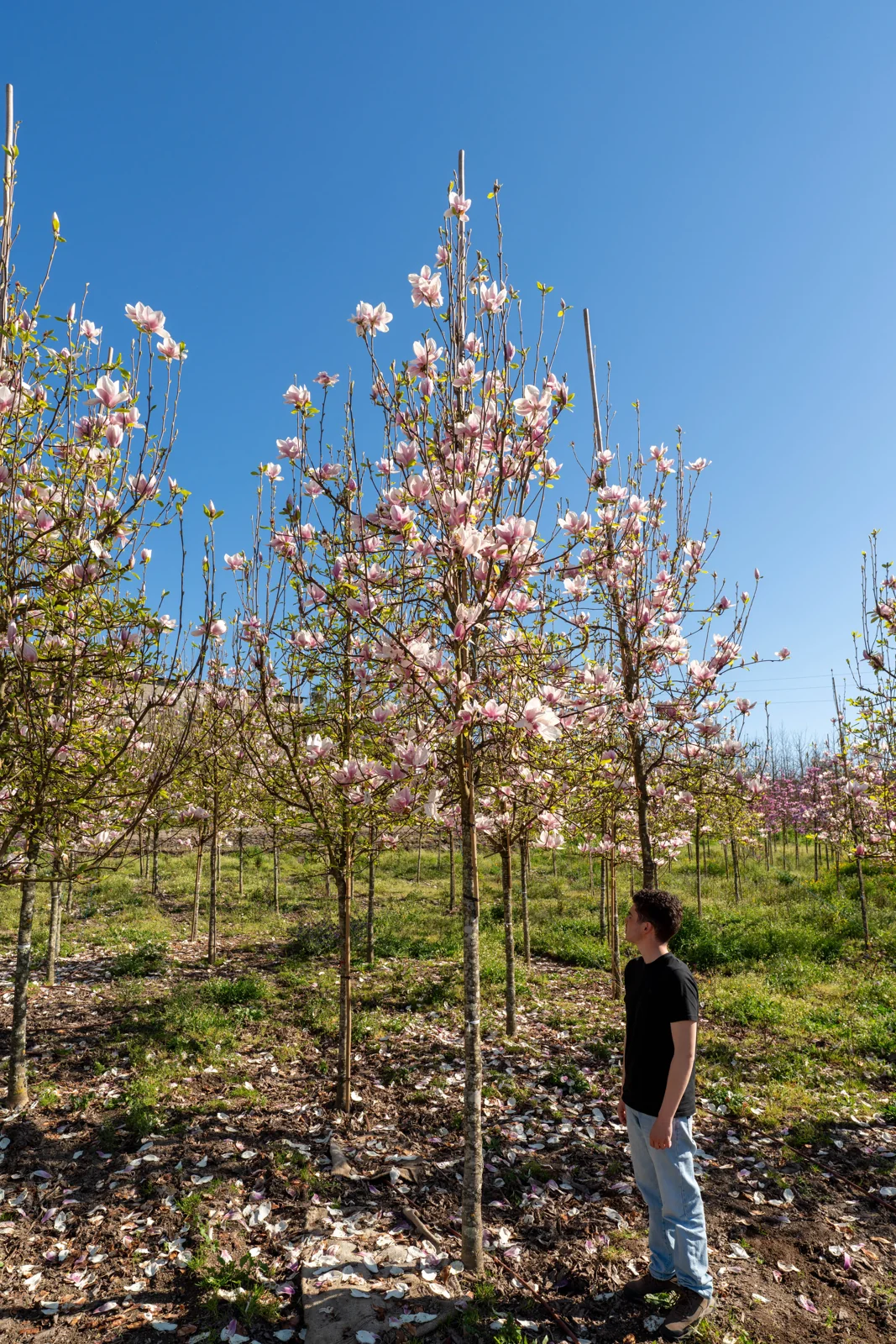
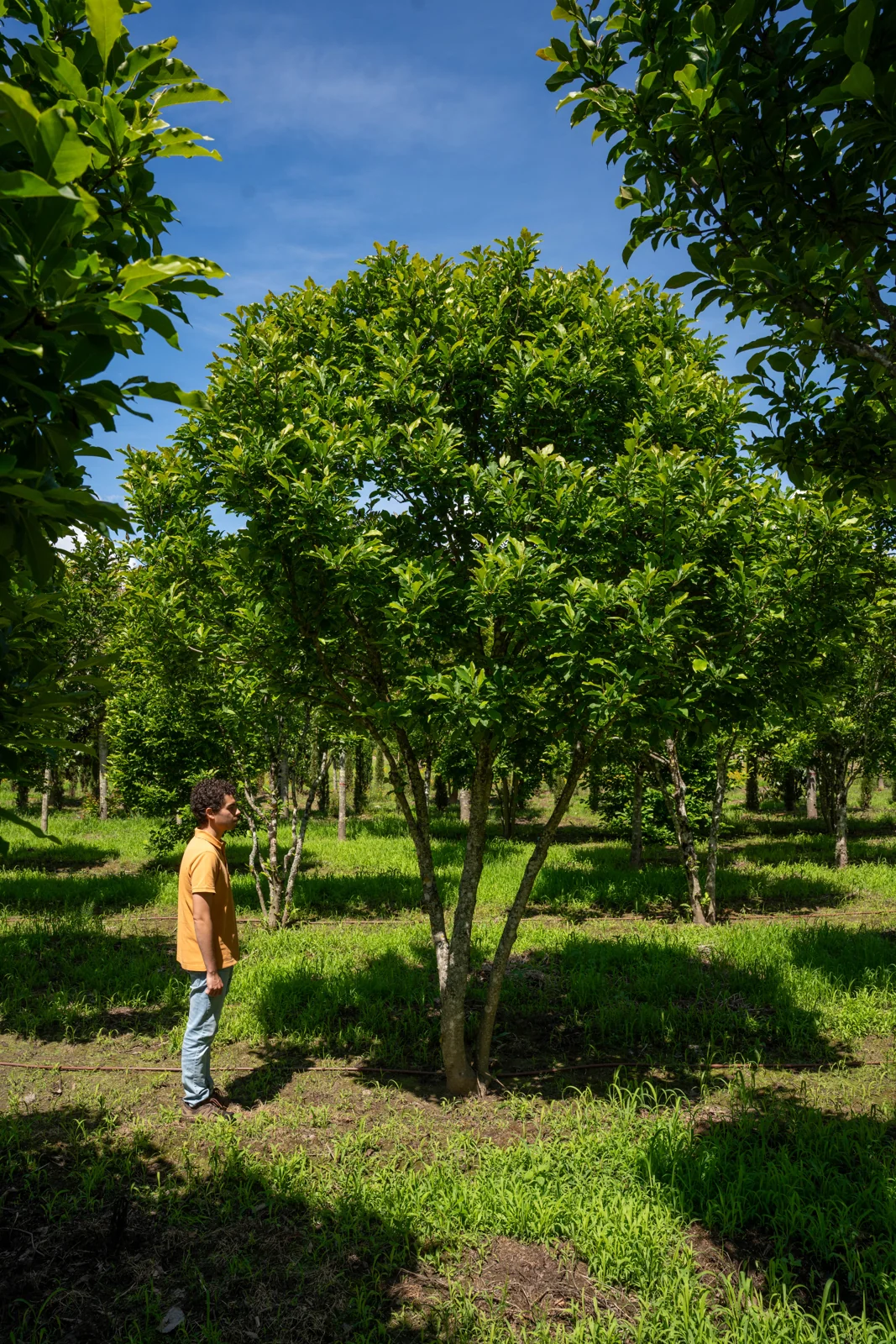
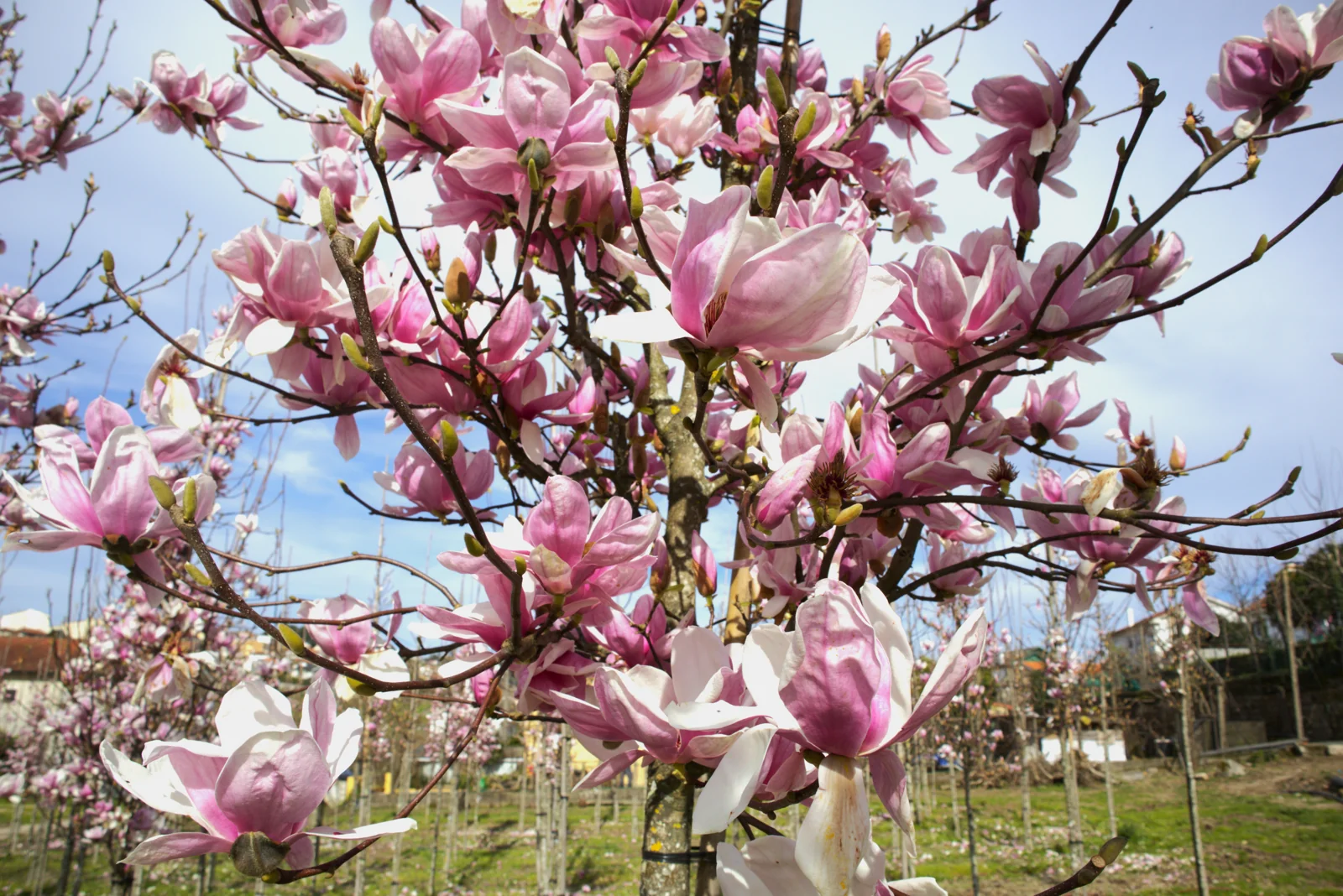
Broad-crowned and multi-stemmed, opening its goblet flowers on bare wood before the leaves emerge, it answers a brief for a deciduous spring specimen whose winter hardiness across German Klimaregionen is settled and whose only real exposure is late-frost timing.
About this Species
The established tree is reliably winter-hardy well beyond the demands of any German project. With a rated envelope reaching into the colder continental zones, mature wood withstands roughly minus 25 degrees Celsius, so winter survival is not the limiting factor in the northern German lowlands (norddeutsche Tiefebene), the Lower Rhine basin (Niederrheinische…
Read more
Show less
The established tree is reliably winter-hardy well beyond the demands of any German project. With a rated envelope reaching into the colder continental zones, mature wood withstands roughly minus 25 degrees Celsius, so winter survival is not the limiting factor in the northern German lowlands (norddeutsche Tiefebene), the Lower Rhine basin (Niederrheinische Bucht), or eastern sites beyond the Elbe. The genuine constraint is the flower, not the plant: the bloom opens in March and April and is disfigured by even light spring frost. In Klimaregionen prone to start-stop springs and late radiation frosts, specify a later-flowering cultivar and a position that holds slightly more warmth, and the loss of a single year's display does not threaten the specimen itself, which regenerates vigorously after frost-damaged shoots.
Site selection (Standortansprüche) governs performance more than cold. Drought tolerance is low, so the tree wants moist, free-draining, acidic to neutral loam with reliable summer moisture; it does not suit the driest calcareous substrates or heat-island street pits where summer water stress is unmanaged. This places it as a park, Kurpark, and sheltered garden specimen rather than a Straßenbaum, and it does not appear on the GALK street tree list (the definitive German municipal street-tree recommendation list) for that reason. Its fleshy, shallow root system (Wurzelverhalten) needs an open, undisturbed rooting volume.
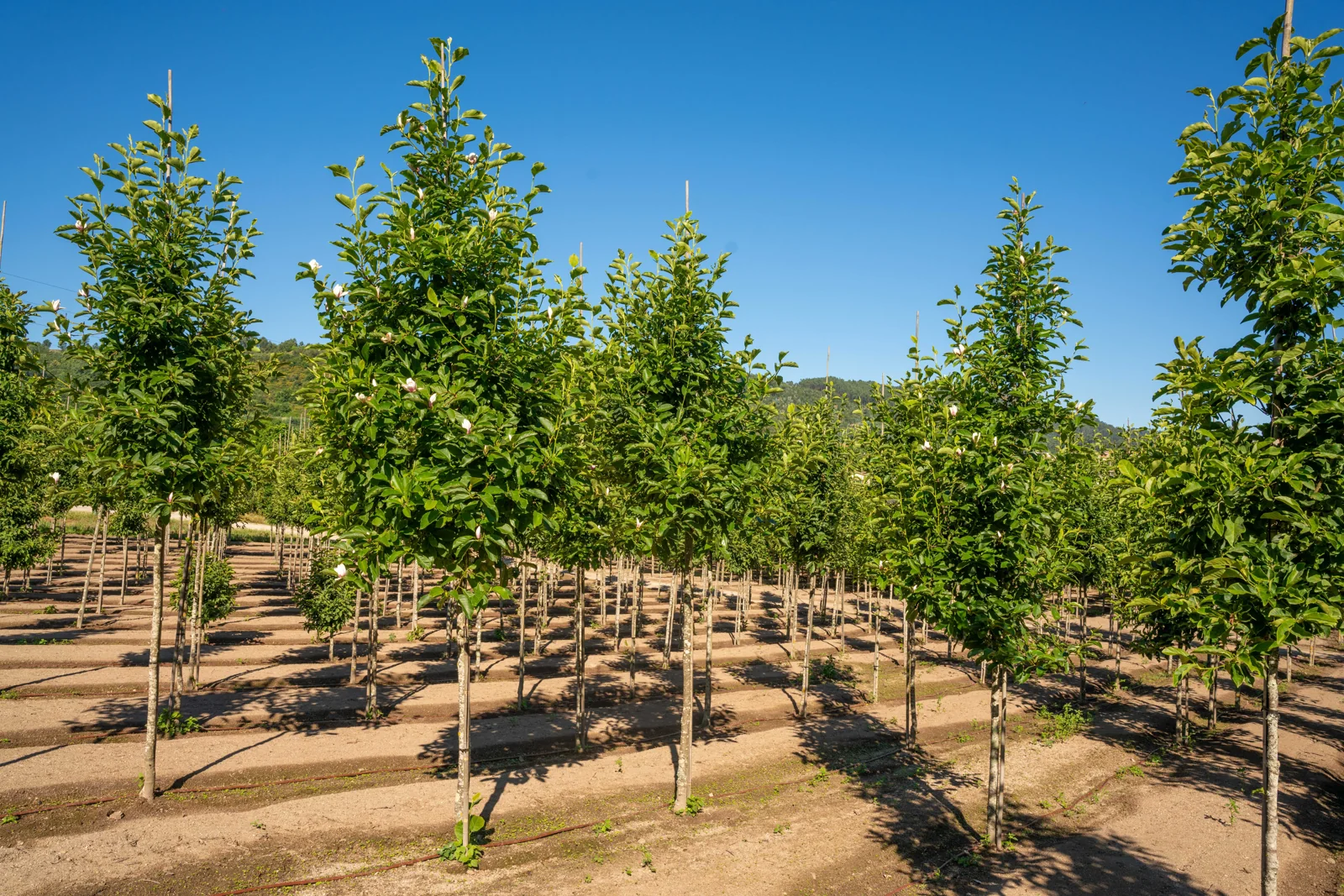
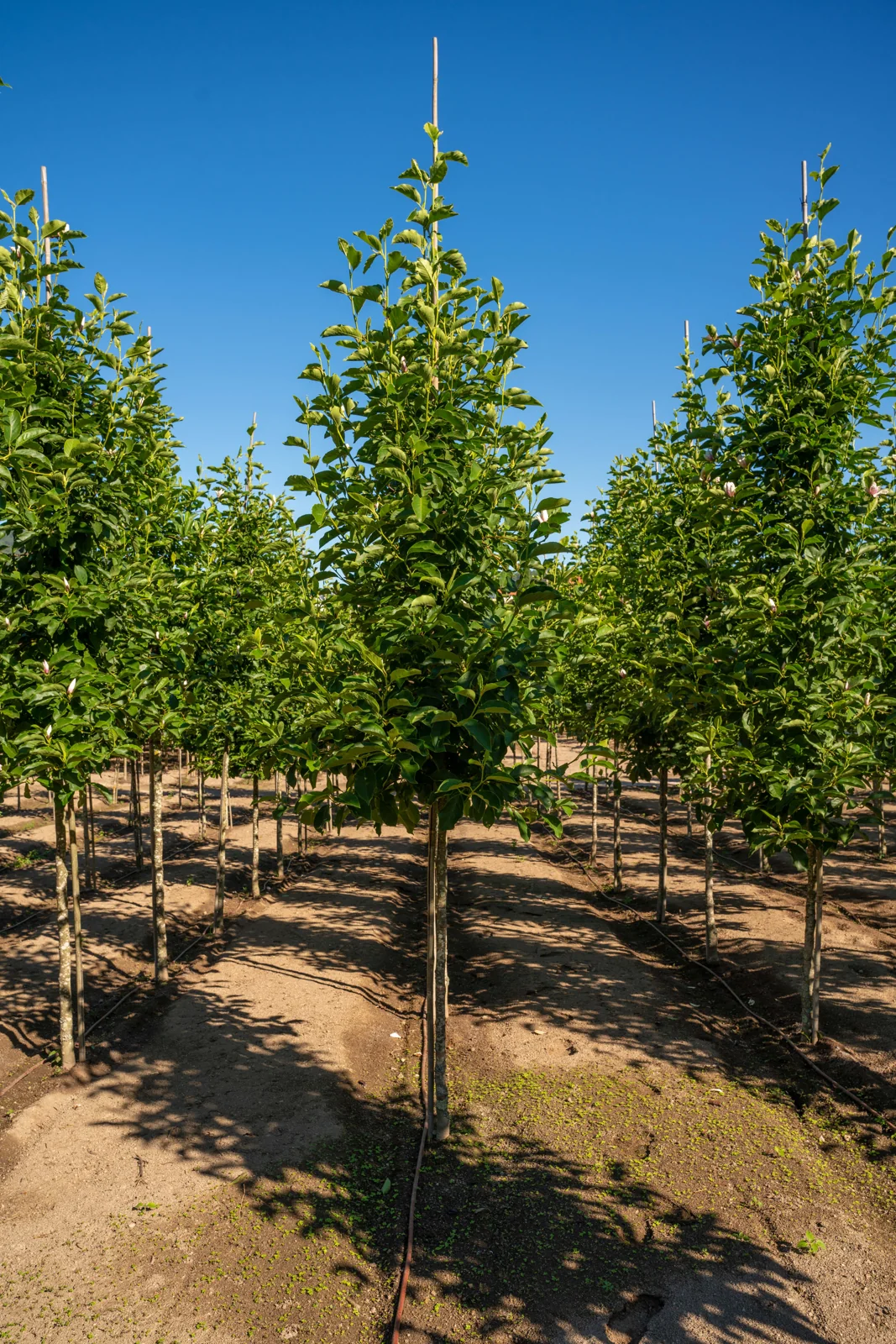
Against that, it is one of the more wind-tolerant magnolias, steady in exposed positions where related species suffer, and it carries a clean phytosanitary profile, free of the genus-specific pressures that complicate Fraxinus or Aesculus specification. Disease and pest resistance are good. Foliage is broad and glossy through summer, turning a quiet yellow-brown at leaf-off, so the tree earns its place on the spring bloom and the broad rounded Habitusform rather than on autumn colour.
For a specifier defending the choice to German partners, the argument is straightforward: a hardy, low-maintenance flowering specimen for sheltered, well-watered focal positions, with the bloom-frost caveat stated openly and managed by cultivar choice and siting.



Advice on this species
Want to know more about Magnolia x soulangeana?
Tell us about your project and we'll advise you on this species — where it thrives, which size makes sense, and what to expect once planted.
- Produção própria
- Exemplares adultos
- Resposta em 1–2 dias
Sem compromisso · orçamento personalizado