

Multi-stem specimen tree for parks and Kurpark sites
Japanese Dogwood ‘Chinensis’ · Cornus kousa ‘Chinensis’
A multi-stem deciduous specimen tree for German Klimaregionen with acidic, free-draining substrates, well suited to Park, Kurpark, and residential settings where its staggered seasonal display and anthracnose resistance carry the planting.
About this Cultivar
Winter hardiness (Winterhärte) is reliable to roughly minus 25 degrees Celsius once established, covering the Oberrheingraben (Upper Rhine valley), the Niederrheinische Bucht (Lower Rhine basin), the central German uplands, and the southern half of the norddeutsche Tiefebene (northern German lowlands). Young trees in the first three winters should be sited…
Read more
Show less
Winter hardiness (Winterhärte) is reliable to roughly minus 25 degrees Celsius once established, covering the Oberrheingraben (Upper Rhine valley), the Niederrheinische Bucht (Lower Rhine basin), the central German uplands, and the southern half of the norddeutsche Tiefebene (northern German lowlands). Young trees in the first three winters should be sited away from desiccating east winds; late frosts on emerging foliage are the more common injury than midwinter minima. Above 500 metres in the voralpenland (pre-Alpine foothills) the species becomes marginal.
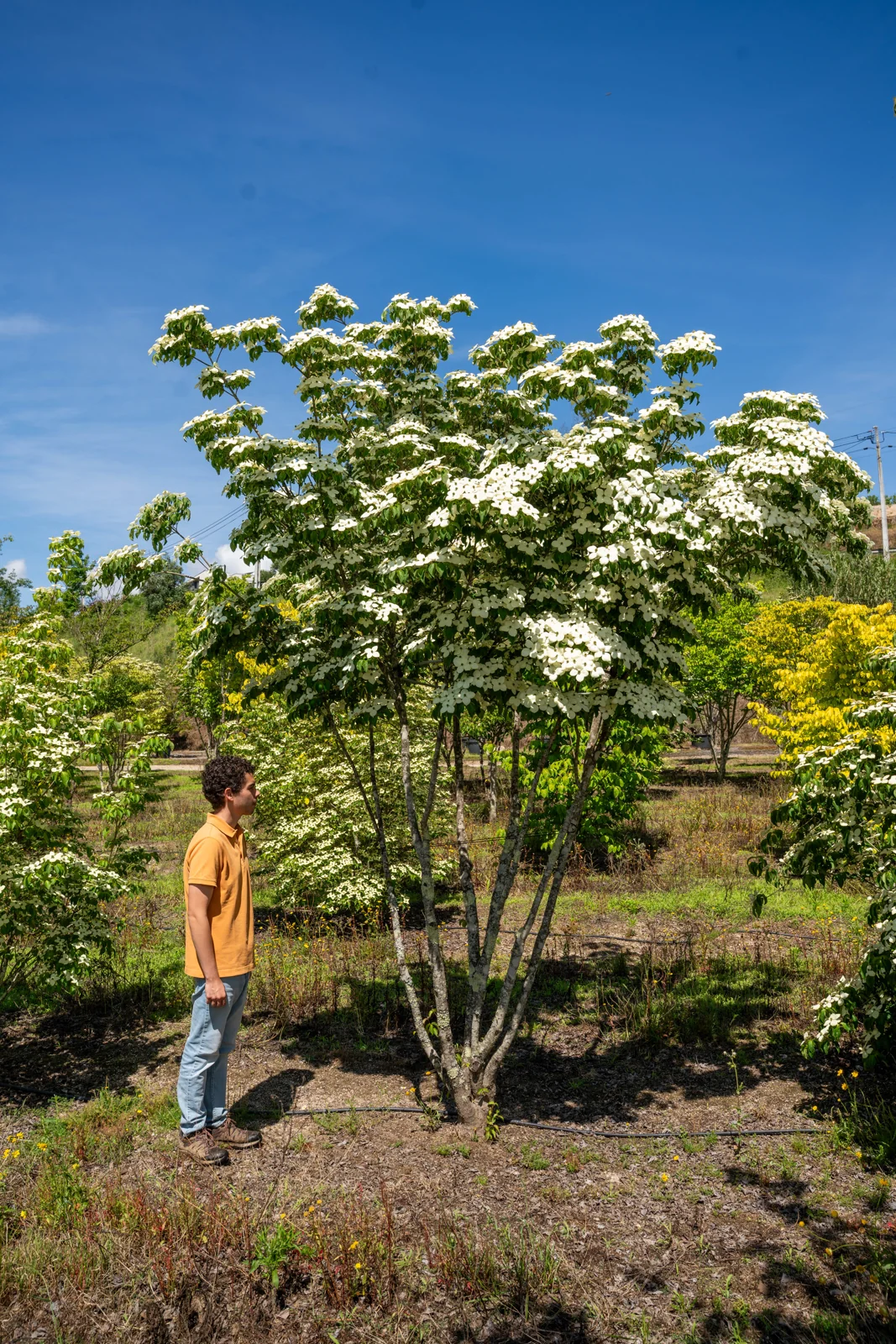
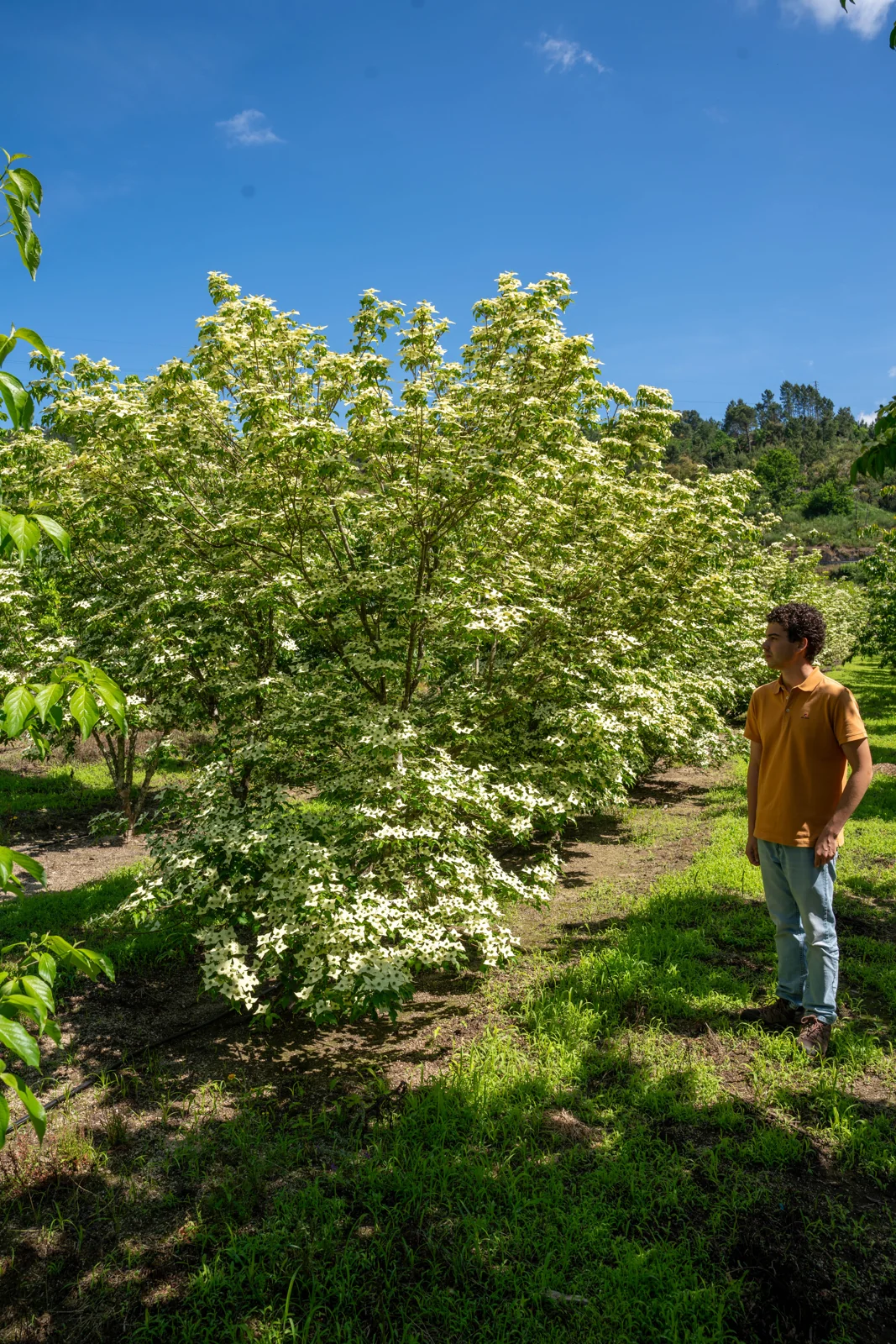
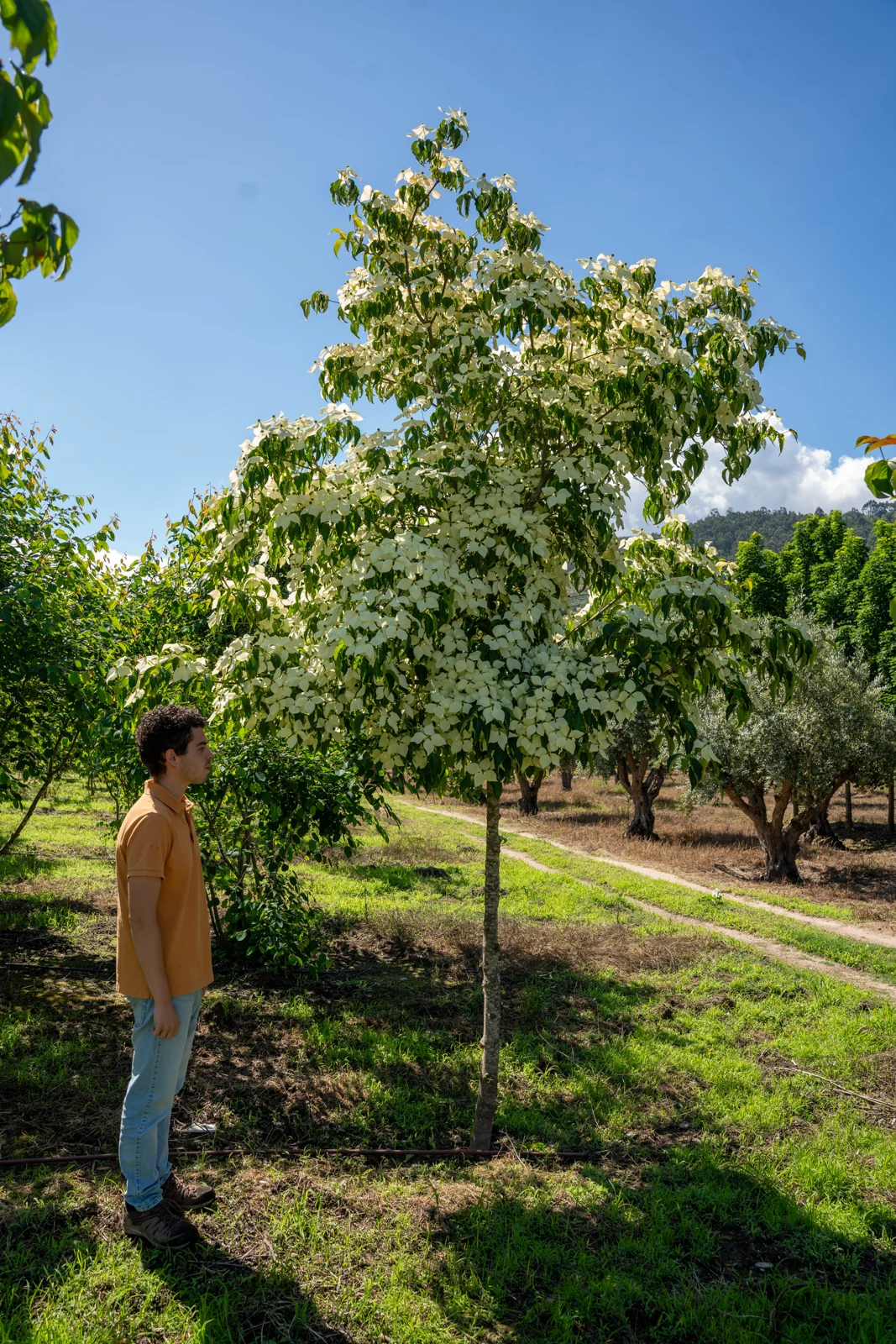
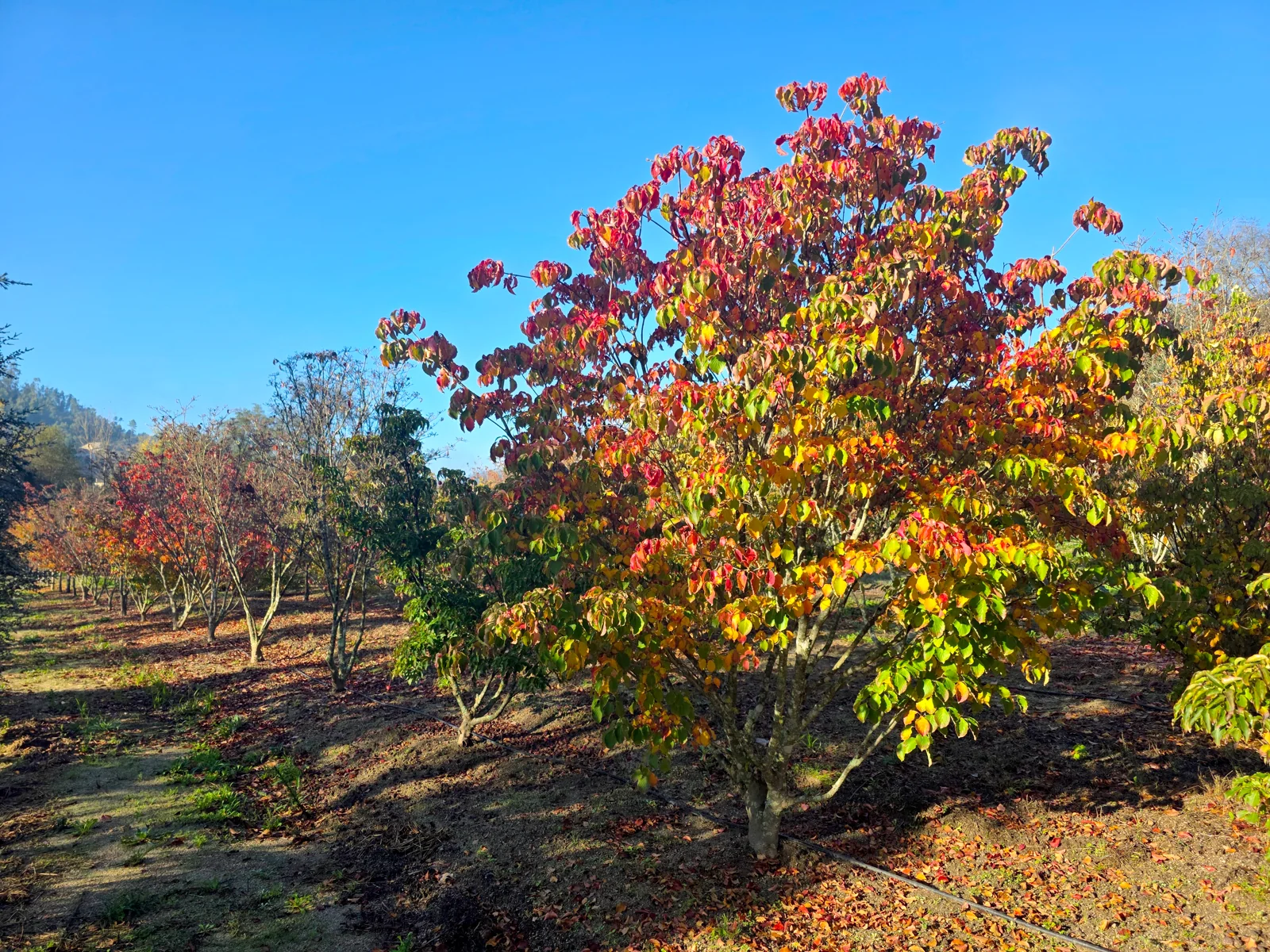
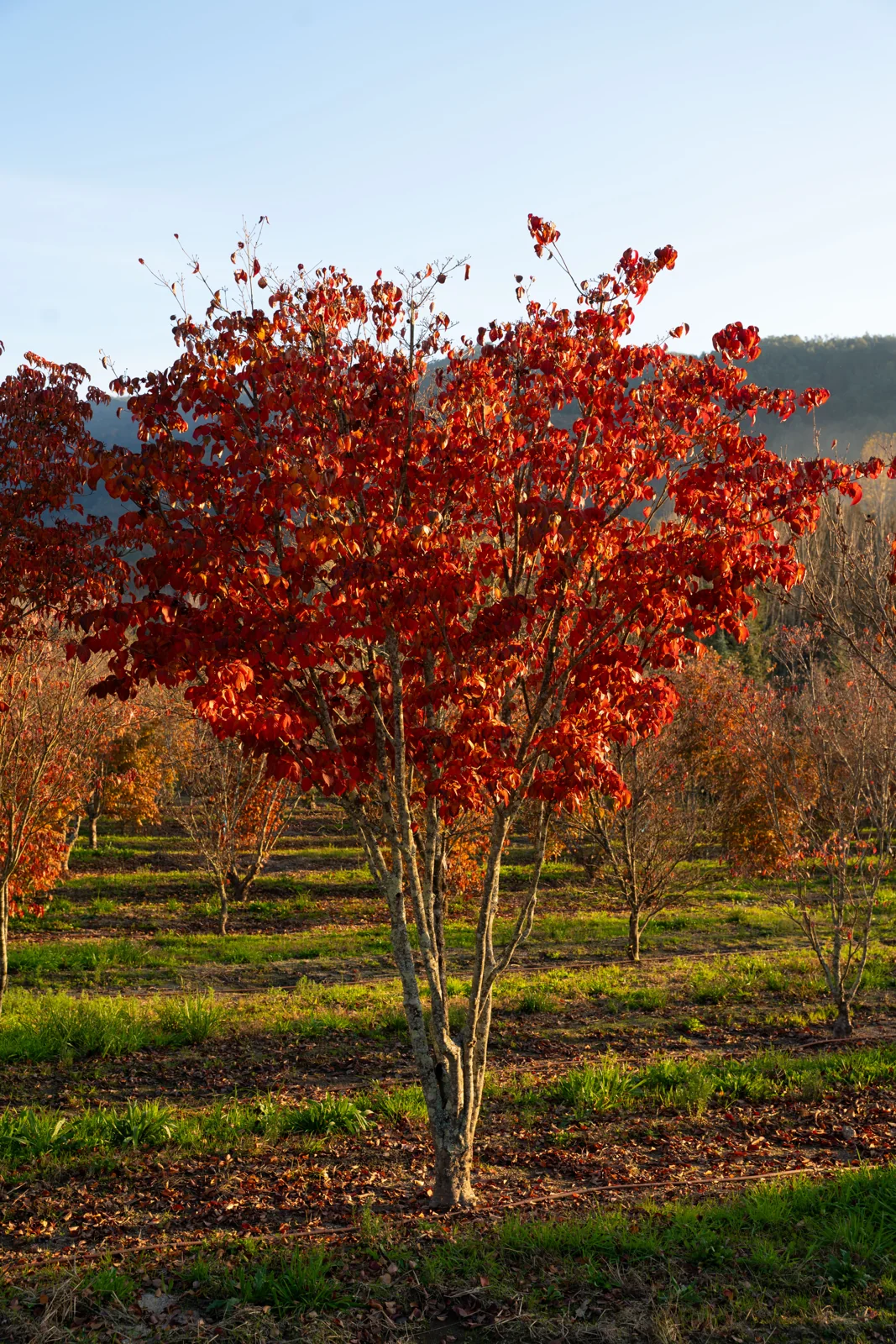
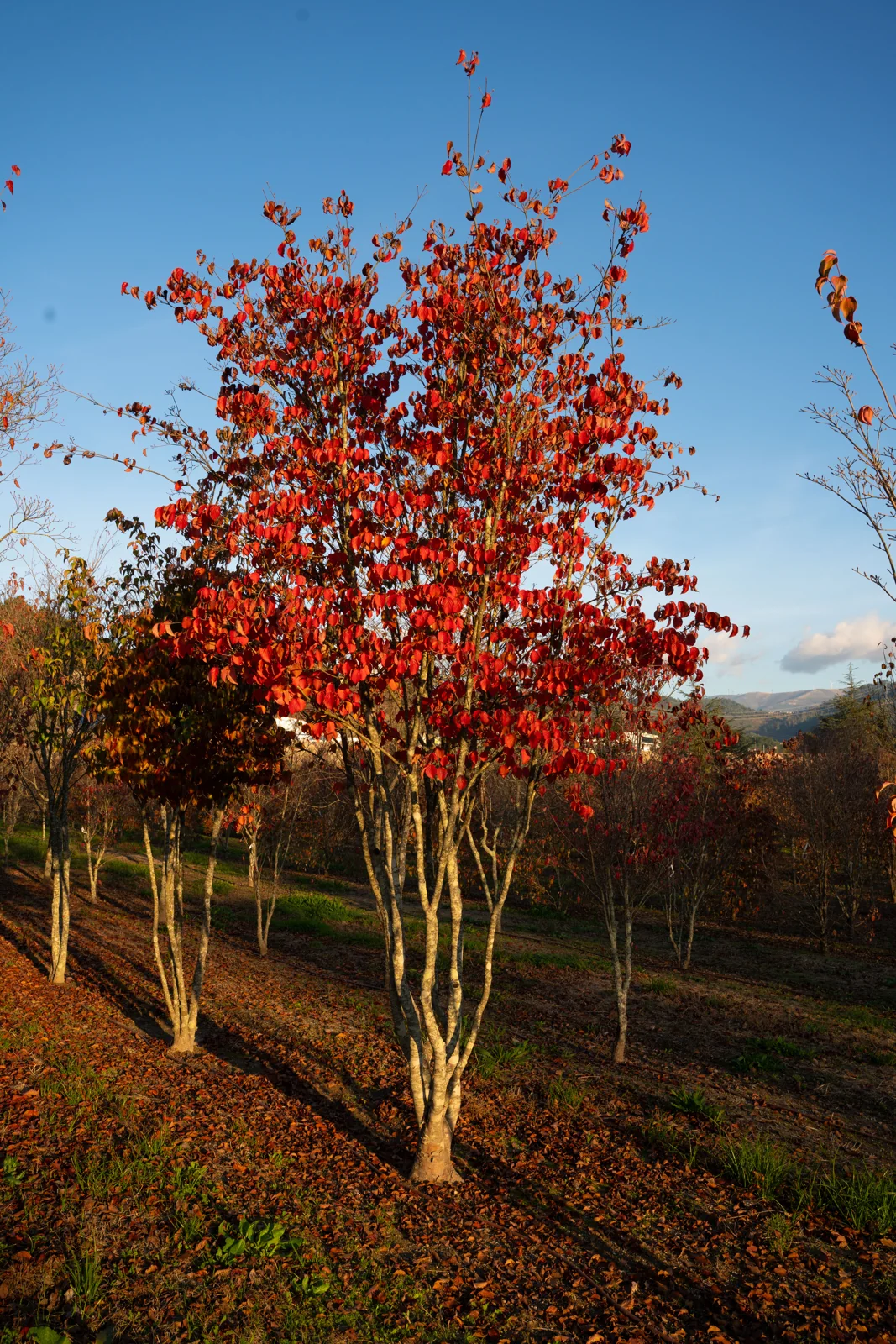
The cultivar reaches 6 to 9 metres tall with a 5 to 10 metre spread, holding a rounded multi-stemmed habit (Habitusform) with horizontal branching that reads as architecture in winter once the exfoliating tan-and-brown bark develops on mature stems. Compared with Cornus florida it carries no risk from anthracnose (Discula destructiva) and tolerates drought better, which makes it the working substitute for that genus across German projects.
Site requirements (Standortansprüche) are specific: deep, humus-rich, free-draining loams in the acidic to neutral pH range. The species tolerates calcareous substrates poorly and shows leaf chlorosis on chalky Bavarian limestone or strongly alkaline urban fill. De-icing salt tolerance is low, so positions within direct spray zones of salted streets should be avoided. Light part-shade extends flowering quality in hot dry summers; full sun is accepted on sites with reliable soil moisture.
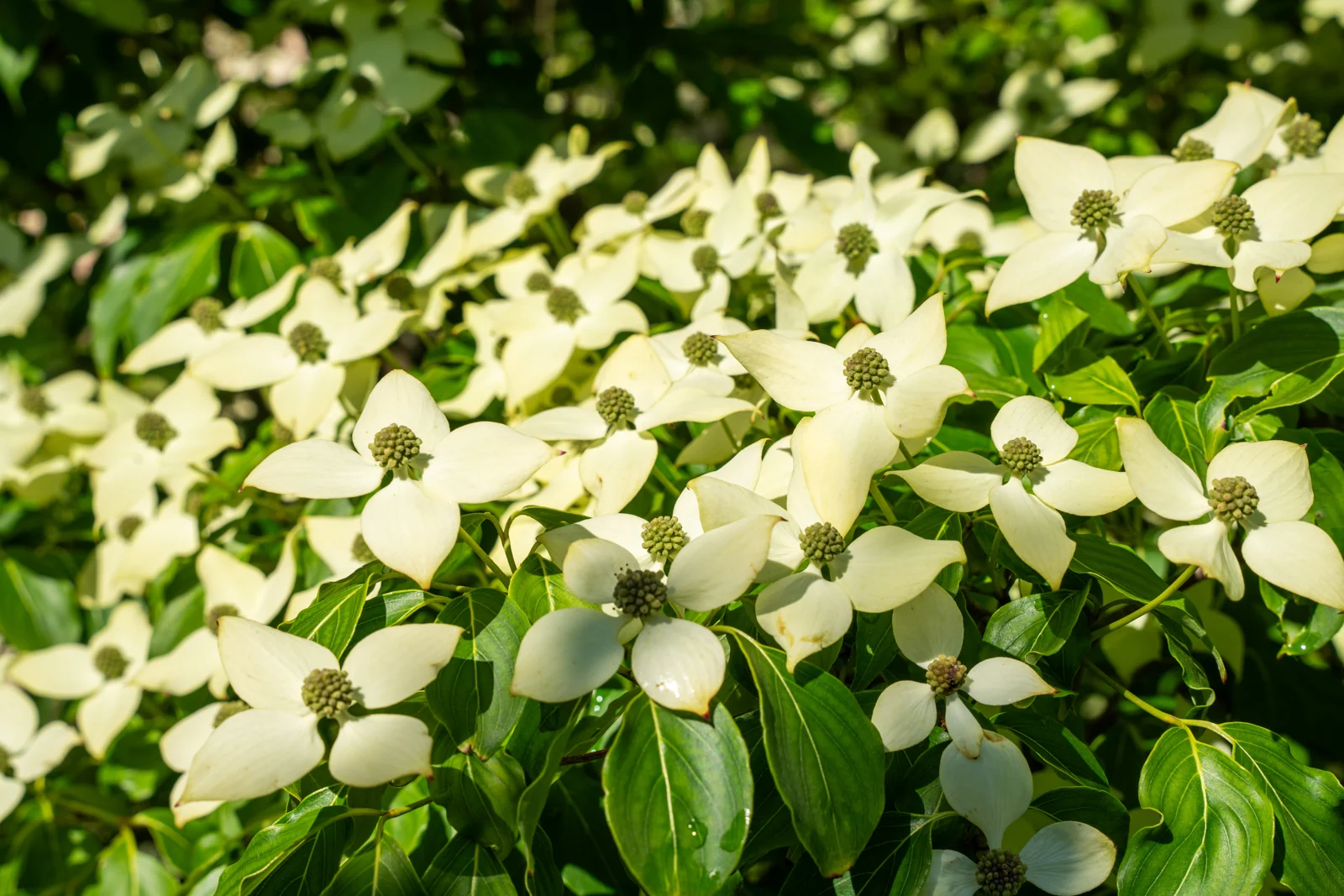
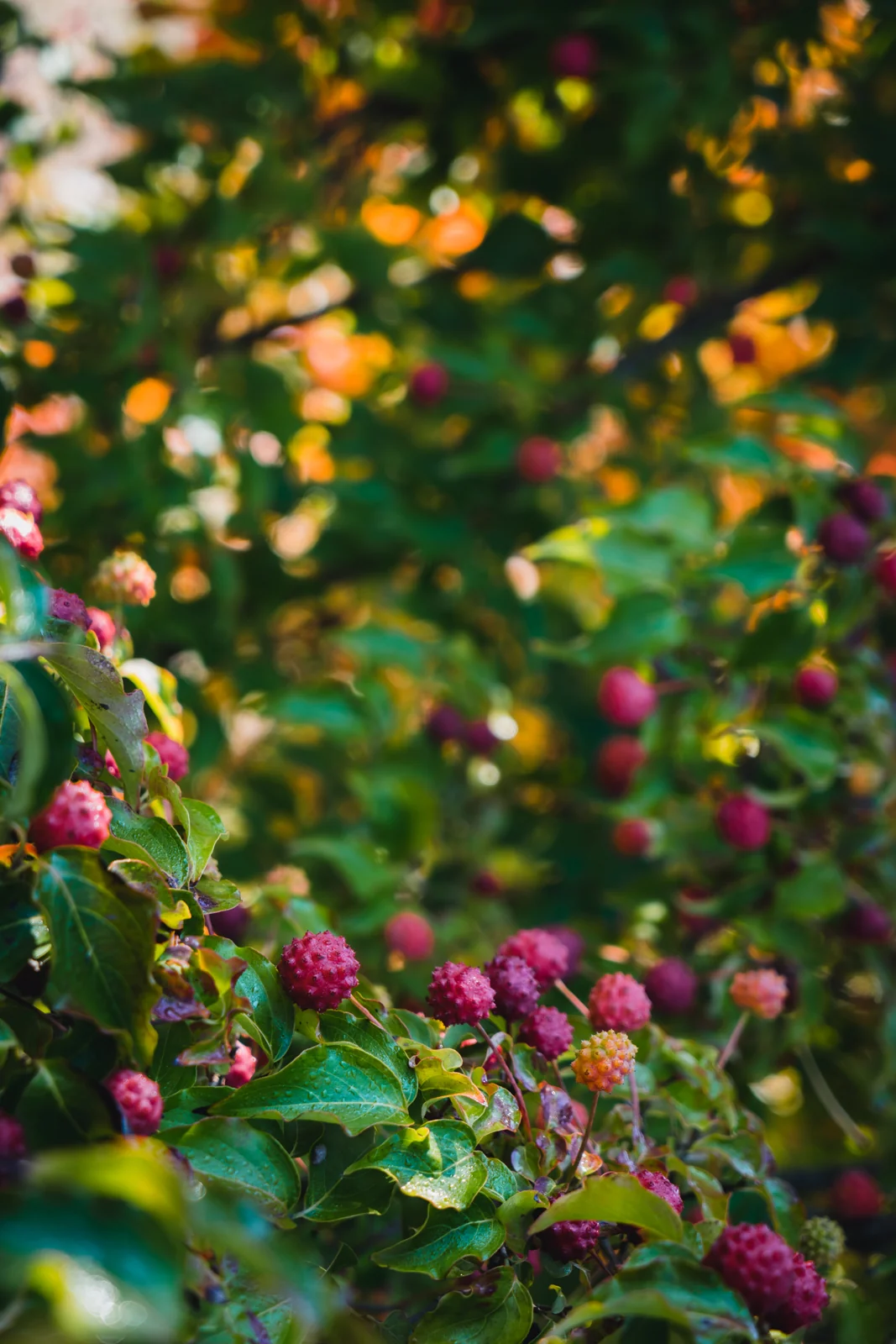
Ornamental phases are sequential and serve specification arguments for public and semi-public planting. Large white to cream bracts in late spring give weeks of display nestled among the emerging foliage. Pink to red compound fruits follow through late summer, valued for ornithological interest. Autumn foliage colours through deep red and scarlet for three to five weeks, and the exfoliating bark carries the structural interest through leaf-off.
Advice on this species
Want to know more about Cornus kousa 'Chinensis'?
Tell us about your project and we'll advise you on this species — where it thrives, which size makes sense, and what to expect once planted.
- Produção própria
- Exemplares adultos
- Resposta em 1–2 dias
Sem compromisso · orçamento personalizado