

Sheltered Solitärgehölz for German courtyard and Kurpark settings
Japanese Maple · Acer palmatum
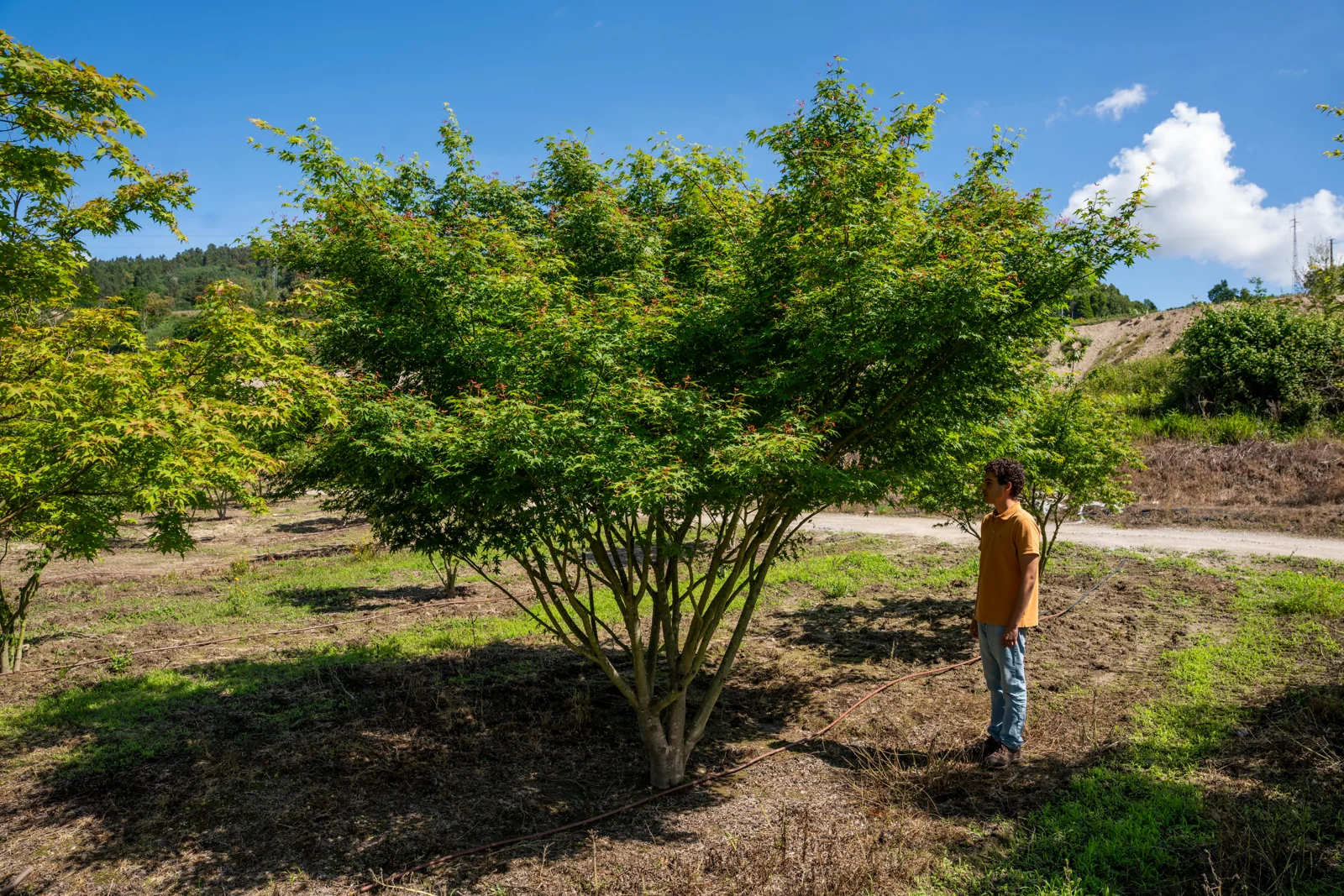
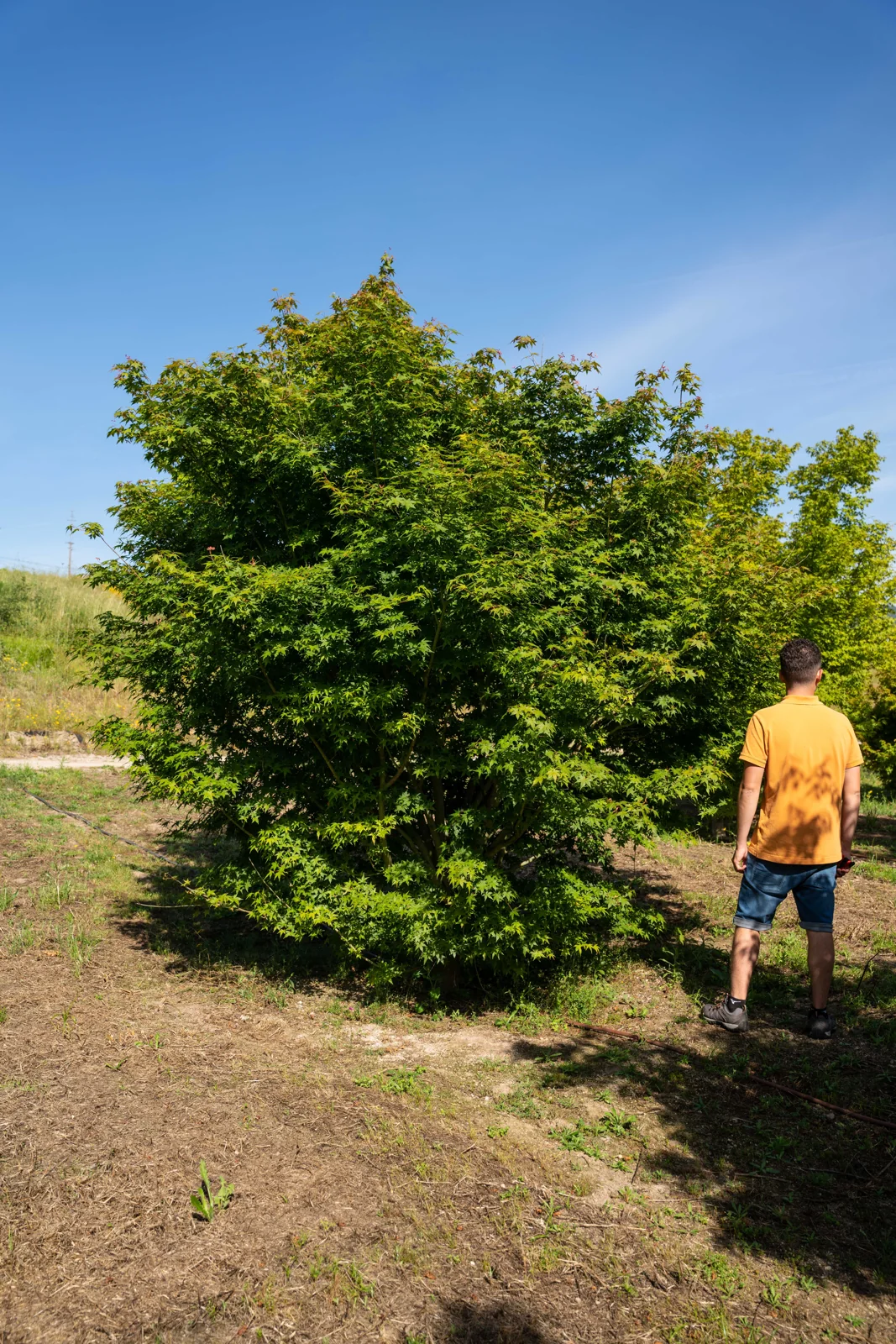
On German projects the Japanischer Ahorn functions as a sheltered Solitärgehölz for courtyards, Kurpark settings, and Wohnumfeld plantings, reliable across milder Klimaregionen and thriving where a sheltered position guards the early growth from late spring frost.
About this Species
The Japanischer Ahorn is a slow-growing deciduous small tree reaching 4 to 8 metres at maturity, with a layered rounded Habitusform often wider than tall. Palmately lobed leaves carry five to nine sharply toothed segments, moving through green in summer to yellow, bronze, purple, and scarlet autumn colour according to cultivar. Young stems show green to…
Read more
Show less
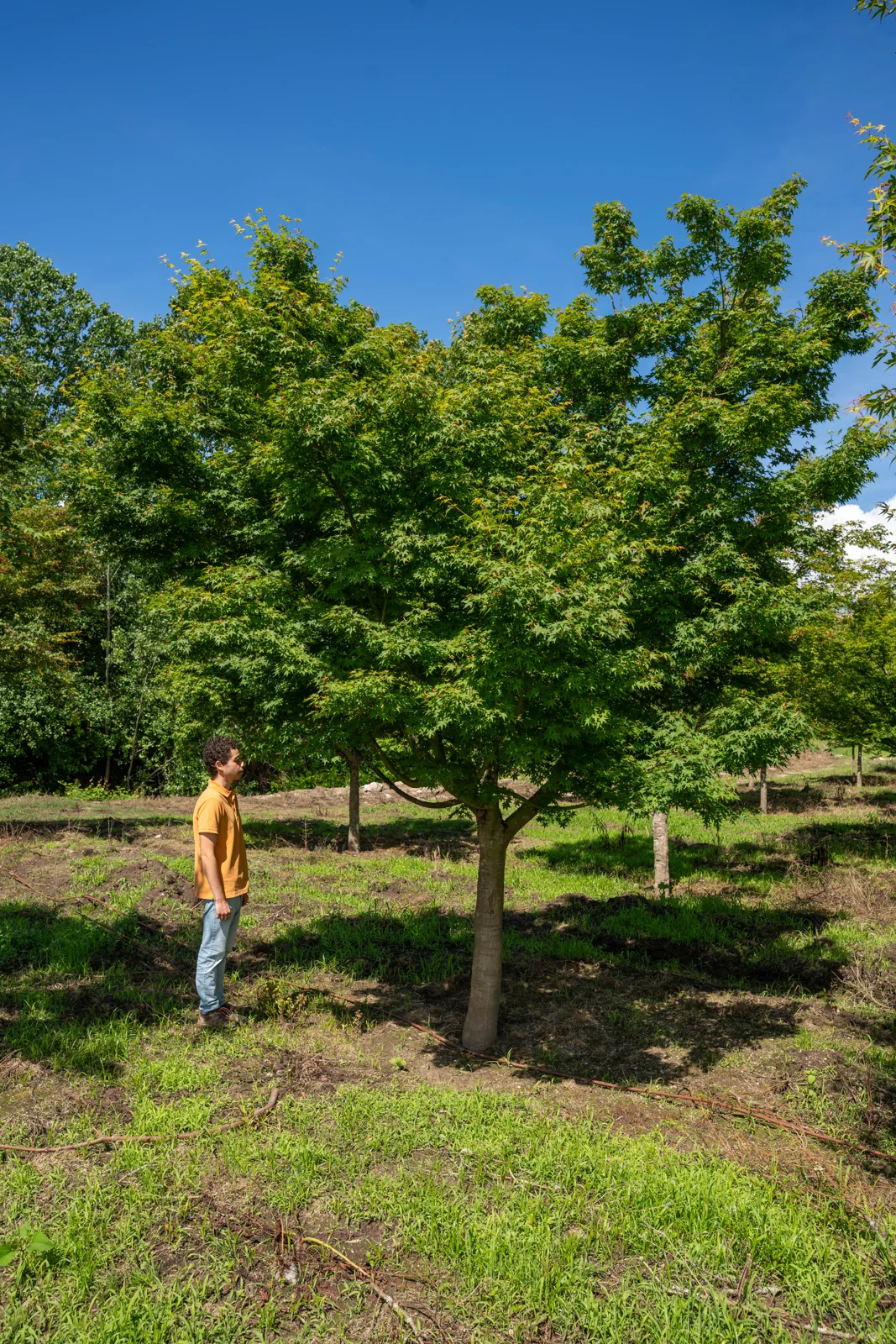
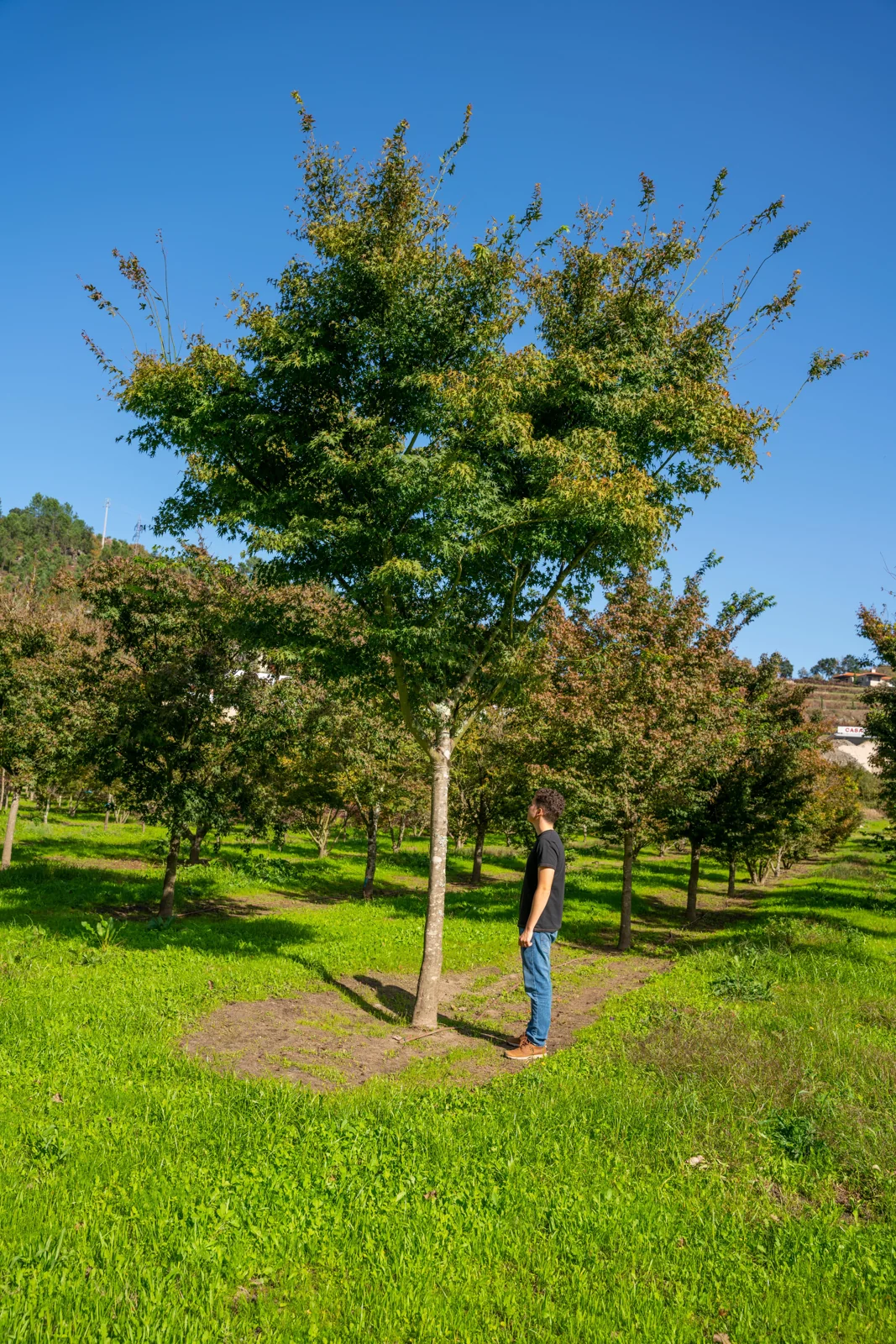
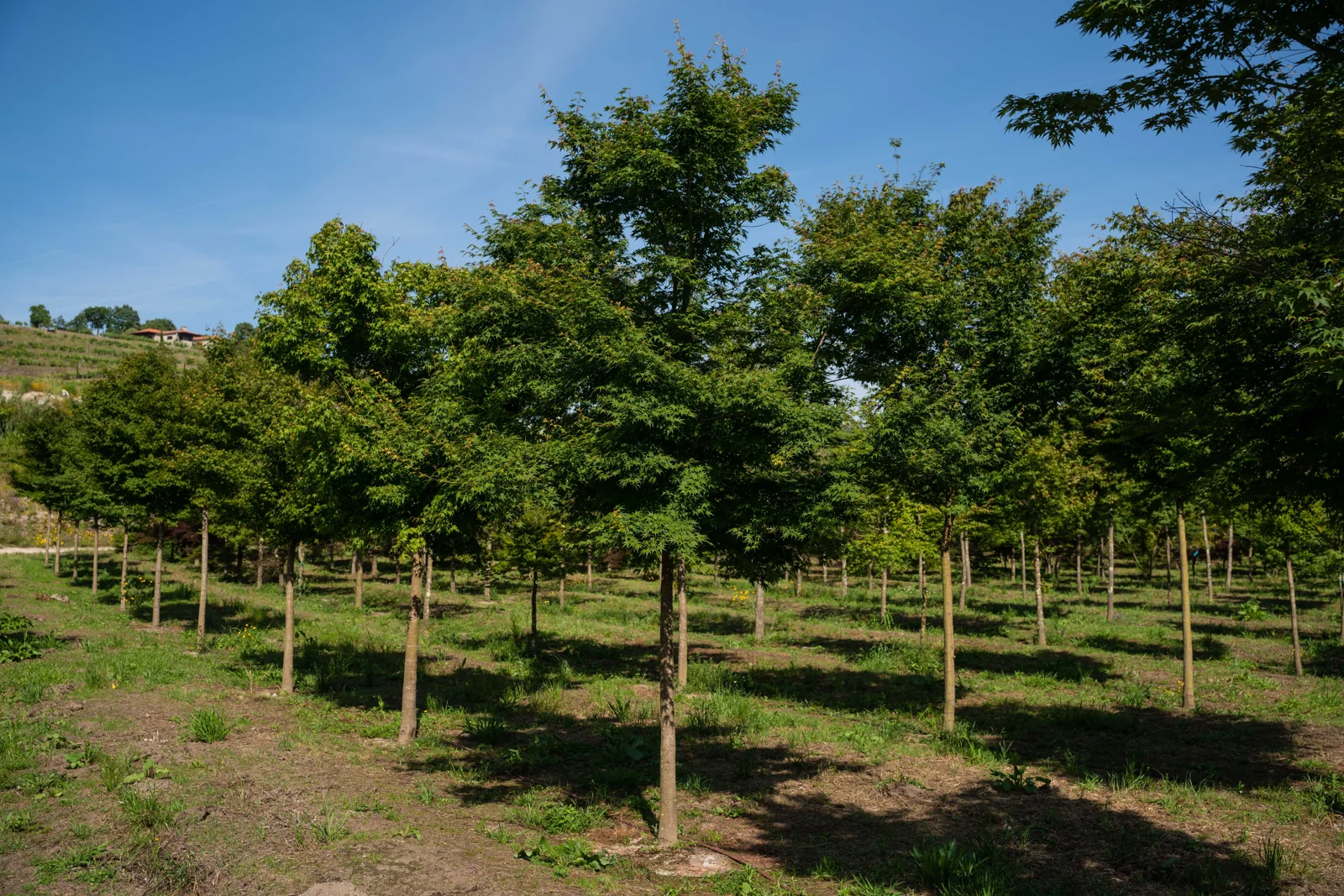
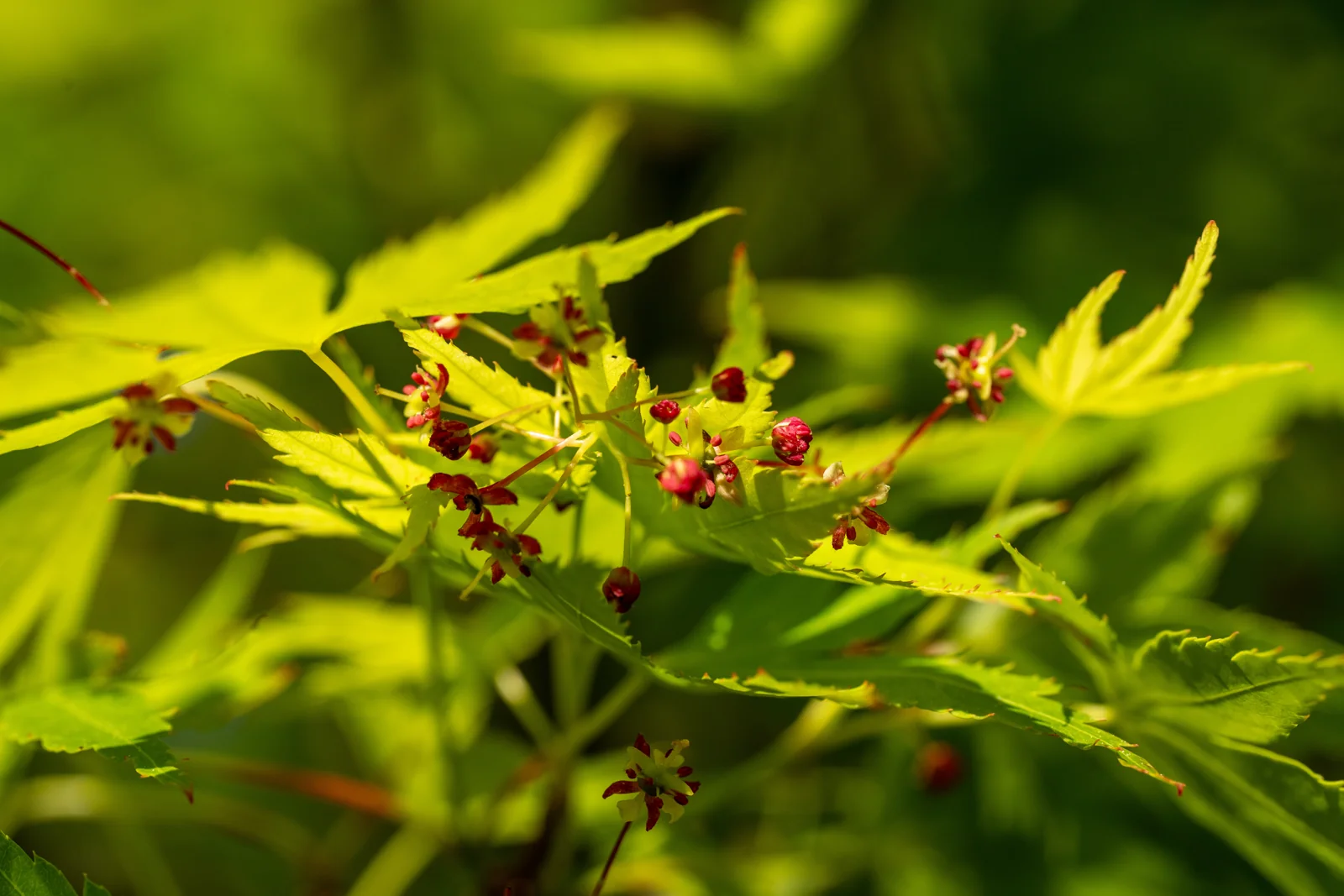
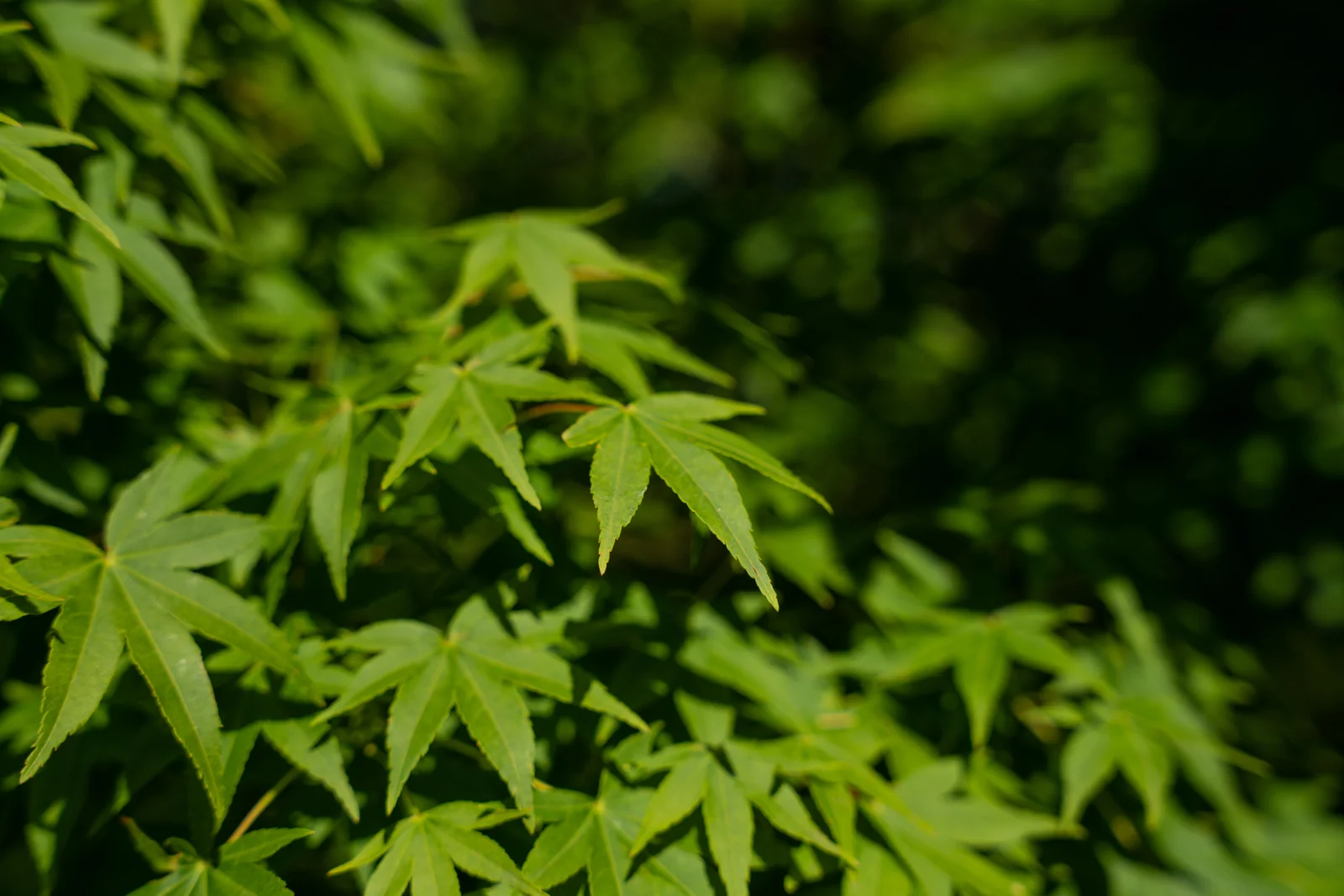
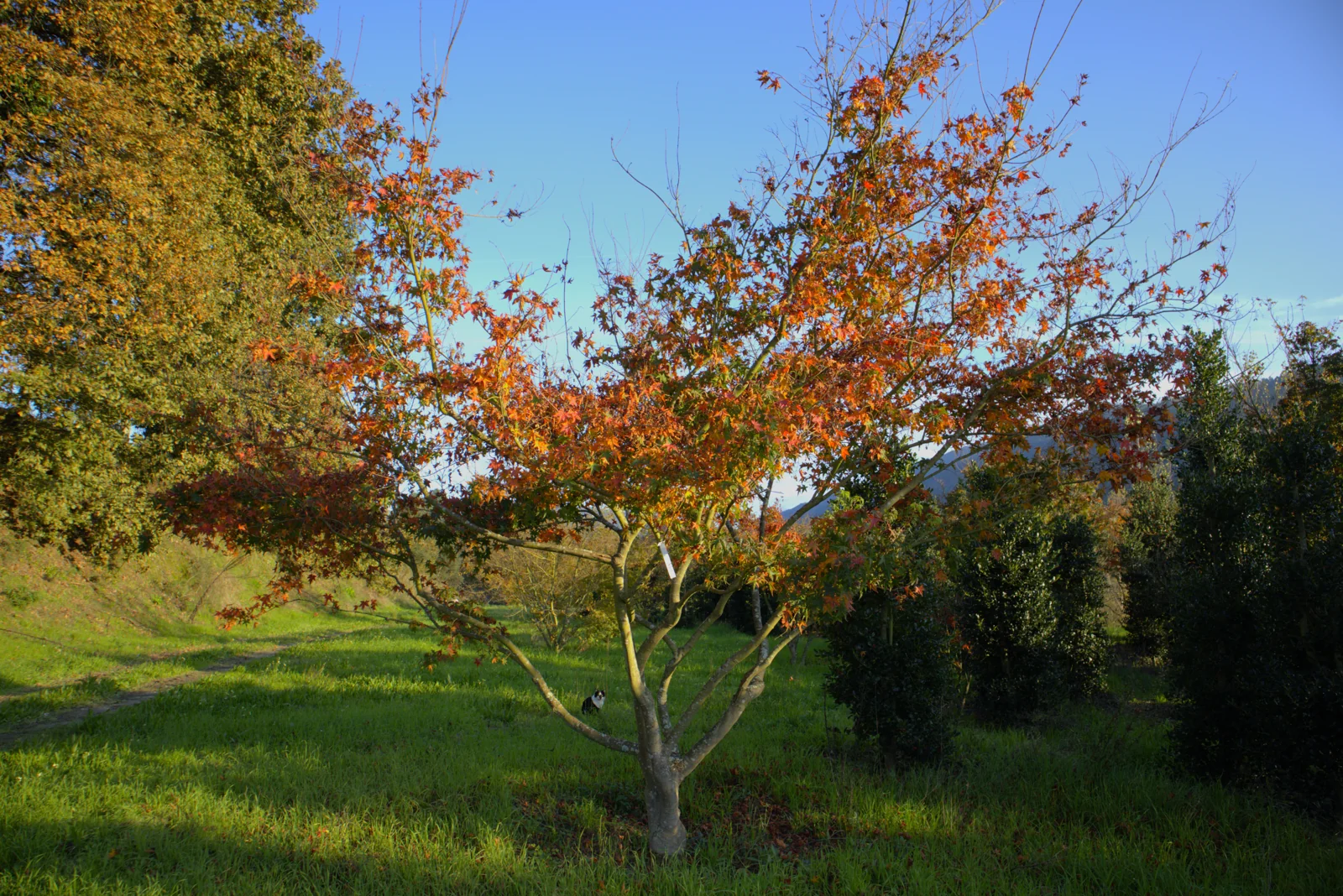
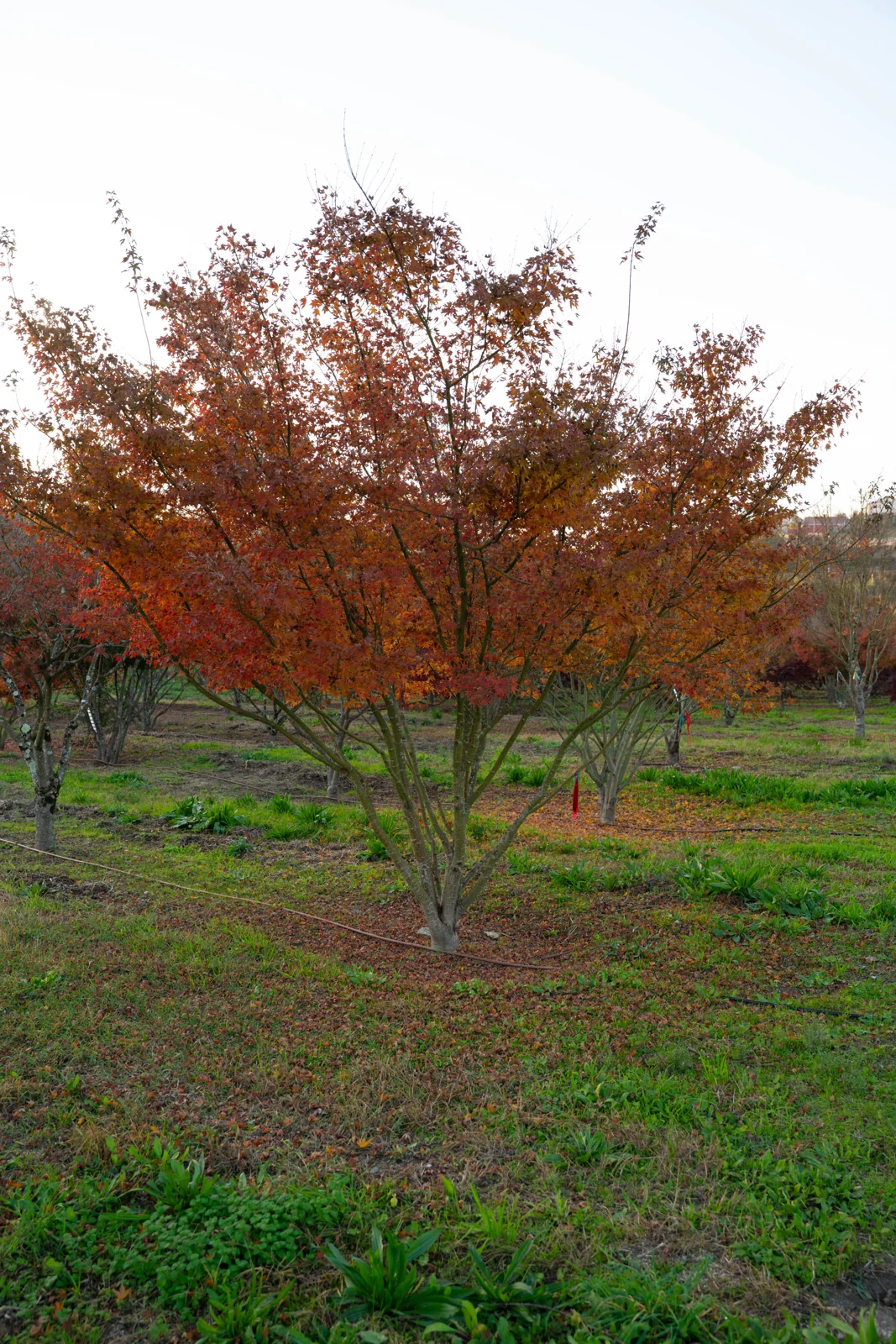
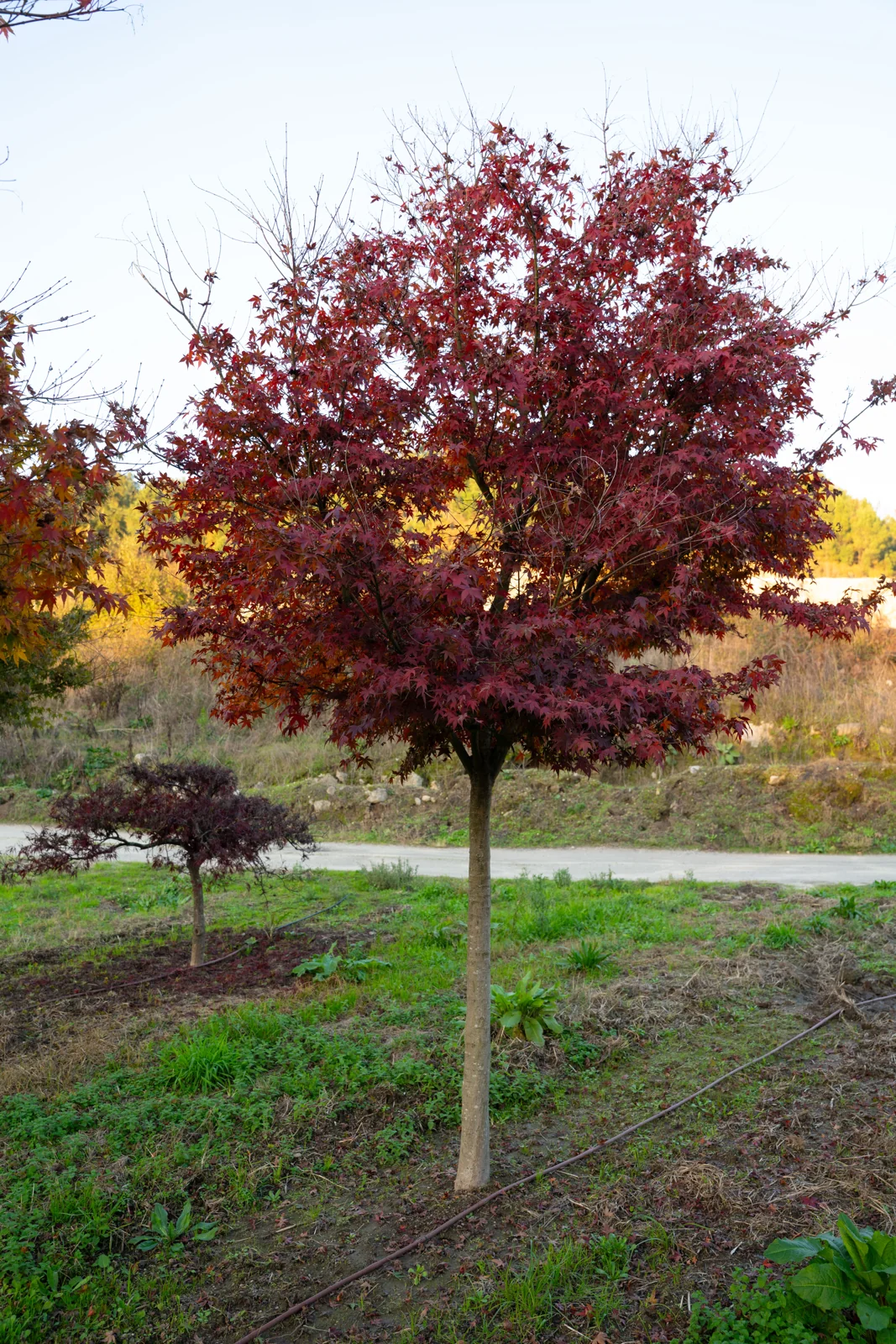
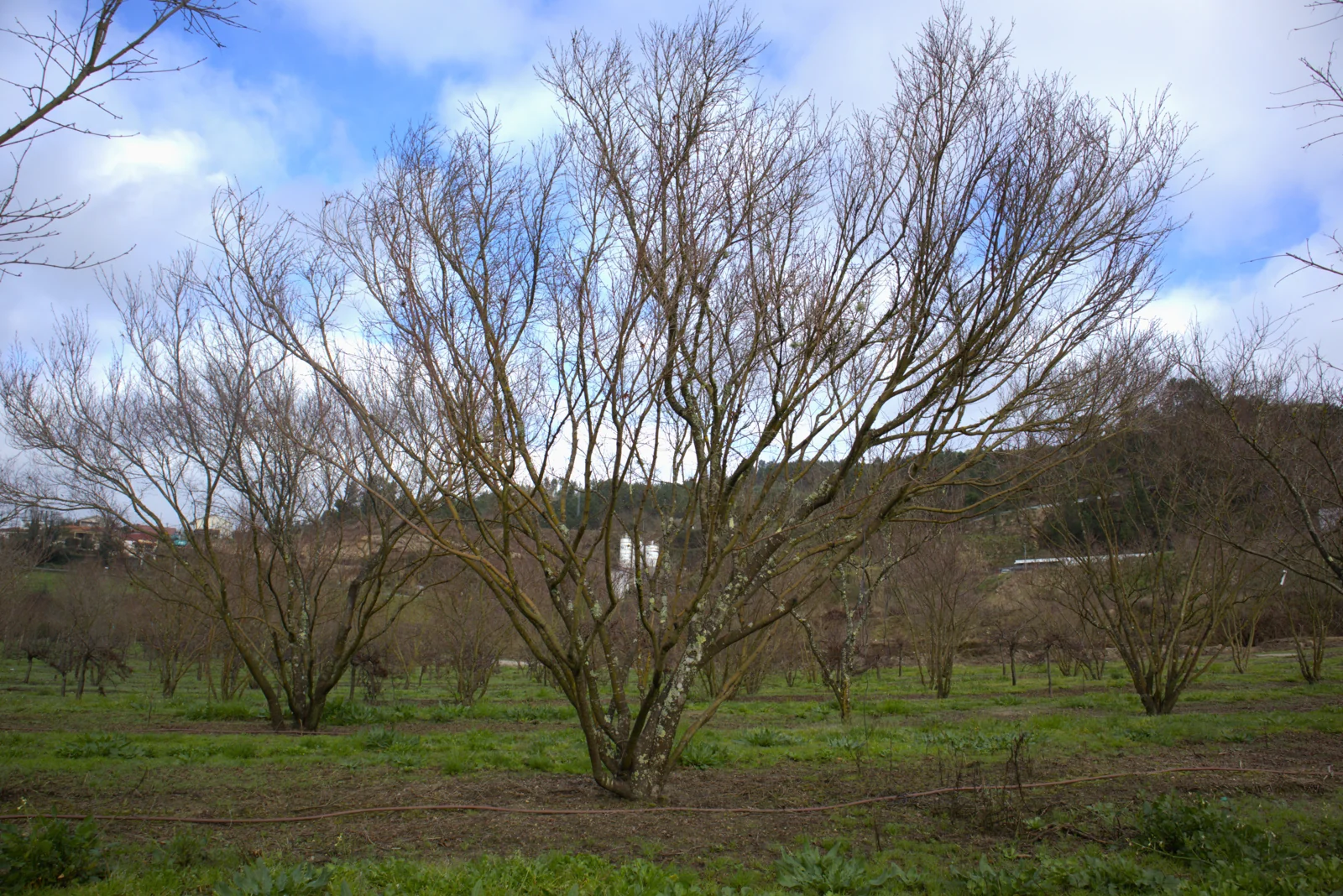
The Japanischer Ahorn is a slow-growing deciduous small tree reaching 4 to 8 metres at maturity, with a layered rounded Habitusform often wider than tall. Palmately lobed leaves carry five to nine sharply toothed segments, moving through green in summer to yellow, bronze, purple, and scarlet autumn colour according to cultivar. Young stems show green to polished reddish brown bark, valuable as winter structure during the leaf-off half-year.
Winterhärte is dependable to approximately minus 20 degrees Celsius on established specimens in sheltered, free-draining positions, supporting reliable performance in the Oberrheingraben (Upper Rhine valley), the Niederrheinische Bucht (Lower Rhine basin), and the urban heat islands of Köln, Frankfurt, and München. Open sites east of the Elbe and elevations above 400 metres in the voralpenland (pre-Alpine foothills) sit at the cautious margin, with occasional dieback on exposed young wood below minus 18 degrees Celsius. Young foliage is sensitive to late spring frosts, a more frequent damage source in central Klimaregionen than winter minima. The first three winters define the risk window; established trees harden off and tolerate conditions that scorch a recently planted specimen.
Standortansprüche centre on consistently moist, free-draining loams with high organic matter and a slightly acidic reaction; calcareous Bavarian substrates above pH 7.5 induce chlorosis and should be amended or avoided. The species accepts dappled shade to full sun, but purple-leaved and finely-cut forms hold colour better with afternoon protection, and all forms scorch on windswept sites or during the prolonged dry summers Germany has experienced since 2018. Salt tolerance is low, so Stadtbaumeignung along salted Straßenbäume avenues is poor; this is a Solitär for protected Wohnhof, Innenhof, and Kurpark settings rather than a Straßenbaumliste candidate.
Disease and pest pressure is moderate, limited to occasional anthracnose, drought-stress leaf scorch, and aphid or scale incidents, with no equivalent to the Eschentriebsterben or Russrindenkrankheit pressures driving substitution on Fraxinus or Acer pseudoplatanus. Where a Pflanzliste calls for the structural restraint of Carpinus betulus or Hainbuche at smaller scale, with finer texture and a defined autumn event, Acer palmatum supplies it.



Advice on this species
Want to know more about Acer palmatum?
Tell us about your project and we'll advise you on this species — where it thrives, which size makes sense, and what to expect once planted.
- Produção própria
- Exemplares adultos
- Resposta em 1–2 dias
Sem compromisso · orçamento personalizado